Get

In Your Inbox

Catster is reader-supported. When you buy via links on our site, we may earn an affiliate commission at no cost to you. Learn more.

Can Cats Die from Tooth Resorption? Vet Reviewed Facts & FAQ

Share

cat teeth resorption

Naturally, one of the first questions that come to mind when our pets are diagnosed with a health condition is “can my pet die from (insert condition)?” In the case of tooth resorption1, a common dental disease in cats, the good news is that over the course of our research, we found no evidence to suggest that this condition in itself can kill cats. Tooth resorption is a treatable condition.

The bad news is that left untreated, tooth resorption can become incredibly painful for cats and can cause other oral issues and behavioral issues. In this guide, we’ll explain the basics of what tooth resorption is, how it affects cats, and how the condition is treated.

divider 2 cats

What Is Tooth Resorption?

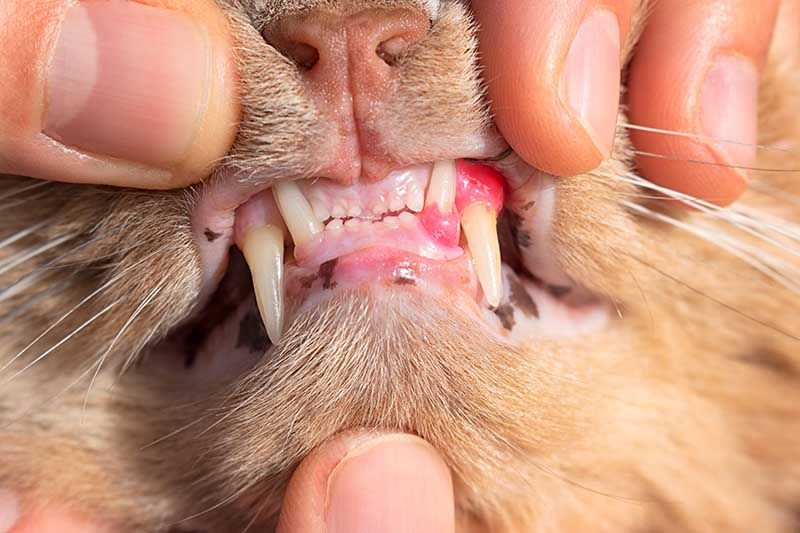
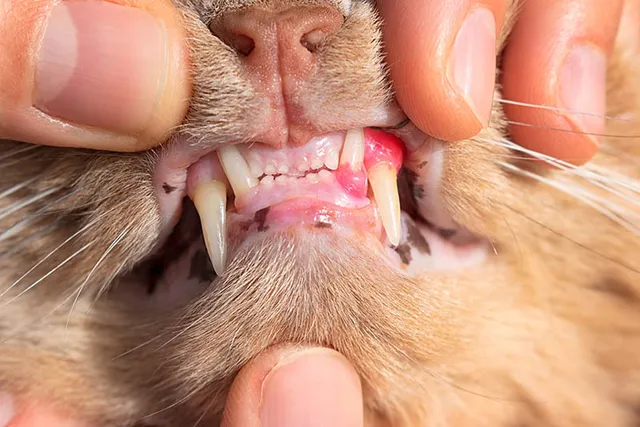
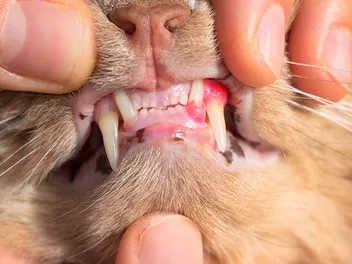
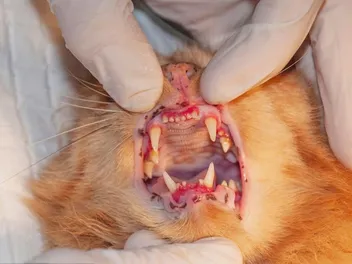
Tooth resorption is a complex dental disease that is still being researched. It occurs when the tissue, called cementum, which covers the roots, starts to be eroded by tooth digesting cells called odontoclasts. With time, the dental structures are destroyed by this process. The affected tooth will almost completely disappear, leaving behind only a raised bump where it used to be. In some cases, the affected tooth develops a hole—these resemble cavities but they’re not the same thing.

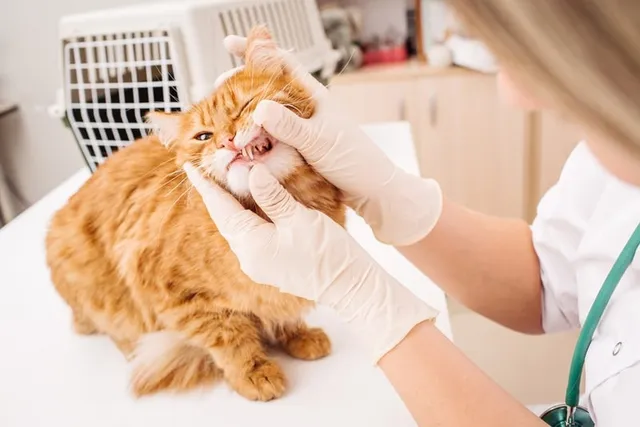
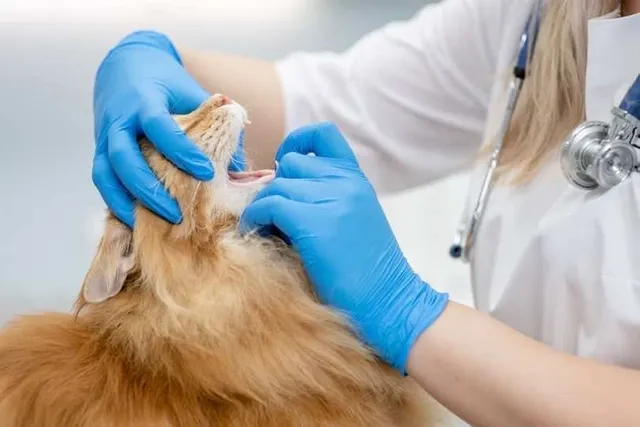
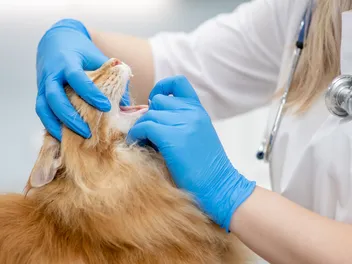
Veterinarian checks teeth to a big maine coon cat at vet clinic
Image By: Ermolaev Alexander, Shutterstock

There are five stages of tooth resorption.

  • Stage 1-Mild dental hard tissue loss
  • Stage 2-Moderated dental hard tissue loss
  • Stage 3-Deep dental hard tissue loss
  • Stage 4-Extensive dental hard tissue loss and tooth has lost its integrity
  • Stage 5-Only remnants of the hard tissue are seen; gum has covered the surface

The exact cause of tooth resorption is not known and is still under investigation. What researchers have learned is that tooth resorption is more common in older cats.

divider 2 cats

Symptoms of Tooth Resorption

Symptoms of tooth resorption include:

  • Jaw champing
  • Jaw trembling
  • Difficulty eating (dropping food, etc.)
  • Lack of appetite
  • Weight loss
  • Being less playful than usual
  • Irritability
  • Lethargy
  • Bleeding gums
  • Drooling
  • A dark pink stain on the tooth

divider 2 cats

How Is Tooth Resorption Treated?

Tooth resorption treatment depends on which of the 5 categories it falls into. This will be determined by a veterinarian and will require examination under anesthesia. The affected teeth and roots usually require removal. You may be referred to a specialist veterinary dentist if several teeth are affected.

administering a disinfectant toothpaste on cats teeth
Image Credit: Yaya Photos, Shutterstock

divider 2 cats

How Long Until My Cat Recovers from Tooth Extraction?

Once the vet has performed the surgery, your cat can begin the process of healing and having a much better quality of life. After tooth extraction, cats typically recover within a week, but this process may be longer if your cat has had multiple teeth removed.

The vet may prescribe antibiotics and/or pain medication and a soft food diet to make your cat more comfortable while they get better. The vet may also want to schedule a checkup at some point over the next few weeks to make sure everything is going well. Keep an eye on your cat at home and if they seem unwell or in pain even though you’re giving them the prescribed pain medication, contact a vet.

If you need to speak with a vet but can't get to one, head over to PangoVet. It's an online service where you can talk to a vet online and get the advice you need for your pet — all at an affordable price!

PangoVet_Mention-in-Content for PangoVet2 save money

divider 2 cats

Can Tooth Resorption Be Prevented?

No, this is not a disease that can be prevented. You may, however, be able to slow down the potential development of dental diseases with daily tooth brushing. It’s also important to make sure your cat gets a wellness exam at least once per year so a vet can spot any developing problems quickly.

divider 2 cats

Conclusion

So, tooth resorption doesn’t kill cats, but it is nevertheless a very painful condition and treatment should be sought as soon as possible. Treatment involves surgically removing the affected tooth/teeth and, once this has been carried out, your cat will start to feel better. If you are concerned about your cat’s dental health in any way, please contact a vet to find out what your next move should be.


Featured Image Credit: Yaya Photos, Shutterstock

Want content like this delivered to you?

Sign Up For Our Newsletter

News, insights, expert advice, and everything cat

* By submitting, you agree to our Terms & Conditions and Privacy & Cookies Policy.


How useful was this post?

Click on a star to rate (you can leave written feedback after clicking submit)

Help us improve Catster for pet parents!

Your feedback really matters.

What did you like about this post? Also how can we improve it?

Join the conversation

Leave a Reply

You’re very welcome to leave a comment or question. Please know that all comments must meet our community guidelines, and your email address will NOT be published. Let’s have a positive and constructive conversation.


Talk With A Vet Online

Peace of mind,
anywhere, anytime

Affordable vet advice

Do Cats Cause Schizophrenia? Scientists Find a Link – Here’s What It Means

Being a fierce advocate (and occasional recipient of) mental health support and awareness, the term ‘crazy’ is not one I like to fling...

One in 100 Cats Gets Diabetes – Here’s How to Catch It Early

One in every 100 cats develops diabetes.1 That’s not a rare, unlucky condition reserved for cats with obvious health problems. It’s common enough...

Dramatic Rescue Turns Into Dramatic Reunion

What started as a routine call for the RSPCA became a heroic, five-hour rescue featuring one trapped and traumatized cat, an emotional family...

Ask Dr. Paola – Help! How Do I Know if it’s Ear Mites! (May 4, 2026)

Welcome to our “Ask Dr. Paola” series, where every Monday we bring expert advice straight from Dr. Paola Cuevas (MVZ) to help our...

More related

Pittsburgh Refrigerator Cat: The Myth Explained

Have you ever heard of the Pittsburgh refrigerator cat? If not, you’re certainly not alone. We hadn’t heard about it either. Don’t feel...

Catster Photo Contest: Cats of the Week Winners (June 12, 2025)

This Week’s Winner Silliest Most Dignified Most Expressive Best Action Shot Sleepiest Cutest Enter Your Cat Submit your kitty for a chance to...

Does Lysol Kill Fleas on Cats? Vet-Verified Facts & Safety Guide

Fleas endanger our pets and homes beyond the bites and unpleasant stigma attached to infestations. They are also hosts to other parasites, such...

Burmilla Longhair: Info, Pictures, Origin & More

If you’ve been looking for a longhair cat that’s beautiful, playful, and relatively chill, the Burmilla Longhair might just be the perfect cat...

Keep reading

7 Best Calming Aids for Cats in 2026 – Reviews & Top Picks

Cats can benefit from calming aids for a variety of reasons. If you have a cat that is particularly nervous, overly energetic, stressed, or frightened from external factors such as thunderstorms, then using a calming aid for your cat can...

Why Do Cats Like Their Cheeks Scratched? 4 Vet-Approved Reasons & FAQ

Cats are mysterious creatures, and their behavior can often be puzzling to humans. One curious action is when they rub their cheeks on people and objects. They also love having their cheeks scratched by their owners. Have you ever wondered...

person petting a cat

Is Vinegar Bad for Cats? Vet-Reviewed Safety Concerns

Vinegar is one of the wonder products many regularly use for different purposes such as cleaning. So, is vinegar bad for cats? Vinegar is incredibly acidic and can irritate their mucous membranes if consumed undiluted. However, if it’s mixed with...

Is Vinegar Bad for Cats

Is It True That All Cats Have Eyebrow Whiskers? Vet-Verified Facts & FAQ

One of the most distinct facial features of a cat would be the whiskers. While the most prominent whiskers on a cat are above the upper lip, they have them in several locations, including the eyebrows. Different cats have varying...

Anatolian cat face close up

My Cat Swallowed a Foreign Object: When to See a Vet

Cats love to play with anything that they can get their paws on, such as buttons, balls of paper, bits of string, threads, shoelaces, ribbons, cords, and yarn. Unfortunately, while playing with these seemingly harmless objects, our feline companions can...

a siamese cat getting examined by a vet at the clinic

Do Cats Get Brain Freeze? Vet-Reviewed Facts & FAQ

If you’ve ever sucked down a milkshake too quickly, you’re probably familiar with the discomfort of “brain freeze.” A quick Internet search will reveal multiple clips of cats reacting abruptly to their first taste of ice cream or frozen treats....

bored domestic cat

10 Best Cat Deshedding Tools in 2026 – Reviews & Top Picks

With over 58 million pet cats around the nation, it’s no shock that there are tons of cat deshedding tools on the market. Because of how many tools there are, it can be next to impossible to find which tools...

grey shorthaired cat hepper brush

Why Do Cats Massage Other Cats? 4 Vet-Reviewed Reasons & Meanings

Kneading, which is often called “making biscuits” because the motion somewhat resembles kneading dough, is a common feline activity. Cats may knead their owners, soft cushions, and their belongings, and if you have multiple cats in your house, you may...

two cats playing

Love Cats? So Do We! Join the Catster Community

Stay informed with expert pet care insights delivered straight to your inbox! Discover professional guidance on animal behavior, feeding tips, trusted product picks, and much more.


Sign up for the Catster Email Newsletter

Stay informed with expert pet care insights delivered straight to your inbox! Discover professional guidance on animal behavior, feeding tips, trusted product picks, and much more.