Get

In Your Inbox

Catster is reader-supported. When you buy via links on our site, we may earn an affiliate commission at no cost to you. Learn more.

Can Cats Drink Tuna Water? Vet Reviewed Facts & Consideration

Share

Can Cats Drink Tuna Water

As carnivores, felines must consume meat protein as their main source of nutrients to maintain happy and healthy lives. This is why the first ingredient in most commercial cat food recipes is some kind of meat, usually chicken or fish. This necessity to consume meat may make your furry family member show an interest in the proteins that you’re eating at meal or snack time, like tuna and the water that it’s packed in. But is it okay to give tuna water to your cat?

The short answer is that while it’s safe for your cat to drink tuna water, it’s not the healthiest option for them. That said, you can offer a small amount of tuna water as an occasional snack if your cat really likes it. For clarity, we are referring here to tuna in spring water and not tuna in salt water/brine. Here’s the lowdown!

divider cats oct 2024

Tuna Water Isn’t Poisonous to Cats

Tuna water is not toxic to cats, so they are unlikely to fall ill if they eat it. This just means you don’t need to take extra measures to keep tuna water away from your cat like you would with chocolate or garlic. Still, tuna water is not something that your kitty should be lapping up regularly or in large amounts.

Why Tuna Water Should Be Nothing More Than an Occasional Treat

Cat-eating-wet-tuna-food-from-the-white-plate
Image Credit: Veera, Shutterstock

Tuna water is little more than a flavored fluid. However, there can be minimal amounts of omega fatty acids in it. These help provide energy, aid in healthy growth, and promote healthy skin and hair. Drinking a bit of tuna water might boost a cat’s omega fatty acid intake. However, the mercury in the tuna meat can leach into the water, which can have toxic effects.

Mercury is highly toxic and can cause serious harm, even death, if ingested in high enough amounts. Signs of mercury poisoning in cats include neurological problems, such as tremors, blindness, hypermetria, and incoordination. It’s important to remember that while the majority of mercury is found in the tuna meat, there is still a possibility for some amount to show up in the water. While canned tuna seems to have the least amount of mercury bioaccessibility, according to research, it is still best to limit your cat’s access to tuna water. Never give your cat an entire can’s worth of tuna water at once. One or 2 tablespoons of the liquid at one time is more than enough.

divider cats oct 2024

Things to Consider When Giving Tuna Water to Your Cat

Not all tuna is created equal. Some have oils added to them, and others are seasoned. Make sure the tuna water you give your cat contains just that: tuna and water, no other oils or seasoning. Also, tuna water is not a replacement for regular drinking water and should never be treated as such. Don’t allow your kitty to drink tuna water if they are not regularly drinking from their water bowl or fountain.

How to Feed Tuna Water to Your Cat

Tuna water can be given to your cat straight from the can. It can be used to flavor their drinking water if you want them to consume more liquids for hydration. Just pour one teaspoon of the liquid into your cat’s water dish. You can also pour a small amount of tuna water over cat food to entice your picky eater to eat.

cat eating wet tuna food
Image Credit: Svetlana Rey, Shutterstock

Can Cats Eat Tuna?

Tuna might be high in protein and omega fatty acids, but it does not contain all the nutrients that a cat needs for good health, so it should not make up the majority of their diet. Tuna also contains mercury, which can be fatal in excess amounts. Therefore, you shouldn’t give tuna to your cat on a regular basis. Use tuna more as a treat, giving only a bite or two once a month. It is also never a good idea to give your cat tuna that has been seasoned or mixed with mayonnaise or other ingredients, or that is packed in oil. These extra ingredients don’t belong in a feline’s diet and can even be dangerous. It is best to ask a vet for their guidance every time you are thinking about adding anything new to your cat’s diet.

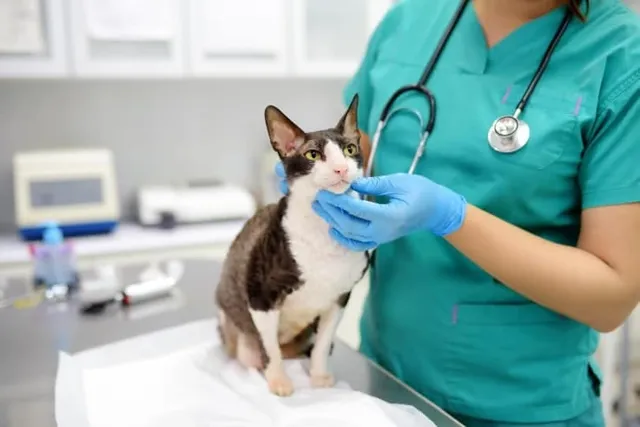
Need veterinary advice but can't get to the clinic? Catster recommends PangoVet, our online veterinary service. Talk to a vet online and get the answers and advice you need for your cat without having to leave your living room — all at an affordable price!

PangoVet_Mention-in-Content for PangoVet2 save money

divider cats oct 2024

Conclusion

Tuna water is not toxic to cats, so it’s safe to let them drink a small amount as a snack or treat. Tuna is also not a replacement for a high-quality diet and should only be offered a couple of times a month. Many other treats are more nutritious and just as tasty, such as fully cooked (and unseasoned) chicken. So, rather than treating your cat to a steady offering of tuna water, consider working it in a couple of times a month as an extra special treat.


Featured Image Credit: NMTD MEDIA, Shutterstock

Want content like this delivered to you?

Sign Up For Our Newsletter

News, insights, expert advice, and everything cat

* By submitting, you agree to our Terms & Conditions and Privacy & Cookies Policy.


How useful was this post?

Click on a star to rate (you can leave written feedback after clicking submit)

Help us improve Catster for pet parents!

Your feedback really matters.

What did you like about this post? Also how can we improve it?

Join the conversation

2 Responses

  1. Hi I have a question – my cat is 17 yrs old eats Royal Canin, Temptation treats and is always provided fresh water daily. I cannot get her to eat canned cat food and being a cat girl all my life, there are some awesome canned foods for cats now a days . I have tried everything to get her to eat the canned food.. I have had her since she was born and when the litter was given the canned stuff I noticed she wasn't eating any. I thought to pull her away from her litter mates and fed her separately. She would not eat it. She will be 18 this July and I she need fiber etc in her diet. is it really bad to give her canned (water downed) tuna or salmon. this has been the only other thing she will eat or drink cause I mash it and water it down. she had only been having it for a few years now and not all the time as I end up having to throw it out like all the cans of cat food I've tried. well I didn't.trash it all some I would feed the outside critters when possible.
    Kindest regards from Canada 🇨🇦

    1. Hi Lorrie. Congratulations on your girl Fiddy reaching 18, that is a testament to your wonderful care! At her age, the most important thing is that she continues to eat and stay hydrated, and while plain tuna or salmon (especially watered down) is a great "topper" or treat, it cannot be her primary meal because it lacks the essential vitamins, minerals, and taurine that a senior cat requires to prevent heart and organ failure. Since she loves the fishy water, you might try a "transition" trick: slowly mix a teaspoon of a high-quality, pate-style canned food into her favorite watered-down tuna, increasing the ratio by a tiny amount each day to sneak that essential nutrition past her nose.

Leave a Reply

You’re very welcome to leave a comment or question. Please know that all comments must meet our community guidelines, and your email address will NOT be published. Let’s have a positive and constructive conversation.


Talk With A Vet Online

Peace of mind,
anywhere, anytime

Affordable vet advice

Do Cats Cause Schizophrenia? Scientists Find a Link – Here’s What It Means

Being a fierce advocate (and occasional recipient of) mental health support and awareness, the term ‘crazy’ is not one I like to fling...

One in 100 Cats Gets Diabetes – Here’s How to Catch It Early

One in every 100 cats develops diabetes.1 That’s not a rare, unlucky condition reserved for cats with obvious health problems. It’s common enough...

Dramatic Rescue Turns Into Dramatic Reunion

What started as a routine call for the RSPCA became a heroic, five-hour rescue featuring one trapped and traumatized cat, an emotional family...

Ask Dr. Paola – Help! How Do I Know if it’s Ear Mites! (May 4, 2026)

Welcome to our “Ask Dr. Paola” series, where every Monday we bring expert advice straight from Dr. Paola Cuevas (MVZ) to help our...

More related

What Are E-Collars for Cats? Vet-Reviewed Types, Pros, Cons & FAQ

You may not immediately recognize the term “e-collar,” but you’ve definitely heard of them. You might know the e-collar by its more affectionately...

Why Does My Cat Wiggle Before They Pounce? 4 Vet-Reviewed Reasons

The little wiggle that cats display before pouncing might be one of the most adorable things that you’ll observe as a cat parent....

Soldier Saves Kitten from Iraq Sandstorm: An Exclusive Interview

Chances are, if you’re a fan of a few cat pages on Facebook, you’ve seen this photograph of a soldier holding a tiny...

Ocicat vs Bengal: What’s the Difference? (With Pictures)

With their wild and exotic appearance, both the Bengal and the Ocicat look as though they’ve just stepped out of the jungle. However,...

Keep reading

Why Can’t My Cat Meow? 9 Vet-Verified Causes & When to Worry

While some cats can be very vocal, others rarely utter a word. However, if your cat has lost their voice and is letting out a rasp or a squeak or isn’t managing to make any noise whatsoever, it could be...

Cat lying down turning its ear while staring at the camera

Why Is My Cat in Heat So Much? Vet Approved Facts & FAQ

If this is your first time living with a queen, or a non-spayed cat, it might surprise you how often they go into heat. How much is normal, and when should you worry? We break down everything for you here....

cat in heat

Why Are My Cat’s Gums Red and Swollen? 8 Possible Reasons & What to Do

Owning a cat has its ups and downs, and unfortunately, most of the downs occur when our pets are sick. When your cat has dental issues, it can sometimes indicate an underlying health problem. Either way, dental complications can have...

Cat with red, swollen an inflamed gums or resorption of teeth in felines and gingivitis showing teeth

3-Month-Old Kitten: What to Expect (Vet Approved)

Like children, baby cats go through specific stages of growth and development during their first year of life. As a pet parent, it’s important that you know what to look for as your kitten grows so you can best support...

Small calico kitten walking

Are Rubber Plants Toxic to Cats? Vet-Reviewed Houseplants Examined  

The American rubber plant (Peperomia obtusifolia) is native to South America. However, it will flourish indoors with proper humidity and adequate sunlight. This plant is also called a baby rubber plant and a pepper face plant. Your cat may take...

Catster_Are Rubber Plants Toxic to Cats

Why Is My Cat’s Fur Suddenly Matted? 7 Vet-Reviewed Reasons

Cats are famous for keeping themselves clean and looking neat all the time. In fact, some would say that cats are obsessive groomers. It’s safe to assume that if your cat isn’t sleeping, they’re probably grooming instead. That’s why it’s...

combing fur of a maine coon cat

Can Cats Eat Scallops? Vet-Approved Facts & FAQ

Cats eating fish and other seafood is a common trope, but you may be wondering if it’s safe for them to have. Scallops are a common and nutritious meal for people, but what about cats? Can cats eat scallops? Is...

Can Cats Eat Scallops

7 Most Common Allergies in Cats: Vet-Verified Triggers, Signs & Treatments

If your cat is suffering from allergies, it’s usually one of these four types: environmental, food, seasonal, or flea. However, more specifically, there are thousands of potential allergens all around. Your cat could be allergic to the plants in your...

Cat with fleas

Love Cats? So Do We! Join the Catster Community

Stay informed with expert pet care insights delivered straight to your inbox! Discover professional guidance on animal behavior, feeding tips, trusted product picks, and much more.


Sign up for the Catster Email Newsletter

Stay informed with expert pet care insights delivered straight to your inbox! Discover professional guidance on animal behavior, feeding tips, trusted product picks, and much more.