Get

In Your Inbox

Catster is reader-supported. When you buy via links on our site, we may earn an affiliate commission at no cost to you. Learn more.

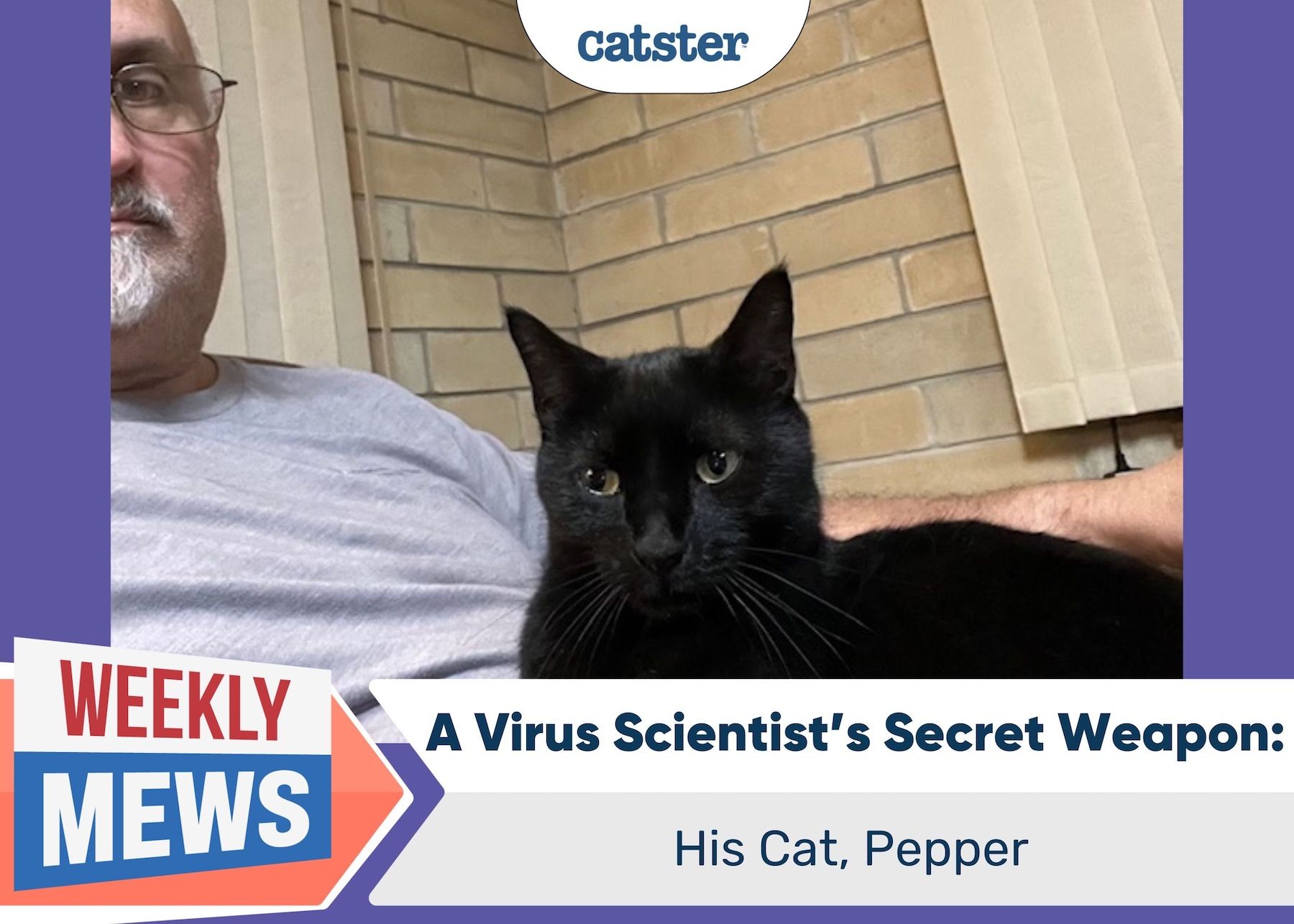
A Virus Scientist’s Secret Weapon: His Cat, Pepper
Weekly Mews A Virus Scientist's Secret Weapon

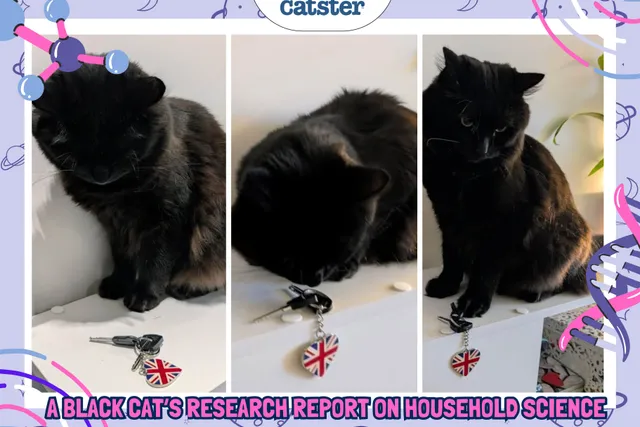
A Florida virus researcher has an incredibly effective new research assistant: his cat, a black domestic shorthair named Pepper! Pepper’s penchant for hunting (and gifting) provided her owner with the perfect test subject for viruses in the local wildlife.

Here’s the incredible story of how Pepper the housecat-slash-virologist helped her owner, John Lednicky, Ph.D., discover not one but two new viruses. Pepper has even recently taken on a trainee…

Pepper Discovers Her First Virus

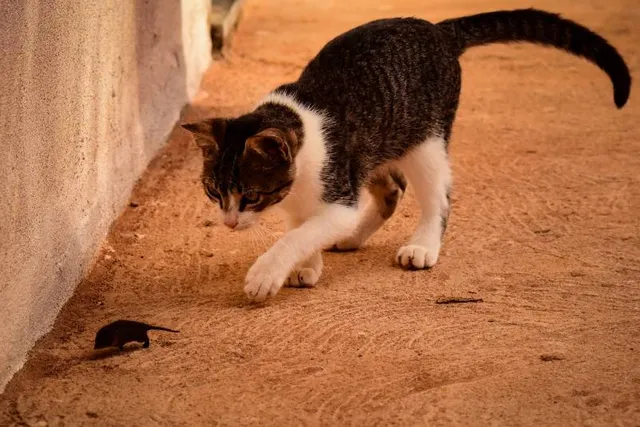
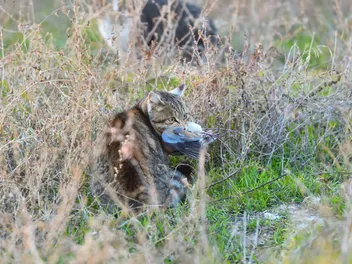
Pepper the cat enjoys hunting and bringing her owner dead rodents as gifts. But unlike most cat owners who have enjoyed (or not) this classic cat love language, Pepper’s owner is a virologist at the University of Florida’s College of Public Health and Health Professions. So when life gave him a dead mouse, he decided to test it for viruses! Scientists call this an “opportunistic study,” as opposed to a planned study where they might intentionally seek out the mice to test.

Lednicky was expecting to find a virus called deer mulepox because his team wanted to know if rodents could carry it. Instead, the tests showed a new type of jeilongvirus. Jeilongviruses are part of the family Paramyxoviridae, which includes better-known viruses that cause measles and mumps. They’re common in bats, rodents, and cats.

According to their paper, published in 2024, the new virus is called Gainesville rodent jeilong virus 1 (GRJV1). This is the first time it has been detected in the US, and based on their early research, it does pose a “spillover risk,” meaning it could jump between species.

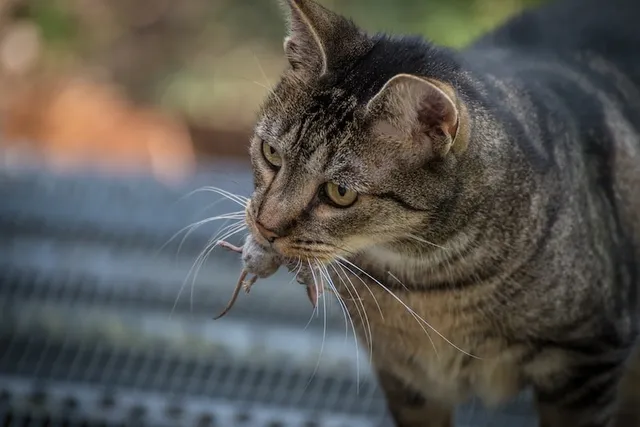
Pepper has the keen eyes of a dedicated scientist

Virus Hunting: Round Two

But wait! Pepper wasn’t satisfied with just discovering one new virus. This year, she brought home a dead Everglades short-tailed shrew, which Lednicky dutifully tested.

This time, the shrew showed a new strain of orthoreovirus, which the team named Gainesville shrew mammalian orthoreovirus type 3 strain UF-1. Ortheoviruses are found in the feces of mammals, reptiles, and birds, and may be connected to mild upper respiratory illness and gastroenteritis.

Why Do Scientists Study These Viruses?

Wild animals don’t receive the kind of vaccination, deworming, and general healthcare that our pets do, so they can carry a range of diseases that can pose a public health risk, both to our pets and to us. Scientists are interested in the viruses (as well as bacteria and parasites) circulating in wildlife populations because they can jump between species, and some may even cause disease in humans. For example, rabies, bubonic plague, Ebola, and West Nile virus are all zoonotic, meaning they jump from animals to humans. Detecting new viruses early can help scientists and doctors respond quickly to potential outbreaks.

Time for a Trainee

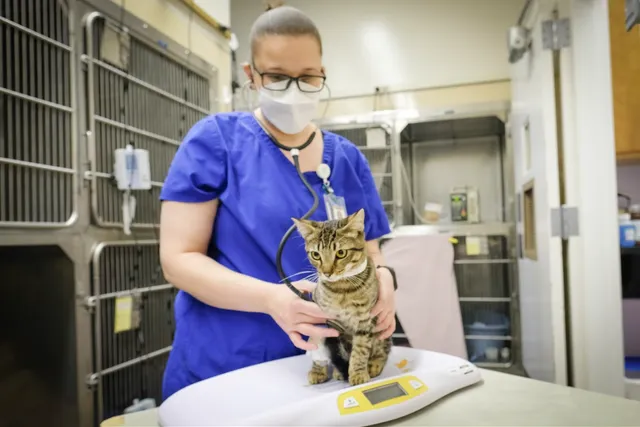
Jaha the trainee virus hunter
Jaha, the trainee virus hunter

What does that mean for Pepper? Her job as a discoverer of viruses is pretty important. Since hunting, lounging, and discovering new viruses is quite a workload, Pepper has taken on a trainee. Her apprentice, named Jaha, is quickly learning the art of virus hunting. It helps to have such an expert teacher!

We wish them well with their important work! Who knows what these working cats will discover next…

More From Weekly Mews: 

Images courtesy of John Lednicky


Did You Know? 

  • Our breaking news articles are featured in our weekly emails. Don’t miss out on the latest and sign up for our newsletter below!

Want content like this delivered to you?

Sign Up For Our Newsletter

News, insights, expert advice, and everything cat

* By submitting, you agree to our Terms & Conditions and Privacy & Cookies Policy.

How useful was this post?

Click on a star to rate (you can leave written feedback after clicking submit)

Help us improve Catster for pet parents!

Your feedback really matters.

What did you like about this post? Also how can we improve it?

Join the conversation

Leave a Reply

You’re very welcome to leave a comment or question. Please know that all comments must meet our community guidelines, and your email address will NOT be published. Let’s have a positive and constructive conversation.

Talk With A Vet Online

Peace of mind,
anywhere, anytime

Affordable vet advice

Can Cats Eat Brussels Sprouts? Vet-Approved Diet Facts & FAQ

Cats are obligate carnivores, and their main source of nutrition comes from eating meat. You might be tempted to feed your cats greens...

10 Types of Cat Collars and Their Uses (With Pictures)

When most people think about cats, leashes and collars are often the last things that come to mind. Neither indoor nor outdoor cats...

Does Amtrak Allow Cats? Train Pet Policy & Safety Tips

Are you a proud cat owner who can’t bear the thought of leaving your furry friend behind when you travel? If so, you’re...

Do Cats Like Kisses? Feline Preferences Revealed

Kissing is a very intimate form of communication between people that allows us to show affection toward each other. There are lots of...

More related

10 Best Cat Harnesses of 2025 – Reviews & Top Picks

If you’re a proud cat parent, you know that your furry feline is a natural born explorer. Whether it’s chasing a toy mouse...

10 Best Cat Foods at PetSmart in 2025 – Reviews & Top Picks

With over 1,500 stores, online shopping, and AutoShip options to rival any of its competitors, PetSmart is a popular choice for all your...

Inbred Cats: Vet-Verified Signs, Ethics, Problems & FAQ

Inbreeding has been, historically, common practice in domesticated animals. Breeders have made a point of breeding closely related animals in order to acquire...

How to Make My Cat More Active: 10 Vet-Approved Exercises & Tips

Do you have a lazy cat? Are you trying to figure out how to make your cat more active? Cats are undoubtedly different...

Keep reading

Can Cats Eat Weed? Vet-Approved Facts & Safety Guide

If you have your medical license, you may have wondered if you can share your marijuana with your kitty. Marijuana, also known as weed, pot, Mary Jane, buds, or grass, is dried greenish flowers that come from the plant Cannabis...

Can Cats Eat Weed

Are Gardenias Toxic to Cats? Vet-Reviewed Houseplants Explained

Known for their strong fragrance and huge blooms, gardenia bushes are a gorgeous addition to your outdoor space. Cut blossoms make beautiful indoor decorations and dried flowers, but if you share your home with cats, you’ll want to proceed with...

Catster_Are Gardenias Toxic to Cats

Can Cats Eat Hazelnuts? Vet Approved Nutritional Facts & FAQ

Hazelnuts are a great addition to our human diet for being a source of healthy fat that is loaded with nutrients and antioxidants. Whether you are snacking on a handful of hazelnuts or are enjoying the delicious forms of hazelnut...

Can Cats Eat Hazelnuts

Why Does My Cat Only Eat Wet Food? Vet Reviewed Facts & Suggestions

You know you’re a good cat parent when your low-budget can of soup costs less than your cat’s can of wet food, which is $3 a tin. Once you introduce wet food to a cat, some felines refuse to return...

Cat-eating-wet-tuna-food-from-the-white-plate

How to Clean Cat Paws: Vet-Approved Step-by-Step Guide

Cats are typically considered naturally clean creatures. However, that doesn’t mean that they don’t experience some poor hygiene problems, especially if they spend a lot of time outside. A cat’s feet are vital for its health. After all, they need...

close up of a cat paw

Can Cats Eat Goat Cheese? Vet-Reviewed Nutritional Benefits & FAQ

As responsible cat parents, many people often wonder which treats are both safe and nutritious for their feline friends. While there’s an array of human foods that cats can eat without problems, some could cause issues with their health. Due...

Can Cats Eat Goat Cheese

Cat Preventive Care for Good Health & Longevity: 8 Fundamental Pillars

There is an aspect of veterinary medicine that is called preventive care; meaning preventing health problems through proactive measures. Preventative care means better health outcomes and a happy, comfortable cat. This guide will cover the importance of preventive care in...

cat being observed by a female veterinarian

Are Lilies Toxic to Cats? Vet-Verified Facts & Safety Tips

Renowned for their large trumpet-like dazzling flowers and a robust scent, lilies are elegant and strikingly beautiful – a delightful addition to a household, especially during Easter celebrations. However, these attractive perennial flowers are a ‘NO’ for cat-friendly households and...

Catster_Are Lilies Toxic to Cats