10 Natural Home Remedies for Cats With Fleas (Vet-Verified)

In this article
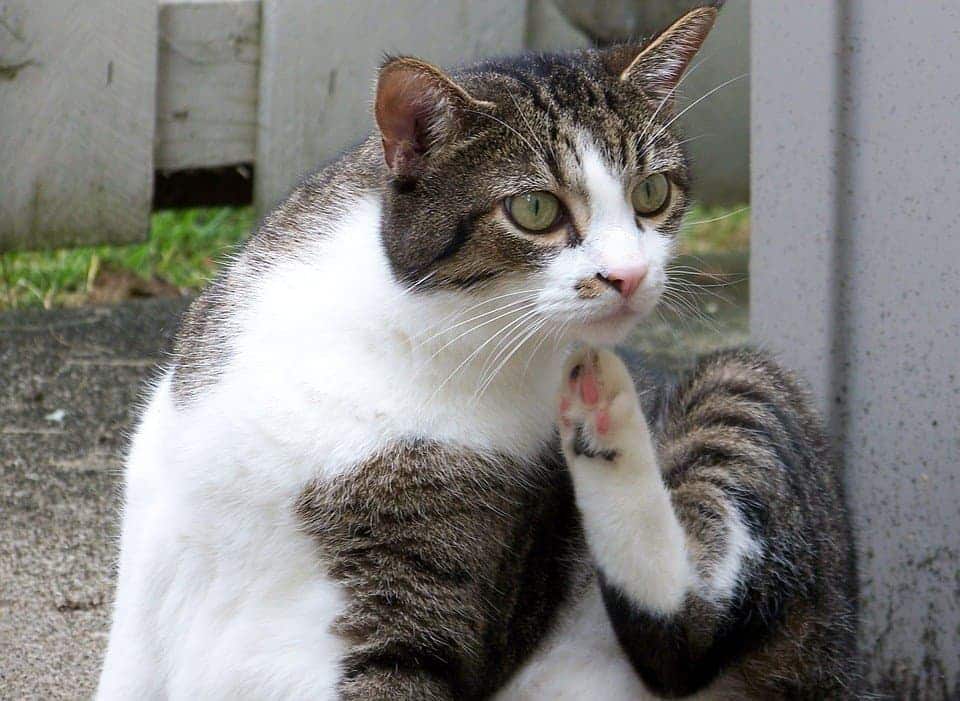
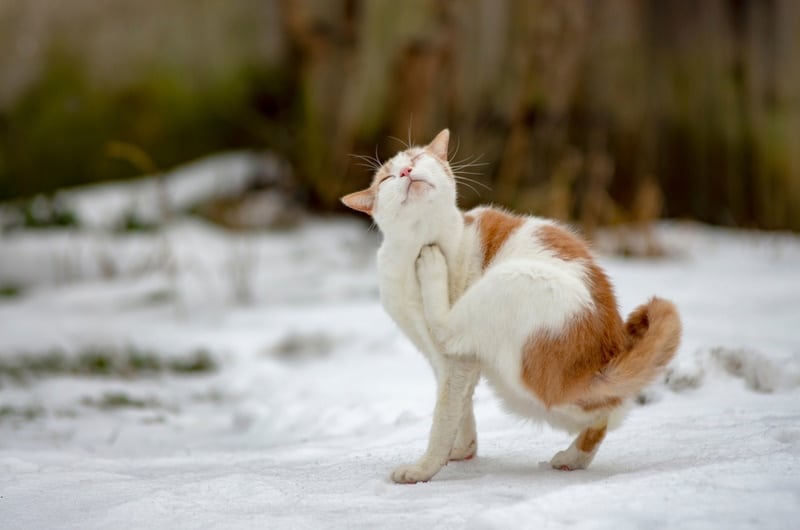
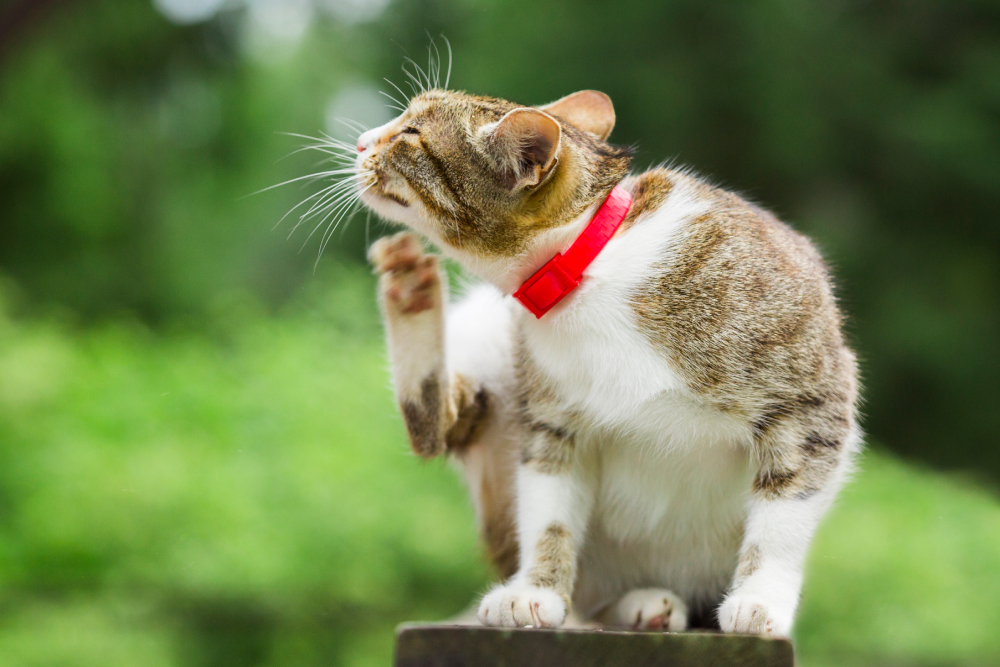
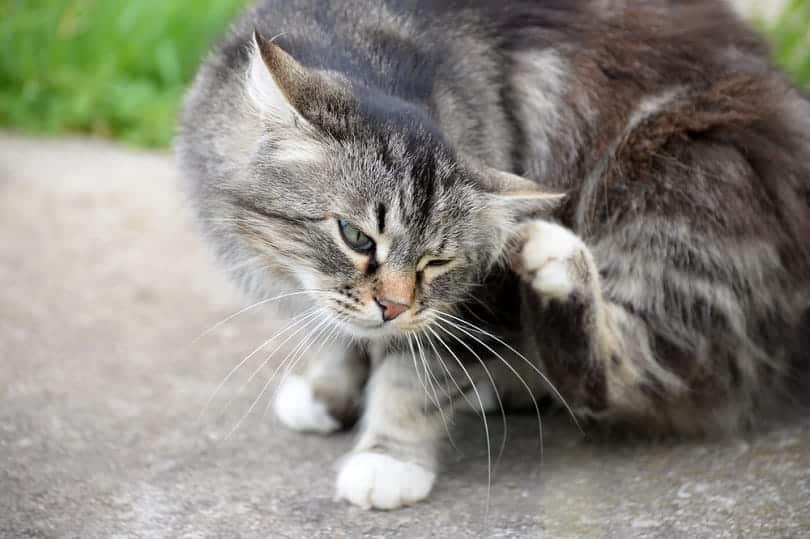
Fleas can be a real pest to deal with once your cat picks them up, and if left untreated, fleas can become very dangerous for pets, leading to anemia and spreading disease. While humans aren’t primary hosts for fleas, that doesn’t mean that they won’t bite you if you’re around. If your cat has fleas, it’s important that you take multiple steps to deal with the problem. The best option for treating fleas is to treat your cat with flea medication from your veterinarian, but many people would prefer to try natural home remedies first. Although there are a few things you can do to help keep a flea problem at bay, the reality is: despite what other websites may claim - no natural remedy will effectively kill or repel fleas on your cat, without also harming your feline friend.
Until the late 1980s, when scientists first worked out how to kill fleas and stop their life cycle, we were fighting a losing battle against these disease-spreading insects. Most ‘natural’ or less expensive flea control products either don’t work at all, or only provide temporary relief for your cat, because they only tackle one part of the flea life cycle. Unless we get rid of the eggs, larvae, and pupae too, there will always be new generations of fleas just waiting to emerge and attack your pet, and because flea pupae can live in the environment for around 6 months, we need to keep on top of our flea control for at least that long to have any chance of eliminating the problem.
Below, we have listed 10 things you can do to help manage your feline flea problem and reduce the chances of them coming back, but if your cat has fleas, the best thing to do is start with a prescription-strength flea product.

The 10 Natural Home Remedies for Cats With Fleas
1. Use a Flea Comb

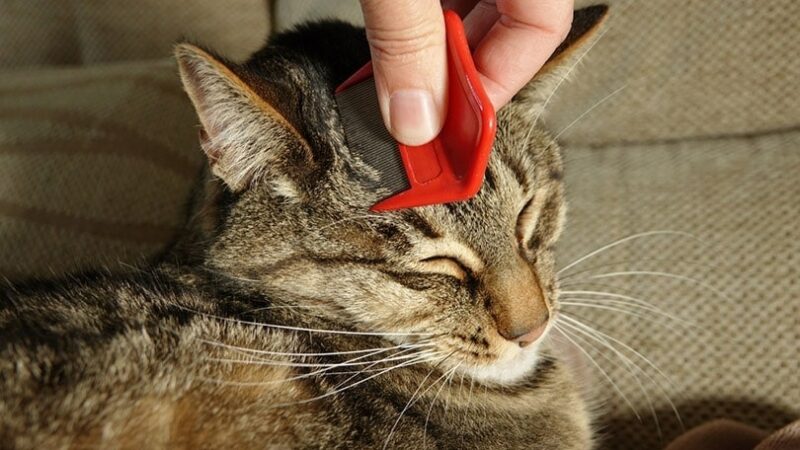
Although flea combs aren’t necessarily natural, they are a good way to reduce the number of fleas on your cat without using harsh chemicals. Aim to brush your cat with a flea comb at least once per day to pull fleas off of them. Keep in mind that a flea comb won’t kill fleas, so keep a bowl of dish-soapy water nearby to dip the comb into, as this will drown the fleas. Brushing your cat on a hard surface, like a tile floor or wooden table, will help to reduce the chances of you losing track of the fleas you brush off.
2. Give Your Cat a Bath
Disclaimer: If you have recently applied a spot-on flea treatment to your cat, DO NOT BATH THEM! Although many products are water-fast after around 72 hours, we recommend waiting at least 14 days before getting your cat completely wet.
It’s no secret that most cats don’t like being given a bath, but bathing your cat can help to reduce the number of fleas on them, as well as help soothe irritated skin. It won’t eliminate the fleas entirely, but it will remove some of them and may make it easier to remove some manually. You can add a sprinkling of Epsom salts or a few drops of Dawn washing up liquid to your cat’s bath to increase its effectiveness against fleas, but do so with caution, as it can irritate the skin and eyes.
Avoid bathing your cat more than once per week while dealing with fleas. Under normal circumstances, most cats don’t need to be bathed. Bathing too frequently can dry out the skin by removing the natural oils from the skin and coat, so make sure to talk to your vet about an appropriate bathing schedule while treating your cat for fleas.
An effective waterless shampoo like Hepper's Cucumber & Aloe No Rinse Shampoo can help you keep your pets clean and healthy. We love this shampoo because it's easy to use, pH-balanced to avoid irritation, and moisturizing. Keep your pet's skin and coat soft and clean with this USA-made shampoo that is free of soap, gluten, synthetic dyes, and more!

- Simply Brush - Waterless cat shampoo / dog shampoo means no rinsing required. Forget the bath! Simply lather through some foam and brush out. Perfect for busy pet-parents and animals afraid of water.
- No Soap - This fresh-smelling dry shampoo for dogs and cats is free from soaps, glutens, dyes, DEA, sulfates and phthalates means it's a hypoallergenic pet shampoo for a dog and cat's itchy skin
- Good for Nervous Pets - You don't want your pet to be afraid of getting clean, so this pet waterless shampoo is ideal for nervous dogs or cats. This waterless shampoo makes getting them clean a snap!
At Catster, we’ve admired Hepper for many years and decided to take a controlling ownership interest so that we could benefit from the outstanding designs of this cool cat company!
3. Clean Your House
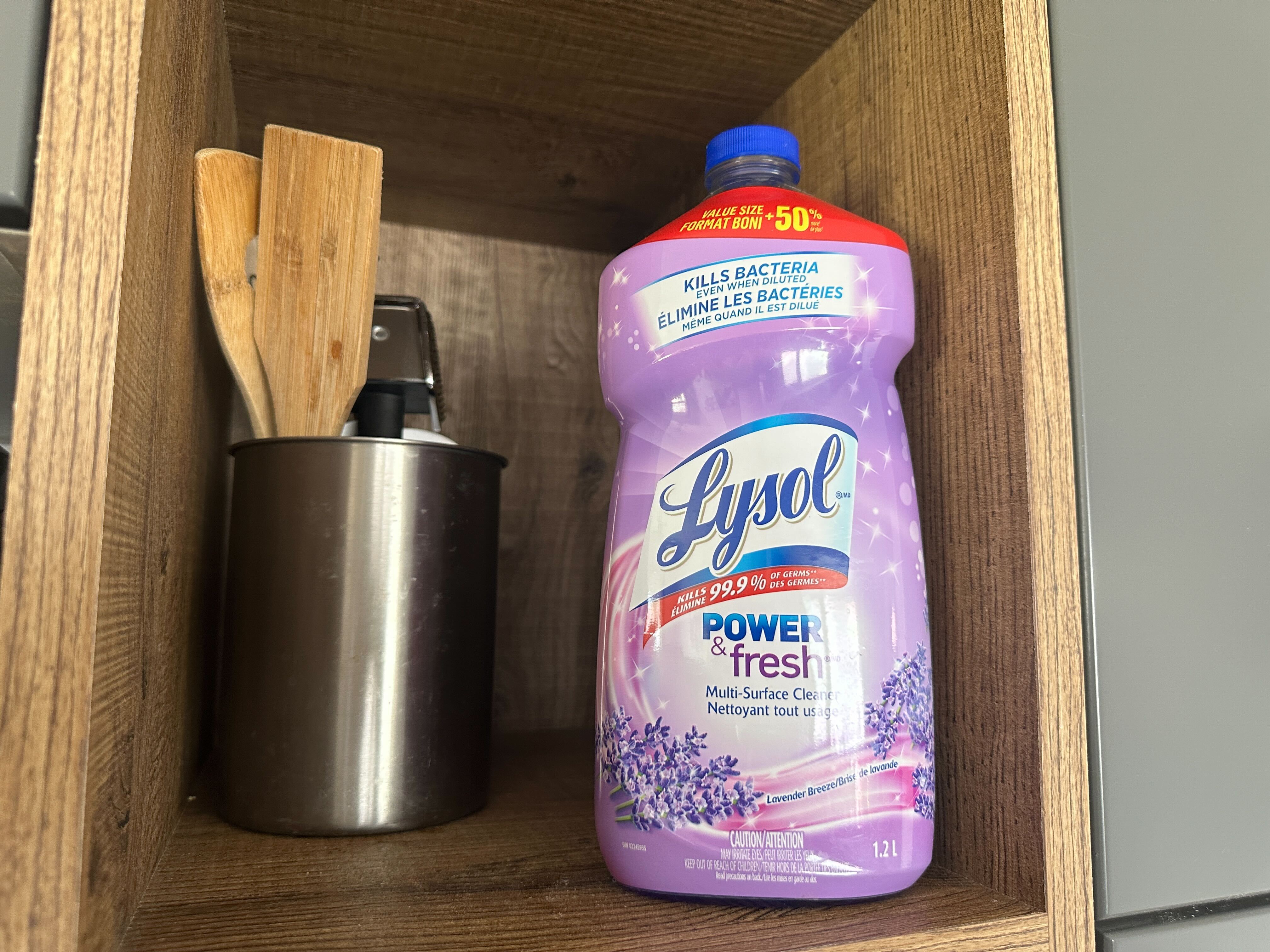
A clean house means less places for fleas to hide. Pick up things laying around, wash clothing and other items on the floor, dust, remove trash, and make sure there are no dark, moist places for fleas to hide and thrive. You should also avoid using any disinfectants with your cat nearby, so be sure to separate them while you’re using these products.
Make sure the outside of your house is clean too. Piles of rubbish or stored items are a great place for fleas to accumulate, so it’s a great excuse for a proper spring clean.
4. Vacuum Everywhere

Fleas can be extremely sneaky pests, finding places to hide just about anywhere. They can settle into carpets, furniture, and other surfaces that allow a comfortable place to hide. Vacuum everywhere you can think of in order to catch as many fleas and eggs as possible. Move furniture, vacuum along baseboards, and get into as many small crevices as you can.
Once you’re finished vacuuming, make sure to throw away the bag outside of your home so they don’t make their way back indoors. If you have a bagless vacuum, then you will need to ensure that all the fleas are dead before bringing the container back into your home.
5. Reduce Fabric in the Home
When there are lots of soft surfaces in your home, then fleas will have more places to hide. Excess fabric around your house can provide fleas with an ideal hiding place. This can include fabric on things like furniture, bedding, and clothing. While you likely aren’t going to want to get rid of all of your clothes or bedding, reducing the extra can help with your flea problem.
For example, avoid letting piles of clothes collect, get rid of blankets and furniture that don’t get used, and keep fabrics clean and put away. If you’ve been thinking about ripping up your old carpet, now might be a good time to replace it with tile or another type of hard flooring.
6. Wash Your Cat’s Bedding

If your cat has fleas, then there are likely fleas hiding in your cat’s bedding. Wash their bedding in hot, soapy water to eliminate fleas. Running the bedding through the dryer afterward can also help eliminate any remaining fleas. If your cat and home have a severe infestation of fleas, then it may be best to throw away all of your cat’s bedding instead of attempting to wash all of it. With a severe infestation, it can be difficult to ensure that all of the fleas are fully killed on fabrics.
7. Thoroughly Clean Areas the Cat Frequents
While you’re likely going to go ahead and disinfect your whole home, provide special attention to the areas that your cat frequents. In and around litter boxes, windowsills, perches, cat trees, near food bowls, and other places where your cat spends a lot of time are some of the places that may need extra cleaning attention from you. Ensure these areas are thoroughly disinfected and vacuumed to make sure no fleas are left behind.
Did you know there's an enzyme cleaner that does it all? The Hepper Advanced Bio-Enzyme Pet Stain & Odor Eliminator Spray permanently removes the very worst smells and stains (truly, everything you can imagine!), and they offer a 100% satisfaction guarantee! Click here to get yourself a bottle.

- ADVANCED ENZYMATIC CLEANER - Penetrates the most stubborn smells and stains at the deepest molecular levels to dissolve any pet mess you encounter and lift it away at the source.
- FOR ANY MESS, ON ANY SURFACE - This pet odor eliminator cleans your carpets, floors, furniture, fabrics, and more. Whether it's urine, feces, vomit, or drool, you can erase all foul spots and smells!
- FRESH, NATURAL ODOR - Our unique formulation doesn't rely on dangerous or unpleasant chemical fragrances to get the job done. We eradicate smells and stains, not just cover them up.
At Catster, we’ve admired Hepper for many years, and decided to take a controlling ownership interest so that we could benefit from the outstanding products of this cool cat company!
8. Don’t Allow Other Animals Into Your Home

Other animals, especially strays, can potentially bring fleas into your home. Don’t allow visiting animals into the house, as they can perpetuate the flea life cycle, especially if they are not on flea treatment themselves.
9. Feed a High-Quality Diet
While a high-quality diet isn’t going to keep your cat from getting fleas or get rid of fleas altogether, cats that aren’t eating a high-quality diet may have a more severe reaction to the presence of fleas. If your cat’s diet is not providing them with all the nutrition they need, then there’s a chance that their immune system may struggle to appropriately respond to a flea infestation. You may see hair loss and extremely itchy and irritated skin if your cat isn’t eating a high-quality diet or if they have allergies to fleas.
10. Examine Other Pets for Fleas

If one of your pets has fleas, it’s safe to assume that the others in the house do as well. In fact, the one that you’re treating might not have even been the original source of the flea infestation. If you want to get the fleas under control, make sure to have all in contact animals treated by a vet.
Natural Flea Solutions For Around The Home
There are quite a few natural remedies that can help repel fleas from your home and garden that are safe to use around your cat, but not on them. You still need to be careful with how and where you use them, so we’ve included links so you can learn more about each item. Again, these generally won’t kill fleas - at least not for very long - but once you have control of your flea problem, they can be a great way to reduce the risks of them coming back.
There are also plenty of natural remedies that aren’t safe to use around cats, so it’s important to do your research.
Natural Remedies For Targeting Fleas Around The Home
| Safe around cats? | Effectiveness | Links | |
| Diatomaceous Earth | Yes | 8/10 | Further reading |
| Boric Acid | Yes | 7/10 | Further reading |
| Epsom Salts | Yes | 4/10 | Further reading |
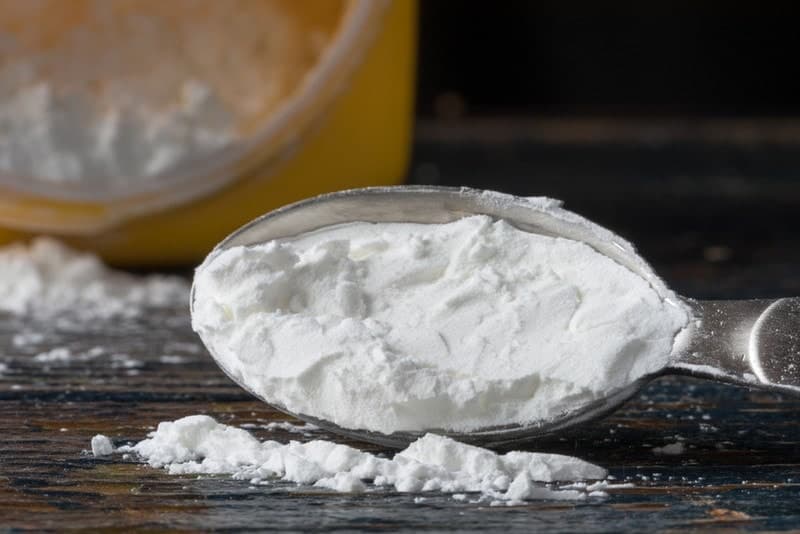
| Corn Starch | Yes | 0/10 | Further reading |
| Apple Cider Vinegar | Yes | 1/10 | Further reading |
| Neem Oil | Not really | 2/10 | Further reading |
| Table Salt | Not really | 4/10 | Further reading |
| Cedar Chips/Oil | Yes | 5/10 | Further reading |
| Peppermint Oil | No | 1/10 | Further reading |
| Lemon Juice | No | 5/10 | Further reading |
| Lavender Oil | No | 2/10 | Further reading |
| Garlic | No | 0/10 | Further reading |
Conclusion
Fleas can be dangerous for your cat, along with the other animals and people in your home. Although we’d all prefer to use fewer chemicals around the home, the reality is that the only way to get good, long term control of a flea problem is by using flea products prescribed by your vet. However, you can combine these products with some safe and natural ways to make your house an unwelcome home for fleas.
Sources
Featured Image Credit: Susan Santa Maria, Shutterstock

Expert cat care, straight to your inbox
Vet-reviewed advice, behavior tips, and the best of Catster. Free, and you can unsubscribe anytime.
By signing up, you agree to our Terms & Conditions and Privacy & Cookies Policy.
Brooke Billingsley, a former veterinary assistant for nine years, became a nurse in 2013. She lives in Arkansas with her boyfriend of five years, surrounded by her beloved pets: three dogs, two cats, five fish, and two snails. Brooke has a soft spot for special needs animals, caring for a three-legged senior dog and a widely known cat with acromegaly and cerebellar hypoplasia. She has developed a keen interest in fish keeping and is always learning how to provide the best environment for her aquatic pets. In addition to her passion for animals, Brooke enjoys gardening and maintains a vegetable garden during the summer. She stays active with yoga and received her 200-hour yoga teacher certification in 2020. Brooke also hosts a podcast that delves into folklore and myth, dedicating her spare time to research and writing. She embraces the philosophy that every day is an opportunity for learning and growth, continually working to acquire new skills and knowledge.
Join the conversation
Ask a question, share your story, or send private feedback.