When to Euthanize a Cat With Seizures: The Difficult Decision & Vet Approved Advice


Seizures in cats can cause a great deal of distress, both to the cat and their human caretakers. Making the decision to euthanize a cat that is suffering from seizures can be one of the most difficult decisions that a pet owner will ever have to make. At the same time, not causing an animal to suffer just so we can spend a little more time with them is the selfless act of love and compassion that they deserve.
A seizure occurs when there is a sudden, uncontrolled electrical disturbance in the brain. It can be caused by various factors, including genetic disorders, infections, or toxins. Seizures can range from mild to severe. Mild ones are more subtle, though they are still distressing to witness. Regardless of the initial severity, the condition can progress and become life-threatening.
Let's look closer at seizure disorders in cats and when you might need to consider euthanasia for a cat that suffers from them.

What Are Some Disorders That Can Cause Seizures in Cats?
Seizures can be caused by different factors, and a useful way to classify these is by differentiating between intracranial and extracranial (inside or outside the brain) causes.1 Intracranial causes include genetic disorders, infections, inflammations, and tumors. Extracranial causes are secondary to metabolic diseases (such as liver or kidney problems, hyperthyroidism, or low sugar levels), heart rhythm abnormalities, or toxins. Epilepsy is the term for when a cat has repeated seizures.
When Is Euthanasia Regarded as a Humane Option?
In many cases, seizures can be managed with medications, depending on the cause. Seizures may stop if they are caused by an underlying problem that can be treated. So, euthanasia is definitely not always necessary unless the cat’s quality of life is significantly affected. Euthanasia is the humane choice when a cat with seizures cannot be adequately treated, meaning that the medication has no effect and the seizures are no longer manageable.
Seizures can be very distressing for both cats and their owners, and if the seizures are becoming more frequent or severe, euthanasia may be the kindest option. It will depend on many factors that will need to be taken into consideration.
Here are a few indicators that you and a vet should have an in-depth conversation regarding euthanasia for your cat:
- The seizures or their consequences greatly interfere with your cat’s quality of life, stopping them from displaying their normal behavior.2
- Your cat has been diagnosed with a terminal illness (with no chance of survival) that causes uncontrolled seizures, and no treatment is available or suitable for them.
- Seizures are of increasing intensity or duration despite trialing every possible treatment.
Seek veterinary advice if you’re concerned about your pet’s well-being.
Making the Decision to Euthanize
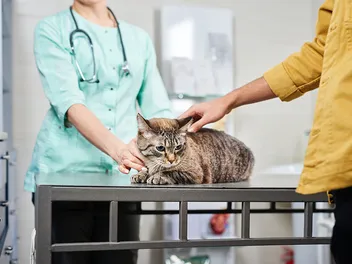
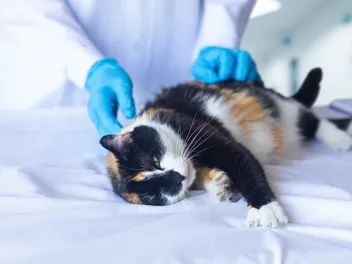
Euthanasia is not an easy decision, but it can be the kindest choice for your beloved companion in certain circumstances. A vet will help you determine if your cat is suffering and if there is no solution. This means that they will put your cat’s needs first and advocate for them while also ensuring that you are informed and comfortable with everything being advised. This way, you can make the best decision for your cat.

The Importance of Quality of Life
When considering euthanasia, it’s important to consider the quality of life for your cat. If seizures are interfering with daily activities and making life difficult for your pet, it’s likely time to make the tough decision to say goodbye. A cat that can't play, can't move around, and can't eat, on top of being sick, likely has a diminished quality of life.
A Walkthrough of the Entire Euthanasia Process From Start to Finish
If after speaking with a vet and considering your options, you have made the decision to euthanize your cat, there are several steps that should be taken to ensure a peaceful and dignified process.
Here is an overview of what to expect:
The team at the veterinarian clinic will be there to guide you through every step of this difficult process and provide support during this emotional time. If you have any questions or concerns about euthanizing your pet, be sure to discuss them with the vet prior to the procedure.
The Bottom Line
If your cat is experiencing a severe reduction in their quality of life and no treatment is possible, it’s time to discuss end-of-life decisions with a veterinarian as soon as possible. The decision to euthanize a beloved pet is never easy, but when the quality of life has been drastically reduced due to an illness or injury, it may be the kindest choice you can make for your furry family member. Be sure to ask questions so that you understand all options available and are prepared for what to expect during and after the procedure. Remember that euthanasia is a peaceful and dignified experience for your pet and take solace in knowing that you made the difficult decision out of love and compassion.
Saying Goodbye
Euthanizing a loved animal is never easy, but remember that it’s the kindest choice when all other options have been exhausted, rather than allowing the cat to continue to suffer until they pass away naturally. Remember to cherish the time you had with your pet, and know that you made the decision out of love and compassion.
Support During Your Grief Journey
The loss of a beloved pet can be emotionally overwhelming, and it’s important to give yourself time to grieve this special bond. The team at the veterinarian clinic will be there to provide support during this difficult time, and they may even have resources available such as counseling services or online support groups. There are also organizations that offer memorial products, such as paw prints or urns for the ashes, if you wish to keep a physical memento of your pet. Remember that everyone deals with grief in their own way; take comfort in knowing that time will ease some of the pain and eventually, bring fond memories instead of sorrow.
Other Ideas for Honoring Your Cat
If you’ve had to euthanize a cat or any other pet, there are many ways, both big and small, to honor their memory.
Ideas include:
These can be meaningful ways to express the love you have for your pet even though they are no longer here. There is no right way to grieve; take comfort in knowing that each person experiences sadness differently. Allow yourself to heal in your own time and in your own way. Remember that although you may feel alone during this difficult time, there are resources available to help make the journey easier.
Conclusion
In most cases, seizures in cats can be managed successfully with medication. However, depending on the cause and the severity, euthanasia may be something you want to consider to prevent your cat from suffering. Making the decision to euthanize a beloved pet is one of the hardest decisions you will have to make as a pet owner. It can be an emotional time, but it's important to remember that you are making this decision out of love and compassion for your fur family member.
Working closely with a vet team you trust is essential in order to ensure that your pet receives the best care throughout the process. If you have any questions or concerns about euthanasia, don't hesitate to ask so you understand all available options and what to expect during and after the procedure.
Thank you for taking the time to read this article, and good luck on your journey ahead.
Featured Image Credit: Cheryl Ann Studio, Shutterstock
Expert cat care, straight to your inbox
News, insights, and useful advice, delivered to you.

No spam — unsubscribe anytime.
By signing up, you agree to our Terms & Conditions and Privacy & Cookies Policy.
How useful was this post?
Click a star to rate. You can leave written feedback afterwards. (We read all feedback.)
Christian started writing for a local newspaper as a teenager, and he's been involved in the publishing industry for most of his adult life. Combining his love of writing with a passion for animals, he is currently the Director of Editorial at Pangolia and the Editor-in-Chief at Catster.
Christian lives in the Philippines with his wife, son, and four rescue cats: Trixie, Chloe, Sparky, and Chopper.