How to Tell If a Cat Is in Heat: 6 Vet-Verified Signs to Look For



In this article
We love our cats, but if you own an unspayed female cat, as soon as she’s old enough, she will go into heat and you will surely notice some quite evident changes in her. These hormonal changes begin around 4.5 to 7 months of age, and your cat will stay in heat off and on well into her old age if you don’t have her spayed.
In most cases, your cat will go into heat every 14 to 21 days during the mating season. During this time, your cat can get pregnant and soon present you with darling little kittens that you might or might not want.
What are the signs that your cat is going into heat? Is it possible to tell? Yes, it is. We’ll answer these questions and more below, so join us.

The 6 Signs to Tell If a Cat Is in Heat
1. More Affectionate & Mating Position

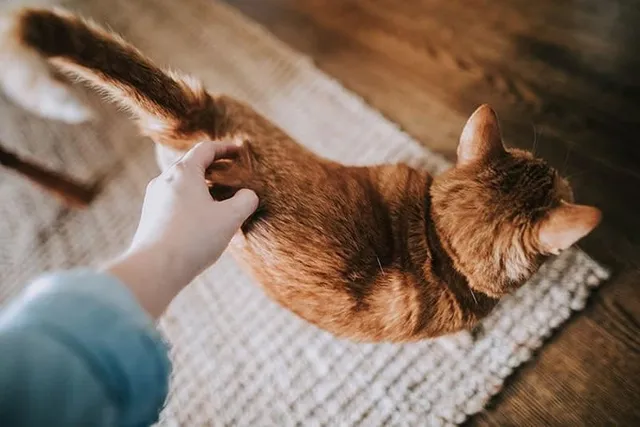
Most female cats become super affectionate when they are about to go into heat. The cat will start rubbing her hindquarters on furniture, other cats, stuffed toys, and even you on occasion.
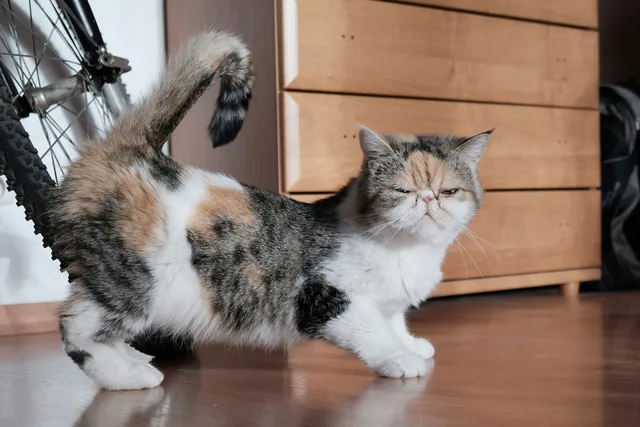
You will notice the mating position by the posture your cat presents. She will put her head down with forelegs bent and will raise her hindquarters and lift her tail and keep it on one side to expose the genitals. This is a sure sign that your feline friend is in heat.
2. Grooming Excessively
Female cats in heat will walk through the house, meowing loudly. This is their way of calling a male to come to mate with them. This vocalization will go on for more than a few days unless she finds a male cat to breed with. If your cat suddenly stops this loud calling and she has mated with a male cat, you may have kittens on the way. If she has had no contact with a tom cat, she will be starting her interestrus, which is the period in between estrus.
3. Marking Her Territory
While this isn’t widely known, female cats mark their territory when they are in heat. The cat will lift her tail back up to a vertical surface, quiver, and spray the surface, whether it’s your couch, a wall, or you. This is normal behavior for a cat in heat, though it’s not good for you or your furniture.
4. Very Loud Vocalization

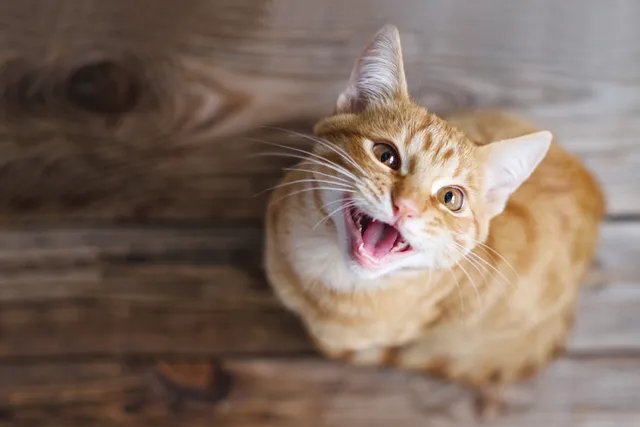
Female cats in heat will walk through the house, meowing loudly. This is their way of calling a male to come to mate with them. This vocalization will go on for more than a few days unless she finds a male cat to breed with. If your cat suddenly stops this loud calling, you may have kittens on the way.
5. Loss of Appetite
Since your cat has other things on her mind, you might also see a decrease in her appetite. Her instinct is shifting her focus to reproducing instead of eating. While this can be considered normal behavior, it shouldn’t stop her from eating completely. A decrease in appetite should go on for no more than her heat period. If the behavior continues, it’s best to contact a vet to see if there’s an underlying cause for her loss of appetite instead of being in heat.
6. Trying to Escape
The last thing you need to be careful of with a cat in heat is the need to escape. Her hormones will cause her to bolt if she sees the door open in your home. If your cat isn’t used to being outside, she might get lost or not make it back. Ensure that you keep all escape routes locked and blocked until your cat is out of heat, and very importantly, make sure your cat is microchipped because you never know what can happen.
Frequently Asked Questions (FAQ)
Now that you know the signs to look for that tell you your female cat is in heat, we’ll answer a few of the most common questions about cats in heat below.
How Long Are Cats in Heat?
On average, cats are usually in heat for 1 to 2 weeks followed by a period of rest before they start a new cycle. However, that cycle can vary depending on the cat. If the cat doesn’t mate, the cycle will start again and happens every 2 to 3 weeks. The breeding or mating season is also variable. In the U.S., it goes on approximately from February until November, when the days are longer.

How Can You Prevent a Cat in Heat From Becoming Pregnant?
This is a tricky one. A cat in heat will do everything in her power to get out and find a mate. The best thing you can do is make sure all cat flaps are locked and secure and that no doors are left standing open. Not only will your female cat try to get out, but male cats will come from miles around to see her.
How Old Does a Cat Need to Be to Be Spayed?
The best way to prevent a female cat from becoming pregnant is to have the cat spayed. It would be best to spay or neuter cats between 4 and 6 months of age, right before they reach sexual maturity.
Conclusion
It’s not that hard to tell when a female cat is in heat. She’ll be overly affectionate with everything and everyone, adopt strange postures, vocalize very loudly, and try to get out of any exit point she can. This is normal behavior for your feline friend, as it’s an instinct for her to want to breed.
However, if you don’t want kittens from your feline, it’s best to have her spayed as soon as she is old enough to have the procedure. If you don’t have her fixed, she can easily get pregnant, resulting in unwanted kittens and an excessively young mother who is not yet ready for such a situation.
Sources
Featured Image Credit: New Africa, Shutterstock
Expert cat care, straight to your inbox
News, insights, and useful advice, delivered to you.

No spam — unsubscribe anytime.
By signing up, you agree to our Terms & Conditions and Privacy & Cookies Policy.
How useful was this post?
Click a star to rate. You can leave written feedback afterwards. (We read all feedback.)
Kristin is passionate about helping pet parents create a fulfilling life with their pets by informing them on the latest scientific research and helping them choose the best products for their pets. She currently resides in Tennessee with four dogs, three cats, two fish, and a lizard, though she has dreams of owning chickens one-day!