Does Fish-Flavored Cat Food Cause Hypothyroidism? Vet-Approved Facts


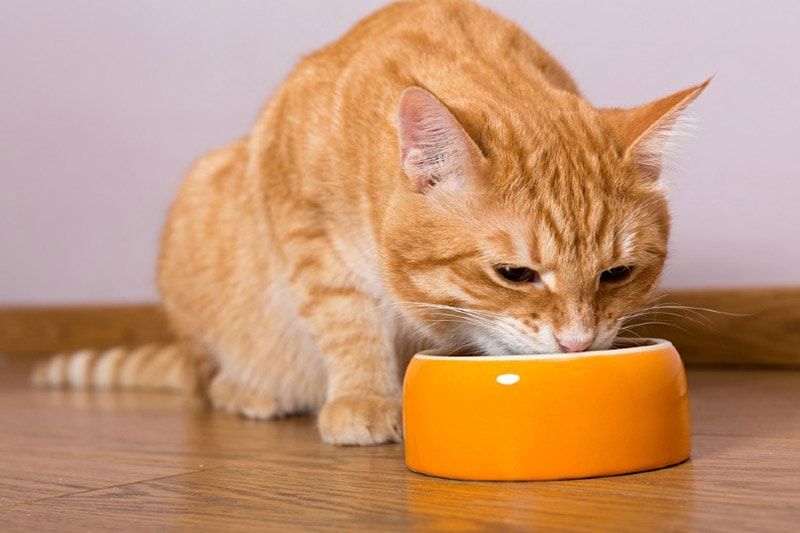
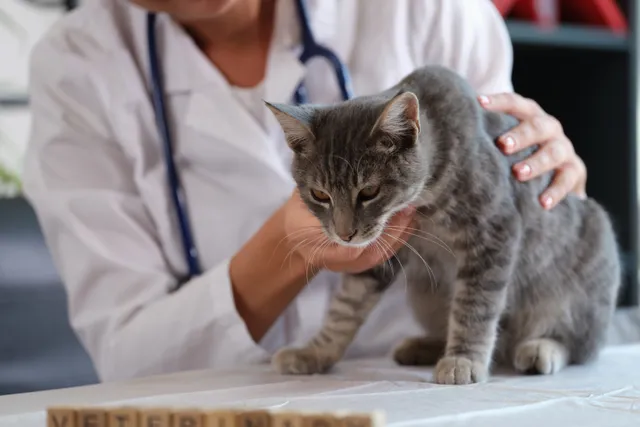
Just like humans and dogs, cats can suffer from hypothyroidism, though it is quite rare. This endocrine disease is mainly due to the decrease in the secretion of thyroid hormones, which when in short supply, cause an imbalance in the various functions of the cat's body.
Although some cat owners may be concerned about the potential link between fish-flavored cat foods and hypothyroidism, there is no scientific evidence to suggest that it is a causative factor. That said, there are a few studies that suggest a link between fish-flavored cat foods and hyperthyroidism in cats1.
So, let's review the role of the thyroid gland in cats, hypothyroidism vs. hyperthyroidism, and whether fish-flavored cat food plays a factor.

What Does the Thyroid Gland Do in Cats?
The thyroid gland produces a hormone essential for regulating the metabolism of your cat’s body. To make this hormone, it needs iodine, which is provided to your feline through their diet.
If this hormone is produced in too low quantities, the body begins to suffer the consequences. This endocrine disease is called hypothyroidism.

What Is Hypothyroidism in Cats?
Hypothyroidism is a condition in which the thyroid glands, located in the neck, do not produce enough thyroid hormones. These play a crucial role in regulating metabolism and growth. Therefore, when they are lacking, the overall health of the cat can be negatively affected. Hypothyroidism can be present at birth (congenital) or acquired. The most common acquired cause is when a cat has hyperthyroidism and has a treatment that "overcorrects" the issue, causing them to have hypothyroidism.
However, this type of endocrine disease is rather rare in cats.
How to Recognize Hypothyroidism in Cats
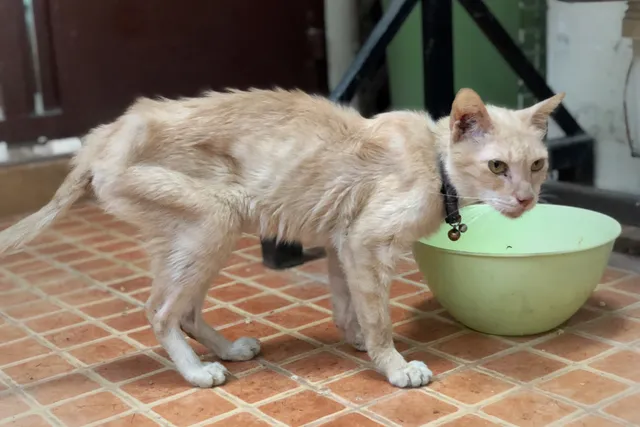
Cats with congenital or acquired hypothyroidism may exhibit the following signs:
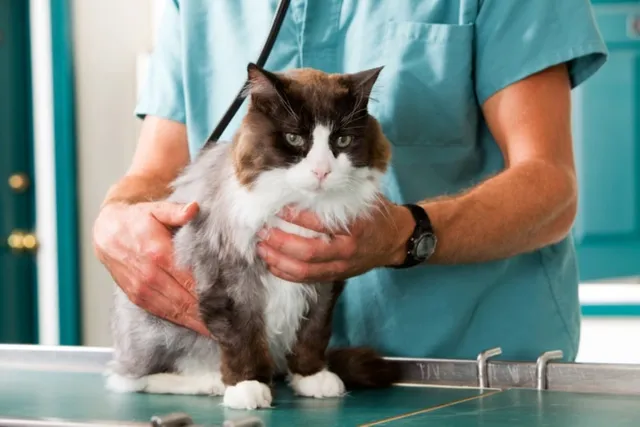
If you have any concerns about your cat's health, it's always best to consult your veterinarian, who can provide a proper diagnosis and recommend appropriate treatment options.
Hyperthyroidism Complications
At the other extreme, when the glands produce too much thyroid hormone, the cat's whole body goes into overdrive and may struggle to keep up. This can lead to complications in various systems:
This can lead to complications in various systems:
This is called hyperthyroidism, and it is the most common endocrine disease in cats. It is characterized by an excess of thyroid hormones in the blood and by an abnormal enlargement of the thyroid gland.

What the Research Says About the Causes of Hyperthyroidism in Cats
According to the American Animal Hospital Association, it's hard to know for sure what causes hyperthyroidism in cats, but a 2016 study published in the American Chemistry Society’s Environmental Science & Technology journal suggested a link between this endocrine disease and fish-flavored cat food.
The researchers evaluated samples of feline blood and fish-flavored cat food and identified derivatives of polychlorinated biphenyls and polybrominated diphenyl ethers that may be linked to hyperthyroidism in cats. They concluded that “the by-products that were detected at high levels in the cats' blood samples likely came from fish-flavored
food.”
Moreover, researchers in another study looked at the medical records of about 100 cats with hyperthyroidism and compared them to 163 control cats (ones without hyperthyroidism). The study aimed to determine if environmental or dietary factors played a role in the development of hyperthyroidism in cats. The researchers found that “cats that prefer to eat certain flavors of canned cat food
may have a significantly increased risk of hyperthyroidism.”
Therefore, while these studies aren't definitive proof that fish-flavored foods can contribute to the development of hyperthyroidism in cats, it's probably best to buy other food options for your beloved kitties if you are concerned about their thyroid function.
Tips for Caring for a Hypothyroid Cat

If your feline companion has hypothyroidism, you can help improve their quality of life with the following tips. That said, be sure to get an accurate diagnosis from your veterinarian first, as this type of endocrine disorder is rare in cats:
- Follow your veterinarian's treatment plan: This type of treatment aims to restore normal blood levels of thyroid hormones. This is usually done by giving an oral thyroid medication supplement, either in liquid or tablet form.
- Monitor your cat's weight: Hypothyroidism can lead to excessive weight gain, so it's essential to monitor your cat's weight and adjust their diet as needed. Your veterinarian can help you determine the appropriate amount and type of food for your pet.
- Play with your cat: Exercise can help your pet maintain a healthy weight and improve their overall health. Encourage your cat to play, and do regular activities with them, like using interactive toys or chasing a laser pointer.
Bottom Line
Although there is some scientific evidence to suggest that fish-flavored cat food may increase the risk of hyperthyroidism in cats, there is currently no link between this food flavor and hypothyroidism. Indeed, the causes of hypothyroidism in cats are mainly related to a congenital anomaly or an acquired form, which is usually iatrogenic and related to treatment for hyperthyroidism.
Fortunately, this rare endocrine disorder in felines can usually be treated with appropriate oral thyroid medication. Cats with hypothyroidism should be fed a high-quality diet as recommended by their veterinarian, but whether it is fish flavored or not doesn't seem to matter.
Featured Image Credit: Okssi, Shutterstock
Expert cat care, straight to your inbox
News, insights, and useful advice, delivered to you.

No spam — unsubscribe anytime.
By signing up, you agree to our Terms & Conditions and Privacy & Cookies Policy.
How useful was this post?
Click a star to rate. You can leave written feedback afterwards. (We read all feedback.)
Genevieve is both a biologist and a science writer, driven by her deep love for capuchin monkeys, pumas, and kangaroos. Her dedication to wildlife has taken her across the globe, from Bolivia and Guatemala to Canada and Australia, working and volunteering at various rehabilitation centers. As a Canadian living in Argentina, Genevieve starts her days with horses and cows greeting her from the plains outside her home office. She is the proud parent of three rescued dogs—Lemmy, Nala, and Pochi—and an energetic kitten named Furiosa. The opportunity to share her passion and expertise in animal care brings her great satisfaction.