Get

In Your Inbox

Catster is reader-supported. When you buy via links on our site, we may earn an affiliate commission at no cost to you. Learn more.

How to Tell if Your Cat Has Diabetes: 7 Vet-Reviewed Signs to Look For

Share

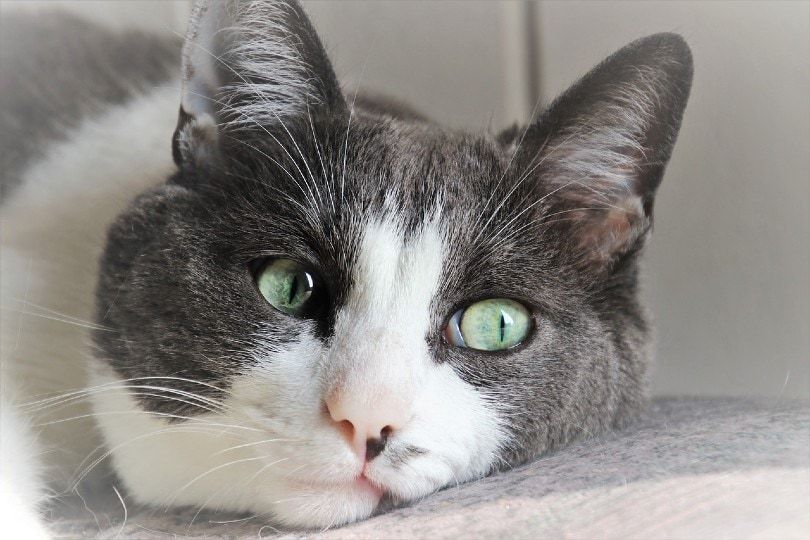
cat_pasja1000, Pixabay

As cat owners, we want our cats to be healthy and safe. However, a cat owner must know what signs to watch out for that could suggest poor health. For instance, many cats, especially older ones, may develop diabetes mellitus. On average, it is estimated that about one in every 230 cats will get diabetes. Below, we’ll show you seven signs that may indicate a cat has diabetes.

divider cat paws oct 2024

Type I vs Type II

Like humans, cats can have two types of diabetes: Type I and Type II. Type I means the cat’s body doesn’t produce enough insulin. Type II means the cat’s body doesn’t properly respond to the insulin produced. Cats more commonly have Type II diabetes than Type I.

The 7 Signs Your Cat May Have Diabetes

The idea of diabetes can be scary, but veterinarians can provide treatments and advice on managing clinical signs associated with the disease.

1. Frequent Urination

If your cat goes to the bathroom more often, it might be a sign of diabetes, which also causes increased thirst. If you notice your cat urinating and drinking more, take your pet to the veterinarian.

male norwegian forest cat peeing outdoor
Image Credit: Elisa Putti, Shutterstock

2. Lethargy or Weakness

Lethargy is another symptom of diabetes. A lively cat that suddenly becomes less active is a reason for concern. This applies to how your cat walks. For example, a cat walking flat on its hind legs (plantigrade stance) or tripping may be a sign that they have diabetes. If left untreated, it could lead to permanent paralysis of the hind legs.


3. Change in Appetite

A cat eating more than usual or less often can be a sign of diabetes. Several factors can affect your cat’s appetite, but you shouldn’t risk your cat’s health by assuming the condition will improve.

yellow sad sick cat
Image Credit: Nikolay Bassov, Shutterstock

4. Rapid Weight Change

Rapid weight loss or gain is a common sign of diabetes in cats. The more overweight a cat is, the more symptomatic they may be.


5. Vomiting

Vomiting is an obvious sign your cat is sick, and it’s also a symptom sometimes seen with severe cases of diabetes. If your cat begins vomiting, get them to a vet as soon as possible.

cat-vomiting
Image Credit: Tunatura, Shutterstock

6. Using the Bathroom Outside of the Litter Box

A cat using the bathroom outside of the litter box could mean the lethargy and weakness brought on by the diabetes is making it harder for them to get to the litter box.


7. Lack of Interest

If your cat usually enjoys playing and suddenly doesn’t care anymore, then you should talk to a vet. A sudden change in personality could be due to fatigue brought on by diabetes.

divider cat paws oct 2024

Treatment

The typical treatment for a cat with diabetes is once- or twice-daily insulin injections. You will also need to keep your pet on a strict, low-carbohydrate diet to keep them at a healthy weight and maintain glucose levels. These treatments are instrumental in reducing symptoms to keep your cat healthy and happy.

If you’re worried about your cat’s lifespan, you need not fret. A properly medicated diabetic cat may have a life expectancy of 13 to 17 years.

divider cat paws oct 2024

Final Thoughts

Diabetes is a serious condition, and if your cat exhibits these signs, you need to bring them to a vet. With proper treatment, your cat can live their life as comfortably as it did before and may even go into remission.

See Also: 


Featured Image Credit: pasja1000, Pixabay

Want content like this delivered to you?

Sign Up For Our Newsletter

News, insights, expert advice, and everything cat

* By submitting, you agree to our Terms & Conditions and Privacy & Cookies Policy.


How useful was this post?

Click on a star to rate (you can leave written feedback after clicking submit)

Help us improve Catster for pet parents!

Your feedback really matters.

What did you like about this post? Also how can we improve it?

Join the conversation

2 Responses

  1. I have a 17 year old long-haired Russian Blue beauty and she has diabetes. She also has arthritis in her hips because she once weighed almost 21 lbs. I have been giving her 2 1/2 units of insulin every 12 hrs. for about a week. She still urinates outside of her box. She gets right into the box and uninates right on the edge, sometimes urinating over the edge, so I put puppy urine pads down. I just ordered her a sleeping pad with infra-red heating to help her with the arthritis. Will this help to eliminate the urinating outside of the box? The box is 24 inches x 18 inches and the walls of the box are only 8 inches high.

    1. Hi Donald. It is very common for senior cats with both diabetes and arthritis to struggle with "edge-of-the-box" accidents, as the high urine volume from diabetes (polyuria) combined with the physical pain of squatting creates a perfect storm for missing the target. While your new infrared heating pad is an excellent investment that will likely improve her mobility and comfort levels, it is unlikely to stop the accidents on its own if the physical act of climbing into and posturing in an 8-inch box remains painful. Since a 17-year-old cat with hip arthritis often finds it difficult to sustain a deep squat, she likely stands taller while urinating to relieve pressure on her joints, causing the stream to go over the side. We suggest switching to a low-entry, high-walled litter box—often made by cutting a wide "walk-in" notch into a large plastic storage tote—which allows her to enter without lifting her legs while the high back and sides catch any "high-aim" urination.

Leave a Reply

You’re very welcome to leave a comment or question. Please know that all comments must meet our community guidelines, and your email address will NOT be published. Let’s have a positive and constructive conversation.


Catster's Digital Magazine is Back!

Vet-approved health & behavior advice

Real cat stories & community features

Weird Cat Behaviors That Actually Make Perfect Sense

We have been sharing our lives with cats for thousands of years, yet we still find ourselves genuinely stumped by what they get...

The Dream of Talking to Cats Just Got Closer to Becoming a Reality

If you’ve ever wished your cat could simply tell you what they wanted, you’re not alone. From the meow that wakes you before...

Kizzy: The Feline Princess With a Purpose

We were first introduced to Miss Kizzy after she won a licky-treat challenge hosted by Professor Fluffovich, our resident feline research specialist. While...

Chatting With Sally About Mission Meow & Helping Cat Rescue Organizations Collaborate | Chatty Cattys, Episode 24

In this episode of Catster’s podcast, Chatty Cattys, Nicole and Dr. Karyn sit down with Sally Williams, the founder of Mission Meow, for...

More related

Nom Nom Cat Food Review: Recalls, Pros, Cons & Verdict

Disclaimer: Nom Nom has discontinued its fresh cat food recipe and is no longer taking orders. Nom Nom hopes to return to providing...

How to Care for Your Cat After Spaying or Neutering: 12 Vet-Approved Tips

If you’re bringing home a kitten, spaying or neutering is probably on your to-do list. Spaying is a procedure that prevents female cats...

How Far Apart Can Kittens Be Born? Vet Verified Facts

The amount of time a cat is in labor varies, but most kittens can be born between minutes to about an hour apart....

Can Cats Eat Honeydew? Vet-Reviewed Facts & FAQ

When you think of cat treats, fruit might not be at the top of your list. Cats are obligate carnivores; they get pretty...

Keep reading

Does Apple Cider Vinegar Help Upper Respiratory Infection in Cats?

Apple cider vinegar is often praised for its health benefits, and many people will use it as a holistic remedy for certain ailments. Apple cider vinegar is safe for cats, and it may help with some mild cases of upper...

apple cider vinegar in a bottle

Are Rubber Plants Toxic to Cats? Vet-Reviewed Houseplants Examined  

The American rubber plant (Peperomia obtusifolia) is native to South America. However, it will flourish indoors with proper humidity and adequate sunlight. This plant is also called a baby rubber plant and a pepper face plant. Your cat may take...

Catster_Are Rubber Plants Toxic to Cats

Why Is My Cat Losing Hair? 8 Causes & Treatments (Vet Approved)

Hair loss in cats, officially known as alopecia, is a fairly common occurrence. The range of how much hair is lost and on what parts of a feline’s body can vary widely, however, and this largely depends on the exact...

pet hair brush with pet fur clump after grooming cat on the floor

8 Best Cat Cone Collars of 2026: Reviews & Top Picks

If your cat is licking a spot on their body to the point of baldness or they are recovering from surgery, you’ll need to use a cone collar, also known as an e-collar and the “cone of shame.” It effectively...

orange-cat-with-veterinairy-cone

Can Cats Eat Pecan Pie? Vet-Approved Facts & FAQ

Pecan Pie is a delicious dessert traditionally served in the United States during the winter and fall. It is mouth-wateringly sweet and contains pecans, eggs, molasses, corn syrup, brown sugar, butter, and vanilla extract. Some recipes even call for bourbon...

Can Cats Eat Pecan Pie

Can Cats Eat Cheez-Its? Vet-Verified Nutrition Facts & Considerations

Our pets are like family members to us. They join in on quality time with the rest of the kids and adults and often become the center of attention with their hilarious antics. However, when it comes to sharing your...

Can Cats Eat Cheez-Its

Where Do I Put My Cat’s Bed? 5 Vet-Approved Ideal Spots

Cats are drawn to all kinds of weird spots in the house, and cat owners understand how much they love to nap. You can find them basking in the sunlight on a sun-drenched windowsill, curled up in the top corner...

tabby cat sleeping in basket cat bed by window

Does Lavender Oil Kill Fleas on Cats? Vet-Reviewed Effectiveness & Safety Explained

When your cat has a flea infestation, it can be tempting to look for an all-natural cure like lavender oil. However, lavender oil is much more adept at repelling fleas than killing them, so any usefulness from this essential oil...

lavender essential oil

Love Cats? So Do We! Join the Catster Community

Stay informed with expert pet care insights delivered straight to your inbox! Discover professional guidance on animal behavior, feeding tips, trusted product picks, and much more.


Sign up for the Catster Email Newsletter

Stay informed with expert pet care insights delivered straight to your inbox! Discover professional guidance on animal behavior, feeding tips, trusted product picks, and much more.