How to Prevent Diabetes in Cats: 7 Vet-Reviewed Tips


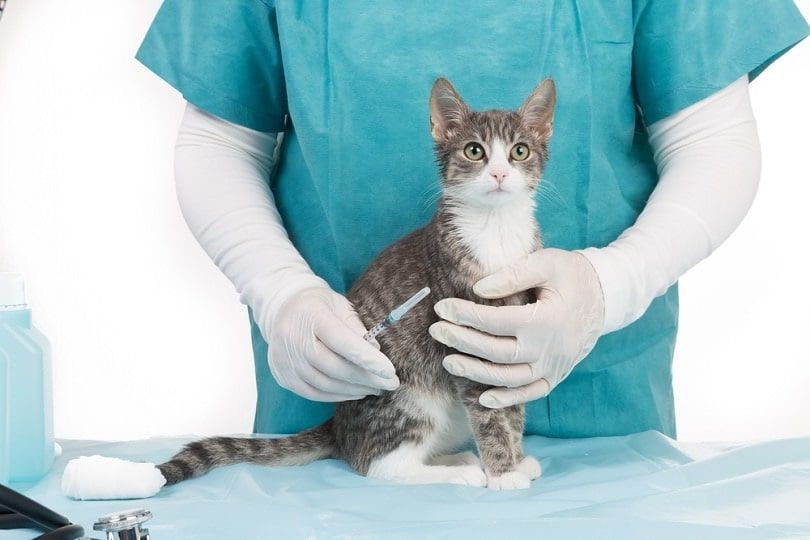
Feline diabetes is a severe illness that can drastically decrease cats' quality of life. Pets with this condition cannot properly use glucose because they don't produce enough insulin or because their bodies have become resistant to the hormone.
It's a progressive condition that requires lifetime management. Thankfully, you can take a few steps to minimize the likelihood of your cat developing diabetes, such as doing all you can to keep them at an appropriate weight and feeding them high-quality food that's high in protein and low in carbohydrates. Below, you'll find seven tips that can help reduce your cat's chances of developing this difficult-to-manage condition.

The 7 Vet-Approved Tips on How to Prevent Diabetes in Cats
1. Prevent Weight Gain

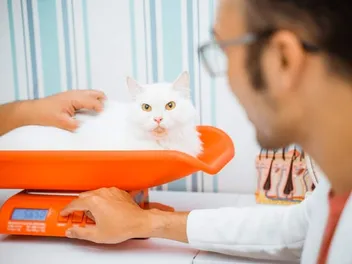
Obesity is a risk factor for developing diabetes; good weight management is critical to decreasing cats' chances of being diagnosed with the condition. Preventing cats from getting too big in the first place is usually far easier than trying to get them to cooperate with weight loss plans.
Calculating how much they need to eat using the information provided on the food packaging and measuring how much they're given can ensure they're consuming the right amount of food. Because overweight cats can become sick if they don't eat enough, any weight loss program should be developed and implemented with veterinary guidance.
2. Stick With Healthy Food
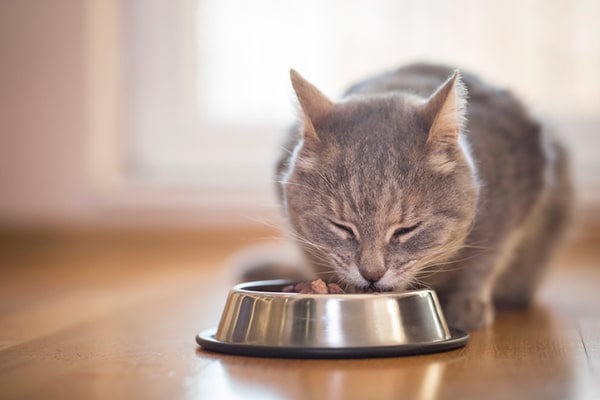
A diet that's low in carbohydrates and high in protein is believed to be the least likely to produce insulin resistance, which leads to diabetes. Wet food tends to have lower carbohydrate counts than dry food, and low-carb and high-protein formulations can also be helpful.
Veterinary guidance should always be sought before changing cats' diets since some formulas aren’t appropriate for all cats.
3. Provide Daily Exercise
Being an indoor cat is considered a risk factor for developing diabetes, which makes sense as they generally have fewer opportunities to run, jump, and engage in active pursuits. Exercise helps keep cats engaged and happy, but getting enough of it is also crucial for their overall health and well-being.
It's a critical part of ensuring cats stay at appropriate weights. A few 10 or 15-minute daily workouts, also known as play sessions, are ideal.
4. Head to the Veterinarian for Regular Checkups
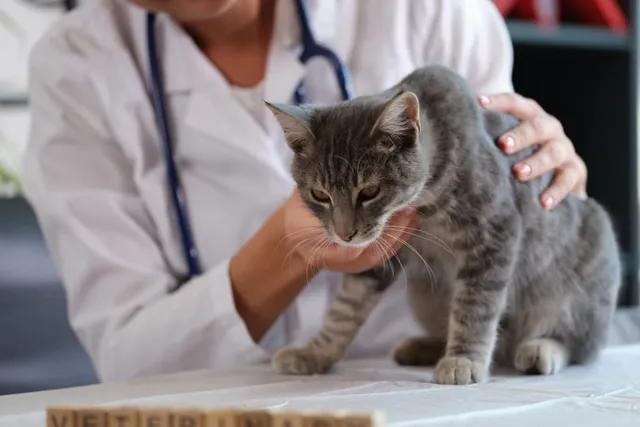
While any cat can get diabetes, it's most often seen in older pets. The condition can be diagnosed relatively easily using blood and urine tests. Healthy adult cats should see the veterinarian at least once a year, and seniors should see the veterinarian at least two times to be safe.
Cats between the ages of 7 and 10 are generally considered middle-aged, while those aged 11 to 14 are frequently described as seniors. Pets that celebrate their 15th birthdays get to enter the geriatric club.
5. Be Extra Vigilant With Cats on Steroids

Some steroids can contribute to the development of diabetes. Vets prescribe them to manage inflammatory conditions such as asthma. Because cats that regularly take steroids have an increased risk for developing diabetes, it's essential to take active steps to reduce their vulnerability, such as paying attention to weight management.
Short-term side effects of steroid use include changes in appetite and behavior, as well as decreased immune responses. Over time, the medications can cause muscle weakness and skin problems. With extended use, they can also increase cats' risk of developing secondary infections.
6. Manage Potentially Contributing Conditions
Conditions such as chronic pancreatitis can set off diabetes in some cats. Staying on top of and appropriately managing health issues can reduce the likelihood of cats developing blood sugar problems.
Ensuring cats with these conditions take medications as prescribed and have regular veterinary checkups can lower their risk of developing diabetes.
7. Know What to Look For

Diabetes in cats can often go into remission if it's caught early enough and treatment is started in time; these lucky kitties no longer require insulin therapy to manage their blood sugar levels. Because the disease responds well to early treatment, knowing the signs and letting your veterinarian know if you observe any can increase the chances of problems being caught and treated as quickly as possible.
Common signs include weight loss while eating more, going to the bathroom frequently, and producing lots of urine. Cats with the condition also drink more water and are sometimes lethargic.
Conclusion
Cats with diabetes are unable to use insulin properly; some do not produce enough of the hormone, and others become resistant to its effects. Overweight cats who don't get enough exercise are at increased risk of developing the disease, as are pets who consume carbohydrate-heavy diets.
Ensuring cats stay trim and eat protein-rich, healthy diets are two easy steps that can help keep diabetes and other chronic conditions from getting started.
Sources
https://www.petmd.com/cat/conditions/digestive/why-your-cat-cant-go-without-food
https://vetmed.tamu.edu/news/pet-talk/preventing-diabetes-in-cats/
https://www.petmd.com/cat/general-health/what-expect-when-your-kitty-becomes-senior-cat
https://www.petmd.com/cat/conditions/endocrine/c_ct_diabetes_mellitus
https://vcahospitals.com/know-your-pet/steroid-treatment-long-term-effects-in-cats
Featured Image Credit: bmf.foto.de, Shutterstock
Expert cat care, straight to your inbox
News, insights, and useful advice, delivered to you.

No spam — unsubscribe anytime.
By signing up, you agree to our Terms & Conditions and Privacy & Cookies Policy.
How useful was this post?
Click a star to rate. You can leave written feedback afterwards. (We read all feedback.)
Lorre Luther is a writer who is firmly convinced that cats are smarter than humans. She left her law career in the United States and moved to the Netherlands to follow her dream of becoming a writer. Lorre currently lives in Rotterdam, she enjoys traveling and greatly appreciates the beauty of nature. Lorre has a spot for animals and admires the intelligence of cats.