Do Cats Like Eucalyptus Scent? What You Should Know!


In this article
Cats have an acute sense of smell that they rely on for communication and gathering information about their surroundings. It’s no secret that cats are biased toward some smells, like their food and the rotisserie chicken that’s about to be served for dinner.
They are also known for being drawn to the smells of certain plants, especially catnip. If they favor certain smells, what about the scent of eucalyptus? It’s common for humans in the household to use eucalyptus products, especially during cold and flu seasons. So, what about eucalyptus and cats? Do cats like the eucalyptus smell?
Cats do not like the scent of eucalyptus. Not only is eucalyptus a deterrent for cats but it’s also toxic and poses a danger to our feline friends. Keep reading to learn more about eucalyptus and its effects on cats.

What Is Eucalyptus?

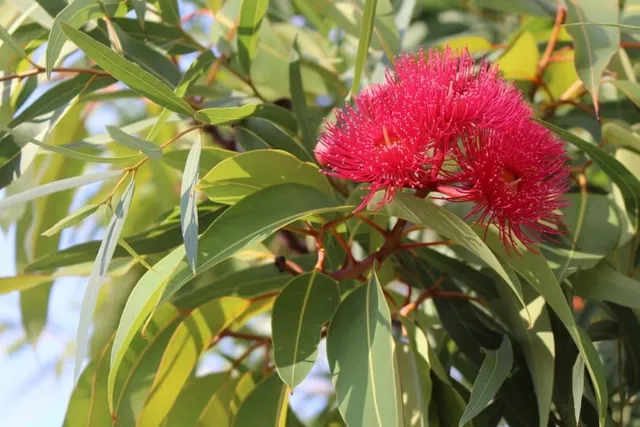
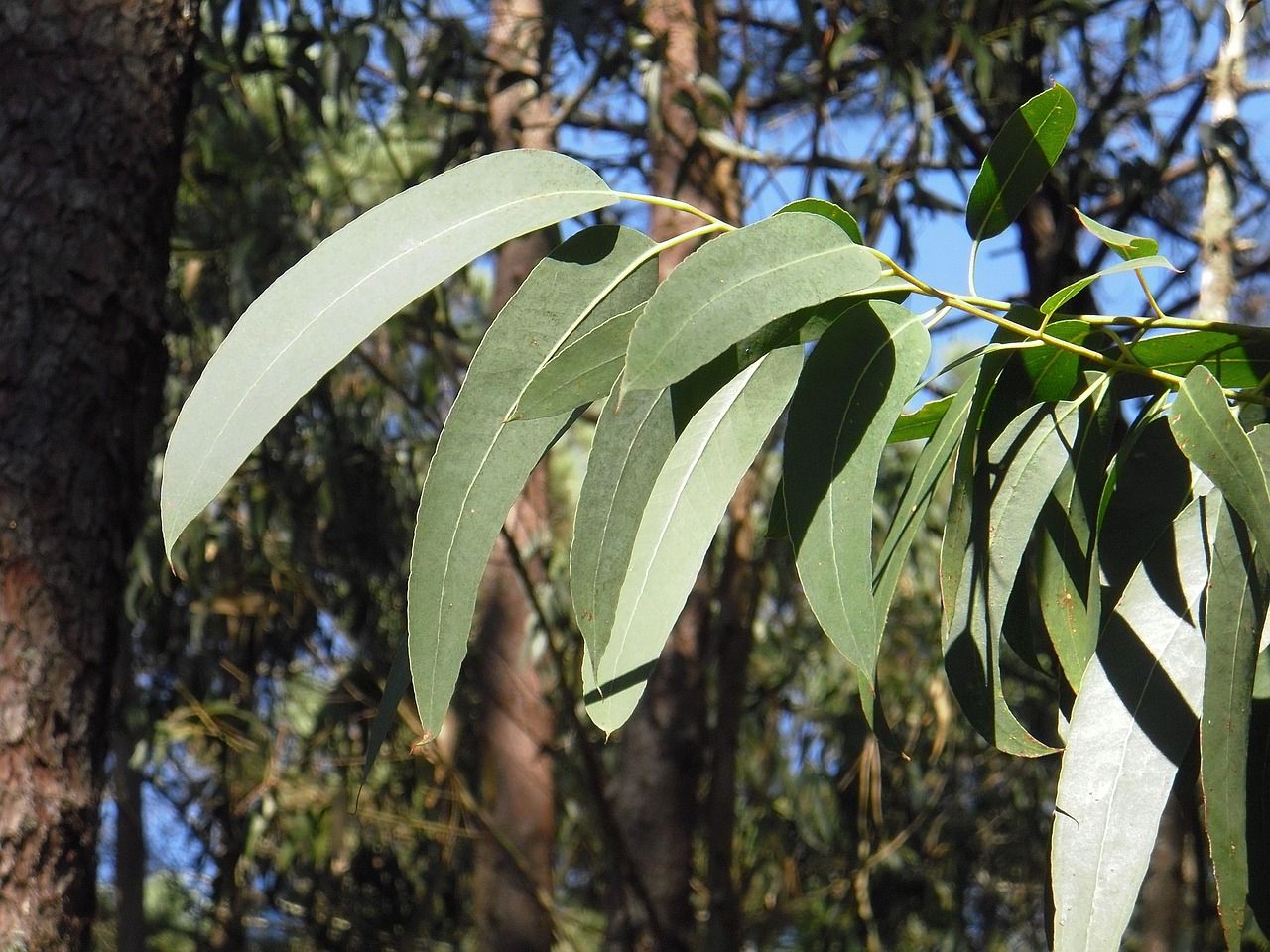
Eucalyptus may be best known for being the primary food source for koalas. It is a genus of fast-growing evergreen trees and shrubs, and nearly all species are native to Australia. The fragrant eucalyptus leaves have been used in traditional medicine for many years and across various cultures.
The leaves are still used for medicinal and healing purposes, and eucalyptus is also used as a fragrance, flavoring, and ingredient in various cosmetics and industrial solvents. Eucalyptus oil has been studied and proven to kill bacteria and fungi and has also been shown to act as an expectorant that loosens phlegm and assists with coughing.1
Eucalyptus and Cats: The Dangers
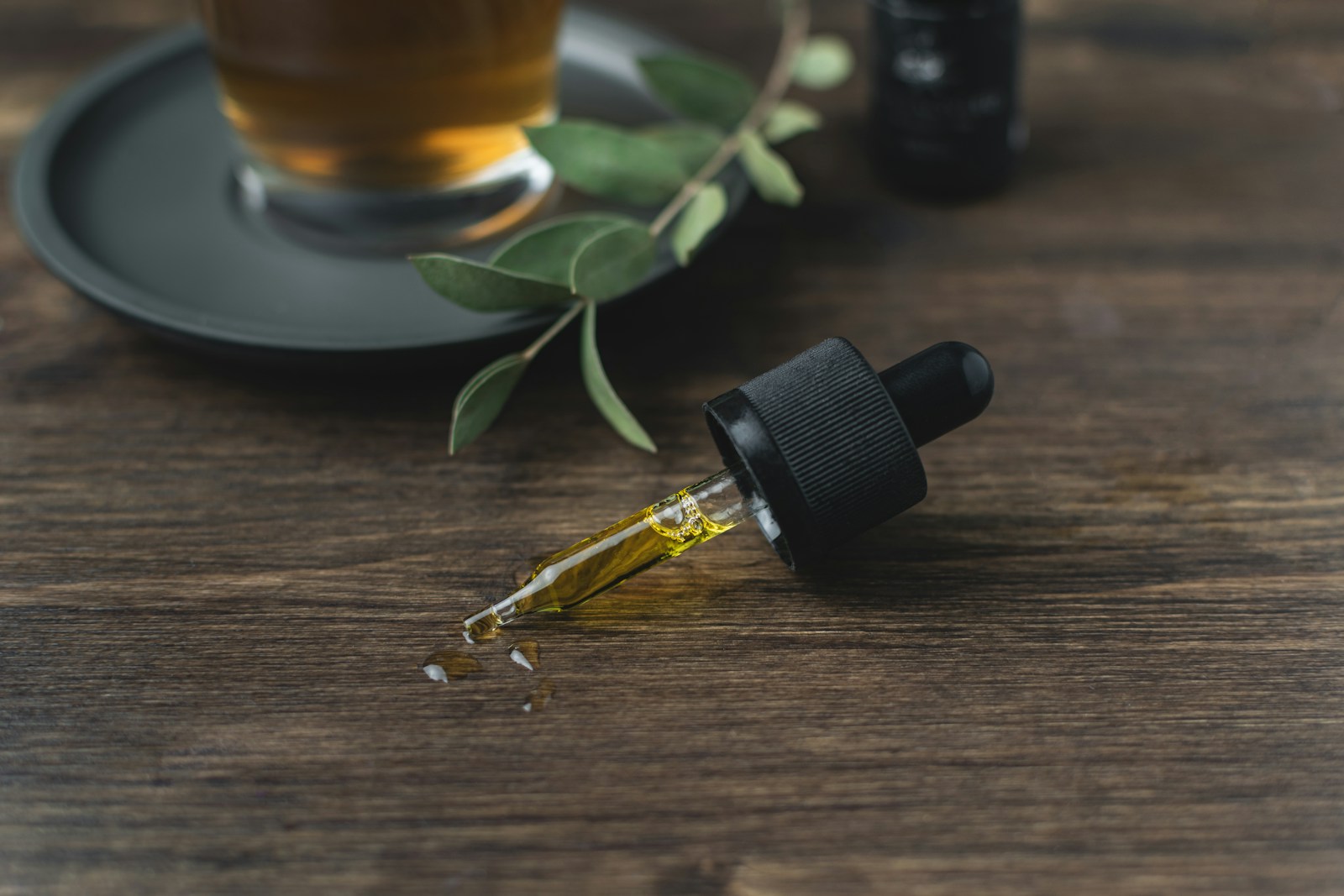
Humans and cats have very different systems, and despite having several benefits for humans, eucalyptus is toxic to cats. The toxic component in the leaves is eucalyptol. Exposure often occurs by ingesting eucalyptus essential oil or products containing the essential oil.
The plant's leaves are also toxic if ingested, but exposure is rare because eucalyptus is rarely grown indoors. Thankfully, cats are heavily deterred by the smell of eucalyptus, but if they were to ingest the leaves or any product containing the oil, you should contact a veterinarian or pet poison helpline right away for further guidance.
Signs of Eucalyptus Toxicity:
If your cat shows signs of the symptoms above or you suspect they might be suffering from underlying health issues, you should contact a vet.

Common Essential Oils That Are Dangerous for Cats

Any questions regarding the safety of essential oil use should be discussed with a veterinarian. You can also access the ASPCA’s list of toxic and non-toxic plants to see which plants pose a danger of toxicity to your pets.
Though oils derived from toxic plants are incredibly dangerous, essential oils from non-toxic plants are highly concentrated and can also pose a health risk.
We’ve included a list of the most common essential oils that are potentially dangerous to cats:
Eucalyptus and Cats: Keeping Your Kitty Safe
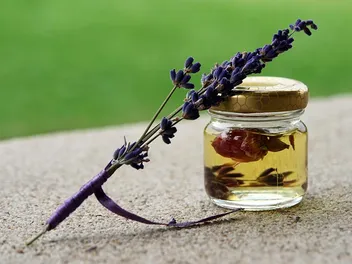
It’s very important to keep your cat safe from the dangers of eucalyptus and other essential oils. When exposed to oil diffusers, cats are at risk of toxicity and respiratory problems associated with inhalation.
Here are some tips for keeping your cat safe from exposure to plant and oil toxicity

Conclusion
Eucalyptus produces a very unpleasant smell for cats, and it is also considered toxic. Eucalyptol is the toxic component found in the leaves of the plant, and ingestion could lead to troubling clinical signs. If your cat eats eucalyptus or products containing it, contact a veterinarian immediately for further guidance. Keeping eucalyptus products away from your cat is essential, but luckily, most cats dislike the odor and will stay away.
Featured Image Credit: abeldomi, Pixabay
Expert cat care, straight to your inbox
News, insights, and useful advice, delivered to you.

No spam — unsubscribe anytime.
By signing up, you agree to our Terms & Conditions and Privacy & Cookies Policy.
How useful was this post?
Click a star to rate. You can leave written feedback afterwards. (We read all feedback.)
Lindsey and her husband enjoy traveling the US with their kids and photographing wildlife. Her passion is to educate others on the importance of proper animal care, with an emphasis on reptiles and exotics since their care requirements can be much more complex. She is also a huge advocate for bully breeds. She feels most at home in the forest either on horseback or in hiking boots.