Get

In Your Inbox

Catster is reader-supported. When you buy via links on our site, we may earn an affiliate commission at no cost to you. Learn more.

Is String of Pearls Toxic to Cats? Vet-Verified Toxicity & Safety


Share

Catster_Is String of Pearls Toxic to Cats

Plants are a popular decoration for adding a little nature to your home. Especially with more people than ever working from home, adding plants to our surroundings has experienced a real boom in popularity. But many plants, like the string of pearls, are toxic for our cats. Read on to learn everything you need about the string of pearls plant and its relationship with our furry family members.

divider cat paws 2 oct 2024

String of Pearls: What Is It and Why Is It Toxic?

string-of-pearls-plant
Image Credit: DFA Stock, Shutterstock

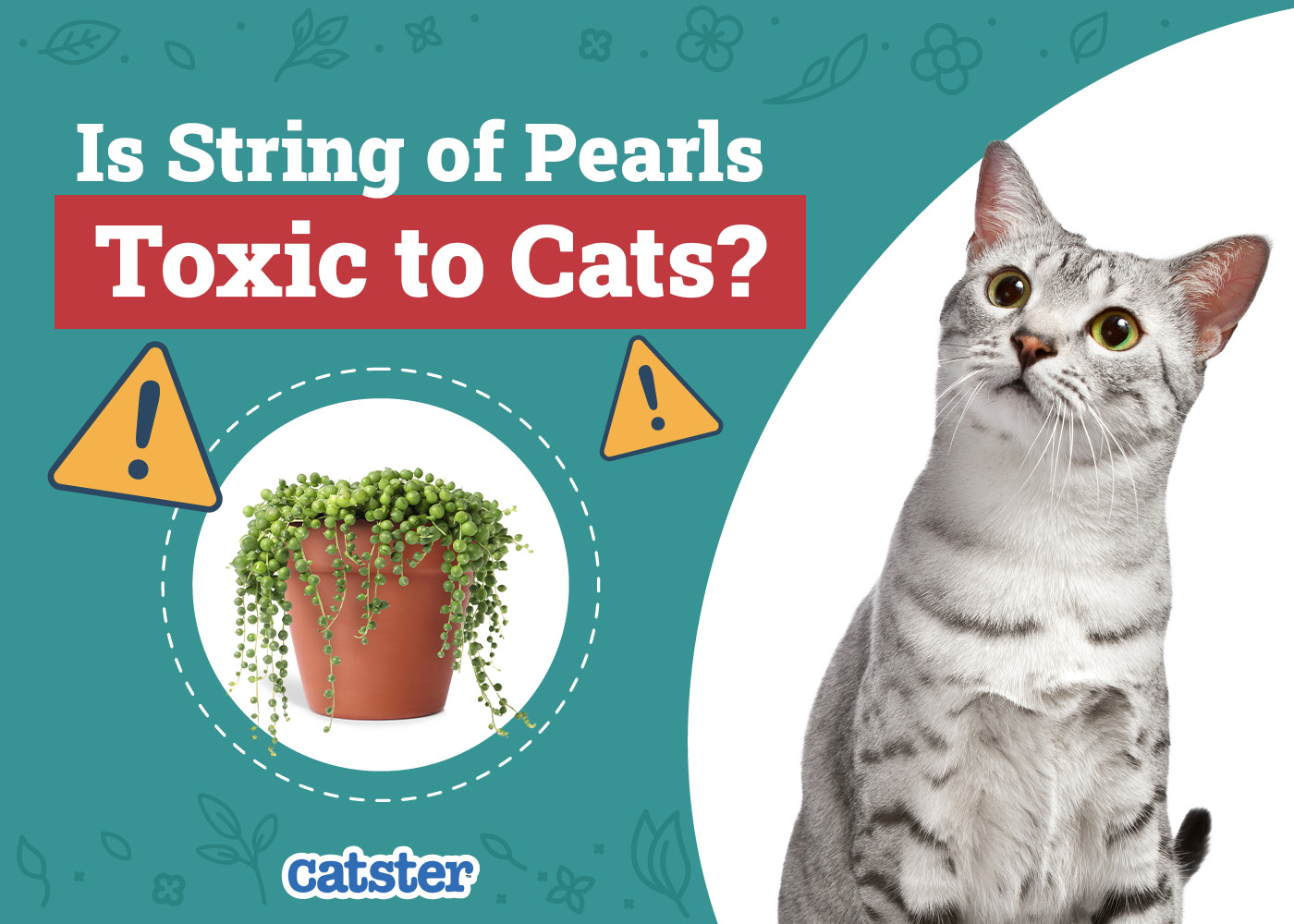
Senecio rowleyanus, commonly referred to as the string of pearls, is a plant that isn’t the easiest to find in nurseries despite its rampant popularity because of its unique and charming appearance of a string of green baubles. String of pearls is a member of the succulent grouping along with other plants, such as the jade plant and mother-in-law’s tongue.

Succulents have thick, fleshy tissues adapted to water storage. These tissues can be in the stem, such as in cacti, or the leaves, like the jade plant. They’re generally native to desert ecosystems, where their expansive roots and water storage tissues help them survive the desert heat and droughts.

We’re not sure what the toxic compound in the string of pearls plants is. Scientists think the toxicity may be caused by alkaloid poisoning. String of pearls plants aren’t just harmful to cats and dogs; they’re toxic to humans, too! Handling these plants can cause skin irritation, and getting the plant’s sap in your eyes can cause rather severe complications for humans.

What Does Toxicity Look Like?

When ingested by a pet, string of pearls can cause vomiting and lethargy, according to the ASPCA. The plant isn’t listed on their list of “Toxic and Non-Toxic Plants.” However, in their article about the toxicity of succulent plants, they cover the string of pearls and make it clear that this plant is toxic to cats and dogs, even though the toxicity signs are generally relatively benign in the grand scheme of things. Still if your cat has ingested this plant and you are worried, it is always the best to call a vet for an advice.

If you need to speak with a vet but can't get to one, head over to PangoVet. It's an online service where you can talk to a vet online and get the advice you need for your pet — all at an affordable price!

PangoVet_Mention-in-Content for PangoVet2 save money

divider cat paws 2 oct 2024

What Other Succulents Are Toxic for Cats?

The string of pearls isn’t the only succulent that can cause toxicity in cats and dogs when ingested. While plants such as hens-and-chicks, the Chinese money plant, and the bunny ear cactus might be safe around cats, plenty of other succulents contain toxic compounds.

1. Jade Plants

Crassula ovata is more commonly referred to as the Jade plant, and this plant is toxic for cats and dogs. When ingested by a pet, you can expect that your pet will experience diarrhea, vomiting, lethargy, and lack of appetite.

This is another plant that we keep that is also toxic for humans. Botanists warn against handling and propagating the plant without wearing gloves, as dermal contact with the plant’s sap can cause severe skin and eye irritation.

pencil cactus
Image Credit: ignartonosbg, Pixabay

2. Pencil Cactus

The pencil cactus is another succulent that’s toxic when ingested by cats. This one has a similar thick white sap that can cause mouth and digestive tract irritation if consumed by a cat. The most common signs of toxicity are vomiting and drooling.

There’s also concern with your cat experiencing eye irritation as pawing in and around the eye area can spread the sap into their eyes. In severe cases of eye irritation, ulcers can form in the eyes. These ulcers, known as corneal ulcers, can be highly problematic for your cat.


3. Mother-in-Law’s Tongue

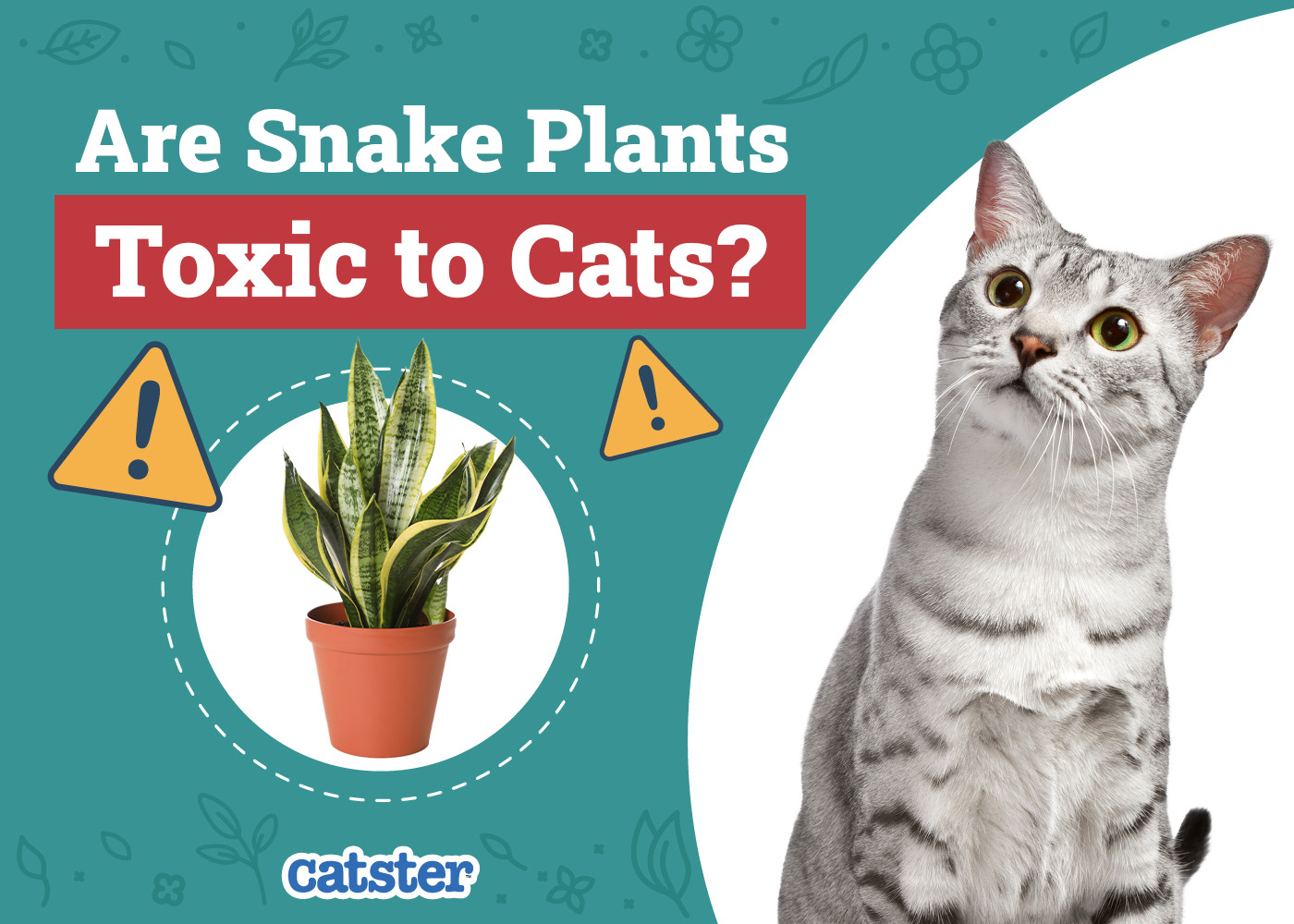
Sansevieria trifasciata is better known for its funny name than its toxicity, but this plant is toxic for cats and dogs. Vomiting, diarrhea, drooling, and lethargy are common among cats and dogs who consume any part of this plant.

divider cat paws 2 oct 2024

Final Thoughts

Plants are a beautiful way to bring nature into your daily life, but we must be mindful of the other members of our homes when we choose the plants we bring in. If you must keep a toxic plant, try to keep it out of reach of any furry friends who might want to snack on it.

If you think your cat has ingested a toxic substance, take them to the veterinarian immediately. Your veterinarian has a more comprehensive view of your cat’s health and typical behavior than the Internet! They’ll be able to guide you in making the best choices for your cat’s overall health.


Featured Image Credit: Fabrizio Guarisco, Shutterstock

Want content like this delivered to you?

Sign Up For Our Newsletter

News, insights, expert advice, and everything cat

* By submitting, you agree to our Terms & Conditions and Privacy & Cookies Policy.


How useful was this post?

Click on a star to rate (you can leave written feedback after clicking submit)

Help us improve Catster for pet parents!

Your feedback really matters.

What did you like about this post? Also how can we improve it?

Join the conversation

Leave a Reply

You’re very welcome to leave a comment or question. Please know that all comments must meet our community guidelines, and your email address will NOT be published. Let’s have a positive and constructive conversation.


Talk With A Vet Online

Peace of mind,
anywhere, anytime

Affordable vet advice

Why Your Cat’s Poop Smells Like a Biohazard

Nobody enjoys litter box duty, but sometimes it gets unbearable. The smell hits you from across the room. You’re scooping faster, lighting candles,...

RIP Your Furniture? Not With This Guide to Cat Scratch Damage Control

Your couch looks like it survived a minor apocalypse. The curtains have mysterious vertical shreds. That new rug you splurged on is already...

Celebrating 15 Years as the Most Popular Resident of No. 10 Downing Street

For almost 300 years, a rather unassuming Georgian building of black bricks with a shiny black door has been the official residence and...

Ask Dr. Paola – Help! My Kitten Pukes After She Eats! (March 2, 2026)

Welcome to our “Ask Dr. Paola” series, where every Monday we bring expert advice straight from Dr. Paola Cuevas (MVZ) to help our...

More related

Pancreatic Cancer in Cats: Our Vet Explains the Causes, Signs & Care

Pancreatic cancer is a diagnosis that no cat owner ever wants to hear about their cat. Because the pancreas has many roles within...

Maine Coon Cats For Sale in Ohio: Breeders List 2026

Catster advocates for adopting before shopping, though we fully understand there are many reasons for seeking a breeder. So, we encourage it to...

Why Does My Cat Take My Spot? 5 Vet-Verified Reasons

When you became a cat parent, you probably didn’t expect to regularly give up your comfortable seat. Many cats have a knack for...

Why Do Seemingly Healthy Old Cats Suddenly Get Sick & Die? 5 Possible Reasons (Vet Answer)

One of the hardest parts of owning a pet is the inevitable end when we have to say goodbye. In many cases, we...

Keep reading

Can I Feed My Cat Different Brands Of Food? Vet Approved Advice

As humans, we can’t imagine eating the same food over and over again, so when it comes to our cats, is variety really the spice of life, or will our furry friends fare better on the same diet for their...

woman giving food to her cute domestic cat at home

10 Halloween Safety Tips for Your Cat: Vet-Approved Advice

While there’s a strong association between cats and Halloween, many cats can feel spooked or stressed out during this holiday. New Halloween decorations, trick-or-treaters visiting your door, and other changes in routine can cause cats to feel uneasy. Therefore, it’s...

black cat surrounded with halloween pumpkins

Why Do Cats Bring You Gifts of Toys or Dead Animals? Vet-Reviewed Behavior Guide

Everyone loves gifts, but your cat has a very different idea of what qualifies as a present than you do. If you’ve ever been the recipient of a dead bird, mouse, toy, or random object courtesy of your lovable kitty,...

tabby cat carrying a toy in its mouth

Ziwi Peak Cat Food Review of 2026: Recalls, Pros & Cons

Review Summary Ziwi Peak has some of the best ingredients and uses almost exclusively animal meat in its formulas. It is foods that are protein-rich and include many nutrient-dense ingredients, like organ meat. However, they are a bit more expensive...

Ziwi Peak Wet Cat Food Review

Do Essential Oils Work for Calming Cats? Vet Approved Advice

As cat owners, we know that sometimes our feline buddies can get a little wild (especially late at night) or even anxious and scared. It can be difficult to determine what to do in these situations if we want to...

essential oils

3 Food Sources of Thiamine for Cats (Vitamin B1): Vet Reviewed Options

We all want our cats to be healthy, happy, and with us for as long as possible. That’s why we take them to the vet for checkups, feed them high-quality, protein-filled food, and keep them indoors most of the time....

Munchkin cat eating

Can a Cat Laugh? Vet-Reviewed Scientific Facts & Information

Cat videos took the internet by storm for good reason; these extraordinary little creatures have a way of making us laugh like no other. Every cat lover knows that when you share your life with a feline companion, you are...

laughing cat

Can Cats Eat Venison? Important Facts & Health Guidelines 

The word “venison” (from the Latin verb venari, meaning “to hunt”) refers to meat from large game animals, most commonly deer. Though not the most typical protein in commercial cat foods, venison is used in some food formulas. Home-prepared venison...

Can Cats Eat Venison

Love Cats? So Do We! Join the Catster Community

Stay informed with expert pet care insights delivered straight to your inbox! Discover professional guidance on animal behavior, feeding tips, trusted product picks, and much more.


Sign up for the Catster Email Newsletter

Stay informed with expert pet care insights delivered straight to your inbox! Discover professional guidance on animal behavior, feeding tips, trusted product picks, and much more.