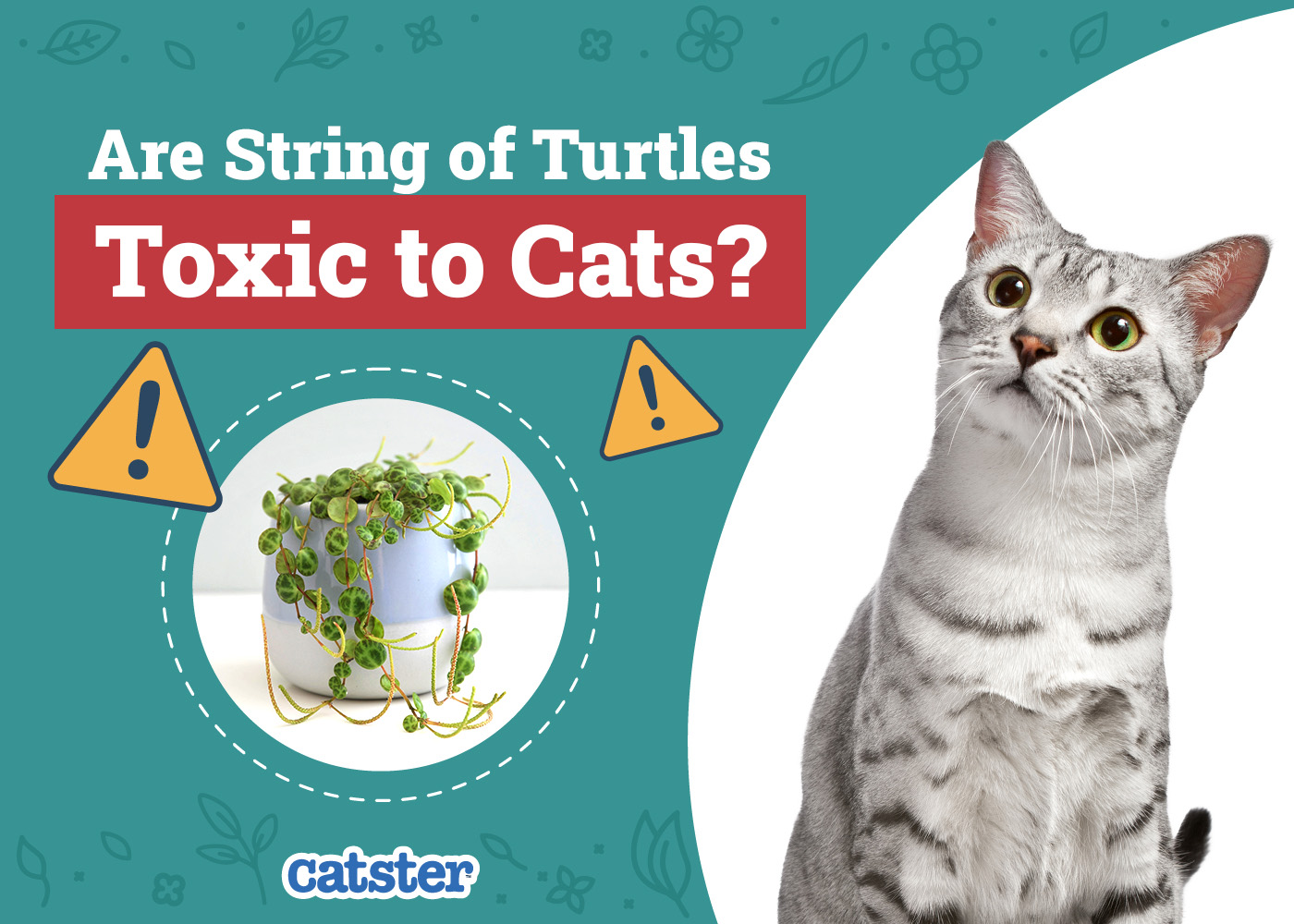
Are String of Turtles Toxic to Cats? Vet-Reviewed Safety Tips & Facts


In this article
If you’re a cat parent and plant enthusiast, you know that it’s vital to choose your plants according to your liking and while considering your feline’s safety. Unfortunately, many common houseplants are toxic to cats, which is why you need to pay extra attention when choosing the next plant for your collection.
Many wonder if one particular plant is okay to have around cats: String of Turtles. Fortunately, String of Turtles is not toxic to cats.
However, this plant is also not entirely cat friendly. Let's talk more about how this plant can affect your feline and how to keep your cat away from houseplants in general.

String of Turtles (Peperomia prostrata) General Info
| Scientific Name: | Peperomia prostrata |
| Common Name: | String of Turtles |
| Size: | 12–24 inches |
| Bloom Time: | Year-round |
| USDA Hardiness Zone: | 10–12 |
| Light Requirements: | Bright, indirect light |
| Soil Requirements: | Rich, loamy, well-draining, slightly acidic |
| Toxicity: | Non-toxic to pets, non-toxic to humans |
Peperomia prostrata, also known as String of Turtles, is a non-demanding, semi-succulent tropical plant native to South America, particularly the rainforests of Brazil.
This plant belongs to the Piperaceae family and is widely known for its green multi-colored leaves that resemble small turtles. Due to its interesting appearance, String of Turtles is an extremely popular houseplant that’s often easy to care for. It requires a moist and humid environment and rich, loamy, and well-draining soil to prosper.

Are Peperomia Plants Toxic to Cats?
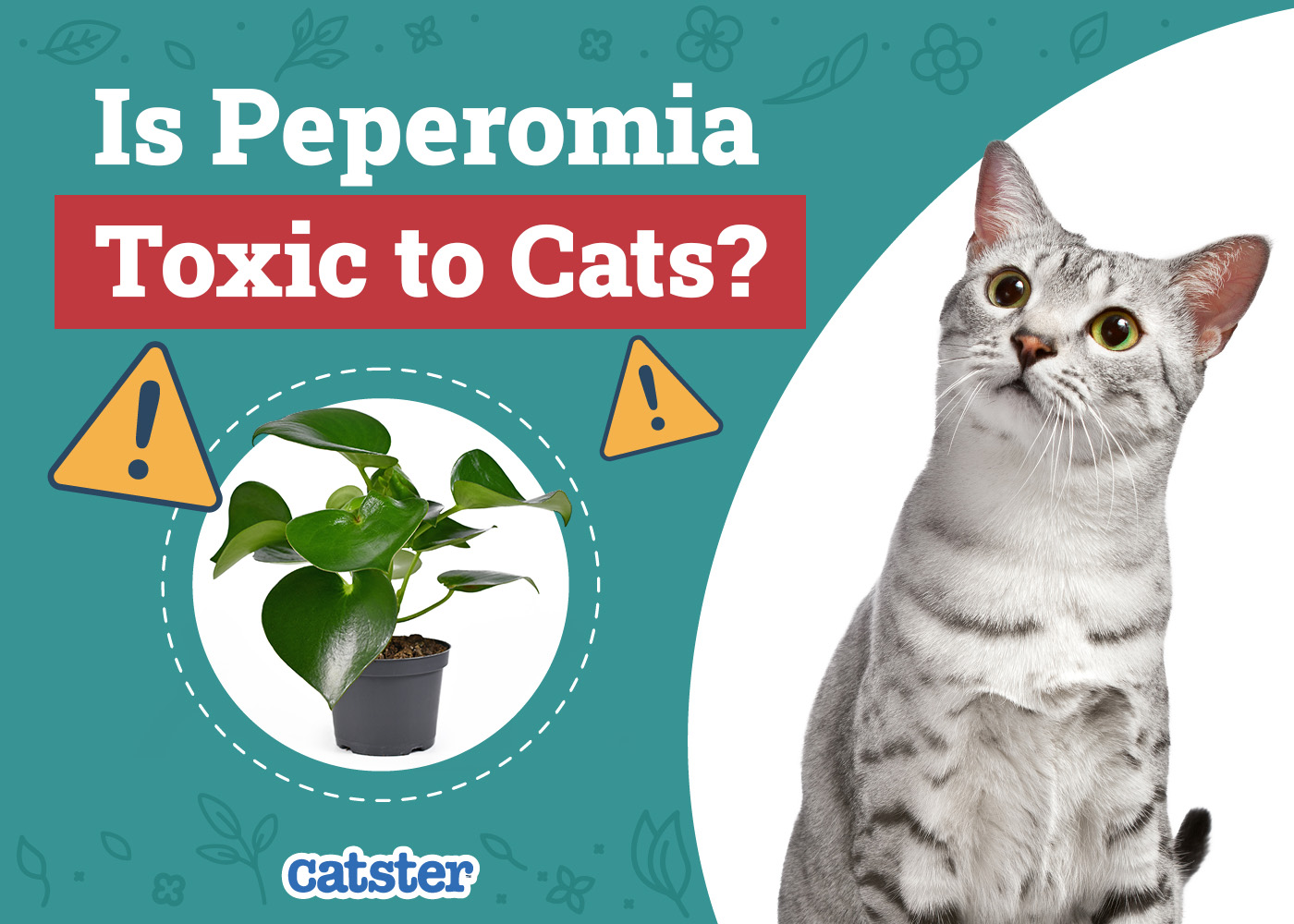
Peperomia plants belong to the Piperaceae family, and many like to keep these plants as a part of their home décor. Besides String of Turtles, here are the most common Peperomia plants for households:
- American Rubber Plant
- Silver Hearth
- Red Edge Peperomia
- Platinum Peperomia
- Metallic Peperomia
- Leather Peperomia
According to ASPCA, all these plants and any other Peperomia plants are considered non-toxic for cats.
Is String of Turtles Toxic to Cats?
Both the ASPCA and NC State University confirm that String of Turtles is non-toxic to cats (and other pets).
Still, many feline parents are worried about keeping this houseplant in their homes because while it’s not toxic, String of Turtles is still not entirely safe for our cat companions.

What Are the Dangers of String of Turtles for Cats?
String of Turtles can be dangerous for cats when ingested because this plant is a semi-succulent that contains calcium oxalate crystals and saponins, both of which are dangerous for cats. Due to these components, ingesting a String of Turtles could potentially be harmful to your cat and lead to several health problems, mainly related to the gastrointestinal (GI) tract.
Symptoms of String of Turtles Consumption:
It’s also possible for cats to experience an array of health issues due to the oxalate crystals inside this plant. Chewing or biting into these crystals can lead to your feline experiencing mouth irritation, swelling, and GI problems. Cats may also experience difficulties breathing, oral pain, pawing at the mouth, and an appetite decrease.

What Should I Do If I Suspect That My Cat Ate String of Turtles?
String of Turtles is not toxic to cats, but it could still cause harm to your cat’s health if ingested. Therefore, you should know how to react if your cat accidentally eats this plant.
If you suspect that your cat ate String of Turtles, monitor them for any clinical signs or behavioral changes. If you do notice any signs, contact your veterinarian, and they will give you additional advice.
Depending on the severity of the issue, some cats might need treatment, while others can clear out their system on their own without medical help. Still, these side effects could easily become life threatening for cats if not taken seriously. Therefore, always contact your vet if ever in doubt.
How Can I Keep My Cat Away from Houseplants?
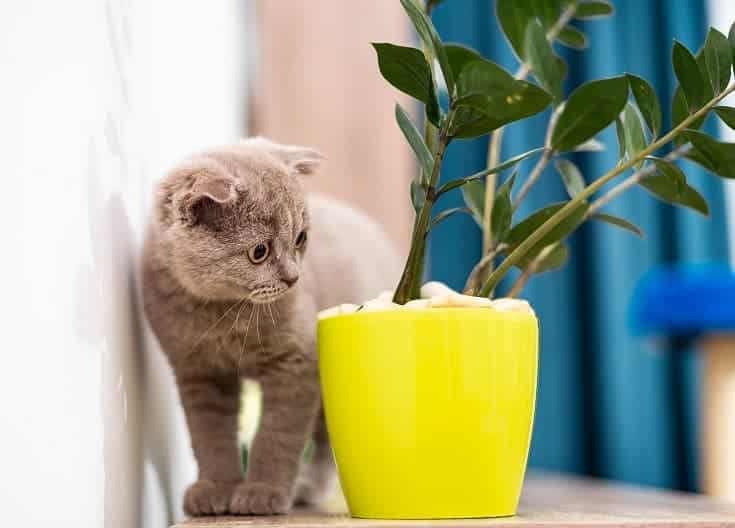
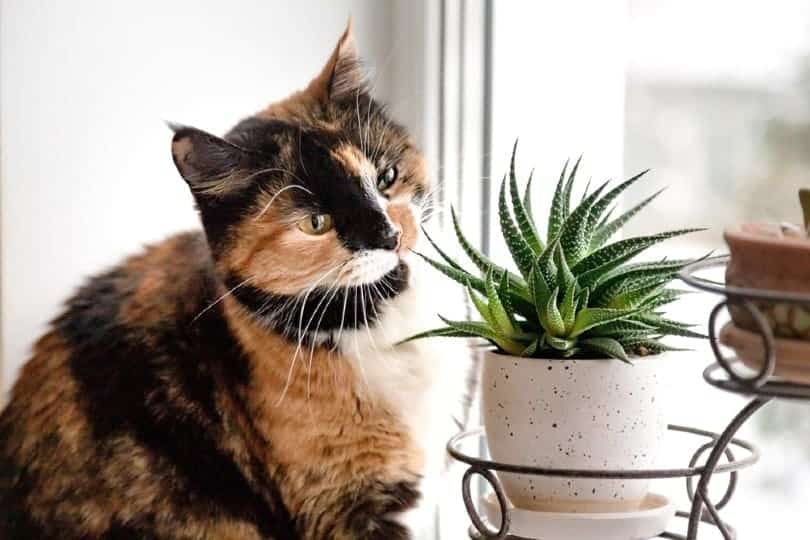
If you own a cat and have String of Turtles or any other houseplant, it’s better to be safe than sorry, and you should strive to keep your cat away from your plants to prevent possible accidents and mishaps.
Which Common Houseplants Are Considered Toxic to Cats?

While people can keep numerous stunning plants in their households, cat parents often feel like they’re unable to enjoy plant diversity without putting their felines at risk. It’s true that all cat parents who are also plant enthusiasts should be informed about the plants that are toxic for their pets.
All these plants are toxic to our feline friends and could cause various health problems, depending on their toxic components. Most of the time, cats will experience gastrointestinal problems when ingesting such plants, though several plants can cause severe toxicity and can even be fatal.
Final Thoughts
String of Turtles is not toxic to cats, so you can keep this plant in your home if you own a feline. However, that doesn’t mean your furry companion should be allowed to go near this plant. Ingesting String of Turtles could cause several health problems, which is why it’s best to keep your cat away.
Featured Image Credit: Dima Berlin, Shutterstock

Expert cat care, straight to your inbox
Vet-reviewed advice, behavior tips, and the best of Catster. Free, and you can unsubscribe anytime.
By signing up, you agree to our Terms & Conditions and Privacy & Cookies Policy.
I'm a creative, adaptable content writer that covers various topics such as DIY, pets, home improvement, travel, gardening, and more.
As a young mom and a college student, I didn’t have enough time to balance my personal and work life, so after multiple years of working a regular 9 to 5 job, I decided to pursue my passion and make a living out of it. I have been writing for a couple of years now, helping people to find valuable and interesting information online.
I believe that writing is a great way to share your knowledge with the community and express yourself. There's nothing that words cannot accomplish, so I always try to use them in the best possible way.
Join the conversation
Ask a question, share your story, or send private feedback.