Do Cats Really Need Baths? Most Owners Get This Wrong


You've likely been scrolling through social media and seen a video of someone giving their cat a luxurious bath, complete with special shampoos and a blow-dry. You look at your own cat, sprawled on the couch, and wonder: Am I a bad cat parent for never bathing mine?
Here's the relief you need: you're probably doing it exactly right.
The idea that cats need regular baths is one of the biggest misconceptions in pet care. Unlike dogs, who seem to find every mud puddle and questionable smell within a five-mile radius, cats are self-cleaning machines. They're so good at grooming themselves that bathing them regularly can actually cause more problems than it solves.

Why Your Cat Doesn't Want (or Need) Your Help

Cats spend a significant portion of their day licking themselves clean, and this isn't just a quirky habit. Their saliva contains natural cleaning agents, and their tongues are covered in tiny backward-facing barbs that work like a built-in brush. This daily grooming keeps their coat clean, distributes natural oils, and removes loose fur and debris.
When you bathe a cat too frequently, you strip away these natural oils that keep their skin and coat healthy. The result? Dry, irritated skin that itches and causes discomfort. In some cases, over-bathing can even lead to skin infections if the irritation becomes severe enough.
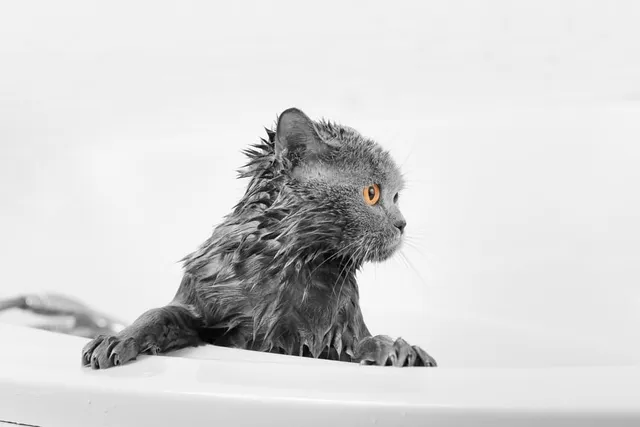
There's also the stress factor. Most cats hate water with a passion that borders on existential dread. Forcing a cat into a bath when they don't need one creates anxiety for both of you, and that stress can actually impact their health and your bond with them.
So, How Often Should You Actually Bathe Your Cat?
The straightforward answer: most cats need a bath somewhere between never and once every few months. The general guideline is no more than once every 4 to 6 weeks, and even that's usually unnecessary unless there's a specific reason.
Don't bathe your cat more than once a month unless your veterinarian specifically recommends it. If you find yourself reaching for the cat shampoo more often than that, it's worth examining why and whether there's an underlying issue that bathing won't actually fix.
When Bathing Actually Makes Sense
While most cats don't need regular baths, there are legitimate situations where getting your cat wet becomes necessary.

1. Medical and Hygiene Issues
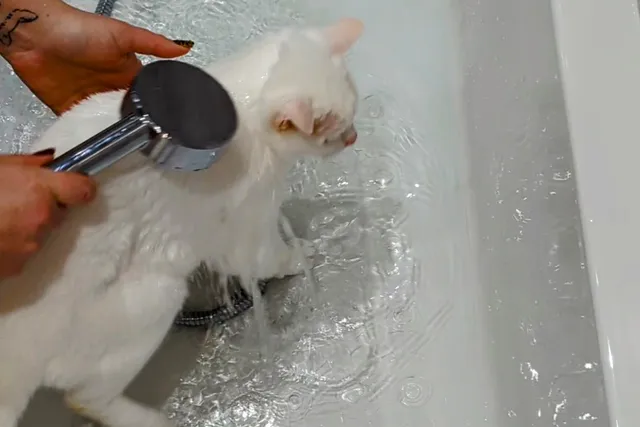
Flea infestations warrant immediate bathing with quality flea shampoo. Fleas aren't just annoying; they can cause serious health problems, including skin irritation and anemia. Bathing removes existing fleas and helps prevent new ones from taking up residence in your cat's fur.
Feline acne might sound unusual, but it's a real skin condition caused by blocked hair follicles. If your cat develops redness, sores, or blackheads (typically around the chin), your vet may recommend bathing with medicated shampoo designed specifically for this condition.
Skin allergies often cause intense itching and discomfort. If your cat is excessively scratching or licking their fur, developing bald patches, or showing signs of red, irritated skin, your vet will likely include bathing with mild shampoo as part of the treatment plan. The water and shampoo help remove allergens from the fur, which can ease irritation and reduce inflammation.
2. Grooming Challenges
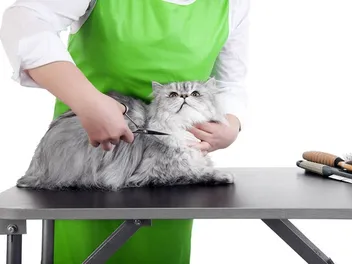
Long-haired cats sometimes struggle to keep their luxurious coats tangle-free through licking alone. Regular brushing should be your first line of defense, but occasional baths can help prevent matting and remove the oils and dirt that accumulate despite your brushing efforts. The key concept here is "occasional," not weekly.
Senior cats sometimes lose their grooming mojo as they age. Arthritis makes it harder to reach certain spots, and general decreased mobility means they can't maintain their coat like they used to. Regular baths can help keep older cats clean and prevent matting, tangles, and odors that develop when grooming habits decline.
3. Household Considerations
Cat allergies in your household can be managed through bathing. If someone you live with has allergies, bathing your cat every few weeks can significantly reduce dander levels in your home. Dander consists of tiny particles shed from your cat's skin and fur, and it's the primary culprit behind those sneezing fits and itchy eyes. A bath removes loose dander before it spreads throughout your house.
Emergency situations happen. If your cat has an unfortunate encounter with skunk spray, garbage, or any other profoundly stinky substance, immediate bathing becomes necessary. The smell won't disappear on its own, and waiting will just allow it to permeate your entire house.
Making Bath Time Less Traumatic
Every cat has a different tolerance for water. Some cats are surprisingly chill about baths, while others act like you're committing an unspeakable betrayal. If your cat falls into the latter category (most do), gradual introduction is key.
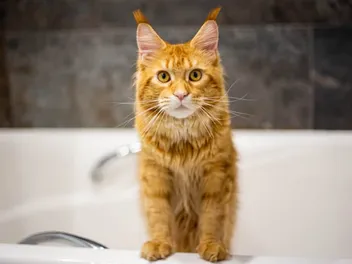
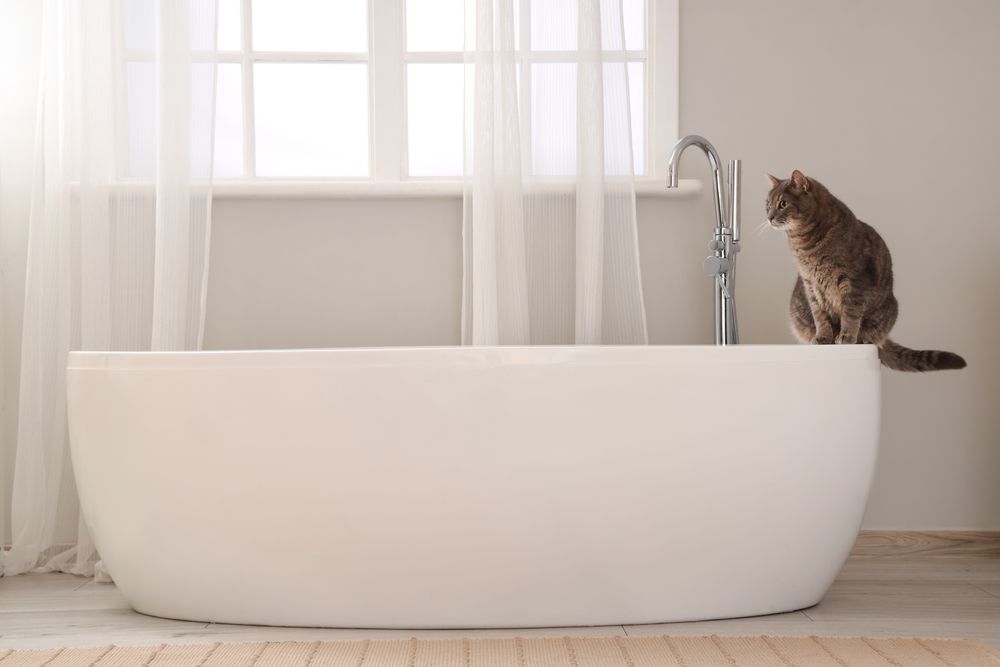
Let your cat investigate the bathroom and bathtub on their own terms before attempting a bath. Let them sniff around, get comfortable with the space, and associate it with something other than immediate terror. When bath time comes, move slowly and speak calmly. Forcing a frightened cat into water will only make future baths exponentially worse.
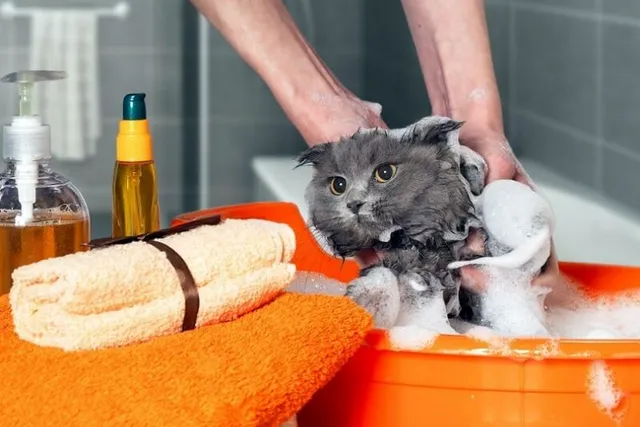
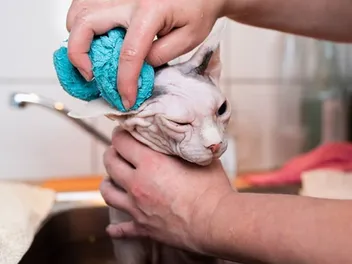
Use only cat-safe grooming products. Cat shampoo is formulated specifically for their skin pH, which is different from human or even dog skin. For cats that absolutely refuse traditional baths, waterless shampoo and grooming wipes can provide a compromise solution for in-between cleaning.

The Bottom Line
Unless your cat has a medical condition, struggles with grooming due to age or coat length, or has encountered something genuinely disgusting, they probably don't need a bath. Their self-grooming routine is remarkably effective, and interfering with it too often causes more harm than good.
Save the baths for when they're actually necessary, and both you and your cat will be happier for it. That video of the cat getting a spa treatment might look cute, but your unbathed, self-grooming cat curled up on the couch is doing just fine.
Feature Image Credit: Pixel-Shot, Shutterstock
Did You Know?
- Our brand-new posts are rounded up and included in our weekly emails. Don't miss out on the latest - sign up for our newsletter below!
Expert cat care, straight to your inbox
News, insights, and useful advice, delivered to you.

No spam — unsubscribe anytime.
By signing up, you agree to our Terms & Conditions and Privacy & Cookies Policy.
How useful was this post?
Click a star to rate. You can leave written feedback afterwards. (We read all feedback.)
Dan has been working in the pet world for over 4 years covering cats, dogs, and all other pets in between. He loves helping pet parents keep their companions happy, healthy, and of course, totally spoiled! Originally from London, Dan now travels and works remotely, which unfortunately means no pets at home, but it gives him plenty of opportunities to fuss over other people's furry friends.