Is Lavender Toxic to Cats? Vet-Reviewed Important Facts & FAQ


In this article
Lavender, in its various forms, is one of the most popular substances on the planet. As a plant, its beautiful purple flowers and nice fragrance make it a great addition to any home. Lavender extracts are also used as a herbal remedy in the treatment of stress and anxiety, among several other issues.
But is lavender good for your cat, or is it toxic?
Lavender is not beneficial to cats. In fact, you are advised to keep it as far away as possible from your kitty, as it is toxic for cats. Here is everything you need to know about cats and lavender.

Why is Lavender Toxic to Cats?
The American Society for the Prevention of Cruelty to Animals (ASPCA) points out that the lavender plant contains compounds that are toxic to cats. These include linalyl acetate and linalool, which, interestingly, are quite common among flowers.
Therefore, before introducing any flowering plant to a home that has cats, it is important to make sure that it does not contain compounds that could be toxic. Various forms of lavender differ in their degrees of toxicity to cats. While lavender is dangerous in its basic plant form, it is very dangerous and considered fatal to cats in its essential oil form.
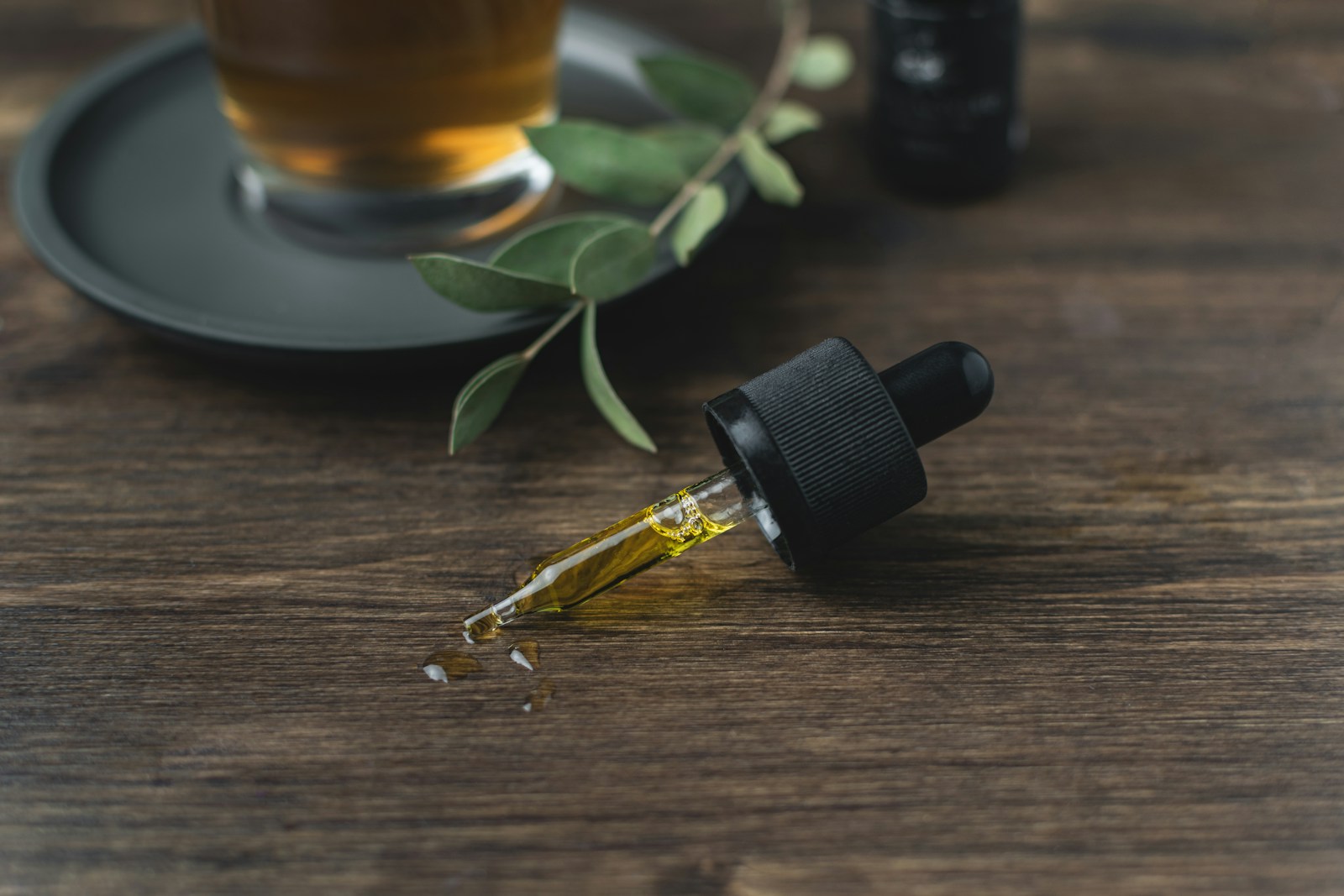
Felines lack the necessary enzymes in their livers for metabolizing essential oils. As a result, your cat’s immune system will react to these oils as it would when threatened by any other foreign material. This could have disastrous results. Lavender essential oil’s risk factor is increased even further because cats have to groom themselves occasionally.
This means they will ingest some of the oil when they lick themselves, resulting in a double dose of trouble. While lavender oil sprays and diffusers tend to have lower levels of lavender, they are still dangerous because they will be absorbed by your cat’s respiratory system, resulting in respiratory distress.

Signs of Lavender Poisoning in Cats
Many of the signs of lavender poisoning in cats are similar to those caused by most toxins.
Common Signs of Lavender Poisoning
In addition to the outward signs, your cat will also experience signs that are not so obvious, such as nausea, dizzy spells, respiratory distress, and a low heart rate. Unfortunately, as you might be aware, cats are not good at displaying signs of distress. It is an evolutionary trait among predators, as showing weakness in the wild can put them in a very precarious position.
You might be unable to tell that your cat is suffering from lavender poisoning. However, drooling and excessive licking are two common indicators of a sick cat. If you notice those signs, observe them closely to look for the other outward indicators of lavender poisoning, such as a lack of appetite, low energy levels, and diarrhea.
You could also hold the kitty to look for an erratic heart rate and rapid breathing.
If your cat shows signs of the symptoms above or you suspect they might be suffering from underlying health issues, you should contact your vet.
Treating Lavender Poisoning
If you think your cat has lavender poisoning, the ASPCA recommends contacting the Animal Poison Control Center for immediate advice. They will advise you on the best course of action, including whether to take your pet to the vet.
Nevertheless, there are steps you can take in the meantime to control the situation. If you suspect the poisoning came from getting lavender oil drops on their fur, experts recommend bathing your kitty immediately in warm water using cat-friendly shampoo.
However, if you suspect that your cat has ingested the substance, take them to the vet immediately. Do not attempt to induce vomiting or administer any medication. At the vet, your kitty will be assessed for poisoning and treated accordingly.
Keeping Your Cat Safe from Lavender Poisoning
As much as we love having lavender in our homes for its numerous benefits, your cat will not find it that pleasant. Therefore, you must take precautionary measures to prevent lavender poisoning:
Keep Plants Out of Reach
Cats have been known to snack on plants. Therefore, it is not out of the realm of possibility that your pet might decide to eat lavender sprigs. It's best to keep lavender plants in areas that your cat does not have access to.
To allow your pet to exercise their occasional craving for plant matter, consider keeping cat-friendly plants around the house, such as catnip and oat grass (sometimes referred to as cat grass).

Image Credit: Kalo Kanev, Shutterstock
Avoid Using Topical Products Containing Lavender
Using lavender products on your skin can lead to poisoning your cat. You will eventually come into contact with your pet, and the product will rub off on them. Therefore, if you must use lavender in a home with cats, consider using an oral lavender product.
Final Thoughts
Lavender is toxic to cats. Therefore, it is necessary to put measures in place to prevent your pet from coming into contact with any form of it. This might be inconvenient, but it is necessary to avoid putting your cat’s health at risk.
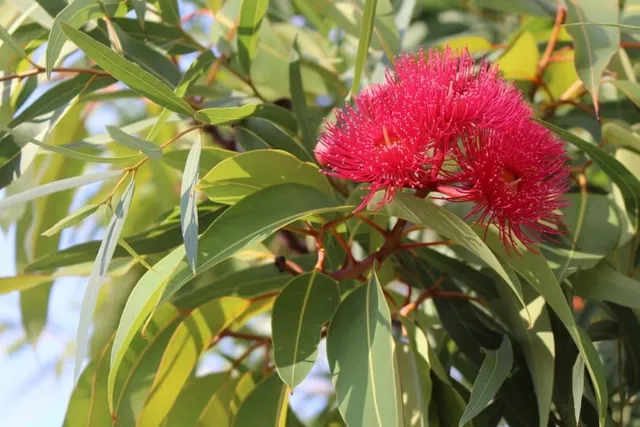
It is also vital to know which other plants and substances are toxic to your cat. For instance, aloe, tea tree oil, chives, cinnamon oil, pine oil, citrus oil, peppermint oil, St. John’s wort, and eucalyptus are some examples of other plants and oils that are toxic to cats. You might want to check out this list of safe plants for cats to be on the safe side.
Featured Image Credit: Pixabay
Expert cat care, straight to your inbox
News, insights, and useful advice, delivered to you.

No spam — unsubscribe anytime.
By signing up, you agree to our Terms & Conditions and Privacy & Cookies Policy.
How useful was this post?
Click a star to rate. You can leave written feedback afterwards. (We read all feedback.)
Christian started writing for a local newspaper as a teenager, and he's been involved in the publishing industry for most of his adult life. Combining his love of writing with a passion for animals, he is currently the Director of Editorial at Pangolia and the Editor-in-Chief at Catster.
Christian lives in the Philippines with his wife, son, and four rescue cats: Trixie, Chloe, Sparky, and Chopper.