Is Anthurium Toxic to Cats? Vet Approved Facts & FAQ


In this article
It’s important to know what kinds of plants pose a toxic threat to our pets. Cats in particular are known for messing around with plants, which can be very dangerous if they were to chew and ingest a toxic variety. Today, we’ll talk about Anthurium, which is a group of very diverse exotic tropical plants.
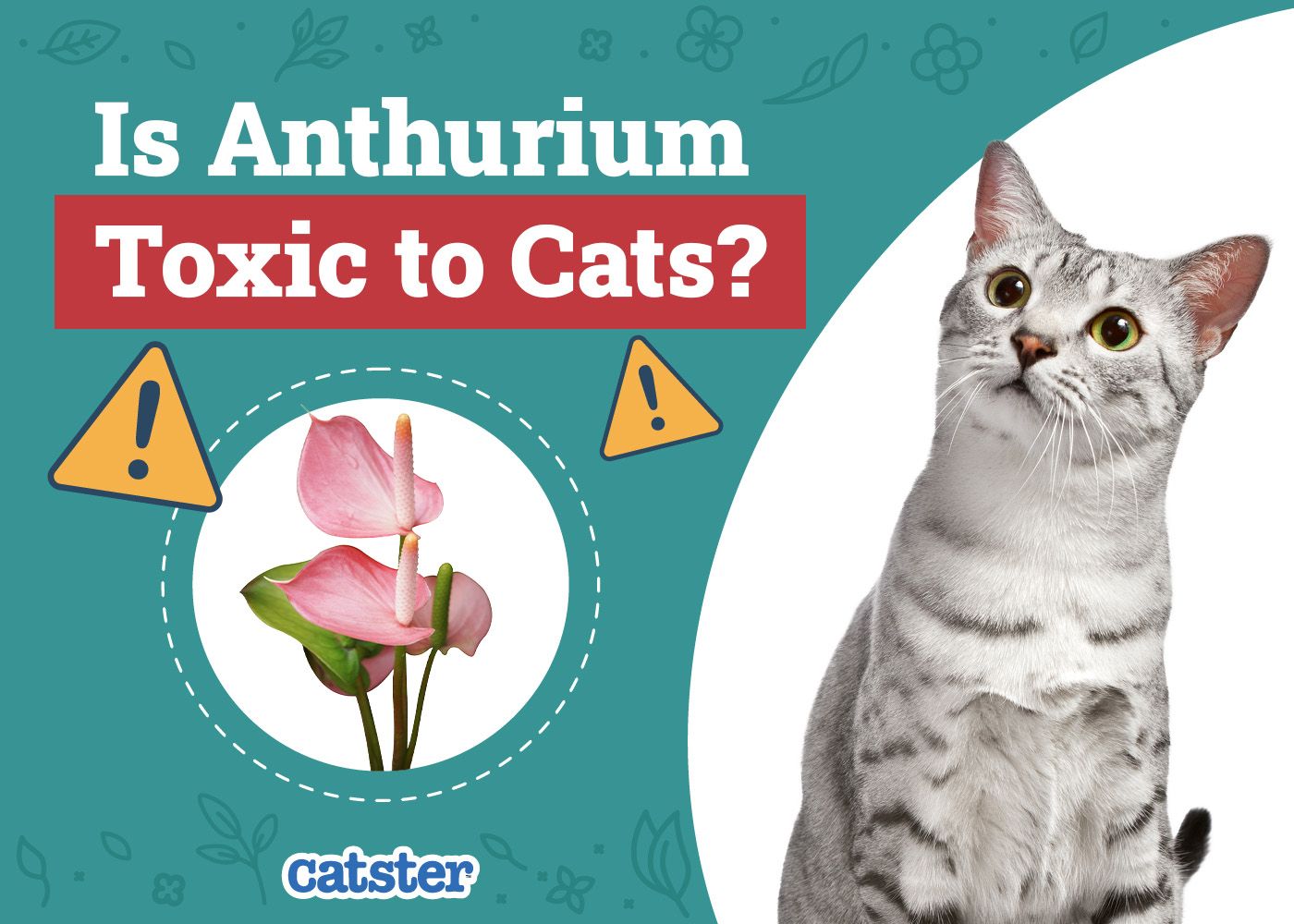
Anthurium is toxic to cats, so you must keep your kitty safely away from any plants of this sort to prevent any negative outcomes. Below we will talk a bit more about Anthurium, what to watch for if there’s a chance your cat has gotten into a toxic plant, and some steps you can take to keep them safe.

All About Anthurium
Anthurium is a genus of about 1,000 species of perennial plants within the family Araceae. These plants are native to Central and South America, as well as the Caribbean. Most green thumbs keep them as houseplants due to their specific care needs, but they are sometimes added to gardens in areas with warmer climates.
Anthurium is a beautiful flowering plant that comes in a wide variety of species with diverse looks. All plants within the Anthurium genus are toxic to cats, dogs, and even horses. Each part of the plant, including the root, stems, leaves, flowers, and seeds, poses a risk of toxicity so keeping these plants away from your pets is the best way to prevent a medical emergency.

Most Common Types of Anthurium
Though the Anthurium genus consists of approximately 1,000 species, some are much more common than others. Here is a list of some of the most common types of Anthurium in alphabetical order:
- Anthurium andreanum (Flamingo Lily, painter’s palette)
- Anthurium amnicola (Tulip Anthuriums)
- Anthurium clarinervium (Velvet Cardboard Anthurium)
- Anthurium crystallinum (Anthurium Ace of Spades)
- Anthurium faustomirandae (Faustino’s Giant)
- Anthurium hookeri (Bird’s Nest Anthurium)
- Anthurium pachyneurium (Big Red Bird Anthurium)
- Anthurium scandens (Pearl Laceleaf)
- Anthurium scherzerianum (Flamingo flower)
- Anthurium veitchii (King Anthurium)
- Anthurium warocqueanum (Queen Anthurium)
- Anthurium watermaliense (Black Anthurium)
Cats and Anthurium
The toxic principle of anthurium plants is the insoluble calcium oxalates, like other plants in the Araceae family. Chewing on these plants will release the insoluble calcium oxalate crystals which will then penetrate the tissues and result in irritation to the mouth and GI tract. Insoluble calcium oxalate-containing plants result in a different type of toxicity than plants containing soluble oxalates.
Insoluble oxalates are needle-like crystals found throughout each part of the plant. These toxins cannot be absorbed into the bloodstream, but they can cause some concerning symptoms when they have become embedded into the skin and gastrointestinal tract.

Signs of Anthurium Toxicity
Symptoms of Anthurium toxicity are different from that of other plants due to the difference in toxic principles. The most common signs to watch for regarding ingestion of Anthurium plants include:
- Oral pain, swelling of the mouth, lips, and tongue
- Pawing at the mouth
- Decreased appetite
- Drooling
- Vomiting
- Swelling of the airway and difficulty breathing (rare)
Get in touch with a vet if you are worried about your cat's health and well-being.
Keeping Your Cat Safe from Toxic Plants
As cat owners, it’s our responsibility to keep our kitties safe from toxic plants and prevent any accidents. We’ve included some additional tips on the best ways to keep your cat safe in a home with plants.
Avoid Toxic Plants
Prevention is key, and the best way to ensure your cat is safe from toxic plants is to not keep toxic plants at all. Toxic plants in the home are not only dangerous to cats, but they also have the potential to be dangerous to other pets, like dogs, as well. Before making a plant purchase, do a quick search on whether it is toxic. There are plenty of non-toxic houseplants out there, and some even resemble toxic species. So do your research and you’re sure to find something you like that is safe for everyone.

Keep Plants Out of Reach
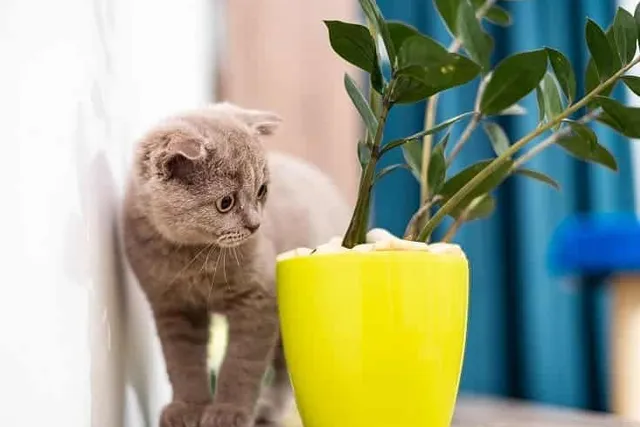
It’s a good idea to keep houseplants out of reach of your cat. Even non-toxic plant varieties will fare better if they are kept from your cat's teeth and claws. Cats love to play and plants are a very easy and entertaining target. Try placing your plants in places that your cat cannot get to. You could even look into display shelves that can be hung on the wall.
Use Citrus or Vinegar
Cats do not like the smell of citrus or vinegar, and both work great as a deterrent. If your cat likes to get into your plants, try spritzing them with pure citrus juice or some vinegar. Make sure your plant can handle the acidity of both of these, as citrus fruits and vinegar are very acidic and could potentially harm the plant.

Try a Spray Bottle
You can try using a spray bottle of water to keep your cat's curiosity out of the plants. This is not recommended regarding toxic plants, as they should not be anywhere near your cat. Spray bottles can work as an in-the-moment deterrent.
Try Cat Grass or Catnip
Cat grass and catnip are two separate plants, but both are perfectly safe for felines. Try growing some cat-friendly plants of your own and you won’t have to worry about whether your cat is messing around with the plant. Both plants are easy to care for and do not require a green thumb. They are also low in price and very easy to replace.
Trim Your Plants Regularly
If you have plants that vine or hang low, make sure to trim them up regularly to prevent those vines from enticing your cat to play. If your cat starts batting them around, chances are the plant could be destroyed. Trimming regularly may help keep some of the mischievousness at bay. This is also not recommended for toxic plants, as they shouldn’t be close enough to be in reach of the cat at all.

Create a Plant Room
Not everyone will have enough space to dedicate to plants, but if you do, create your very own plant room that your cat does not have any access to. You could even start a greenhouse in the backyard if you wish. This will ensure you can enjoy your plants and your pets without the worry of toxicity affecting the animals. Some tents can be purchased that act like mini-greenhouses that take up much less space in the home.
Choose Fake Plants Instead
There’s nothing wrong with purchasing artificial plants to put on display, especially if you only use plants as décor. The plus side? You don’t have to have a green thumb and you don’t have to worry about forgetting to water them. It may seem like the lazy way out but is certainly much safer for your cats.
What to Do If Your Cat Eats Anthurium
If your cat ingests Anthurium, it’s best to contact your veterinarian for some advice. Depending on how many oxalate crystals they were exposed to, the symptoms can range from mild to severe. You will want to keep a close eye on them and make sure to follow all your veterinarians’ instructions.
If they are presenting symptoms of serious pain or are struggling to breathe, contact your veterinarian or local animal emergency services right away.
If you need urgent veterinary advice, consult a vet online.
Conclusion
Anthurium plants are toxic to cats due to the insoluble calcium oxalates. Since these plants have a different toxic mechanism than those with soluble calcium oxalates, the symptoms differ. If you suspect your cat has ingested a houseplant that is known to be toxic or is potentially toxic, you need to contact your veterinarian or a pet poison helpline for further assistance.
Sources
Featured Image Credit: hansbenn, Pixabay
Expert cat care, straight to your inbox
News, insights, and useful advice, delivered to you.

No spam — unsubscribe anytime.
By signing up, you agree to our Terms & Conditions and Privacy & Cookies Policy.
How useful was this post?
Click a star to rate. You can leave written feedback afterwards. (We read all feedback.)
Lindsey and her husband enjoy traveling the US with their kids and photographing wildlife. Her passion is to educate others on the importance of proper animal care, with an emphasis on reptiles and exotics since their care requirements can be much more complex. She is also a huge advocate for bully breeds. She feels most at home in the forest either on horseback or in hiking boots.