Is Lysol Toxic To Cats? Ver Reviewed Concerns & Safety Tips


In this article
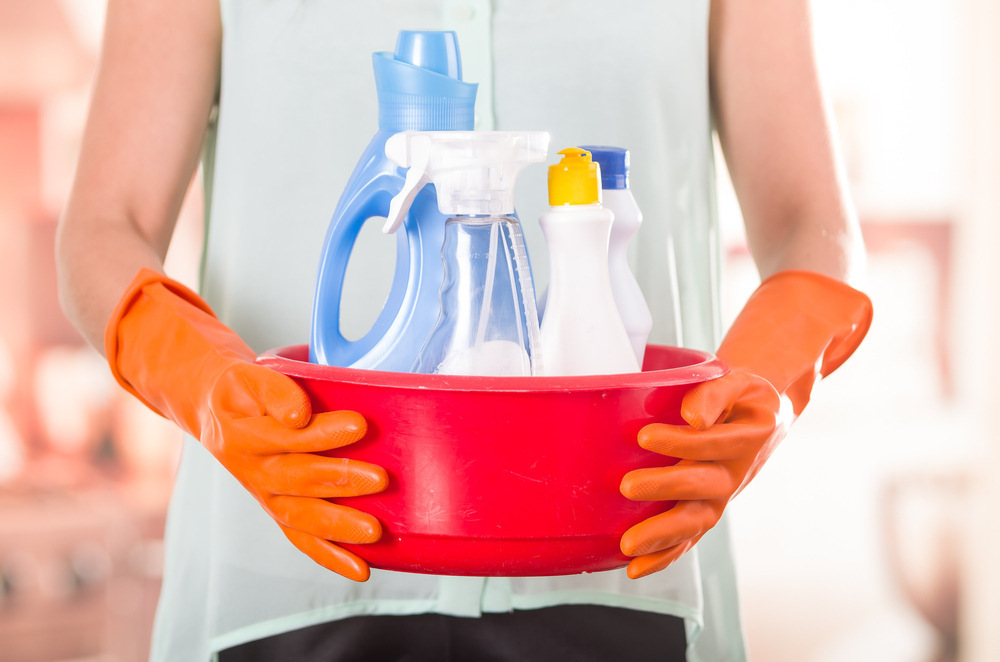
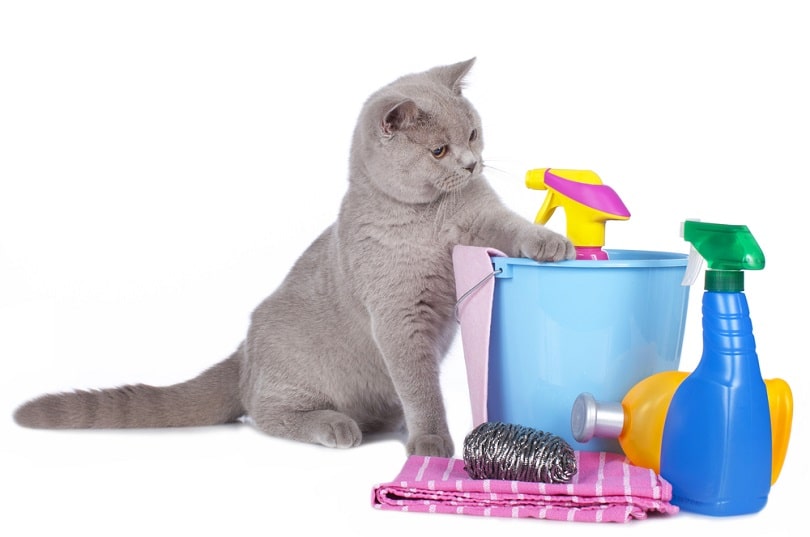
When you adopt a pet, you will probably find yourself cleaning more often. However, many of the cleaners that we use are filled with harsh chemicals. They get the job done in the fight against germs, but they also have the potential to be dangerous to other living creatures.
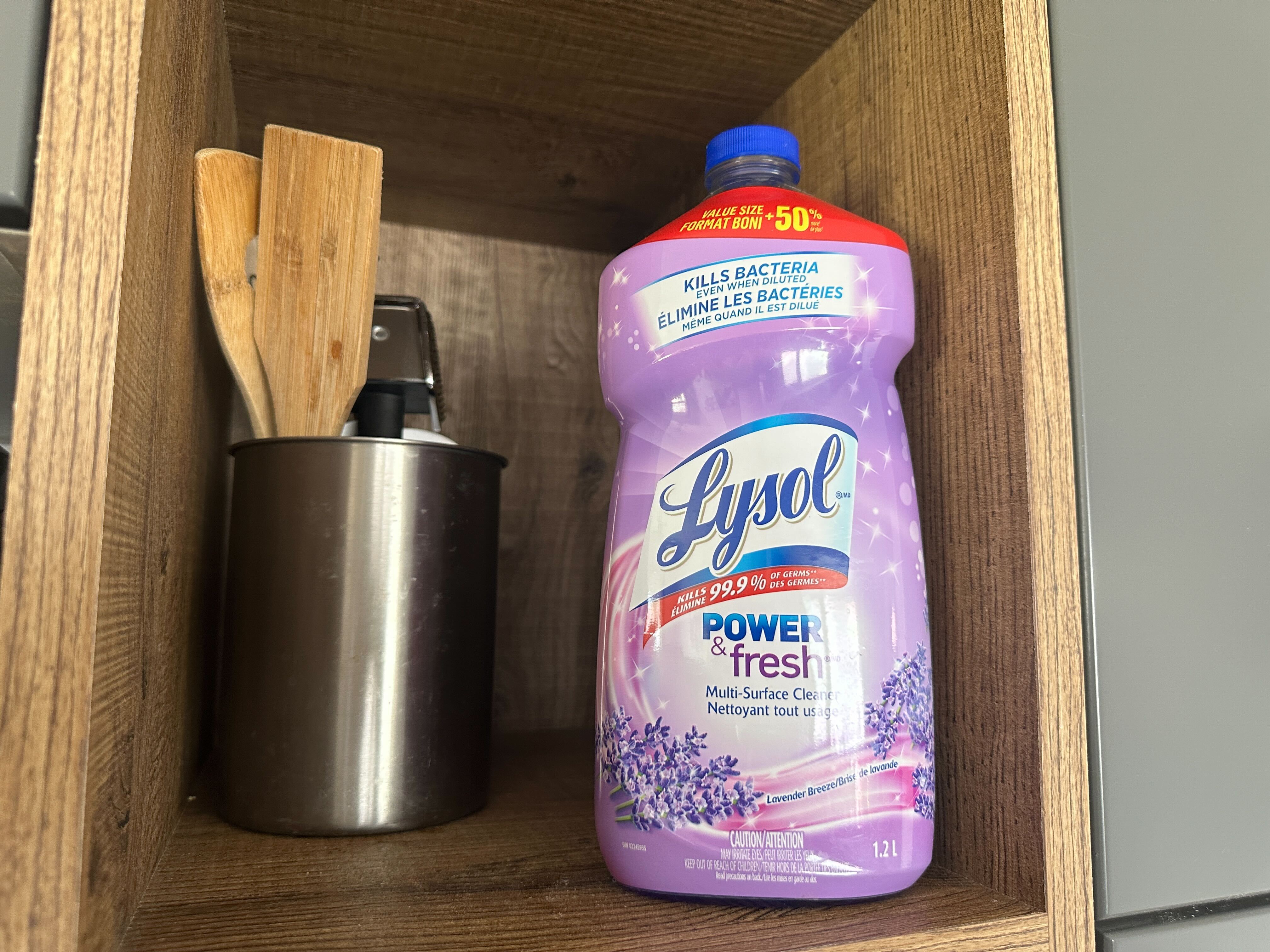
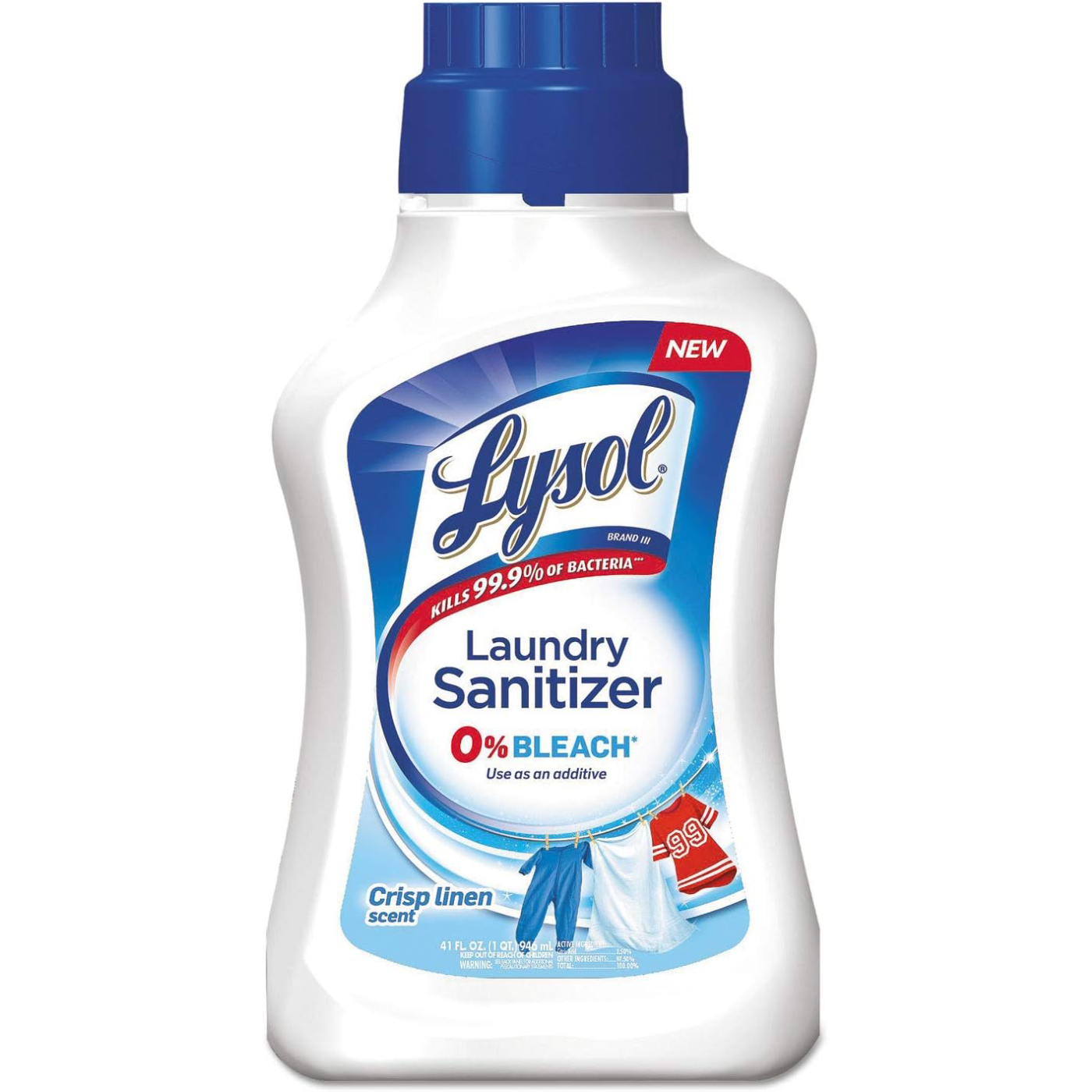
If you use cleaners like Lysol, you might wonder if you are doing your part to keep your cat safe. Can household cleaners such as Lysol hurt cats?
Lysol products can pose a danger to cats if they come into contact with, inhale, or ingest them. However, if you keep your cat away from recently cleaned areas until the Lysol has dried out, it shouldn’t be harmful to your pet.
In this article, we go over using household cleaners if you have cats and what kinds of cleaners are safer to use around animals in your home.

Are Household Cleaners Like Lysol Safe for Cats?
Almost any chemical household cleaner will pose some form of danger to your cat. However, as a general rule, household cleaners such as Lysol or Clorox are safe to use in homes with pets if they are kept out of rooms being cleaned until you have finished cleaning the area and the product has dried.
One of the active ingredients in some Lysol products is phenol. All animals are susceptible to phenol toxicity, but cats are particularly at risk due to their grooming habits and their inability to process phenol due to a deficiency in the enzyme glucuronyl transferase. Other toxic ingredients in Lysol products can include ammonia, bleach and ethanol or isopropyl alcohol.
Whenever animals are in the home, it’s especially important to carefully follow the bottle’s instructions. Always keep cats away from surfaces that are still wet with the cleaner. Once the cleaned area is dry, it usually no longer presents a danger to your pet.
Reading the label often gives you valuable instructions on how to use it, not only for your cat’s safety but also for yours. For example, cleaners like Pine-Sol instruct you to dilute them with water.
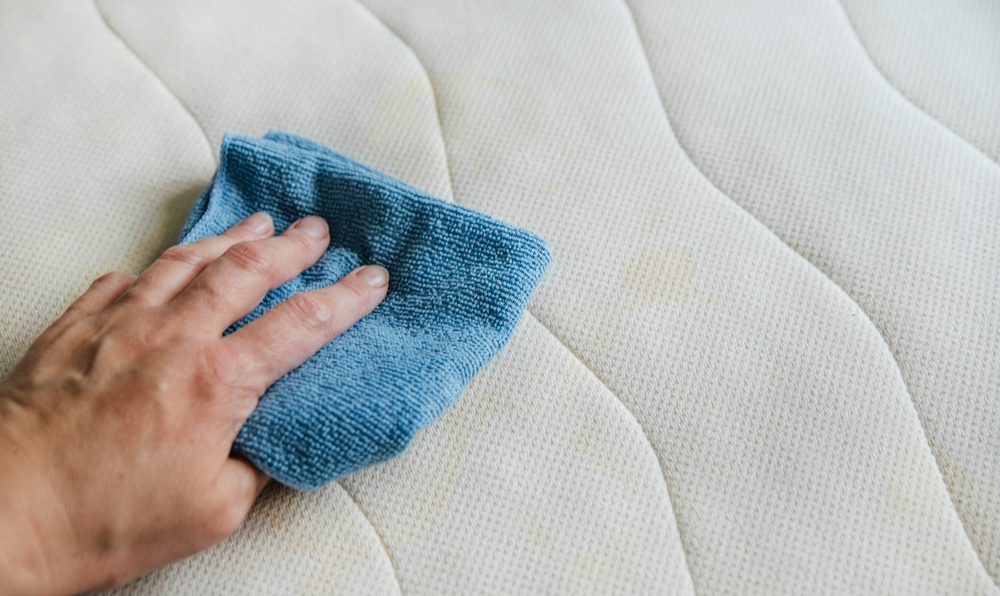
Even once you do dilute them down, though, it is best to ensure that the cleaner and water mixture is completely dry wherever it is applied. Do not allow your cat to walk on it or lie down on surfaces that are still wet.
Signs of Toxicity in Cats From Household Cleaners
Cats can be accidentally exposed to household cleaners like Lysol in several ways. They can come into contact with it, or inhale, lick or ingest it leading to toxic effects. In fact, household toxins (like cleaning products and paints) are one of the top 10 toxins that are reported to the ASPCA Animal Poison Control Center each year.
Lysol can be distributed as an aerosol spray which cats can inhale if they are in close proximity, leading to irritation of their airways and potentially breathing issues.
If your cat walks or lies on a cleaned area before the Lysol dries it will come into contact with their paws and skin and be licked when they groom themselves.
Your cat will experience different reactions depending on whether the cleaning product came into contact with their skin or if they licked, ingested or inhaled it.
Signs of Toxicity to Household Cleaners Can Include:
If you know your cat has been exposed to a cleaning product such as Lysol, locate the product’s label and contact your veterinarian or the Pet Poison Helpline straight away to discuss the potential concerns and what action needs to be taken.
Choose Pet-Safe Cleaners
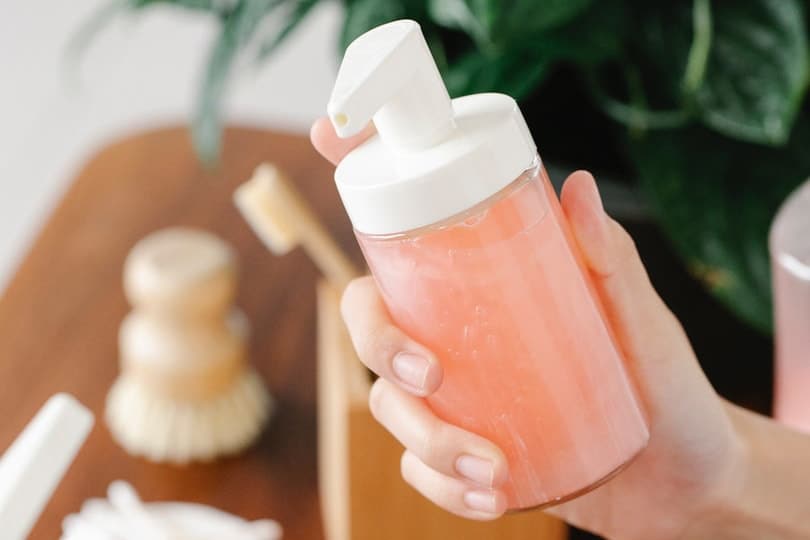
Some cat owners are nervous about using cleaners when their cats are in the house, even if they are not near the spot. One solution to this is to find cat-safe household cleaners.
Unfortunately, this is not as easy as it sounds. There are options available that are environmentally friendly and biodegradable, but even these products can contain essential oils. Although these oils are often not as harmful to the environment because they are naturally derived, many essential oils are toxic to cats.
Do not worry, though. You can keep your cat safe around cleaning products by making sure they don’t come into contact with them and preventing exposure.
Ways That You Can Protect Cats From Household Cleaners
By using household cleaners correctly, you can help protect your cat and other pets from damage. Look through this list to ensure that the cleaners you bring into the house do not cause any damage.
1. Store the containers properly
Start by storing them safely in an area you are sure your animals can’t get into. Any residue left on the exterior of the cleaning bottle can get licked and lead to chemical poisoning. If you need to, put a child safety lock on the outside of these doors.
2. Keep cats away from areas where cleaned surfaces are still wet

If you use a cleaner, keep your cat away from the area being cleaned until it is dry. Keep them in a different room so they don’t inhale any harmful volatile organic compounds which can be distributed in aerosol sprays, and don’t allow them to step on or roll in the cleaner.
3. Read and closely follow the directions
As long as you follow the cleaner’s directions closely, it should be easy to keep it in a safe form for your animals. Many cleaners have been tested for safe use around the home. That means making them safe not only for humans but smaller creatures as well.
4. Monitor your cat if they come anywhere near the area

Once you are finished cleaning, monitor your feline until you are sure that the cleaned area is safe for them.
5. Watch out for signs of adverse effects
Cats are sneaky creatures. Just because you didn’t see them in the area doesn’t mean they didn’t get mixed up with the cleaner when you weren’t looking. It is best to continue to watch for any signs of adverse effects and contact your vet for advice if you have any concerns.
Conclusion
We hope this article helped shed some light on Lysol and whether it can harm your cat. As we mentioned, as long as the recently cleaned area is dried, your cat should be fine. However, coming in direct contact with Lysol on the skin or ingesting or inhaling it can be dangerous for your cat—and yourself. If that happens, contact your vet immediately.
See Also: Are Peace Lilies Toxic to Cats?
Featured Photo Credit: absolutimages, Shutterstock

Expert cat care, straight to your inbox
Vet-reviewed advice, behavior tips, and the best of Catster. Free, and you can unsubscribe anytime.
By signing up, you agree to our Terms & Conditions and Privacy & Cookies Policy.
Christian started writing for a local newspaper as a teenager, and he's been involved in the publishing industry for most of his adult life. Combining his love of writing with a passion for animals, he is currently the Director of Editorial at Pangolia and the Editor-in-Chief at Catster.
Christian lives in the Philippines with his wife, son, and four rescue cats: Trixie, Chloe, Sparky, and Chopper.
Join the conversation
Ask a question, share your story, or send private feedback.