9 Ways to Keep Cats Out of a Sandbox: Vet Approved Tips & Advice


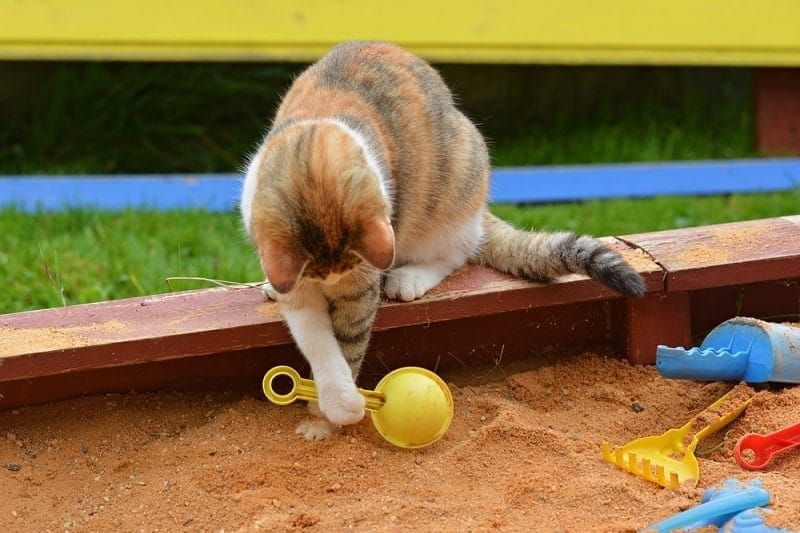
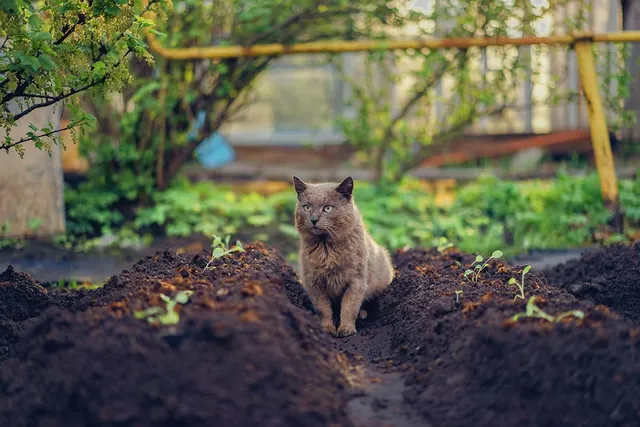
Sand is among a cat’s favorite hangout spots, and if you have an outdoor sandbox, you know how quickly cats can turn it into their restroom of choice.
Without a doubt, you wouldn’t want your kids sharing their sandbox with a kitty, especially if they are feral. But you all know that figuring a way to keep the animals out of sandboxes can be challenging.
The good thing is, there are a few helpful solutions that can help to keep the kitties out of your sandbox! Keep reading for valuable insights.

Why Do Cats Love Sandboxes?
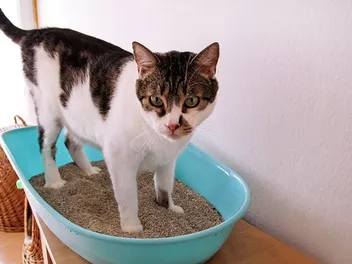
Cats love sandboxes because they offer a natural outlet for felines’ instincts. In the wild, cats naturally excrete in sandy soil because they like the soft texture. The looseness and softness of sand allow cats to paw and sweep the sand in a backward sweeping motion to cover their mess and hide their scent.
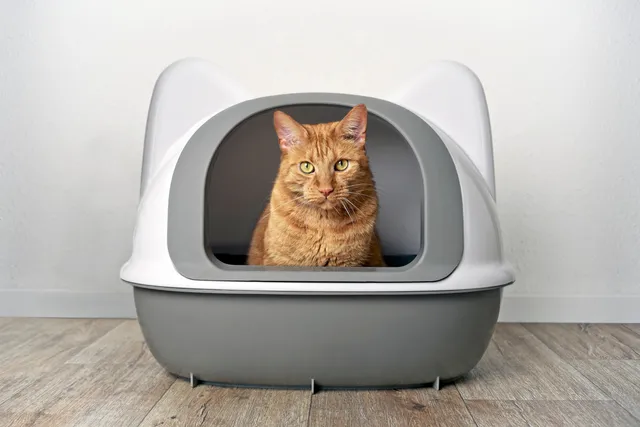
Yes, this is why the most popular types of litter in pet stores often appear grainy and gritty to imitate the outdoor ground. Although the sand is generally safe for cats to play in, cats defecating in the sandbox exposes both your family, the cats, and other animals to parasites.
For instance, a cat's feces harbor toxins and parasitic diseases like roundworms and toxoplasmosis that can spread to humans, especially the kids playing in the sand. So, it is best to keep cats out of the sandbox, even if they are healthy.
It's vital to keep in mind that your kitty or your neighbor's cat isn't eliminating waste in a sandbox because they’re difficult or problematic. Instead, they’re following their nature, so any means you use to stop them should be humane and safe to the animal.


The 9 Ways to Keep Cats Out of a Sandbox
1. Cover the Sandbox
One of the most straightforward solutions to keeping cats out of a sandbox is always to cover the box whenever no one is playing in it. This solution is not only helpful with felines but also prevents foreign objects from getting in the sand.
The good thing is most sandboxes come with covers for keeping rain and animals out when it’s not in use. Better still, you can DIY your lid using material like shade fabric, lattice, or wood. These lids should be easy for you to put back on and off and so heavy that wind and animals cannot remove them.
2. Fence the Sandbox
You can fence the sandbox area to keep cats on the other side. It’s vital to remember that this option may not work unless you cat-proof the bar because kitties are renowned wall climbers.
You can use chicken wire because anecdotally, kitties dislike the feeling of walking on such wires. A rabbit-proof fence or garden fencing can be a great option as well.

3. Clean the Sandbox
Another great trick to use is to remove existing waste by emptying a dirty sandbox. This serves more than just a hygienic purpose. Felines have an acute sense of smell and can smell one another’s excretion. They can also smell out their favorite “litter box” - in this case, your sandbox. Therefore, it’s best to remove all waste from feral and neighborhood cats and change the sand frequently.
4. Keep Your Cat Indoors as Much as Possible
If your cats are using your sandbox, the simplest solution would be to keep the pets in the house. Yes, it is humane, safe, and recommended by vets and cat experts.
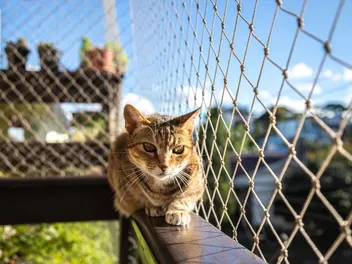
Don’t worry if your kitty was more of an outdoor pet; they can still adjust to the indoor lifestyle. All you have to do is provide your cat with lots of play toys, perches, and shelves for them to climb. You can even train them to adapt using a leash. Alternatively, you can set up a “catio” for them with their own sandbox!
By doing so, your cats won't have access to the children’s sandbox, and they'll be safer indoors, safe from attacks from other cats, dogs, and wild animals. You'll also prevent them from damaging your garden or killing other animals like birds.

5. Create a Cat-Friendly Zone Near the Sandbox
Prevent felines from spending time in your sandbox by taking their mind off it. You can do it by creating an alternative area a few meters away from the sandbox where they'll enjoy playing in.
You can place cat litter over a patch on the ground and mix it with some sand. Cats may discover the new place and keep off your kid's play area. If the animals still don’t use it, try tricking them with treats like catnip by sprinkling some on the patch to draw their attention.
6. Install a Motion-Sensitive Water Sprinkler Near the Sandbox
One thing you can be sure of is that kitties typically hate water. Therefore, putting an automated water sprinkler near the sandbox should help you get rid of the animals. However, this sprinkler needs to be strategically placed, as it can also make the sand into mud!

Though pricey, a motion-activated water sprinkler can scare away the cats up to a distance of several feet away. There's no need to set up a whole system since one head can work as long as you point it towards the sandbox.
Plus, you can also use these devices as lawn sprinklers.
7. Spray Commercial Scent Deterrent Around the Sandbox
You can get a variety of cat-repellants from pet stores to deter cats from your sandbox. However, these products are not well researched, and in essence, you will be taking a gamble when you use these products. Spray the repellant around the sandbox's perimeter when it's dry or right after it has rained to prevent the chemicals from washing away in rainwater.
Also, remember to spray once a week or as soon as it stops raining. Please note that commercial repellants have chemicals that could be harmful to humans, especially the children who directly contact them in the sand. Always purchase non-toxic commercial repellants from certified local pet supply retailers.
8. Supervise Your Cat’s Playtime
If predators and feral cats from the neighborhood can’t access your yard, you can let your kitty companion outside periodically. However, you should only do it if you can supervise their activities or engage with them.
By doing so, you’ll be able to control the amount of time your cat spends in the sandbox.
9. Train Your Cat
Try to refrain your cat from reaching the sandbox. You can start by picking them and moving them elsewhere if you notice them heading for the sandbox.
Sometimes, simply saying “NO” may not work. You may need to use the reinforcement trick by finding an alternative behavior you want your cat to adapt to instead of the sandbox and reinforce it.
For instance, you can try clicker training, playing with toys near the sandbox, encouraging your cat to use toys other than the sand, or using a disciplinary tone if they head towards the undesired area. Your cat will gradually learn what you like and dislike and may keep off the sandbox.


Summary
Allowing cats to access the sandbox is potentially dangerous, especially for the kids that handle the sand during playtime. Thankfully, keeping the cats out of your sandbox shouldn’t be difficult anymore now that you have many solutions to choose from. You can even try all the options before you find the most effective solution. However, while at it, ensure that you don’t harm the cats.
You might also like:
Featured Image Credit: Marie Charouzova, Shutterstock
Expert cat care, straight to your inbox
News, insights, and useful advice, delivered to you.

No spam — unsubscribe anytime.
By signing up, you agree to our Terms & Conditions and Privacy & Cookies Policy.
How useful was this post?
Click a star to rate. You can leave written feedback afterwards. (We read all feedback.)
Christian started writing for a local newspaper as a teenager, and he's been involved in the publishing industry for most of his adult life. Combining his love of writing with a passion for animals, he is currently the Director of Editorial at Pangolia and the Editor-in-Chief at Catster.
Christian lives in the Philippines with his wife, son, and four rescue cats: Trixie, Chloe, Sparky, and Chopper.