Are Maine Coon Cats Hypoallergenic? Vet-Verified Facts & FAQ

In this article
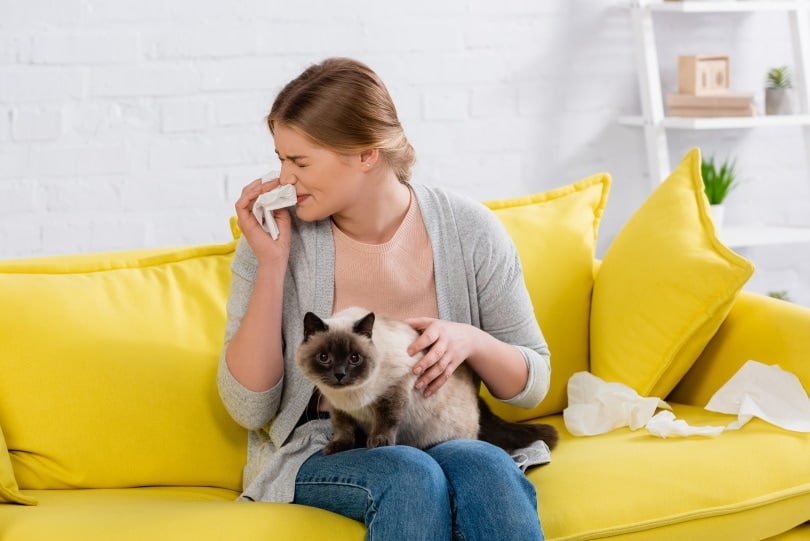
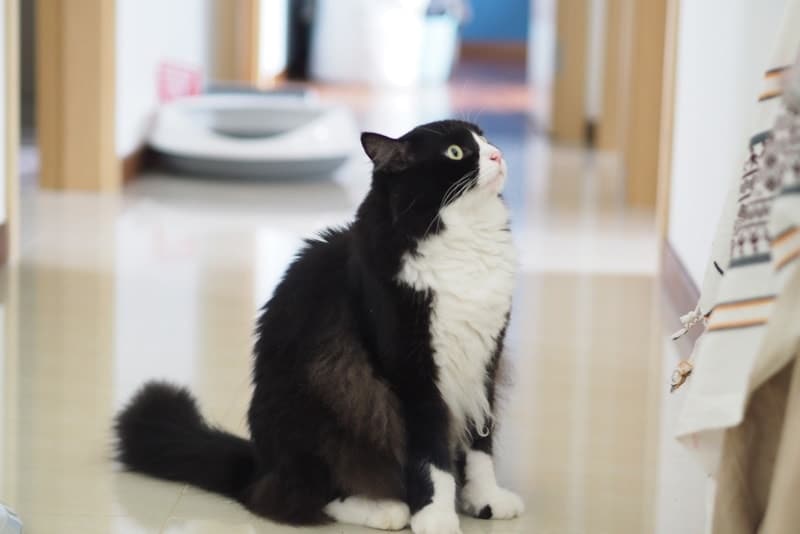
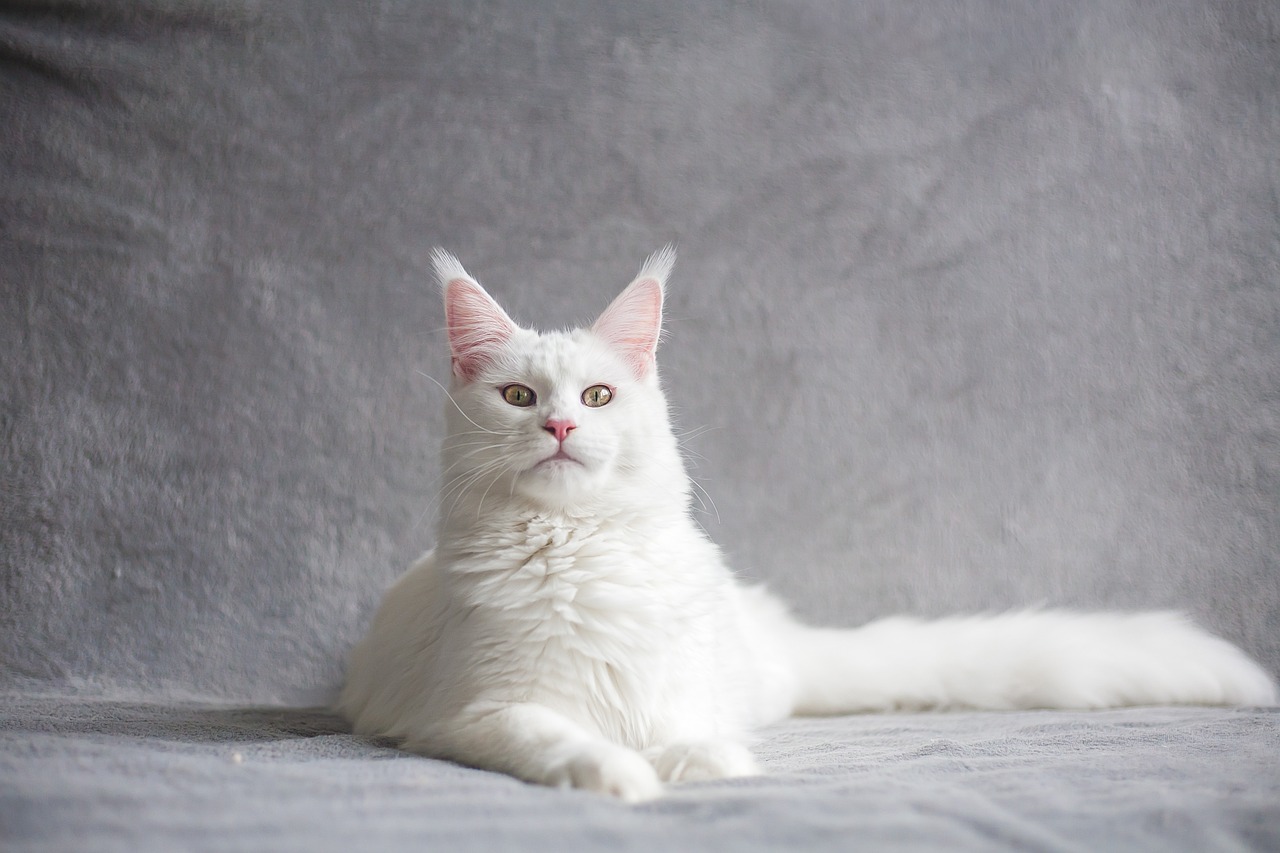
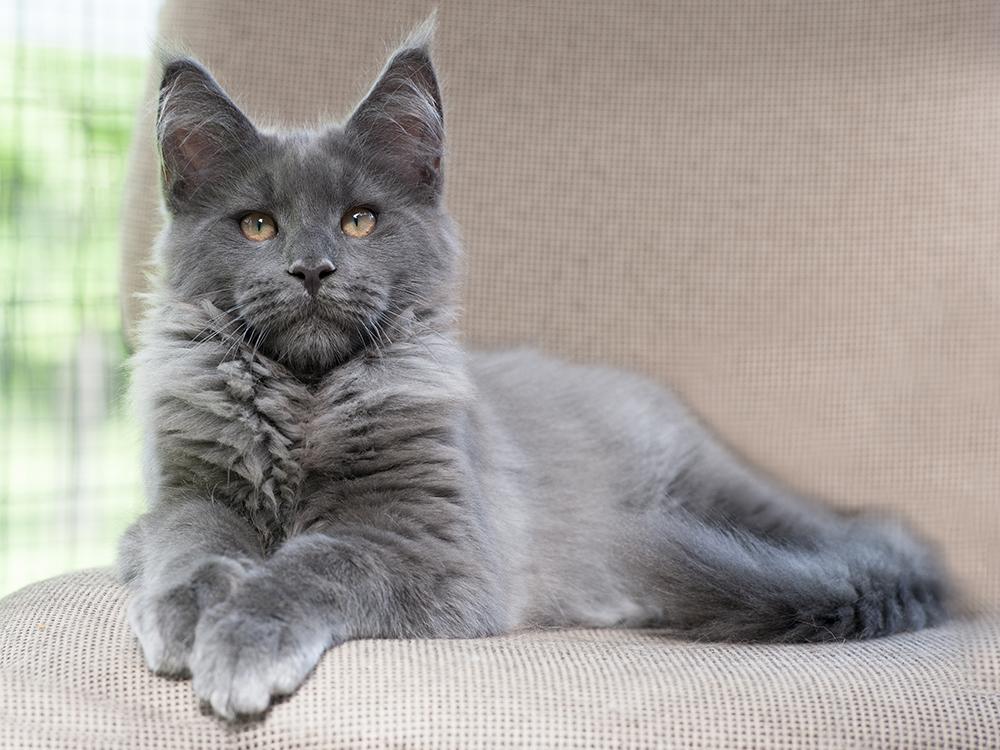
The Maine Coon cat is a stunning breed adored for many reasons. Unfortunately, it is not a suitable choice for people with cat allergies. Maine Coons are not hypoallergenic, and they can trigger allergic symptoms in sensitive individuals.
To find out more about Maine Coon cats and why they are not hypoallergenic, keep reading. This article tells you all about cat allergens and how to live with a Maine Coon with allergies.

Hypoallergenic Cats Meaning
Hypoallergenic is a term that can be used to describe earrings, skincare products, or pets. When it comes to pets, hypoallergenic simply means that the animal is less likely to trigger an allergic response. The reason for this would be that the animal sheds fewer potentially irritating substances or allergens than other animals.
It’s important to note that there is no such thing as a 100% hypoallergenic cat. All cats have the potential to trigger allergic reactions. While it’s often believed that short-haired breeds are less likely to cause allergies than long-haired breeds, this isn’t necessarily true. In fact, even hairless cats are not hypoallergenic.

Maine Coon Allergies
Even though many people assume that it is the animal's fur causing the allergic reaction, it is, in fact, certain allergens or proteins, primarily Fel d 1, produced and shed in the animal's skin, urine, and saliva.1 When cats groom themselves, these proteins spread onto the fur and are later released into the environment through dander and shedding.
How allergenic a cat is depends largely on how much Fel d 1 it produces and how easily that allergen is dispersed, rather than coat length alone. While shedding and dander can increase exposure, long hair itself does not cause allergies. Individual cats—even within the same breed—can produce very different amounts of allergen.
Cats tend to trigger allergic reactions more often than dogs because Fel d 1 is lightweight and remains airborne for long periods. This is also why no animal is truly hypoallergenic: all mammals have skin and produce allergens to some degree. However, some individuals shed and disperse fewer allergens, making reactions milder for certain people.
Are There Hypoallergenic Cats?
There are no truly hypoallergenic cats, but some breeds are often reported to produce or spread lower levels of allergens—particularly the Fel d 1 protein—than others. Compared to dogs, fewer cat breeds are considered potentially lower-allergen, and individual variation within any breed can be significant.
Breeds such as the Siberian and Balinese are frequently cited as producing lower levels of Fel d 1, although they can still trigger allergic reactions in sensitive individuals. For this reason, managing cat allergies remains important, even when choosing a breed considered more allergy-friendly.
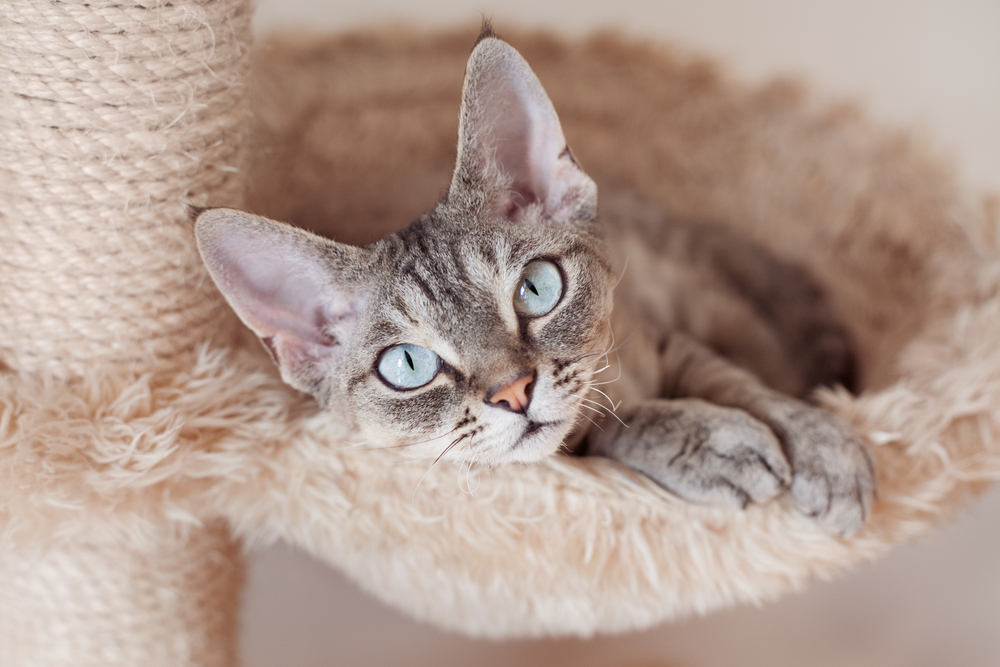
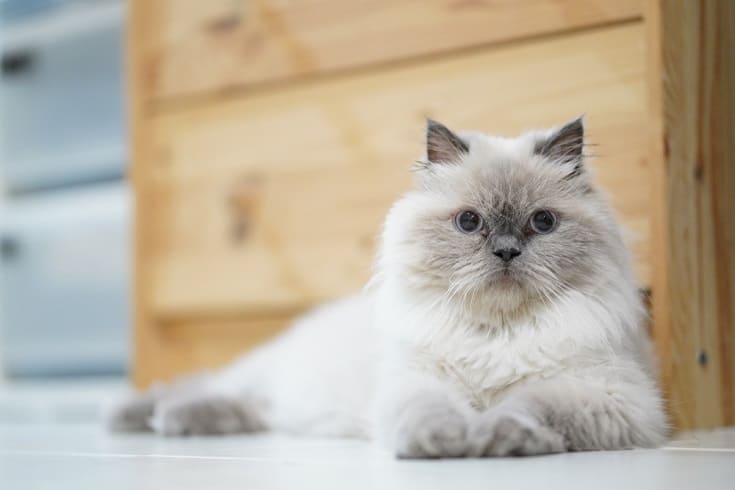
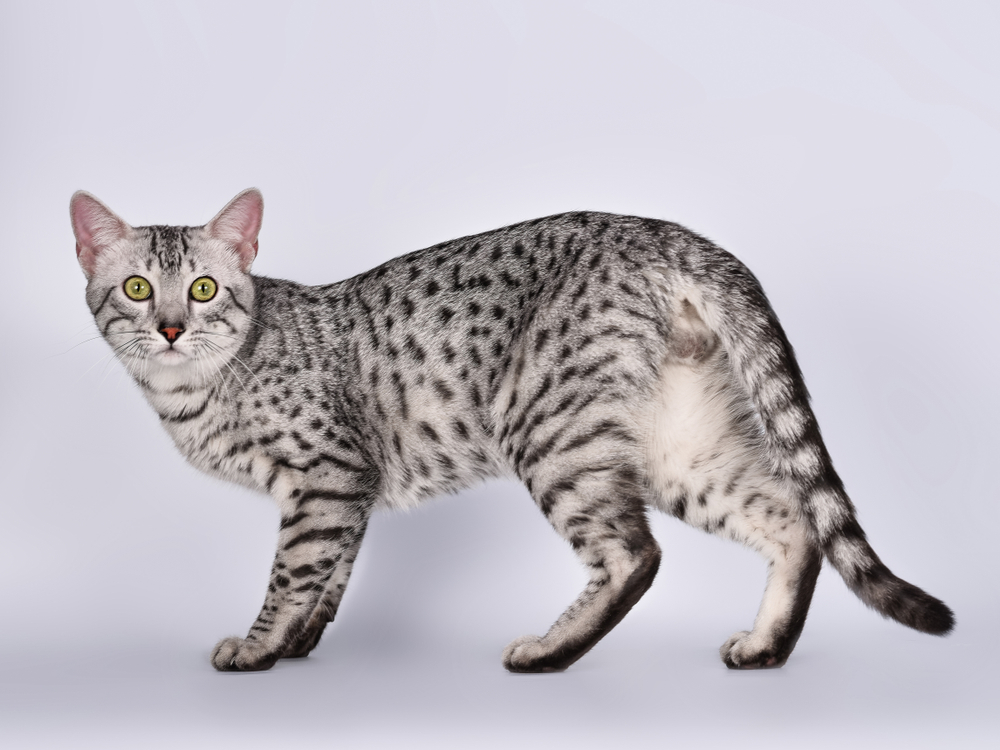
Breeds sometimes described as lower-allergen include:

Signs of Cat Allergies
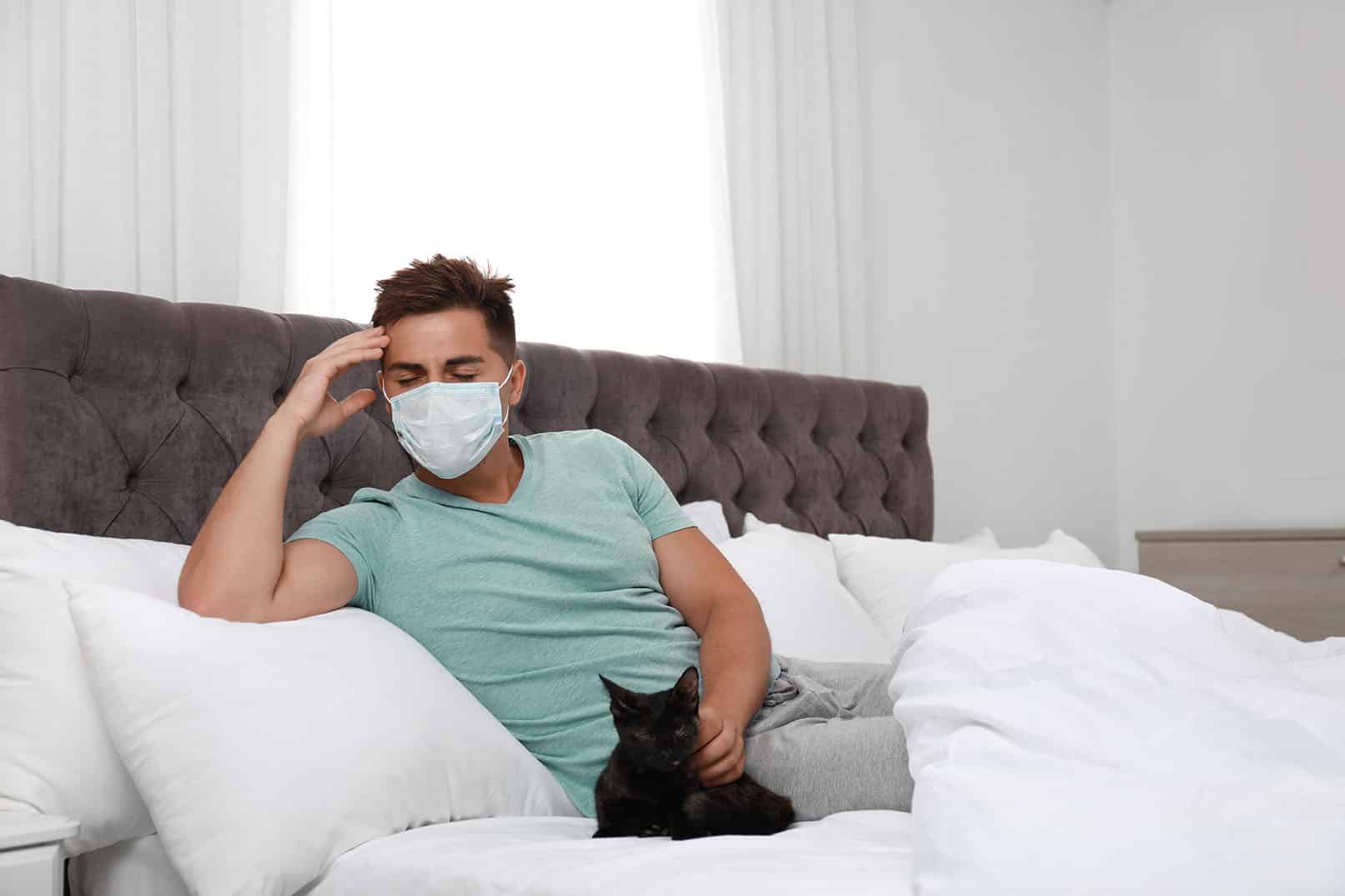
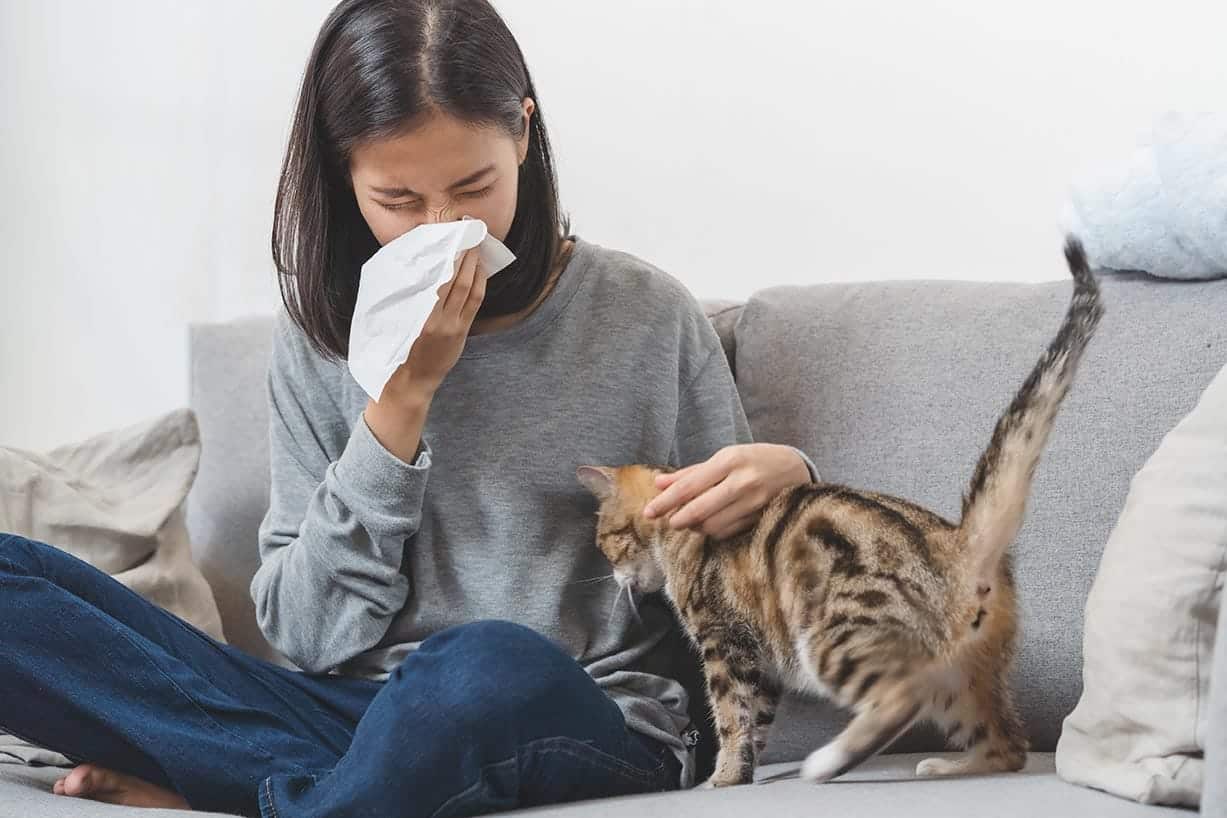
Signs that you are having an allergic reaction to a cat are very similar to hay fever. Most often, people will experience the following symptoms:
If you have asthma, cat allergies can trigger additional symptoms as well, such as:
When to See a Doctor
If you have cat allergies, it is essential to see a doctor. A doctor may be able to recommend an over-the-counter or prescription-strength allergy medication. An allergy medication will not target the cause, but it will make the symptoms more manageable.
You should especially see a doctor if the allergies are triggering any severe reactions, such as asthma. Call your doctor immediately if you are having difficulty breathing, tightness in your chest, or shortness of breath.

Are Maine Coons Hypoallergenic?
Maine Coon cats are a loved breed, but they are not known for being hypoallergenic. Like many other cat breeds, Maine Coons are not hypoallergenic. If you have frequent cat allergies, it is best to go with a different cat breed because Maine Coon cats are likely to trigger allergies.
In general, female cats tend to produce lower levels of the Fel d 1 allergen than male cats, particularly when compared to intact males. Neutered males also typically produce less Fel d 1 than unneutered males. However, allergen production varies between individual cats, regardless of sex or breed. People with mild allergies may find they tolerate certain cats better than others, but this can’t be guaranteed and should ideally be assessed through direct exposure rather than relying solely on medication.
Why Aren't Maine Coons Hypoallergenic?
Maine Coon cats are not hypoallergenic because they produce and spread the Fel d 1 protein allergen, which is found in their skin, saliva, and dander. Their thick, long fur can trap this protein, and because Maine Coons shed year-round, the allergen is released into the environment whenever loose hair and dander are shed.
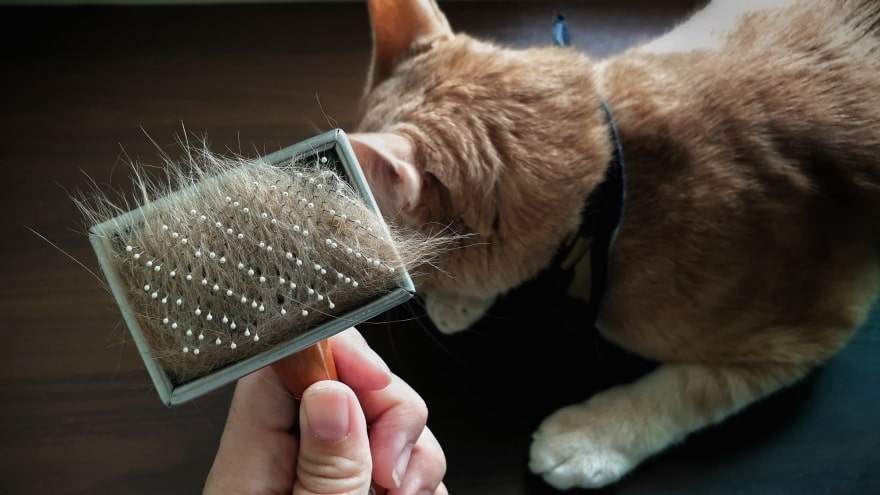
Grooming habits also play a role. Maine Coons spend a lot of time self-grooming, spreading saliva containing Fel d 1 onto their fur. When the saliva dries, the allergen can transfer to surfaces or become airborne, potentially triggering allergic reactions in sensitive individuals. Regular grooming and brushing can help reduce loose fur and dander, but they do not eliminate allergen exposure entirely.
What If I Still Want a Maine Coon?
If you have cat allergies, it’s important to first consult your doctor to determine whether adopting a cat is safe for you. Allergic reactions can be serious, and a healthcare professional can help assess your risk. Next, spend time with the individual Maine Coon you are considering. Allergens vary between cats, so exposure to a specific cat may help you gauge whether your symptoms will be manageable.
While some people with mild allergies do live happily with Maine Coons, we generally do not recommend adoption for allergy sufferers, as even careful management cannot fully eliminate exposure to Fel d 1. Female cats and certain grooming routines may reduce allergen levels slightly, but there is no guarantee that symptoms won’t occur.


The 7 Ways to Minimize Cat Allergies
There are some ways to minimize cat allergies. Taking extra care of your Maine Coon can help reduce the spread of the cat dander, making it more friendly for allergy sufferers.
1. Brush & Bathe Your Cat Regularly
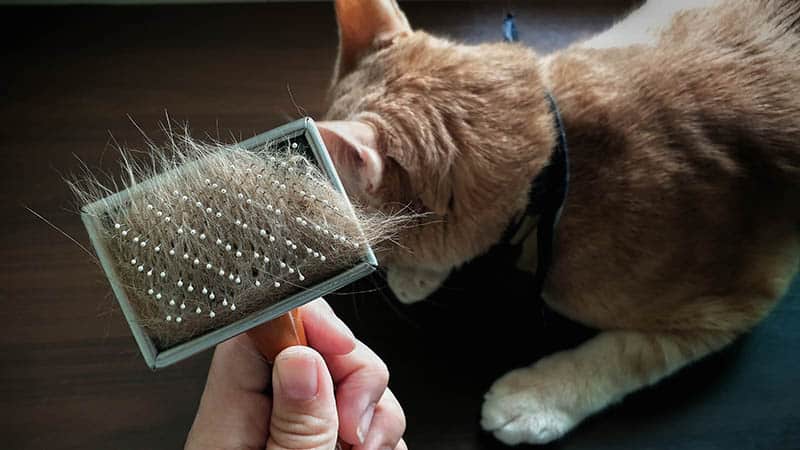
Make sure to brush and bathe your cat regularly. Brushing your cat will remove excess dander from the fur before it has a chance to spread around your home. Similarly, bathing your cat removes excess protein from the cat's body. Even though most cats hate being washed, Maine Coon cats love the water, making this an effective option for this breed.
2. Wash Your Hands After Petting the Cat
Additionally, wash your hands after you pet or brush your cat. Every time you touch your cat, the protein from their body sticks to your hand. Simply taking a few minutes to wash your hands will minimize allergens and the spread of the protein.
3. Minimize How Often You Touch Your Cat
If you can help it, try to minimize how often you touch your cat. Once again, every time you touch your cat, the protein sticks to your hands. Not petting your Maine Coon, or minimizing how much you pet them, will make a big difference.
4. Don't Let Your Cat Lick You
The protein allergen that triggers allergic reactions is found in cat saliva. Do not let your cat lick you. Many people find that the protein in the saliva creates rashes and other unwanted reactions.
5. Clean Your Home
If you have a cat, you probably do this already, but make sure to clean your home well, and do so wearing a face mask. Cleaning your home regularly partially removes the cat allergens that are attached to the surfaces throughout the home. Part of cleaning your home includes keeping the air clean. Change out your air filter frequently since pets dirty up the filter very quickly. Use a HEPA air filter specifically.

6. Set Limits in Your House
Instead of letting your Maine Coon free roam your entire house, set limits on where they can go. Train your cat not to enter certain rooms, such as bedrooms or any other room that you especially don't want the protein allergen to be in. Doing so will minimize allergies by minimizing allergen exposure.
7. Talk to Your Doctor
Medications help you manage the symptoms of allergic reactions. There are tons of over-the-counter allergy medications you can select. If over-the-counter options are not strong enough, you can also talk to your doctor about selecting a prescription-strength allergy medication.

Final Thoughts
Unfortunately, Maine Coon cats are not hypoallergenic, but there are some ways to minimize your allergic reactions to a certain degree. Given that all cats produce the protein allergen, it's a good idea to learn about minimizing allergic reactions, regardless of whether you select a Maine Coon breed.
By spending extra time grooming your cat, cleaning your house, and taking allergy medication, even allergy sufferers can live happily among a stunning Maine Coon.
Featured Image Credit: Okeanas, Shutterstock

Expert cat care, straight to your inbox
Vet-reviewed advice, behavior tips, and the best of Catster. Free, and you can unsubscribe anytime.
By signing up, you agree to our Terms & Conditions and Privacy & Cookies Policy.
Christian started writing for a local newspaper as a teenager, and he's been involved in the publishing industry for most of his adult life. Combining his love of writing with a passion for animals, he is currently the Director of Editorial at Pangolia and the Editor-in-Chief at Catster.
Christian lives in the Philippines with his wife, son, and four rescue cats: Trixie, Chloe, Sparky, and Chopper.
Join the conversation
Ask a question, share your story, or send private feedback.