How To Keep Flies Away From Cat Food: 4 Vet-Reviewed Tips & FAQ


In this article
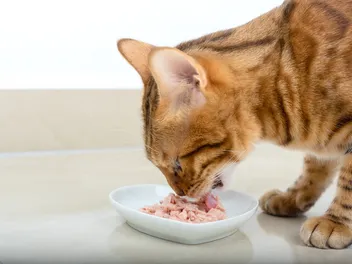
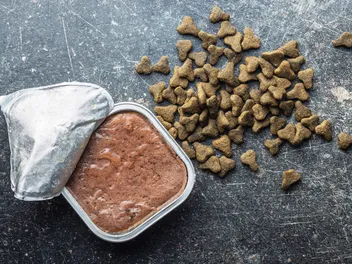
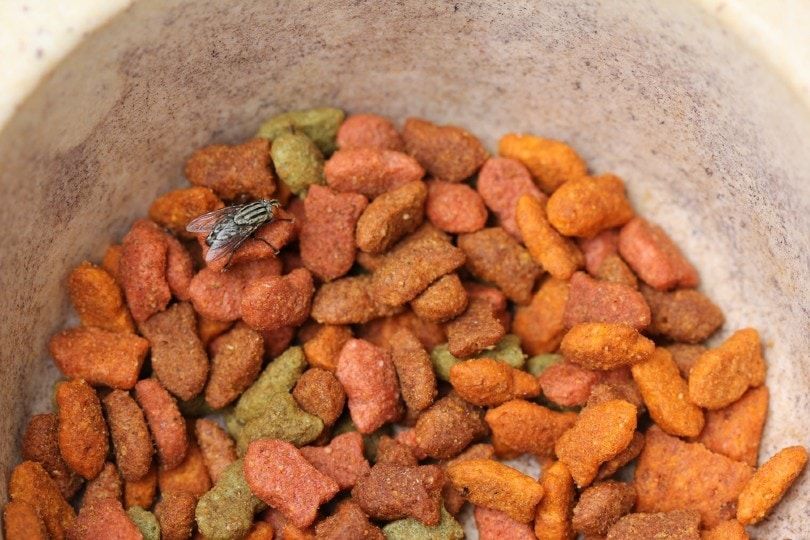
High-quality wet food is tasty, high in moisture, and rich in protein, but it does come with one major drawback—flies. Wet cat food is the ultimate fly paradise because it congeals quickly, especially in summer.
If you’ve been having issues with flies around your cat’s food, there are a few things you can try to nip this unpleasant situation in the bud. Read on for our top tips.

How to Keep Flies Away from Cat Food
1. Food Covers and Fridge Storage
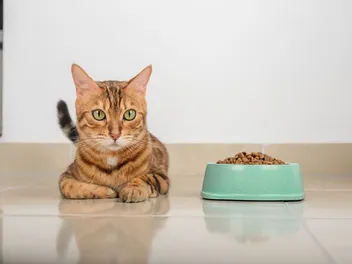
If your cat tends to eat a little then come back a bit later for more, you might want to consider a food bowl with a cover. This can undoubtedly help keep flies out, but there is an issue here. It’s not safe to leave wet cat food out for long periods of time, so food covers are only good if your cat eats their food over a short period.
Most pet food brands advise throwing out pet food that has been kept out at room temperature after 1–2 hours, but this will greatly depend on the ambient temperature and humidity. However, if you’re looking to buy a bit of time for your session eater, food covers could be the way to go. Alternatively, place the food back in the fridge and offer it to your cat later on.
2. Location
Try feeding in a cool, shaded area. This may slow down the rate of decay and keep flies at bay. Shaded, well-concealed spots also provide your cat with an environment that feels secure and comfortable while they eat. Always feed your cat indoors as it’s easier to keep flies under control than it is outdoors. Food left outside will also attract other insects and wild animals, such as coyotes that may harm your cat or worse.

3. Pest Control
Before using any indoor insect sprays even though they may be labeled as cat-safe, consult with a veterinarian and make sure they do not contain any permethrin, which is highly toxic to cats. Never apply the insect spray on or near your cat, and make sure the area has been cleaned and well-ventilated before your cat is allowed back in.
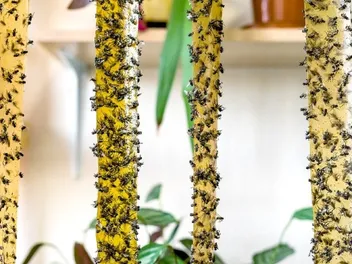
Before feeding your cat, scan the area for flies and eliminate them before they can get at your cat’s food. If your cat eats in the kitchen or utility room, you might want to try fly traps, but hang them up high enough so your cat can’t get at them. These may not stop every fly from reaching its target, but they can reduce the number that does. Use window and door fly screens that will reduce the number of flies inside your home.
4. Freshen Up the Feeding Area
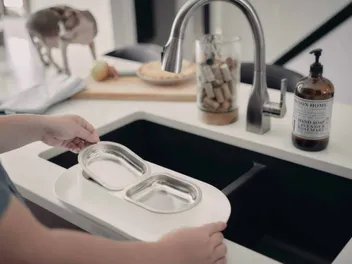
When your cat is done with their food, move quickly to prevent it from spoiling and the feeding area from becoming a fly hotspot. Throw out the food if it has already been out for 1–2 hours (or whatever your pet food brand advises) or refrigerate it if it hasn’t been out long. Then, wipe down the feeding area to get rid of any remnants of food that may attract flies.


FAQ
Why Are Flies Attracted to Cat Food?
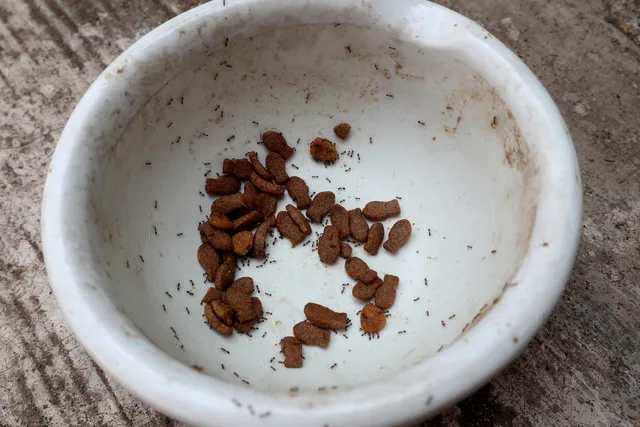
Fresh food products, including cat food, especially if beginning to spoil, offer flies the ideal breeding ground because it feeds their larvae. Food degrades rapidly in hot weather, so be extra vigilant in summer as you’re more likely to spot flies hovering around your cat’s food at this time.
Do Flies Lay Eggs on Cat Food?
Yes, particularly when the food is decaying because it attracts them and feeds the larvae. This is why it’s so important to get rid of spoiled food to prevent a maggot situation.
My Cat Ate a Fly, Will They Be Okay?
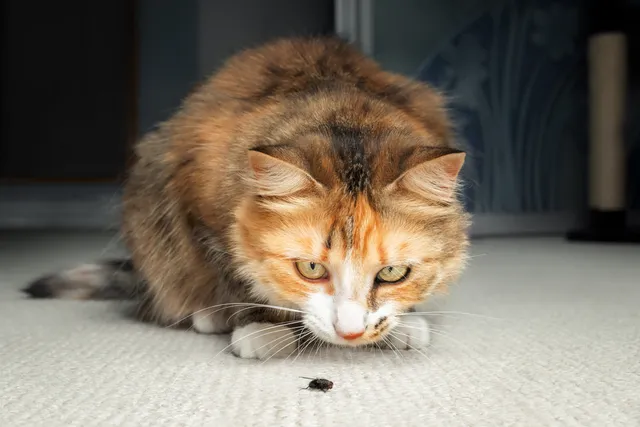
Cats have a thing for creepy crawlies due to their natural instinct to hunt, so it’s not unusual for them to chase and eat a fly now and then. If your cat eats a single fly, it’s unlikely to cause them any serious harm. That said, flies may contaminate the food and other areas of your home with bacteria they carry on their feet and body, or they may pass certain parasites to cats if they get ingested, which may result in gastrointestinal signs, while bacteria can cause further food spoilage. If your cat eats spoiled food, they can also experience a stomach upset. Contact a vet if you spot eggs or worms in your cat’s poop and/or if they’re experiencing vomiting, diarrhea, or lethargy.

Conclusion
As unpleasant as it is, there are steps you can take to get flies around your cat’s food under control and prevent them from laying eggs on it. Not leaving food out for long periods of time and keeping your cat’s eating area cool, well-concealed, and spotless are the best ways to tackle the problem before it becomes a real issue.
You can also make use of pet-safe fly sprays approved by a vet and free of permethrin and traps to at least reduce the number of flies that make it to your cat’s food bowl. Good luck!
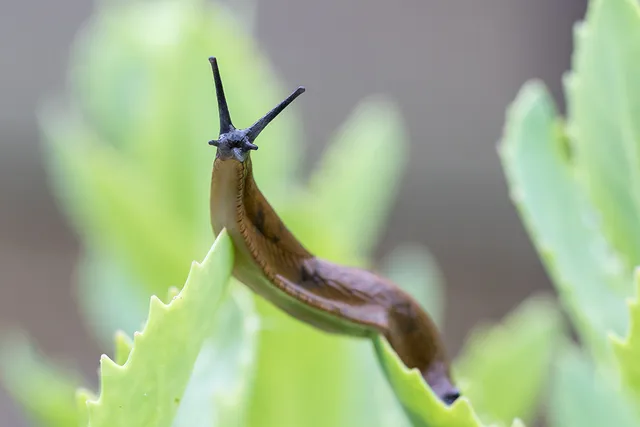
Related Reads: How to Keep Slugs Away From Cat Food: Vet-Approved Tips
Sources
Featured Image Credit: laila63, Shutterstock

Expert cat care, straight to your inbox
Vet-reviewed advice, behavior tips, and the best of Catster. Free, and you can unsubscribe anytime.
By signing up, you agree to our Terms & Conditions and Privacy & Cookies Policy.
Kit Copson is a freelance writer and lifelong animal lover with a strong interest in animal welfare. She has parented various furry beings over the years and is currently a proud cat mom of two—one very chilled (unless hungry) Siamese and a skittish but adorable Domestic Shorthair—and dog mom of one—an adopted Bichon Poodle cross. When not writing about or spending time with animals, Kit can be found doodling in her sketchpad, reading, or more often than not, drinking tea.
Join the conversation
Ask a question, share your story, or send private feedback.