Can Cats Eat Crackers? Vet-Verified Facts & Safe Alternatives

In this article
Our feline friends expend so much of their energy during the day playing or hunting down food. The more active their bodies get, the higher the metabolic rate. That means that they will eventually get exhausted and will need sustenance. But can we feed them anything outside of the regular kibble and wet food? If humans can eat crackers, how about cats?
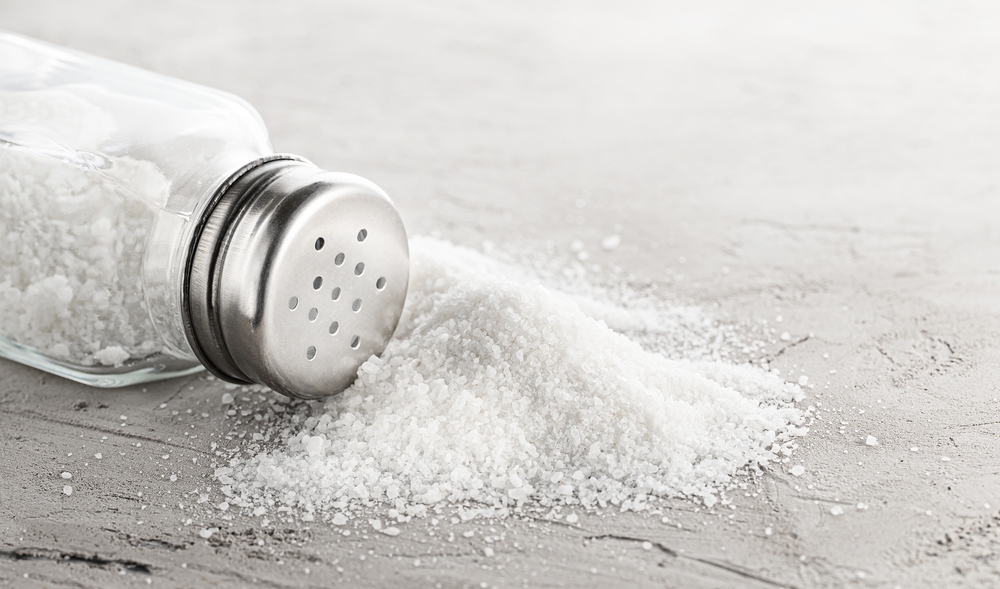
Crackers are well known for their high salt and carbohydrate content. So, can cats eat crackers? Plain crackers are not toxic to cats, but that doesn’t mean you should feed crackers to them. Crackers are not considered a healthy treat for your cat. That said, if your cat steals a piece, they should be just fine.

What Are Crackers Made Of?
Naturally, a cracker is made from baking flour. Yeast could be used in the preparation process. That in itself makes crackers the wrong choice for treating your cats. But that is not all. Typical crackers contain some additives like a generous amount of salt and some herbs. They also sometimes have additives that give them a cheese scent.
The high amount of carbohydrates and salt can pose health issues to your kitty, such as stomach discomfort and intestinal problems.
Finally, some substances used in preparing crackers may be toxic for your cat, like garlic powder and onions.

Any Nutritional Benefits?
There are different types of crackers. Some are considered healthier than others. Whole grain options provide a higher amount of fiber, while others contain unhealthy fats and added sugars. However, locating healthy crackers on store shelves is tough. It may turn out to be a hit or a miss, plus those benefits won’t necessarily pass to your cat.
You may not expect your cat’s body to benefit from any useful vitamins or mineral salts just because they have savored some crackers. They will just be packing some weight resulting from the high amount of sugar and oil! Likewise, the fiber might not be appropriate for a cat, either. A sudden influx of a high amount of fiber in a cat’s diet may also lead to episodes of digestive distress.
When Can Cats Have Crackers?
Sometimes you may be enjoying your crackers, and your sweet kitty keeps staring at you pleadingly so much that you cannot ignore the urge to give them one or two. The first step would be going through the ingredients sections to find out what constitutes the crackers.
Too many spices will not work for them. So, if you see anything dubbed as being on the spicier end, run away from it. Remember, anything in the Allium genus should also be avoided, i.e., garlic, onions, leeks, chives, shallots, etc.
The other precaution you want to consider is the quantity of crackers the cat is eating. If you have decided you are letting your cat try your plain crackers, start out with a tiny portion to see how your cat responds. Also, break the crackers up to make them smaller so you avoid any possibility of choking.
You will not want a situation where the cat now prefers crackers to their actual cat food. That will be detrimental to their health. So, make this a very occasional treat.

Possible Side Effects of Giving Your Cat Crackers
Right off the bat, we want to note that cats do not have the same digestive systems as that of humans. That means that they may not be in a position to break down some substances effectively.
That being said, crackers contain a pretty high amount of sodium. If your cat eats too many and they have no access to fresh water, they can potentially suffer from dehydration or salt poisoning, although this seems highly unlikely.
A large amount of carbs and fats can cause digestive problems in cats. Vomiting, diarrhea, nausea, and lack of appetite can occur if your cat eats too many crackers. Even if not toxic, they are not the type of food your cat can digest or is used to eating.
Crackers vs. Biscuits
While the names may be used synonymously in countries such as the United Kingdom, where crackers are called savory biscuits or, sometimes, watery biscuits, these two do not generally mean the same thing.
Crackers are some flat and baked substances that are hard. They usually contain some salt and are often topped up with some cheese and other herbs.
Biscuits are more sugary than crackers (though this may not always be the case. Some crackers are also sweet, e.g., graham crackers). Although they are also flat and baked, they are commonly smaller than crackers.
The long and short of this is that crackers do not connote the same thing as biscuits, or as some people call them, digestives. They do both bring similar nutritional value to your cats, which is little to none.

Healthy Alternatives to Crackers for Cats
Even without crackers, there are still many foods to give your cat that will add actual value to their body. They will provide most if not all of the necessary nutrients required for a healthy and disease-free body. You can prepare small pieces of baked chicken, turkey, beef, or pork, for example.
If you are considering giving any fruits or vegetables to your cat, there are some safe options you can offer. However, we would not recommend this. If you feed your cat a commercial complete and balanced food appropriate for their life stage, regardless of the texture, they are receiving all the nutrients they need from their diet.
Also, be careful not to give your cat more than 10% of their daily calorie intake in the form of treats. And always double check with a vet that any human food you are planning to feed your cat is suitable for them. Any extra foods should only act as complements to their diet. Also, since the inorganic options are processed foods on the shelves, check out the ingredients before settling for one. Ensure that there are no artificial additives and preservatives that may cause bloating to your cat.
Bottom Line
In a nutshell, crackers are not healthy foods for cats. Even though they may not be poisonous or toxic, there are better alternatives. Avoid them, or feed them in moderation if you must.
Related Reads:

Expert cat care, straight to your inbox
Vet-reviewed advice, behavior tips, and the best of Catster. Free, and you can unsubscribe anytime.
By signing up, you agree to our Terms & Conditions and Privacy & Cookies Policy.
Christian started writing for a local newspaper as a teenager, and he's been involved in the publishing industry for most of his adult life. Combining his love of writing with a passion for animals, he is currently the Director of Editorial at Pangolia and the Editor-in-Chief at Catster.
Christian lives in the Philippines with his wife, son, and four rescue cats: Trixie, Chloe, Sparky, and Chopper.
Join the conversation
Ask a question, share your story, or send private feedback.