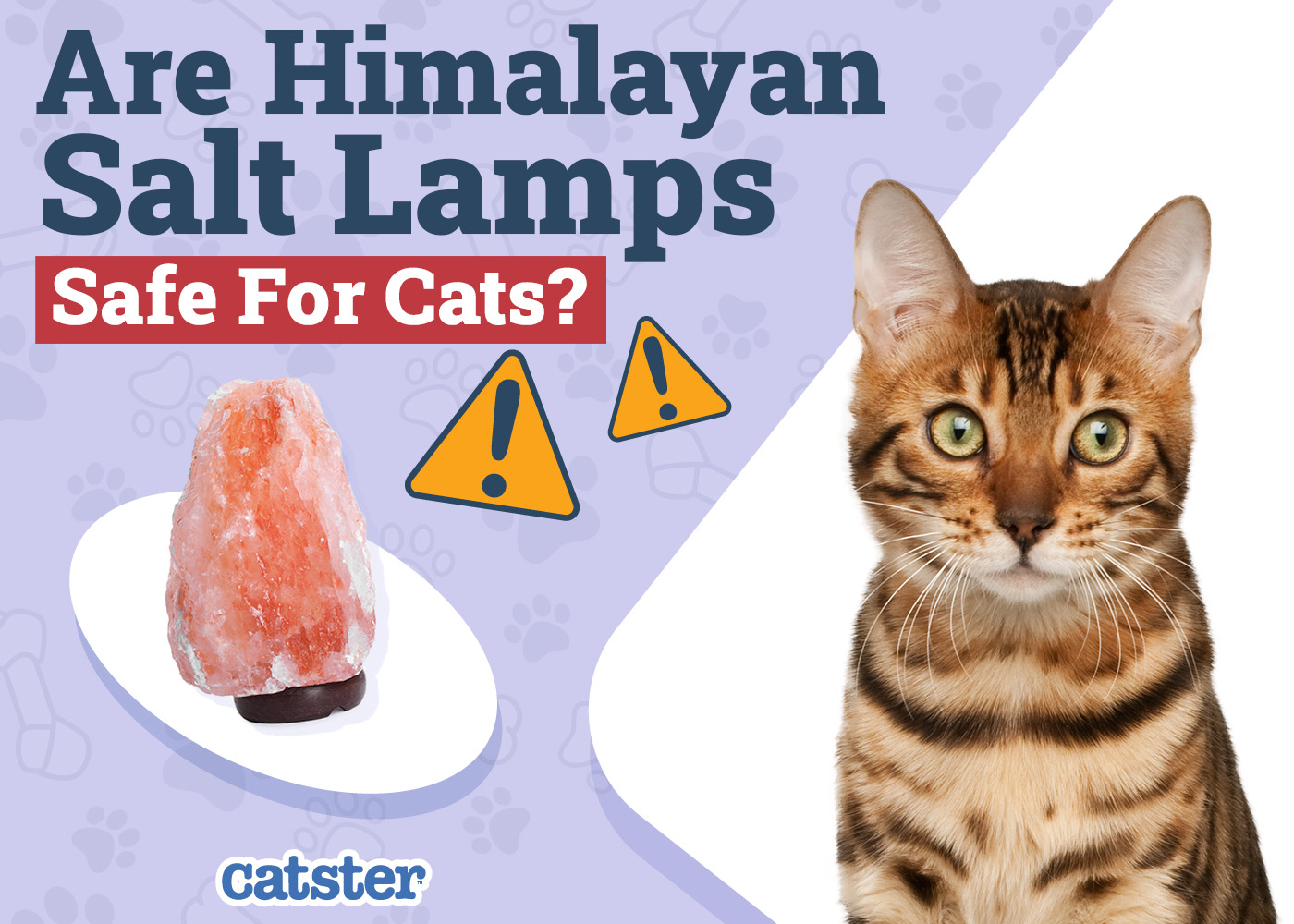
Are Himalayan Salt Lamps Safe for Cats? Vet Reviewed Facts


In this article
Himalayan salt lamps have become increasingly popular over the last few years. Their pink light creates a serene atmosphere and is excellent for “mood” lighting. Other benefits are advertised as well, including cleaner air, mood improvement, and better sleep. Himalayan salt lamps get their natural pink color from minerals found in mines in Pakistan, where they’re mined from.
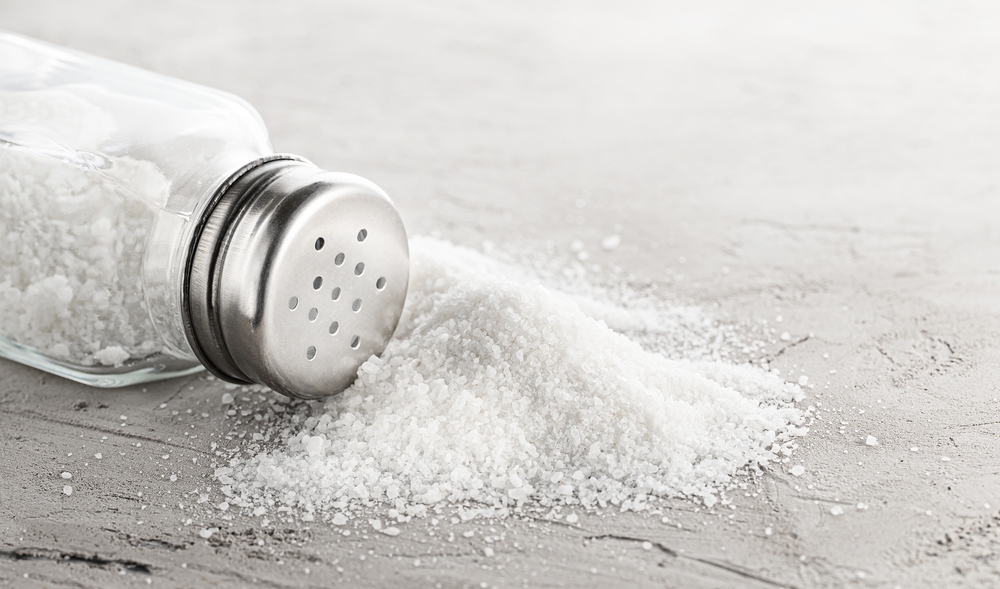
While Himalayan salt lamps may be beneficial to humans, that may not be the case of cats. In high amounts, salt can be toxic to cats. It can also be toxic for humans, of course, but it requires much more salt (and we usually don’t lick lamps).

Sodium Toxicity in Cats

Sodium is an essential mineral for cats. It is one of the critical electrolytes necessary for many functions throughout the body, including muscle and nerve function. It also controls the amount of fluid in your cat’s blood, which directly affects their blood pressure. Without enough salt, your cat can develop serious problems.
However, too much salt can be equally as troublesome. The kidneys usually adjust the amount of salt in your cat’s blood as necessary. However, they can only do so much. If your cat ingests too much salt, they will be unable to keep up, which can lead to salt build-up. Too much fluid will find its way to your cat’s blood, increasing their blood pressure. Cells may be derived of their fluid needs as the sodium pulls blood away.
Muscle and nerve dysfunction are possible as their blood pressure rises. The body will be unable to use the muscles appropriately, which can cause twitching and similar problems. The brain is also quite sensitive to rising sodium in the blood. For this reason, the first signs of salt toxicity are usually neurological.
Your feline may have trouble walking, difficulty seeing, confusion, or even seizures. Most cats seem to develop symptoms of dementia.
Is your cat presenting any of these signs? We suggest you speak with a vet online.
What Are the Odds of Salt Toxicity from a Salt Lamp?
Salt lamps don’t release any salt into the air or anything of that sort. To consume salt from a lamp, your cat would need to lick it. Cats are very nimble animals, so they can often reach salt lamps even if they are placed up high. Some felines won’t bother salt lamps at all, while others seem to get “addicted” to the salt.
If you notice your feline licking your salt lamp, it’s probably time to remove it or put it somewhere less accessible. Your cat would have to lick the lamp quite a bit to ingest too much salt. However, it is literally only salt.
Can Himalayan Salt Harm Cats?
It isn’t that it's just Himalayan salt that is harmful. If your cat consumes too much, all salt can be dangerous. While salt is necessary for your cat to function, they can overdose on it.
As we previously discussed, this is only a problem if your cat starts to lick the lamp. Even if you put the lamp on a shelf, most cats will still be able to reach it. Of course, some cats are more interested in salt lamps than others. You may have no problem with one cat, while another may seem unable to control themselves in the same room as the lamp.
In extreme cases, consuming too much Himalayan salt can cause serious health problems in cats, including death.

Is Salt Toxicity Treatable?
Luckily, if your cat ingests too much Himalayan salt, the condition can be treated by a vet. It is essential to go to the vet quickly as soon as you notice signs of salt toxicity. This is a severe condition and is an emergency. As your cat’s blood pressure rises, their organs can become damaged. To prevent irreversible damage, your cat needs fast treatment.
There isn’t a quick cure of salt toxicity. There is no way to remove the salt from your cat’s blood. Instead, treatment consists of IV fluids to help keep your cat’s blood pressure down and support the organs.
Electrolyte monitoring may also be performed to determine the level of salt in your cat’s blood. If dehydration or brain swelling occur, medications may be provided for those symptoms. This doesn’t treat your cat’s problem directly, but it does prevent it from doing as much damage as possible. Supportive care may be necessary as well, including sedatives if your feline has any significant neurological symptoms.
Many cats get confused when you combine an unfamiliar area with neurological symptoms. Often, sedatives are the best thing for this situation.
Conclusion
Himalayan salt lamps are a popular addition to many homes, however they're not a good mix for feline households. Cats are incredibly nimble and can easily access a salt lamp. Excessive salt intake via licking the lamp can have extremely detrimental effects. If you've observed your cat licking on a salt lamp, it's best to have them looked at by your veterinarian.
Featured Image: Pixabay

Expert cat care, straight to your inbox
Vet-reviewed advice, behavior tips, and the best of Catster. Free, and you can unsubscribe anytime.
By signing up, you agree to our Terms & Conditions and Privacy & Cookies Policy.
Kristin is passionate about helping pet parents create a fulfilling life with their pets by informing them on the latest scientific research and helping them choose the best products for their pets. She currently resides in Tennessee with four dogs, three cats, two fish, and a lizard, though she has dreams of owning chickens one-day!
Join the conversation
Ask a question, share your story, or send private feedback.