Can Cats Be Allergic to Dogs? Vet-Approved Facts & FAQ


In this article
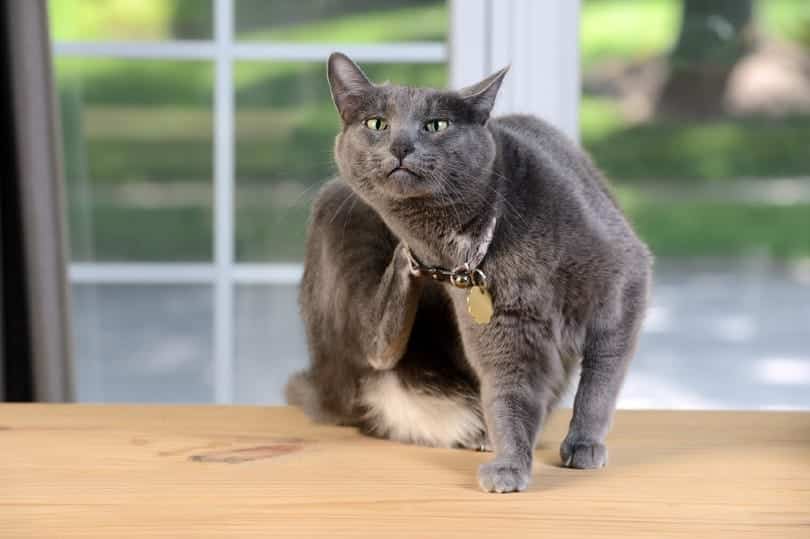
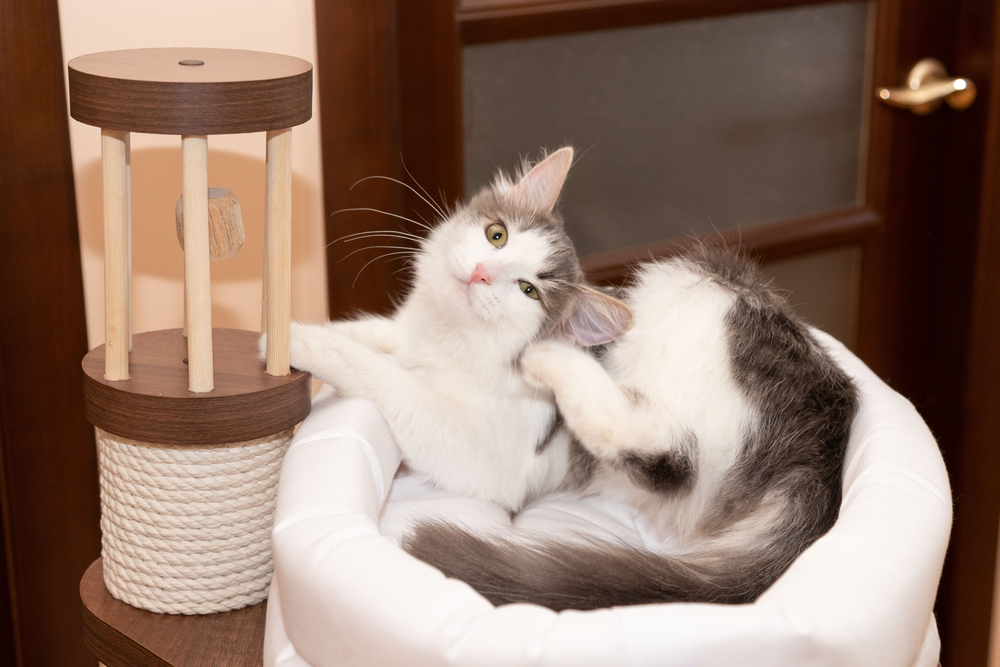
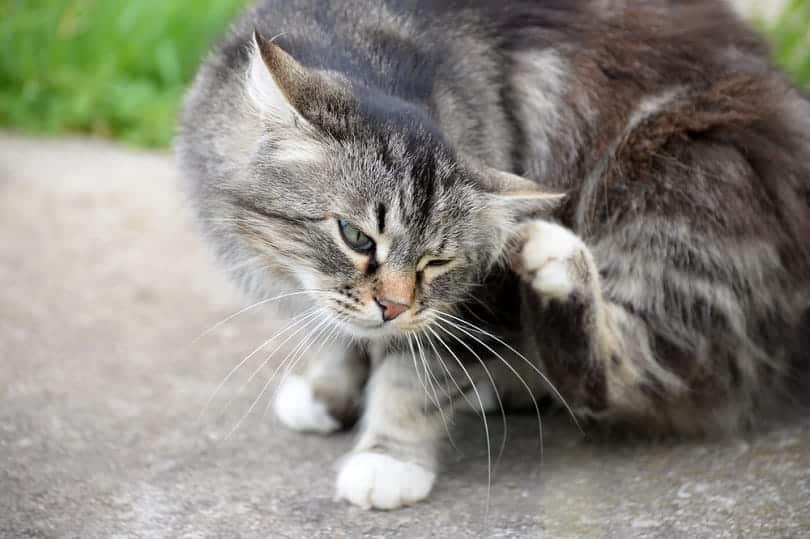
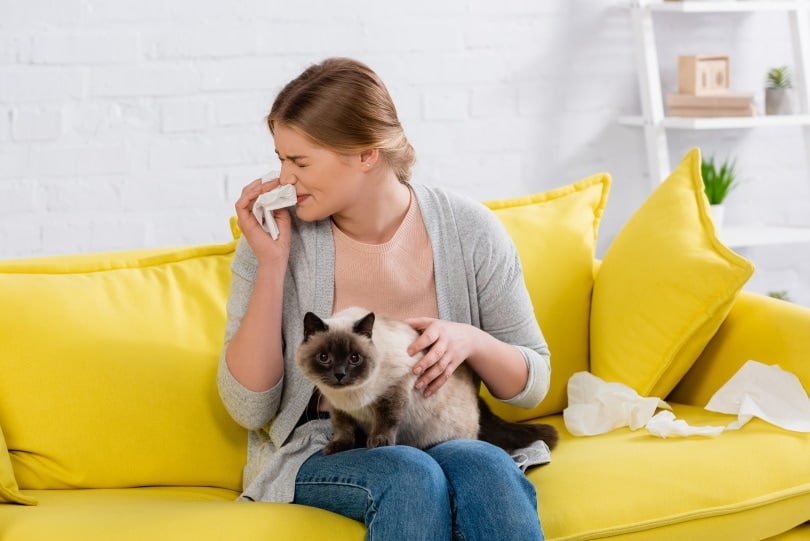
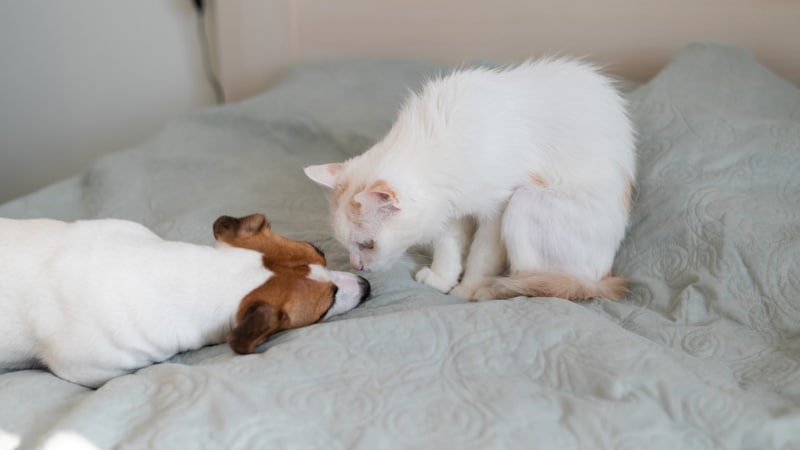
Cats can be allergic to certain food ingredients, flea saliva, dust mites, molds, and even outdoor particles like pollen from trees, grass, and weeds. Itchy skin, gastrointestinal problems, and even difficulty breathing can all be caused by allergies. If you have a cat at home who you suspect has allergies and a dog who loves to spend time with their feline friend, you may be wondering if your dog is the cause of your cat’s itchiness.
While it's not frequently seen and not well documented, cats can indeed be allergic to dogs. All dogs produce allergens to a greater or lesser extent, so unfortunately, there is no guarantee that a particular dog breed is less likely to trigger allergies in your cat. Your veterinarian is the professional to help you if you suspect that your cat is allergic to your dog.

What Are Allergies?
Allergies are diagnosed when a cat's immune system produces a major reaction to a foreign, otherwise harmless substance, more commonly known as an allergen. Cats' bodies identify allergens as out of place and kick into high gear to remove them.
Cat allergies are usually divided into three types: food, flea saliva, and environmental allergies. Allergies to flea saliva are quite common. They generally cause itching that can become so intense it results in fur loss. Food allergies are uncommon, and they mostly involve proteins such as beef, fish, and chicken. Severe skin itching and irritation, as well as digestive issues such as vomiting and diarrhea, are the most common signs.
Cats can also have reactions when their skin comes into contact with something they’re allergic to, such as insect bites or chemicals from a flea collar or shampoo. Irritated skin and itching are the most common signs. Environmental allergies, usually called feline atopic syndrome, describe reactions that are typically related to indoor or outdoor triggers, such as mold, dust mites, pollens, and dogs 1. Cats with feline atopic syndrome generally develop skin, gastrointestinal, and respiratory problems.

How Do Veterinarians Diagnose Atopy in Cats?
Veterinarians rely on cat examination and information provided by pet parents to get started. Skin scrapes and fungal cultures are used to ensure a cat's signs aren't being caused by other conditions such as mange or ringworm.
Testing is sometimes done to determine if there are yeast and bacterial infections that need to be addressed. Food and flea bite allergies need to be considered and sometimes ruled out or treated for atopy to be diagnosed in cats. It is important to note that it is not uncommon for a cat to suffer from more than one allergy at the same time.
How Do Veterinarians Test for Allergies in Cats?
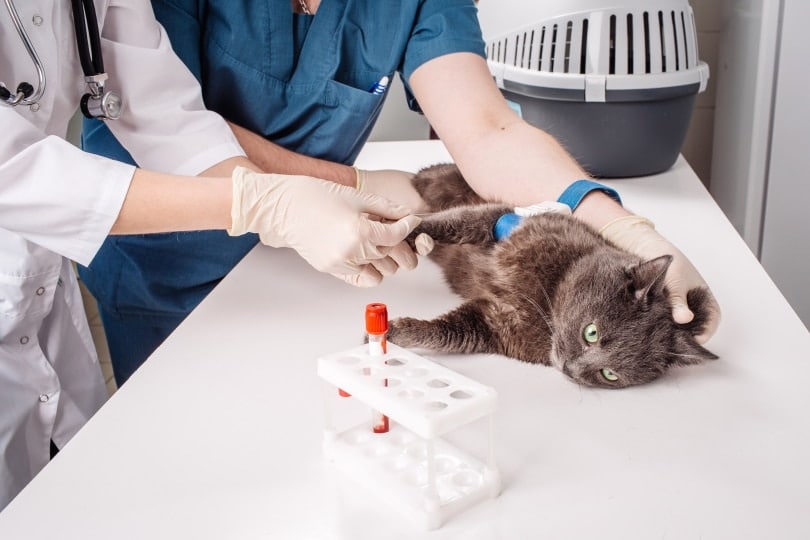
There are two types of tests available: intradermal skin and blood-based (serology) tests. Identifying what cats are allergic to can be useful when it comes to treatment options involving desensitization.
Intradermal Testing
Intradermal skin testing (IDST) requires cats to be anesthetized and is usually the domain of veterinary dermatologists. During the procedure, cats have a small patch of hair clipped and then injected with small amounts of potential triggers. The sites are then watched to see if there are reactions.

Blood-Based Testing
The radioallergosorbent testing (RAST) consists of a blood test to check the antibodies that your cat has produced against some allergens. These can be performed by any veterinarian, as they only require a small blood sample. While RAST testing is easier on cats, it sometimes results in more false positives than intradermal testing.
Are There Ways to Help Cats With Environmental Allergies?
There is no cure for cat allergies, but veterinarians typically concentrate on managing the condition, often with multi-pronged approaches. When possible, avoiding the allergen is extremely helpful.
1. Medication

Cats can be helped with medication. Steroids and immunosuppressants are sometimes prescribed to control inflammation, along with antihistamines to help ease itching.
2. Immunotherapy
Allergen-specific immunotherapy (ASIT), also known as allergy shots, is also an option; it essentially reduces cats' sensitivity to triggers, and when it works, cats don't need medication to stay comfortable, although some don't improve much as a result.
It’s quite effective but can take up to a year to see results. Some cats require lifelong treatment to keep their allergic reactions under control.
3. Food

Cats prone to allergies can have multiple triggers, and environmental and food allergies can occur at the same time. Veterinarians usually suggest that cats with several allergies do a food trial to determine if a particular ingredient in their diet could contribute to their allergic reactions, which can take several months to complete.
Cats with food allergies usually do well when consistently fed hypoallergenic diets.
4. Environmental Options
Keeping your home clean can help when it comes to minimizing cats' reactions to environmental triggers.
5. Vacuuming and Dusting

Regular vacuuming can remove many common allergy triggers, such as dust and pollen, and pick up a great deal of dog hair and dander.
Damp dusting has a few important benefits: it removes small particles efficiently and keeps dust from being released into the air when disturbed during the cleaning process.
6. HEPA Filters and Laundry
Purchasing a HEPA filter can help remove dog dander from the air, and it's a great investment for households with human allergy sufferers.
Dogs' beds should be regularly washed to keep allergens from building up in their favorite hangouts. Anything dogs like to nap on should also receive regular laundering.
Giving dogs regular baths can also help remove some of the triggering allergens before they have a chance to get into the air and circulate.
Consulting a veterinarian is recommended for the best course of action.
Conclusion
Feline allergies can affect your cat in different ways. Many cats have sensitivities to flea saliva and some food ingredients, and they can get itchy if their skin comes into contact with something that triggers a reaction, like a new collar or bed.
While it is not well documented and it seems to happen very rarely, cats can be allergic to dogs. While some individual dogs may turn out to be less likely to trigger allergic reactions in cats, if your cat is allergic to your dog, you should work alongside your vet to find the best solution for everyone with the available tools.
See Also:
Sources
Featured Image Credit: Reshetnikov_art, Shutterstock

Expert cat care, straight to your inbox
Vet-reviewed advice, behavior tips, and the best of Catster. Free, and you can unsubscribe anytime.
By signing up, you agree to our Terms & Conditions and Privacy & Cookies Policy.
Lorre Luther is a writer who is firmly convinced that cats are smarter than humans. She left her law career in the United States and moved to the Netherlands to follow her dream of becoming a writer. Lorre currently lives in Rotterdam, she enjoys traveling and greatly appreciates the beauty of nature. Lorre has a spot for animals and admires the intelligence of cats.
Join the conversation
Ask a question, share your story, or send private feedback.