Are Air Purifiers Safe for Cats? Vet-Approved Facts & Safety Tips


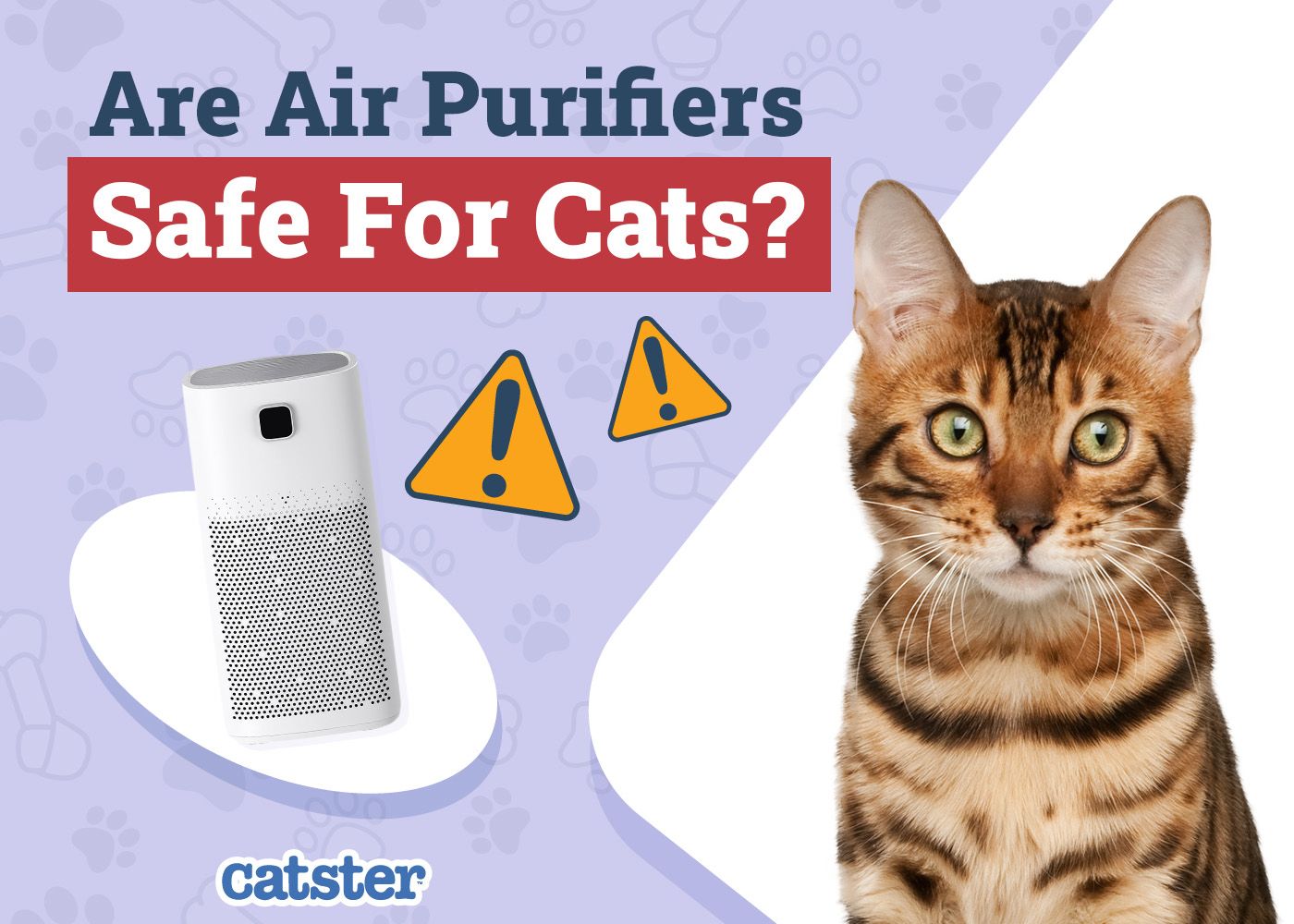
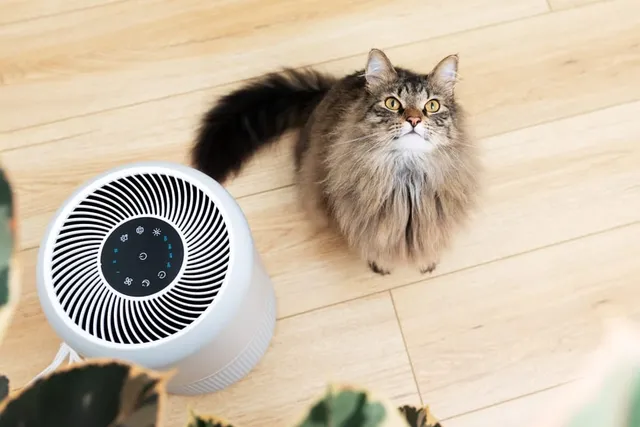
Air purifiers may sound too good to be true: a machine that can clean the air in your home? But a high-quality unit can remove air pollutants, making your home’s air healthier for you and whomever you share your home with—including your pets. Studies show cats suffering from respiratory diseases were more likely to reside in homes with higher indoor air pollution levels1.
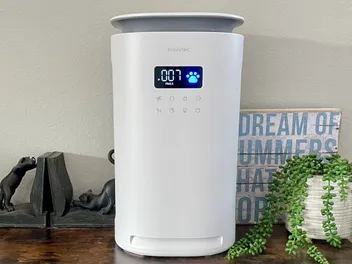
If you’re wondering if an air purifier is safe to use around your cats, the answer is almost always a resounding “Yes, air purifiers are safe to use around cats!” Read on to learn how to differentiate pet-friendly and non-pet-friendly models so you can find the best air purifier for your needs.

What Does an Air Purifier Do?
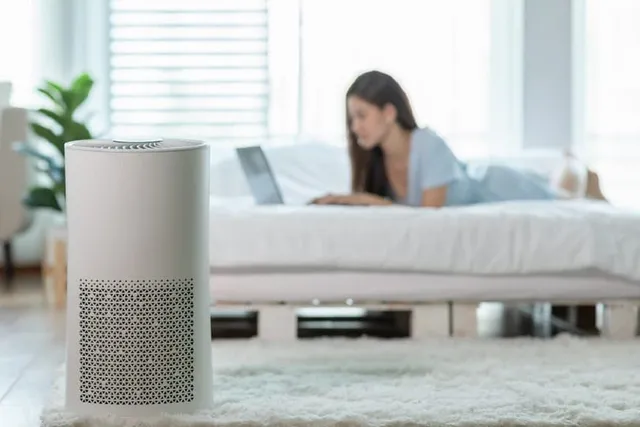
An air purifier is a worthwhile investment whether you have pets or not. These machines are designed to clean the air in your home to ensure the air you’re breathing in is fresh and quality.
Pets are constantly shedding fur or dander. Dander is especially problematic for people with allergies as it’s tiny and can become aerosolized with seemingly innocuous activities like fluffing pillows or using your vacuum. An air purifier will extract these airborne allergens to improve indoor air quality.
Air purifiers can’t always remove all the allergens in your home, but they can certainly help.

Are Air Purifiers Safe to Use With Cats?
All modern air purifiers must pass stringent safety tests to ensure they’re safe to operate in our homes. While most air purifiers are completely safe to use, there are two types you should avoid if you share your home with pets.
Ozone generators are sometimes sold as air cleaners. They are designed to intentionally produce the gas ozone, which can be potent and reactive at high levels. Think of ozone as air bleach. It may be able to clean the air of contaminants, but it is not harmless to humans or animals. Exposure to ozone can cause eye and nose irritation, cough, shortness of breath, and exacerbate chronic respiratory illnesses. These machines are banned in some places, so it’s best to avoid them altogether, even if you don’t have pets.
Ionic air purifiers charge the particles in the room, so they are attracted to surfaces (e.g., walls, floors, etc.). They emit ions that attach to pollutants, weighing them down and removing them from your air. Unfortunately, as a by-product of this process, other chemicals are created. These chemicals can include oxygenated volatile organic compounds (VOC) like ethanol or acetones. Exposure to such chemicals can cause a myriad of health issues, including irritation to the eyes, nose, and throat.
With both of these purifiers, it’s important to keep in mind that cats are at an increased risk because they are fastidious groomers, and will likely inevitably lick whatever an air purifier deposits on their skin.
What to Look for in an Air Purifier
So, now that you know that you don’t want an ozone or ionic air purifier, you’re probably wondering what you should be looking for. As you begin your hunt for the best air purifier for your household, there are several things to consider.
HEPA Filters
Your pet-friendly air purifier should ideally include a high-efficiency particulate air (HEPA) filter. This filter can eliminate 99.97% of airborne pollutants in your home, including particles as small as 0.3 microns. For comparison’s sake, the diameter of a human hair is 70 microns. Many pet owners consider this as a must-have for homes with animals, as many air pollutants our furry friends produce are ultrafine particles. However, cleaner air also benefits pets, so such an air purifier is definitely a win-win situation for most folks.
Size
Before buying an air purifier, consider which room your cats spend the most time in, so it’s helpful to know the room’s square footage. The bigger the room, the higher capacity your air purifier will need to be. For example, if you’re looking for coverage for a large living room, you’ll need a more powerful unit than if you want to purify the air in your office.
Alternatively, you can purchase multiple smaller coverage air purifying units. The advantage of these is that they’re easier to move around and their maintenance can be scheduled in a way that you can ensure you always have a recently serviced air purifier in your home.

Other Features
If controlling pet odors is important, consider investing in an air purifier with carbon filters or odor control settings. These units are designed to trap and absorb offensive smells.
Other features that may be important to you include timers, air quality sensors, and indicators that notify you when it’s time to change the filter. Ensure that the air purification system’s cables are kept away from your cat at all times.
Final Thoughts
Whether you have pets or not, an air purifier is a worthwhile investment for your home. Not only can the right unit clean your indoor air, but it can also be a godsend for folks with pet allergies. However, we recommend steering clear of ozone generators or ionic air purifiers as they may not be safe to operate in homes with pets.
See Also:
Sources
Featured Image By: Mariia Boiko, Shutterstock
Expert cat care, straight to your inbox
News, insights, and useful advice, delivered to you.

No spam — unsubscribe anytime.
By signing up, you agree to our Terms & Conditions and Privacy & Cookies Policy.
How useful was this post?
Click a star to rate. You can leave written feedback afterwards. (We read all feedback.)
For Chantelle, writing and animals are the two driving forces in her life. Growing up on the Canadian prairies surrounded by pets, she now shares her home with five cats, two guinea pigs, and a bearded dragon. Chantelle, her husband, and their child pride themselves on being dedicated pet parent, even spending a fortune on wall-mounted cat shelves to provide their cats with an indoor jungle gym. When she's not snuggling with her cats or photographing their humorous moments, Chantelle is exploring the Rocky Mountains, rewatching her favorite Netflix series, and reading up on various random subjects.