Can Cats Be Allergic to Catnip? Feline Facts & Alternatives (Vet-Reviewed Info)


In this article
So, your cat had some catnip and is now acting weird. Should you be worried? Well, you’re in luck because in most cases, you don’t need to worry! Catnip isn’t an addictive substance. However, some cats may be allergic to catnip (Nepeta cataria), as the physiological possibility of allergy exists with all plants.
It might be difficult to pinpoint a true allergy to catnip because catnip is actually toxic for cats 1. Other theories suggest that cats have evolved to use plants containing nepetalactone (the “high-inducing” compound), and therefore, wouldn’t be allergic to the plants.
Cats can have too much catnip and experience adverse reactions like vomiting and diarrhea. This can be from eating or sniffing the plant, as the toxic principle is from the attractant in the plant. Even so, there’s no need to imagine the worst of the worst, and here’s why.

Catnip 101
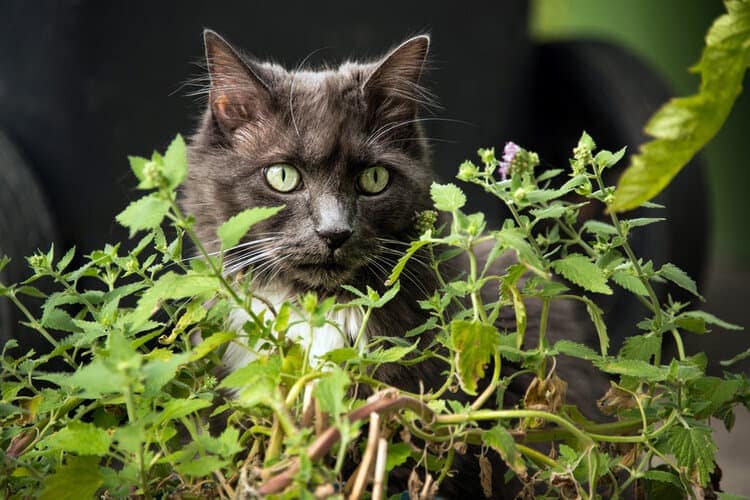
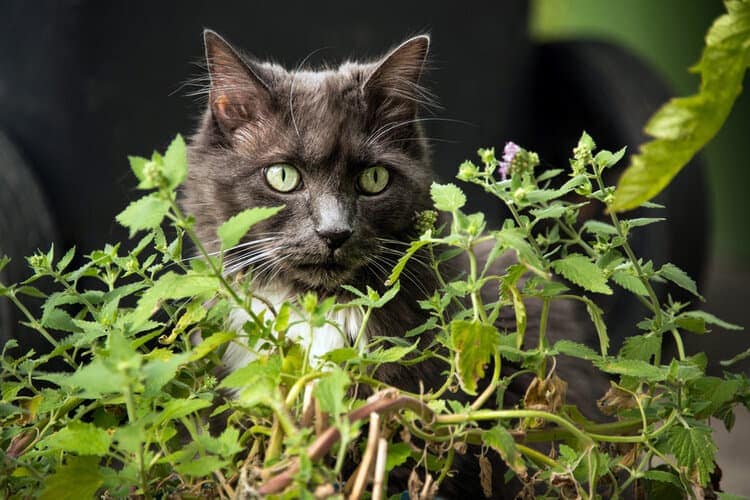
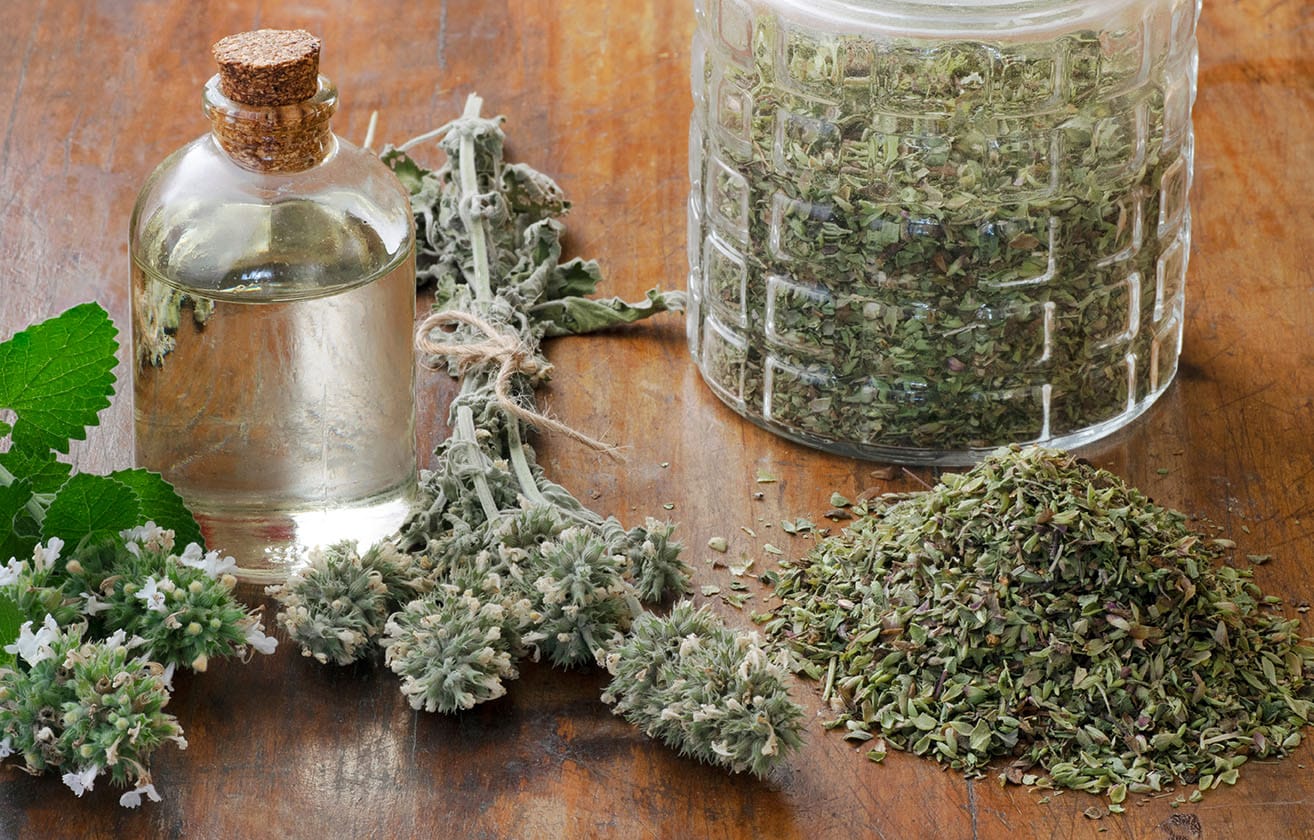
Catnip (Nepeta cataria) belongs to the mint family (Lamiaceae), which includes spearmint, peppermint, sage, lemon balm, etc. These plants are known for their highly aromatic leaves, stems, and flowers. Volatile oils give these plants their scent and protect them from harmful insects and diseases. It is also why bugs often don’t care for peppermint or spearmint.
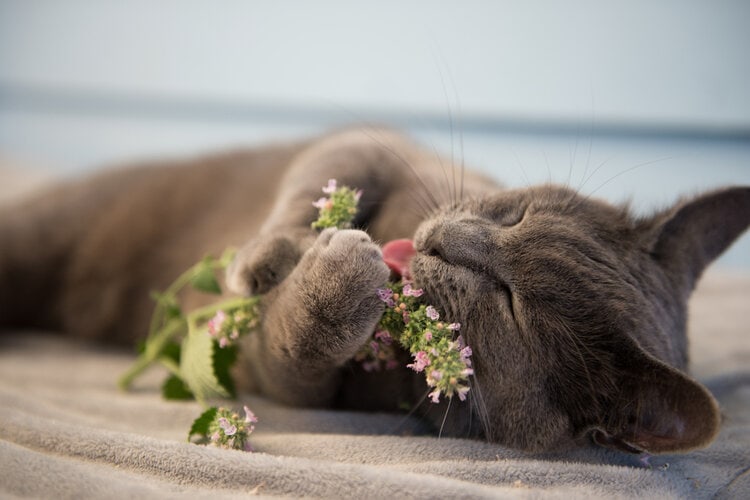
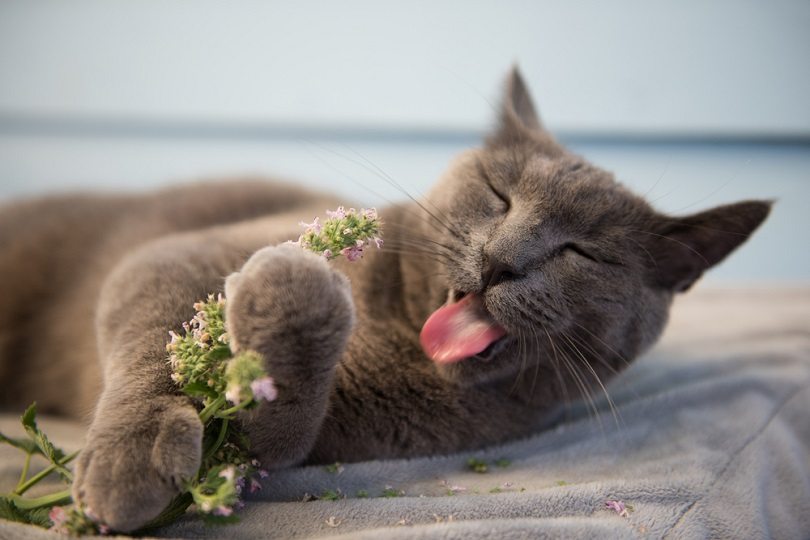
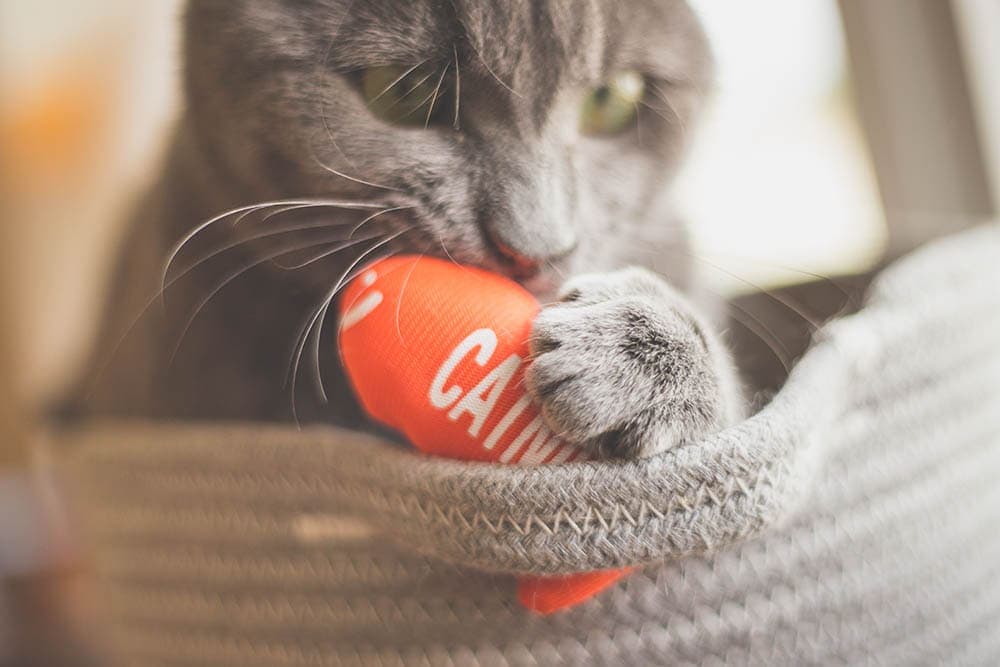
Nepetalactone, one of catnip’s volatile oils, binds to receptors in the cat’s nose, which triggers the “happy” neurons in the brain and makes your kitty feel marvelous for about 10 minutes. Even wild cats like lions enjoy the effects of nepetalactone.
Regardless of their size, all cats react differently to the plant, but common effects in felines include:
After the euphoric experience, your cat will likely fall into a state of relaxation for 2 to 3 hours. This is also known as an obligatory fatigue period; during this time, your cat will not respond to more catnip.
Cats can experience a mellow high if they eat the plant and a more erratic experience when offered a more concentrated version like catnip oil. It all boils down to how much catnip you offer your cat.

The Case Against Allergy
Though catnip is a toxin when consumed in high amounts by a cat, it isn’t a well-documented allergen for them. Its mention as an allergen in the medical literature is practically non-existent, and all evidence of a potential allergy is supported based on its theoretical possibility but not its documentation.
Though catnip is toxic and, therefore, might be challenging to diagnose as an allergen, another theory exists that cats have evolved to respond to plants that contain nepetalactone by licking them and rubbing them on their fur. This would, in turn, prevent the cats from some disease-causing insects because the compound's natural role in the plant is to act as an insect repellent.
Cats also often hunt their prey by stalking them. This requires being slow and patient, which would allow insects to bite the cats more easily. This further reinforces the idea that cats are drawn to catnip to fulfill the evolutionary need to be able to find a way to handle insects better to increase their odds of success in hunts. To date, research2 has found that this remains the most compelling reason as to why it’s very hard to find a cat with a true allergy to catnip.
How Much Catnip Is Too Much?
There isn’t an exact measurement for offering catnip to your kitty. Still, cats don’t need much to experience the sensational feeling, as catnip isn’t addictive. Therefore, repeated exposure to the same amount of catnip can produce the same effect in your cat.
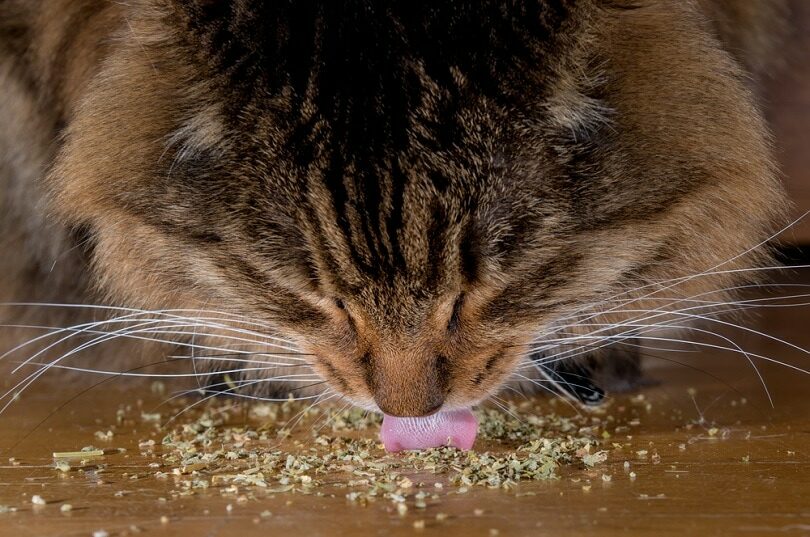
Fresh catnip is more potent than dried catnip, so only a few leaves or a couple of clippings will do. You can sprinkle a little dried catnip at a time to see how your cat reacts and make adjustments based on your observations.
If you’re wondering why your cat is vomiting, not walking properly, or having diarrhea, they’ve probably consumed too much catnip. This can happen when your cat has free access to the live plant, or you use a product with high potencies, like catnip oil.
All you can do is give your cat time. Eventually, the signs should subside. However, never hesitate to call your veterinarian. It’s best to be safe rather than sorry. It’s rare for cats to ingest enough catnip to develop adverse reactions. If this does seem to be the case with your cat, then it might be best to discuss this with your veterinarian.
Does Catnip Affect All Cats?
Not all cats become bumbling buffoons with catnip. Only 50% to 70% of cats feel anything at all. Scientists believe this is because of genetics. If a cat responds to catnip, their offspring will likely react to the plant (depending, of course, on the genetics of the cat they mate with).
Age also plays a part. Kittens don’t develop a sensitivity to the nepetalactone until they reach 6 months to 1 year old.

What Can I Use Instead of Catnip?
Cats are nutty when affected by catnip. If the catnip high freaks you out a little, we don’t blame you. Other options don’t have as strong of an effect. You can also try these herbs if your cat doesn’t respond to catnip:
Conclusion
You do not need to worry about your cat being allergic to catnip. However, you should monitor how much catnip your cat enjoys. It’s a fun plant for everyone involved, but too much of a good thing is always bad. Practice moderation and avoid high-potency products like catnip oil, and your cat should be fine.
Sources
Featured Image Credit: Gaston Cerliani, Shutterstock

Expert cat care, straight to your inbox
Vet-reviewed advice, behavior tips, and the best of Catster. Free, and you can unsubscribe anytime.
By signing up, you agree to our Terms & Conditions and Privacy & Cookies Policy.
Cassidy's journey from vet tech and professional pet sitter to pet writer showcases her lifelong passion for animals, both domestic and wild. Throughout the years, she has cared for many pets and enjoys writing about the animal-human bond. She and her husband have settled in Wichita, where they live with their German Shepherd, Raven, two cats, Lucy and Strudel, and a small flock of backyard chickens.
Join the conversation
Ask a question, share your story, or send private feedback.