Cat FIP Signs & Treatment: Vet-Reviewed Facts & FAQ


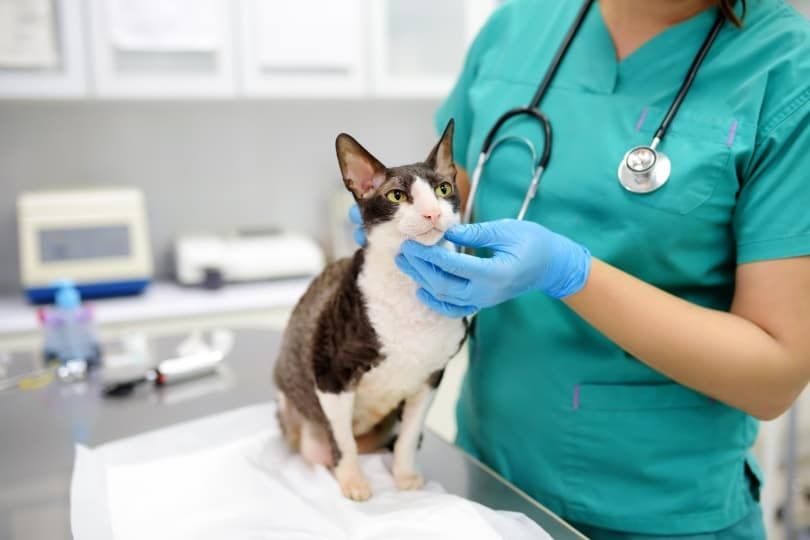
Feline infectious peritonitis (FIP) is a disease caused by a mutation of the FeCv virus. Known as the feline coronavirus, FeCv isn't the same as COVID-19 and isn't contagious to humans. Most of the time, a cat exposed to FeCv will not get sick because only 10% of cases morph into FIP. If it does turn into FIP, the prognosis typically isn't good.
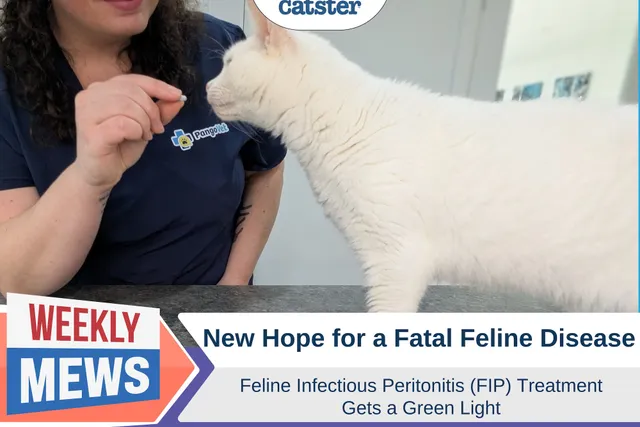
There may be good news ahead, however; though not yet FDA-approved, there is a new drug that may help cure FIP. Continue reading to learn more about cat FIP signs and treatments.

FIP Causes & Signs
FIP is caused by a mutation of the FeCv virus. This genetic change can occur at any time after your cat is exposed to FeCv, even years later. Strains of feline coronaviruses will usually live dormant in your cat’s stomach, but for reasons that are still not understood, sometimes it will morph into FIP.
If your cat is exposed to FeCv, they might have diarrhea and/or mild respiratory signs, but most times your cat’s immune system will build antibodies that will make it immune against the virus within 7–10 days after exposure. In certain cases, however, your cat’s immune system won’t fight it off correctly and the virus will mutate into FIP at some point in your cat’s life.
The struggle between the virus strain and your cat's immune system is what causes FIP, not the virus itself. If FeCv mutates, you'll notice signs for either the effusive or non-effusive form. As the disease progresses, your cat may have signs of both. Regardless of which form they eventually develop, most cats with FIP share common non-specific signs such as fever, weight loss, depression, and loss of appetite.
Effusive specific signs (more common):
Non-effusive specific signs:
Is your cat presenting any of these signs? We suggest you speak with a vet online.
How Is FIP Diagnosed?

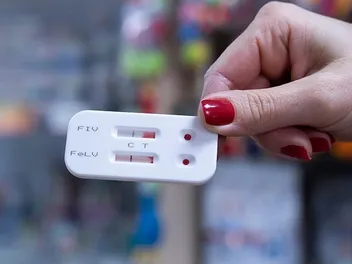
There is no simple blood test for FIP. If your cat has been exposed to feline coronaviruses, they will test positive, regardless of whether they developed immunity or not. Because of this, a FIP diagnosis will require a combination of blood tests with physical symptoms.
Even so, it's estimated that 50% of FIP cases are misdiagnosed, it is a challenge to achieve a diagnosis and you are likely to have many trips to the veterinarian during this time. The implications of this are challenging because, especially in the past, it was recommended for cats to be euthanized shortly after an FIP diagnosis. This was to shorten the cat's suffering, but also to minimize FIP transmission. However, most cats who are exposed to the FeCv virus will not develop FIP, so that advice may be outdated.
What Are the Treatment Options?
Until recently, there was no known cure for FIP. Over the past few years, an injectable treatment called Remdisivir has been effectively used to treat cats in Australia, the UK, and Europe but until now it had not been approved for use in the US.
In 2024, an oral formulation of the same drug, known as GS-441524, was approved by the FDA, with very promising results, providing a safe and effective treatment for this once-fatal disease.
How to Prevent Your Cat From Developing FIP
We don't understand this illness yet, so we don't know exactly what causes it. Catteries, animal shelters, or other places where many cats live together in close quarters tend to have more FIP-positive cats than domestic households, but we don't know why.
Until we know more, just make sure you do your part to keep your cat healthy and stress-free as stress can lower their immune system.
Should My Cat Get Vaccinated Against FIP?

The American Animal Hospital Foundation does not recommend the vaccination for FIP. Cats who received this vaccine in laboratory studies developed Antibody-Dependent Enhancement at a higher rate than the control group of unvaccinated cats. The cats' naturally occurring antibodies attacked the virus that originated from the vaccine. These cats had more severe symptoms than cats who developed FIP in natural conditions, and they died shortly thereafter.
While there's always some level of risk in vaccination, separate studies concluded that there seem to be no benefits. One study in Switzerland studied kittens who were infected at an FIP-infected cattery. These cats were given the vaccine and then evaluated a year later. Roughly half of the cats died and the vaccinated cats died at a higher rate than the unvaccinated cats. Another concern is that the manufacturer recommends giving the vaccine for the first time at 16 weeks of age.
By that time, many kittens have already been exposed to FeCv and their survival will depend on the effectiveness of their own antibodies.
Conclusion
Feline coronaviruses are common in the kitty world, but thankfully most infections will not result in FIP. While this disease remains a medical mystery, hopefully, there will soon be more treatments on the market to improve the prognosis, which has always been fatal until recently.
Whether you have a cat who tested positive or you're simply trying to learn more about your cat's health, treasure each day you have with your furry friend. Taking care of their overall health plays a huge role in prevention because having a healthy immune system is the main way your cat can defeat FIP.
See Also:
Featured Image Credit: Maria Sbytova, Shutterstock
Expert cat care, straight to your inbox
News, insights, and useful advice, delivered to you.

No spam — unsubscribe anytime.
By signing up, you agree to our Terms & Conditions and Privacy & Cookies Policy.
How useful was this post?
Click a star to rate. You can leave written feedback afterwards. (We read all feedback.)
Christian started writing for a local newspaper as a teenager, and he's been involved in the publishing industry for most of his adult life. Combining his love of writing with a passion for animals, he is currently the Director of Editorial at Pangolia and the Editor-in-Chief at Catster.
Christian lives in the Philippines with his wife, son, and four rescue cats: Trixie, Chloe, Sparky, and Chopper.