Do Cats Miss Their Kittens? Feline Maternity Behavior Explained

In this article
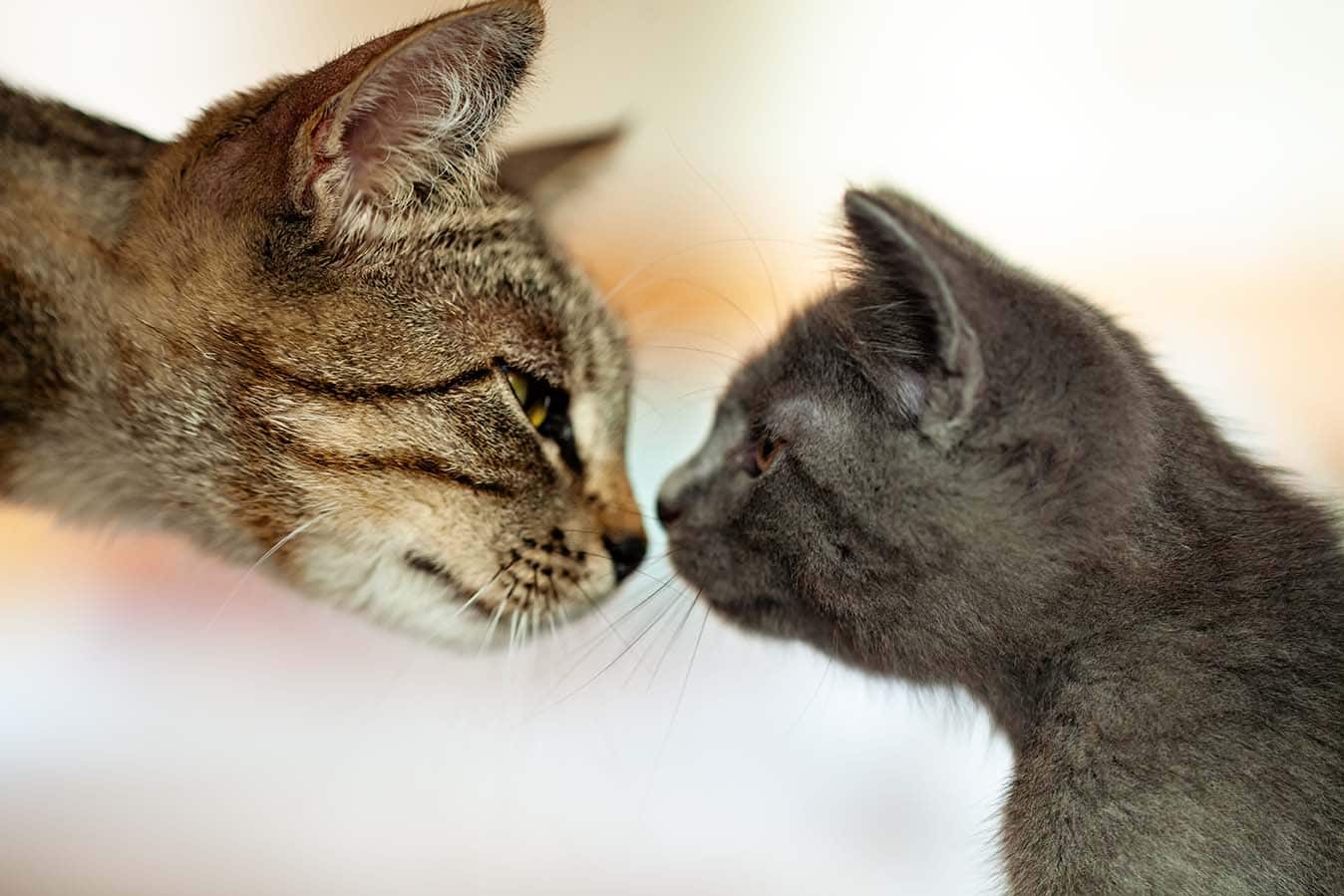
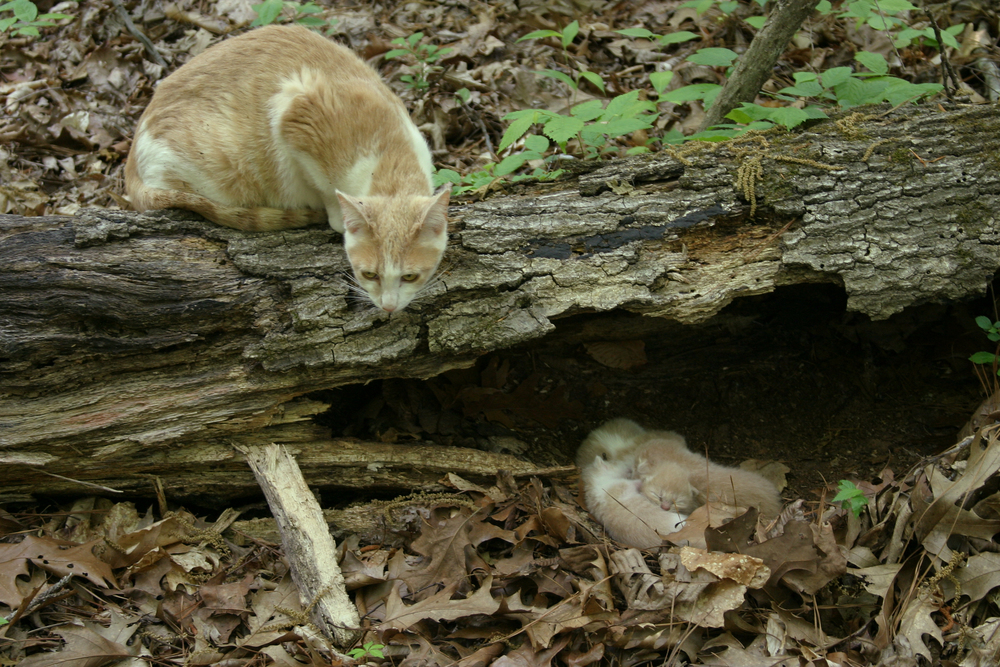
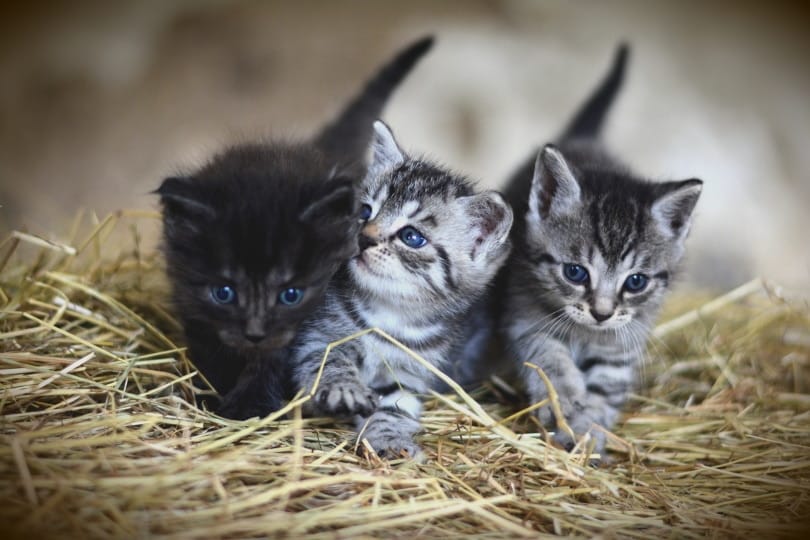
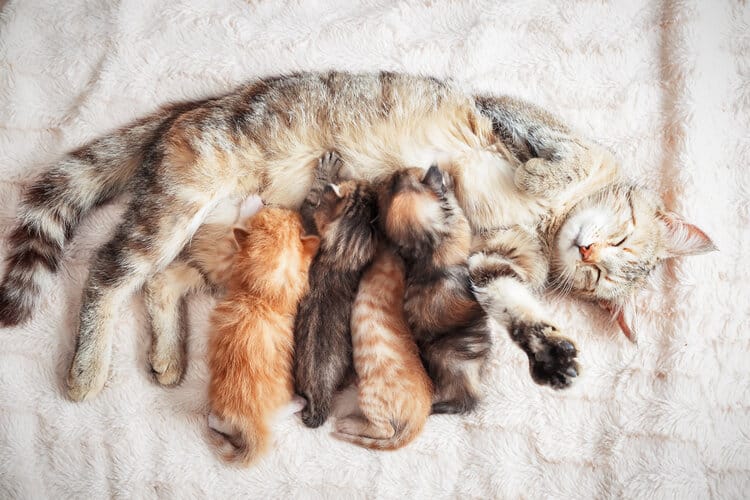
Cats are very protective of their kittens and are devoted mothers up until the kittens are weaned and ready to go to their new homes. The raising of offspring is different for species all over the animal kingdom. After seeing a cat navigate through motherhood, it may leave you wondering if she misses her kittens once they have gone.
Surprisingly, cats have a very different approach to motherhood than humans. So as a general answer, once their kittens are grown, healthy and independent mother cats let them go.

Do Mother Cats Miss Their Kittens?
You have probably heard the term “empty nest syndrome,” which refers to the emptiness left behind when kids grow up and move out of the house. Cats function much differently than humans when it comes to motherhood and do not hold the same emotional bond with their offspring that we do.
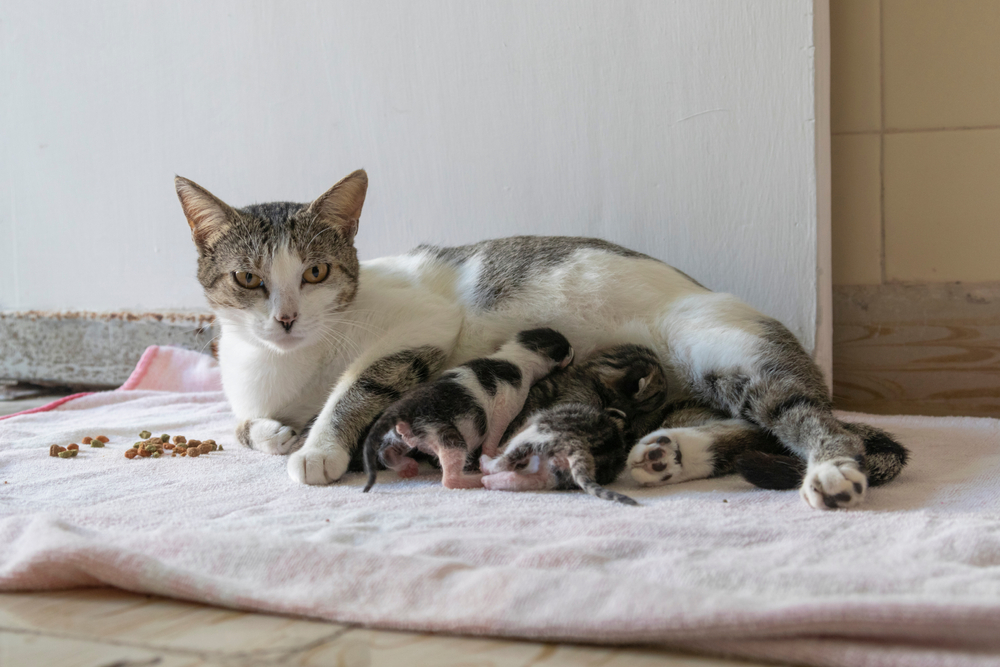
Once her kittens are weaned and independent, she is no longer obligated to the litter. This is a perfectly natural behavior that is observed throughout the animal kingdom. It’s important to note that if a mother cat were to have her kittens removed from her before the weaning process is complete, it could cause her noticeable distress. Her instinct is to rear her offspring until they can care for themselves. Hormonal changes in the mother during pregnancy, birth, nursing, and weaning are responsible for influencing her behavior.

Birth to Weaning
Motherhood for a cat is short-lived for each litter. Kittens start fully reliant on their mother, but typically, by 8 weeks of age, and sometimes up to 12 weeks, they will be ready for life on their own.
Birth
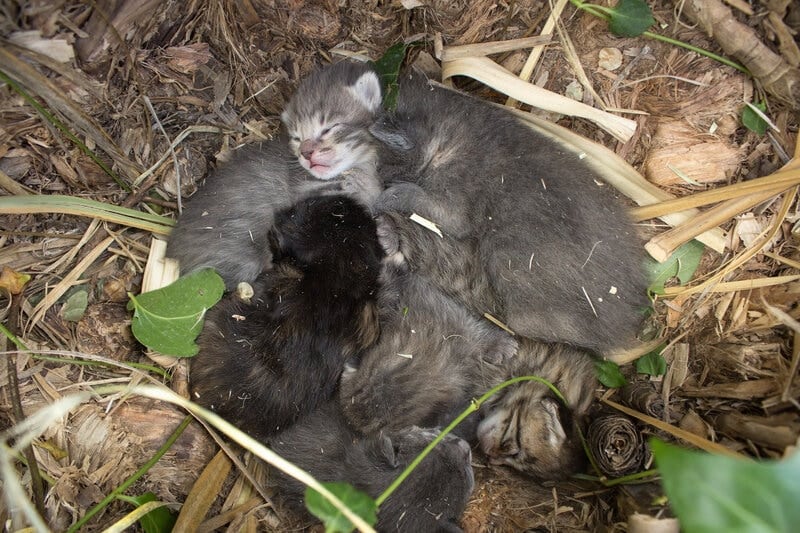
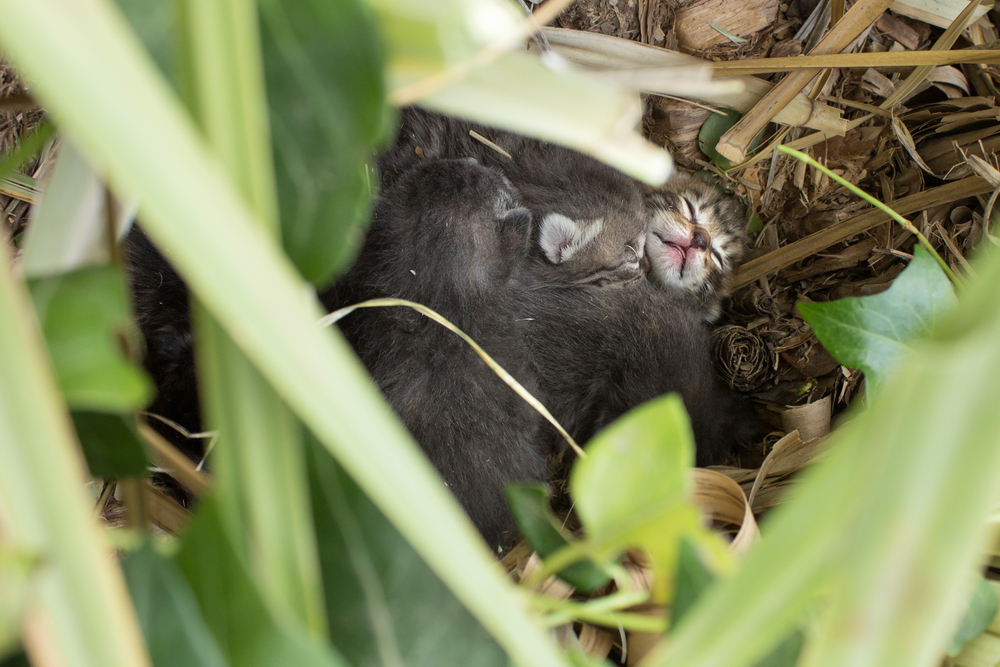
At birth, kittens only weigh about 3 ounces. They cannot see or hear and are fully dependent on their mother. Humans should handle them minimally and only if necessary. They will sleep about 90% of the time and nurse from mom, but the mother will clean their waste.

1–3 Weeks of Age
Between 1 and 3 weeks of age, the kittens will change drastically. They will put on weight, become more mobile, have open eyes, and be able to hear. Their mother will still nurse them full-time for their nutrition. Their teeth will begin to erupt, and owners can start getting them used to handling them. Mom will still be very protective during this stage.
4–6 Weeks of Age
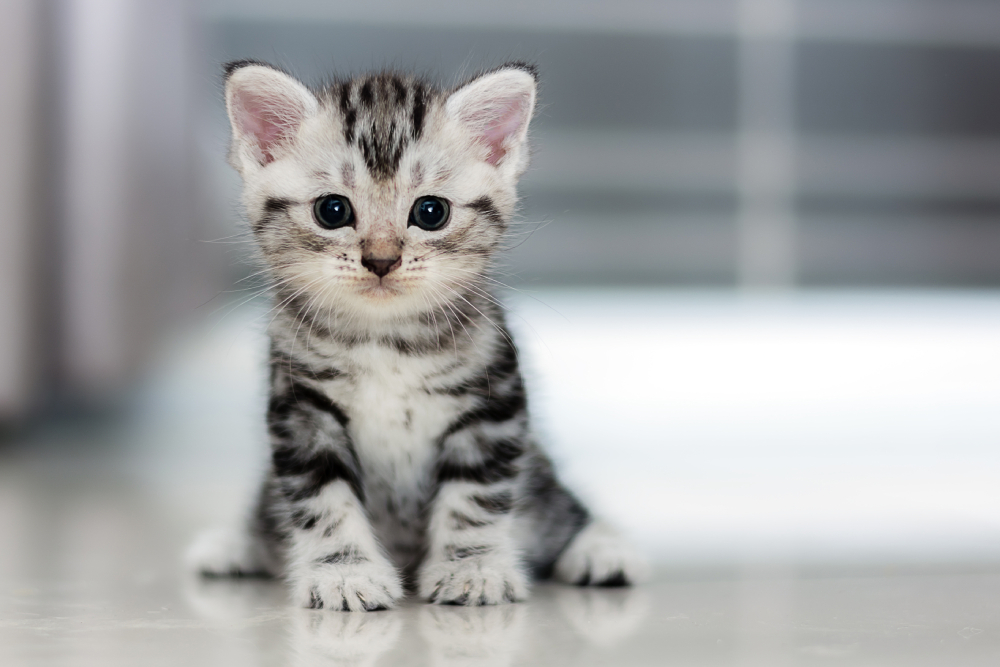
Kittens will start to come into their own during this stage, and the weaning process will begin. They will be very social, playful, and active. They will begin eating soft cat food and not rely nearly as much on mom. It’s still too early to leave, but they are well on their way to independence.
7–12 Weeks of Age
It is recommended that kittens stay with their mother until at least 8 weeks of age, even if they are no longer nursing. During this stage of life, they are becoming fully weaned and reliant totally on cat food. Some breeders prefer keeping their kittens with the mother up to 12 weeks of age. This is the stage when the mom will detach from the kittens, as her job raising them is done.
Reasons a Mother May Reject Her Kitten(s)
There are unfortunate circumstances where a mother cat will reject her kittens. This can happen with a full litter or select individuals.
The Mother is Too Young or Lacks Motherly Instinct
Some female cats will typically reach sexual maturity by 4 months and will begin experiencing heat cycles. Cats are not considered fully grown until 10 to 12 months and should not be bred until at least 12 to 18 months.
If a female cat is very young and immature, she may lack the ability to care for her young, causing her to reject the litter. At a young age, she may also lack experience and could injure or even kill the kittens by accident.
Inexperience
First-time, inexperienced mothers might also be unsure of what to do about the kittens, while some first-time moms handle the situation like a pro, some of them will require gentle guidance.
The Mother is Ill
Cats typically do not have trouble giving birth, but that doesn’t mean problems can’t arise. If the mother had fallen ill before the birth or is experiencing birthing difficulties, or postpartum infections this could very well result in her rejecting her offspring. Infection of the mammary gland or mastitis might make nursing painful and she might reject nursing.
Ill Kitten(s)
Another reason why cats reject a kitten is due to illness or deformity. A mother cat will be able to identify illness, birth defects, or weakness and may reject certain kittens entirely because of this reason and will focus all her focus on the healthy, viable kittens. Female cats will commonly reject those they do not feel have a high chance of survival.
Extremely Large Litter
If the cat had an extremely large number of kittens she might get overwhelmed or realize her milk resources are simply not enough to sustain all the kittens. This might lead her to focus on nursing just the strongest ones of them while neglecting others. In this case, you could help her and hand-raise some of the kittens, giving them an opportunity to survive.

The Kittens Have Become Independent
You will notice that a mother cat begins to distance herself from her kittens when they become more independent. Rather than being nurturing and motherly, she may treat them like any other cat regarding interactions.
The weaning process usually begins between 4 and 5 weeks, though kittens typically shouldn’t leave their mothers until they reach at least 12 weeks of age. Some mother cats reject their kittens once they feel they’ve gained enough independence. This behavior is influenced by hormonal changes. As kittens stop nursing or decrease nursing, prolactin, the hormone responsible for milk production decreases and milk dries up. With reduced nursing, oxytocin (AKA the love hormone), which is responsible for milk letdown or release also decreases. With reduced levels of oxytocin, the protective and effective motherly behavior will also fade. As oxytocin levels decrease, the reproductive hormones estrogen and progesterone will rise again, restarting a cat's heat cycle, and the cat will be more interested in finding a mate than in caring for her kittens
If the mother is rejecting them but you feel that the kittens are still too young to leave, you need to contact your vet for guidance on caring for them during the time gap.
Can Cats Recognize Their Grown Offspring?
Even though a mother cat may not miss her kittens due to instinct, can she recognize her grown offspring and vice versa? If the separation was too long, the answer is no; cats cannot recognize their relatives if they have been separated and reunited later. They do not have a concept of what family is. With kittens growing up and apart their scent and appearance will be drastically changed.
However, kittens who live in the household with their mothers will recognize them since they had no separation period, but it is likely they will end up just being typical housemates. In rare cases, some cats may show more motherly behavior toward their older kittens.
Conclusion
Mother cats may not miss their kittens after they are weaned and leave the home, but they are still devoted and caring mothers during the time their kittens need them. This is just part of the animal kingdom's natural order, as cats' behavior is largely influenced by hormonal changes and survival strategies and they do not process the concept of family in the way that humans do.
Related Reads:
Featured Image Credit: Piqsels

Expert cat care, straight to your inbox
Vet-reviewed advice, behavior tips, and the best of Catster. Free, and you can unsubscribe anytime.
By signing up, you agree to our Terms & Conditions and Privacy & Cookies Policy.
Lindsey and her husband enjoy traveling the US with their kids and photographing wildlife. Her passion is to educate others on the importance of proper animal care, with an emphasis on reptiles and exotics since their care requirements can be much more complex. She is also a huge advocate for bully breeds. She feels most at home in the forest either on horseback or in hiking boots.
Join the conversation
Ask a question, share your story, or send private feedback.