How to Tell if a Mother Cat Has Abandoned Her Kittens: Vet-Reviewed Facts & FAQ


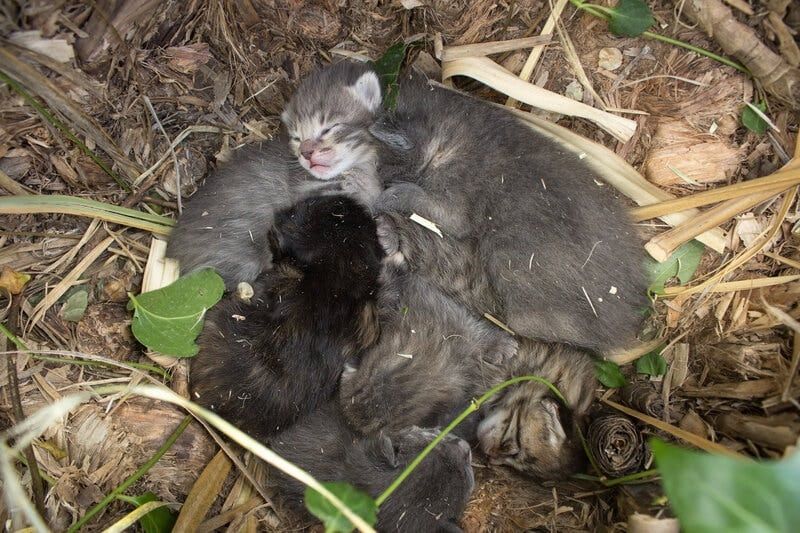
Although it doesn't happen too often, after giving birth, a mother cat may refuse to care for a particular kitten in her litter, whether it's because she thinks they're sick or weak or due to another reason. She may even reject the entire litter and refuse to care for any of the kittens. There are many reasons that a queen may reject her litter, but it doesn’t mean she’s evil.
That said, if you’ve found kittens that you think may have been abandoned or you've noticed that your queen is not caring for her babies, you may need to step in and care for them yourself. But before you do that, take these steps to ensure that the queen has actually rejected the litter and isn’t just out hunting for food or visiting the litter box.

What Is Rejection? Why Do Cats Do It?
Rejection is a biological impulse that cats and other animals experience when they feel that their young will not thrive. In some cases, a mother that rejects her litter may actually eat the kittens to prevent them from imposing undue stress on her.
Rejection can occur for many reasons. For example, a kitten may be rejected because they were born with an illness or anatomical defect. Since this kitten may struggle to survive on their own, the mother may reject them so she has more time and energy to care for her healthy kittens.
Cats that give birth to large litters of six or more kittens may also be unable to nurse all the kittens effectively. In this case, she may reject some of the kittens so she can more easily care for the others.
Additionally, if the queen is suffering from an illness or poor nutrition, she may be unable to care for kittens because of her own health, leading to her rejection of them.
How to Tell If a Queen Has Rejected Her Kittens
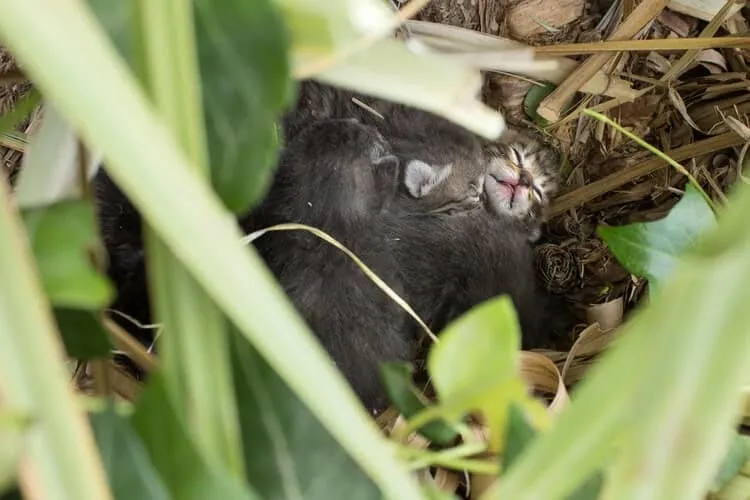
Kittens need to be nursed roughly every 1 to 2 hours. If your queen has just given birth, she should begin nursing her kittens. If you see that she is ignoring certain kittens and refusing to allow them to nurse, she is rejecting them. The queen may also move rejected kittens outside of the nest to isolate them from the rest of the litter, hiss, and try to bite them.
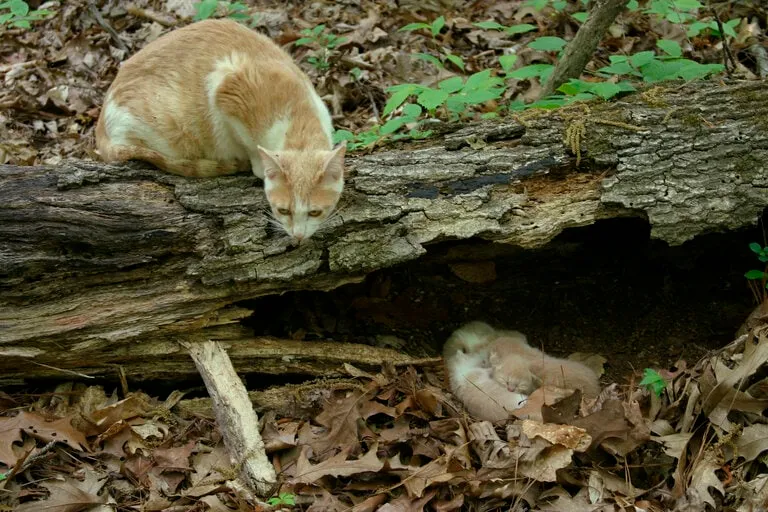
If you find a litter of kittens without a queen, don’t take them with you right away. The queen may leave the nest from time to time and return after she’s eaten and taken care of her own needs. Check back in an hour or so to see if the queen has returned for the kittens. If the queen has not returned to the nest after a few hours, she may have rejected the litter, and taking them with you may not be a bad idea.
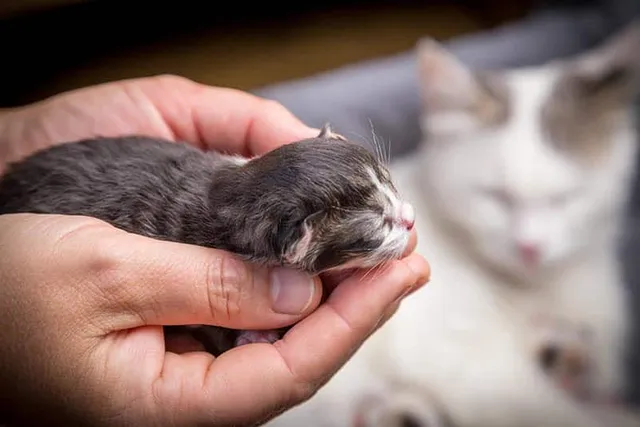
One way you can tell if a kitten is rejected is if the kitten is cold to the touch. Kittens rely on their mother for warmth. Rejected kittens have a low body temperature and are at risk of hypothermia. Kittens that are not gaining weight and growing may also have been rejected by their mothers.
If a mother cat has rejected her kittens, you may need to bottle feed them. If you’ve touched a kitten, you must take them with you. Placing them back in the nest could cause the mother to reject the entire litter. This is why it’s critical to ensure that the queen has actually rejected the kitten before touching them.
Important Notes
Kittens are weaned off milk and move to solid foods between 4 and 8 weeks of age. It is normal for a mother cat to refuse to nurse kittens that are more than 4 weeks old, and this is not a sign of rejection.
If you suspect that your cat has rejected one or more of her kittens, take the rejected kittens and the mother to the veterinarian to diagnose any illnesses or after-birth health defects. Bottle-feed and raise rejected kittens by hand.

Frequently Asked Questions (FAQs)
How Long Should I Wait Before Taking in an Abandoned Kitten?
You need to be sure that the mother is actually gone and not just hunting for food. You should watch the area for at least a couple of hours to see if the mother returns before you consider taking a kitten.
Do Abandoned Kittens Require Special Care?
The first thing you should do if you know a kitten has been abandoned is take them to the vet for a check-up. The vet will then be able to guide you on your next steps once they look over the kitten and determine their age and health status.
Final Thoughts
It can be scary to think that a kitten has been rejected by their mother, and it’s natural to want to intervene and help. But you have to ensure that the kitten was truly rejected by their mother, or you could put the entire litter in danger. If you’re unsure of a kitten’s status, wait a few hours to see if the queen begins to nurse and care for the kitten herself. Just like humans, cat moms can be unpredictable, and they may just be frazzled from having just given birth.
See Also:
Featured Image Credit: Alberto CB, Shutterstock
Expert cat care, straight to your inbox
News, insights, and useful advice, delivered to you.

No spam — unsubscribe anytime.
By signing up, you agree to our Terms & Conditions and Privacy & Cookies Policy.
How useful was this post?
Click a star to rate. You can leave written feedback afterwards. (We read all feedback.)
Luxifa is a freelance writer with a passion for animal science and technology. She loves to share the world of animal science with people to help them make informed decisions for themselves and their pets. Luxifa has worked in professional pet care for over six years and strives to help change the world of pet care by bringing the information people need to them in terms they can understand. Knowledge is power, and Luxifa loves to help everyone become the most informed they can be.