My Cat Keeps Walking Away From Her Kittens, Is It Normal? Vet-Approved Reasons & Facts


In this article
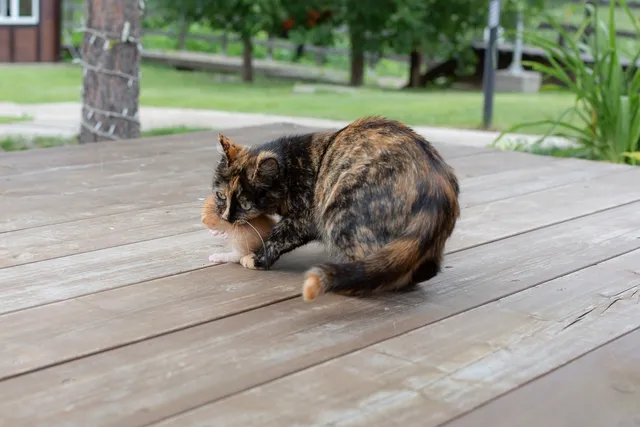
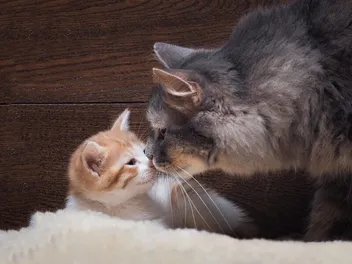
Kittens are challenging for queens and their owners. When they're small, kittens are vulnerable to many dangers, such as not eating enough, getting too cold, and getting sick, so it's common for us to worry about them! Newborn kittens are completely reliant on their mothers to survive; it can be alarming if your cat keeps getting up and walking away from her babies.
Mother cats almost always know what they're doing and how to keep their kittens safe, and they have instincts that motivate them to care for their babies the best they can. It's normal for cats to leave their kittens for short periods since they would need to leave the nest to hunt for food to sustain them in the wild. However, if your cat doesn't seem to want to be near her kittens or is leaving them for long periods, there may be other issues that you need to address.

How Long Can a Mother Cat Be Away From Her Newborn Kittens?
The length of time your mother cat can leave her kittens completely depends on their age. Generally, the older the kittens are, the better they'll fare independently and the longer your cat can leave them. This applies to all situations, including if your cat needs to go to the vet; mother cats and their newborn kittens should be kept together unless directed by a veterinarian.
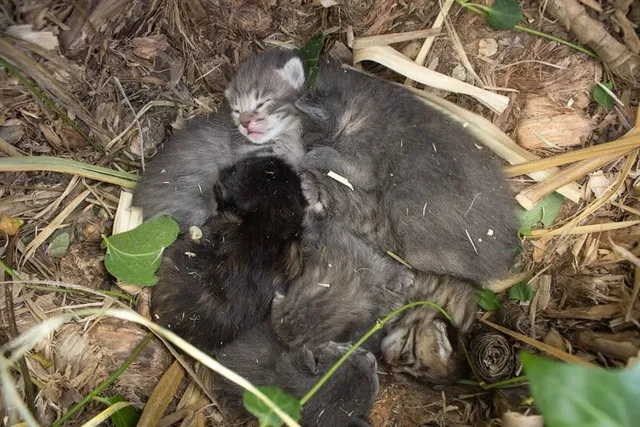
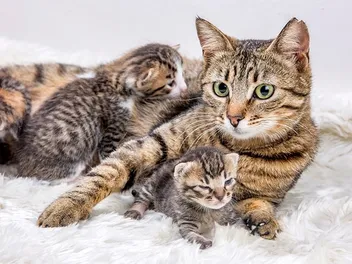
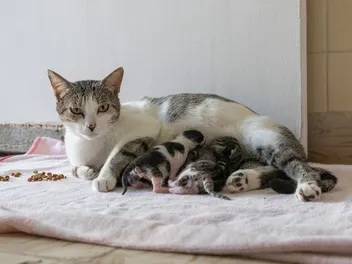
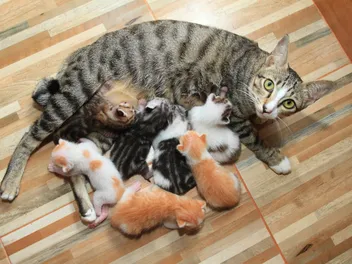
For the initial periods after your cat gives birth, she must stay near her kittens to feed and nurture them. Newborn kittens can't regulate their body temperature, and their eyes are closed and ears are folded, so they must have their mom close to keep them safe and warm. In addition, all the kittens need to be fed around the clock, so mom cats should only leave them briefly to use the litter box or eat, for example.
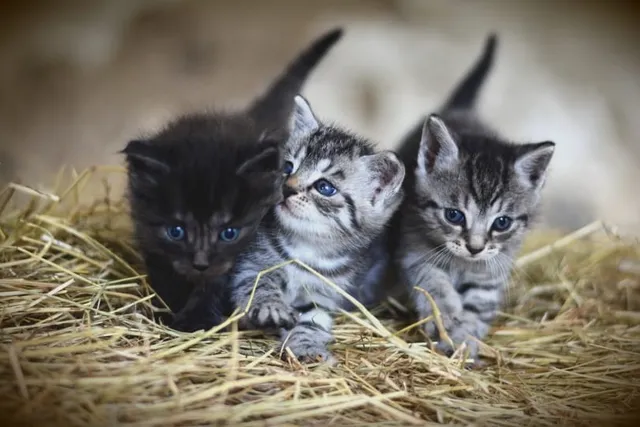
Kittens under 4 weeks aren't usually weaning, so they'll rely on their mom for food. Kitten's eyes open between 1 and 2 weeks. Mom needs to stay close to help guide her kittens and keep them fed and warm at this stage, so she still needs to remain very close and not leave them for more than a few moments.
However, mother cats may leave their kittens (feral cats) in the wild to get food. Some cats live in feral colonies made up of queens and their kittens, and they'll care for each other's kittens when their mom has left. If a pet mother cat leaves her newborn kittens for longer than a few moments, there could be a problem that needs your intervention. Call a veterinarian for advice if you are worried about your mother cat abandoning her kittens.
Why Is My Cat Leaving Her Newborn Kittens?
There can be a few reasons that a mother cat would leave her kittens, depending on how long and often they're left alone. If your cat is leaving her kittens for a few moments but hastily coming back, she's likely getting food or using her litter box. As long as she's coming back and nursing her kittens well, it's probably fine.
Kittens that are older and weaning will begin to venture out of the nest themselves to explore for short periods, and the mother cat will become more comfortable leaving them for longer. At 5 weeks of age, kittens can regulate their body temperature, so they are less susceptible to hypothermia.
If your mother cat is getting up and leaving her kittens for prolonged periods or she's not interested in being near them, she may have abandoned them. There are several reasons that a mother cat might abandon her kittens; some can be caused by physical problems, such as illness or owner intervention, and others can be psychological.

When Do Mother Cats Leave Their Kittens?
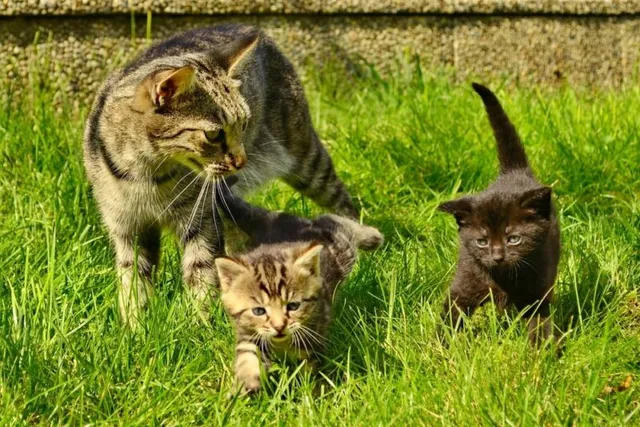
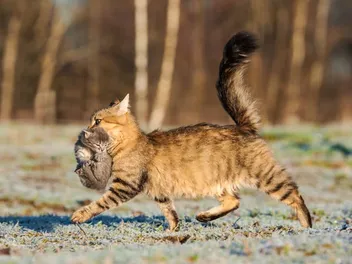
When they're newborns, mothers can leave the kittens for a moment or two to get a drink or food. When the kittens are older and more mobile, she can begin to leave them for more extended periods of time, sometimes even having to carry them back to the nest!
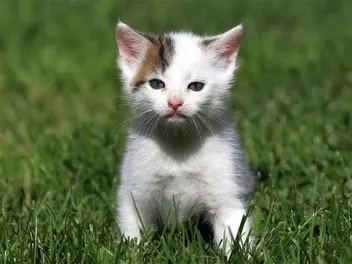
When they reach around 8 weeks old, they're weaned and readily explore their world separately. Most kittens and mother cats still have a great relationship at this stage, with some kittens still comfort-nursing their mothers until they're 12 weeks old if they can! After this, most kittens can be re-homed and find new, loving families.
Possible Reasons Why Mother Cat Is Not Taking Care of Her Kittens
If you think your mother cat has stopped caring for her kittens, you should contact a vet. Some queens can abandon their kittens if either she or one of the kittens is sick, so getting everyone checked over is vital to spot any illness. The following are all reasons that a mother cat might abandon her kittens.
1. Illness in the Mother or Kittens
Some illnesses can affect how a mother cat interacts with and cares for her kittens. Mastitis, for example, causes swelling and pain from an infection in the mammary glands. Mastitis can make nursing kittens a harrowing experience! This pain may cause the queen to reject her litter, and she will need treatment from the vet to relieve the pain and treat the infection.
A mother cat may also reject a kitten and walk away from them if they're unwell or have a deformity. Mother cats are intuitive and can tell whether a kitten is born healthy or with problems, and they may choose to abandon the kitten in favor of the healthier kittens with a better chance of survival.
Unwell kittens will often be smaller and thinner than littermates and may stay away from the rest of the cats. They might cry in a weak voice, display physical deformities, or suffer from fading kitten syndrome.

2. Owner Intervention
Well-meaning owners can take a very active role in raising their cats' kittens, but it can sometimes have devastating consequences. Maternal instincts are strong in most cats, but touching or interfering with a mother and her kitten can cause her lots of stress. In the first 2 weeks, owners should stay away from the mom and her kittens if possible, allowing them to relax. Touching the kittens should only be done in an emergency (such as taking them to the veterinarian).
If too many people visit the mom, disturb her, or handle her kittens, she may reject the whole litter and walk away. She feels that it's too risky to raise them in such a busy environment and that predators could threaten them, so she removes herself. From 2 weeks of age, it is important to start socializing the kittens, which will include getting them used to being handled for short periods.
Owners who don't provide adequate food for their cats can also cause a cat to leave her kittens, as she knows she can't sustain herself and her babies on what she has available.
3. Inexperience
The previous concerns are more common in cats that are young and/or inexperienced mothers. Cats that have only had one litter can feel the stress of intruders near the nest and lack of resources more acutely than cats that have had multiple litters.
Final Thoughts
When my cat keeps walking away from her kittens, it can be concerning. Mother cats leaving their kittens for a while is completely normal as long as the kittens are thriving, the mom is healthy, and she comes back to her nest to feed and warm her babies. As the kittens get older, the time she leaves them usually increases. If your queen doesn't have any interest in her kittens or leaves them for long periods as newborns, you need to intervene since the kittens can quickly get cold and hypoglycemic. When kittens are weaned and running around, most mother cats will still be close to them but resume normal activities without constantly monitoring them. If you worry about your mother cat abandoning her kittens, call a veterinarian for advice.
Related Reads:
Featured Image Credit: Top Photo Engineerm Shutterstock
Expert cat care, straight to your inbox
News, insights, and useful advice, delivered to you.

No spam — unsubscribe anytime.
By signing up, you agree to our Terms & Conditions and Privacy & Cookies Policy.
How useful was this post?
Click a star to rate. You can leave written feedback afterwards. (We read all feedback.)
As a freelance dog writer and passionate pet enthusiast, Ashley Bates is pursuing studies in animal therapy. A mother to four human children and 23 animal companions, Ashley is dedicated to volunteering at shelters, advocating for animal rights, and rescuing animals in need. Her goal is to spread awareness, provide education, and offer entertainment about pets to reduce homelessness. Ashley's specialties include dogs and cats.