How to Stimulate Your Cat's Milk Production: 6 Vet-Approved Solutions


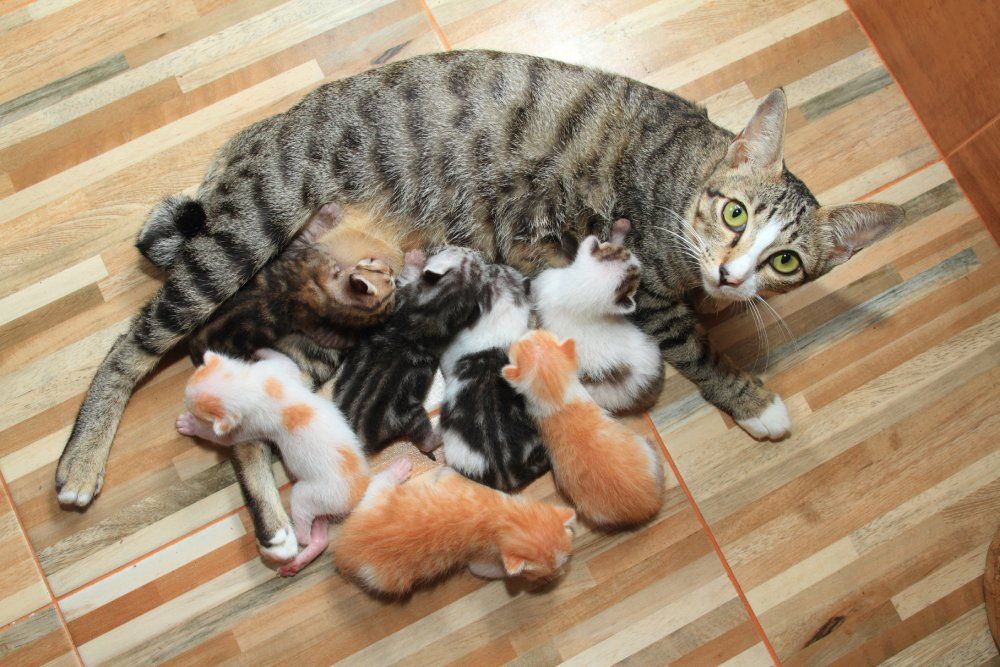
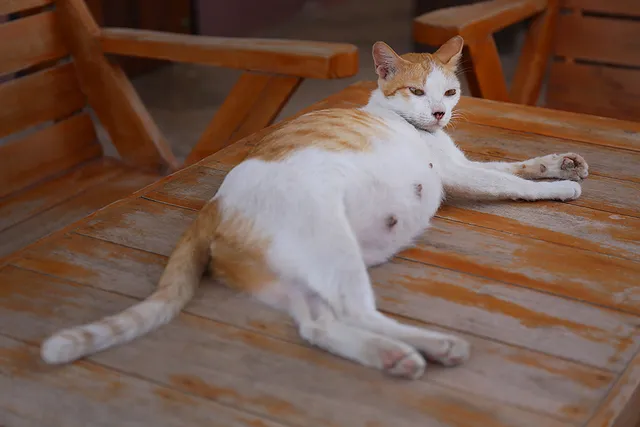
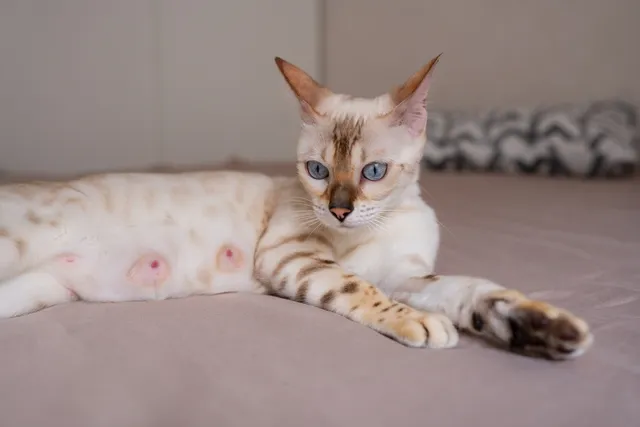
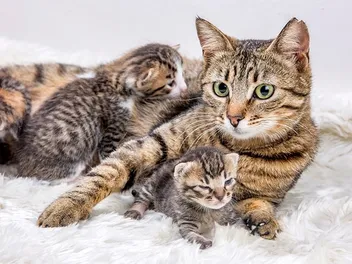
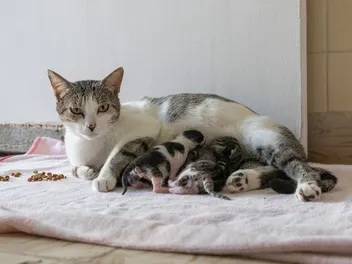
Nursing is a beautiful time for a new mother, and as your cat’s owner, you'll find that it's a wonderful thing to witness and be a part of. It can be stressful, though, and if you notice that your cat has stopped producing milk or is producing less, you may start to worry.
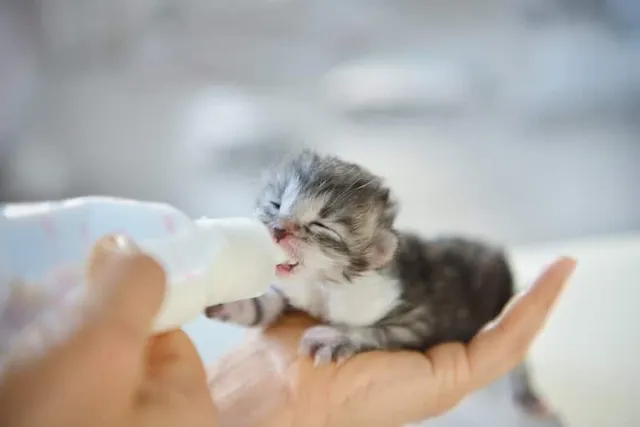
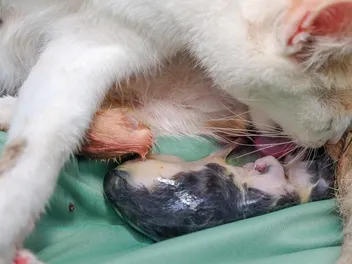
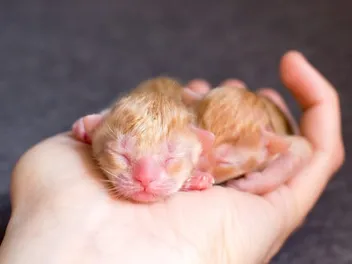
Newborn kittens rely completely on their mother for nutrition and sustenance, and since they are growing so fast, this is a vital time in their development. Kittens cannot see, hear, or move properly in the first several weeks of life and are utterly reliant on their mother. Breast milk does not simply provide food for kittens, as it also contains colostrum, a vital immune booster in these early days, and essential vitamins and minerals.
If the mother is not producing enough milk, it can be dangerous for her young. Fortunately, there are simple but effective ways to help your lactating feline. In this article, we look at six of the best methods to help stimulate your cat's milk production.

The 6 Ways to Stimulate Your Cat's Milk Production
1. Diet
Diet is the first and most crucial factor in improving your cat’s milk production. Not only does a lactating mother need to eat more calories overall to provide nutrition for growing kittens, but the food she eats also needs to be nutrient-dense and packed with essential vitamins and minerals. Your cat will typically eat up to four times her usual amount of food while lactating—and can still seem hungry afterward! We recommend specially designed food for nursing cats, as it contains vital immune-boosting antioxidants and essential nutrients.
Choosing the right cat food for milk production and determining the correct amount to feed can be tricky, so we recommend reaching out to a vet for advice. Luckily, nowadays you can do this from the comfort of your home.
- Our Recommendation: Best Cat Foods - Catster's Reviews & Top Picks
2. Hydration
Not only does your cat need a higher caloric intake while feeding growing kittens, but she’ll also need more liquids. Cats get most of their hydration from their food, so be sure to feed her plenty of lean meats and canned wet food alongside dry kibble. Also, make sure fresh, clean water is available to her at all times.
- Our Recommendation: Best Cat Water Fountains - Catster's Reviews & Top Picks
3. Goat's Milk
While cow’s milk is not great for cats because it is difficult to digest, goat’s milk is usually tolerated well by most cats because it contains less lactose. If your cat is particularly sensitive to lactose, you may dilute it with equal parts water. Goat's milk is full of essential vitamins and nutrients and may give your cat the nutrient boost she needs to improve milk production.
4. Stress Elimination

If your cat feels stressed or anxious, this will often drastically affect her milk production too. Make sure she is in a calm, quiet place where she feels safe and is away from too many visitors or distractions. Be sure to keep other cats, dogs, and children away from her, especially in the first couple of weeks, to help her feel safe, secure, and stress-free.
5. Reglan (Metoclopramide)
Usually used as a drug to stop nausea, metoclopramide, or “Reglan,” can also be used to help nursing cats. Metoclopramide is a dopamine antagonist, so it blocks the dopamine receptors in your cat. With less dopamine, the milk-producing hormone called “prolactin” allows the secretion of milk. Of course, always consult your vet before giving any medication to your cat, especially while she is nursing young.
6. Mastitis Treatment

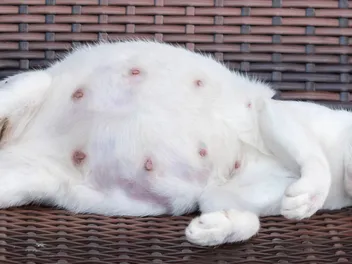
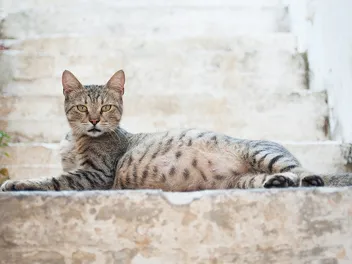
If you’ve noticed that your cat is not producing enough milk and her kittens still seem hungry, the issue may be a possible infection or blockage caused by the constant scratching and suckling of her kittens. Mastitis is the inflammation of your cat’s breasts, and if they are swollen, they may be blocked and unable to produce milk. This is also a painful condition for your cat, and she may stop feeding her kittens altogether to avoid the accompanying pain. It is usually restricted to just one or two of the nipples, so kittens can continue to feed on the others—if the mother will let them.
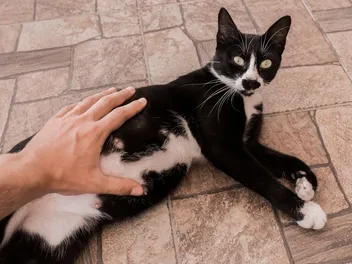
Usually, the blocked duct can be helped by gentle massage and a warm, wet cloth, but in more serious cases, antibiotics will be required. If your cat’s breast continues to swell and remain blocked, we recommend taking her to the vet.

Conclusion
The first eight weeks are a vital time for growing kittens because they are getting all of their nutrition from their mother. If your cat has stopped lactating or her cat milk production has slowed, it’s important to remedy the situation as fast as possible. While it is often a simple problem to fix and many of these methods may work, the situation is sometimes more complex, and we highly recommend taking your cat to the vet for a checkup if the problem persists.
Featured Image Credit: tanewpix168, Shutterstock
Expert cat care, straight to your inbox
News, insights, and useful advice, delivered to you.

No spam — unsubscribe anytime.
By signing up, you agree to our Terms & Conditions and Privacy & Cookies Policy.
How useful was this post?
Click a star to rate. You can leave written feedback afterwards. (We read all feedback.)
Christian started writing for a local newspaper as a teenager, and he's been involved in the publishing industry for most of his adult life. Combining his love of writing with a passion for animals, he is currently the Director of Editorial at Pangolia and the Editor-in-Chief at Catster.
Christian lives in the Philippines with his wife, son, and four rescue cats: Trixie, Chloe, Sparky, and Chopper.