Can Cats Eat Diatomaceous Earth? Vet-Verified Safety Tips & Warnings


In this article
Nowadays, we seem to be moving toward natural, organic, and integrative ways to combat disease—not only in humans but also in our kitties. If you have been looking for holistic ways to treat fleas and worms in your cat, you may have heard about feeding your furry friend diatomaceous earth.
But is diatomaceous earth safe for cats? The good and bad effects depend on how you use this substance. You should use only a certain kind of diatomaceous earth and only in limited quantities. It is also necessary for your cat to be over a certain age to safely receive the benefits of diatomaceous earth. If you have any questions about whether cats can eat diatomaceous earth, this article will hopefully provide you with comprehensive answers.

Diatomaceous Earth: What Is It?
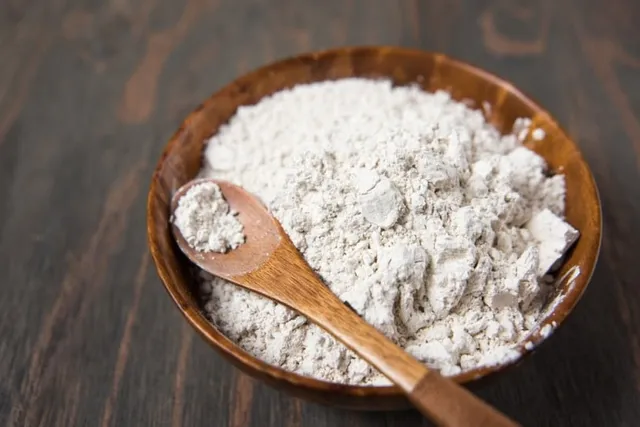
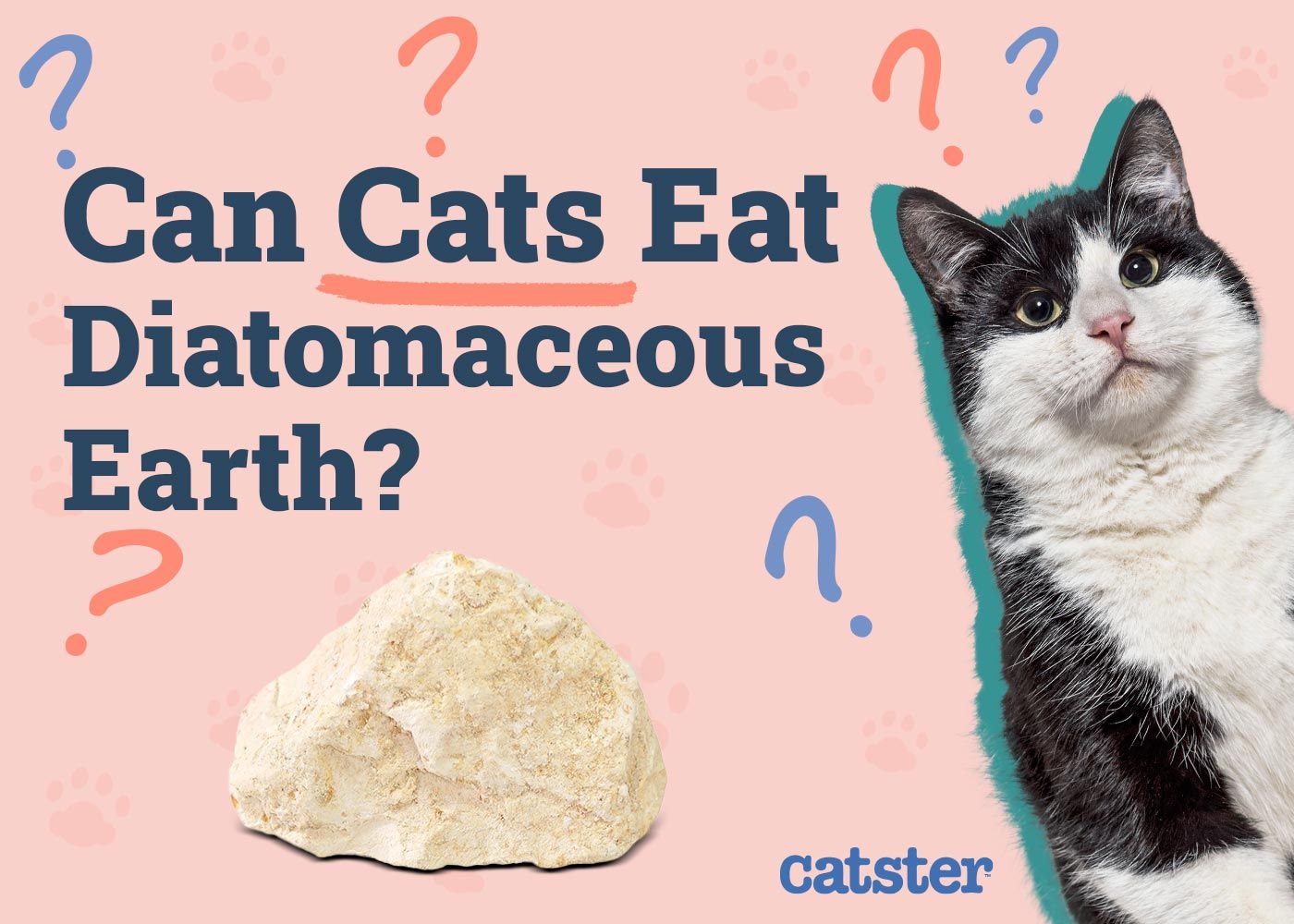
Diatomaceous earth is a powder that originates from plants and is naturally occurring. It is composed of fossilized remains of diatoms, which are microscopic algae-like organisms. A diatom's skeleton is made of silica. Diatoms accumulated in the sediment of a pond or lake and exposed to oxygen become silicon dioxide. Diatomite, a white powder resembling chalk, is another word for silicon dioxide.

What Is Diatomaceous Earth Used For?
Gardeners and homeowners use diatomaceous earth for a variety of things, mainly as an insecticide. This method is becoming increasingly popular to control fleas in pets and homes. There are tiny shards of glass-like silica in the earth, which insect exoskeletons can be cut through by these shards. There are two types of diatomaceous earth available in stores—food grade and non-food grade. We suggest speaking to a vet to know for sure whether or not this flea prevention method is right for your cat.
Can Cats Eat Diatomaceous Earth?
Diatomaceous earth is safe for cats to eat, however, it must be food-grade diatomaceous earth. The other type is not safe or acceptable for consumption. Also, only cats that weigh over 2 pounds and who aren't nursing can take diatomaceous earth. If you have kittens or smaller cats (in the 2–6 pound range), don't give them more than one teaspoon at a time. If you have adult cats bigger than that, use a maximum of two teaspoons.


What's the Difference Between Food Grade Diatomaceous Earth and Regular Diatomaceous Earth?
Diatomaceous earth is treated using extremely high heat to produce regular or pool-grade diatomaceous earth. Due to the high temperatures, silicon dioxide will become crystalline silica. When it comes to how much crystalline silica is found in the pool-grade version, there is no standard, but some products may contain as much as 70%.
There is a significant difference here since crystalline silica is toxic to both animals and humans. The high crystalline silica levels make it dangerous and can cause severe health issues. You should only use this diatomaceous earth for filtration in your swimming pool.
Food-grade diatomaceous earth is not heated, so it doesn't contain massive concentrations of crystalline silica. There is some crystalline silica in the food-grade kind, but it is less than 1%. Food-grade silica is mostly amorphous silica, which is safe for humans and pets to consume. The food-grade version is used both in insecticides and in animal feed.

How Do I Give My Cat Diatomaceous Earth?
Once or twice a day, you can give it to them with food or water. If you decide to mix it in with their food, you can sprinkle it over the top or mix it into their kibble or meat chunks. Make sure you stick to the amounts specified above. Some people have more success giving diatomaceous earth in food rather than water, as many cats will shy away from water they perceive to be dirty or cloudy.
How Can Diatomaceous Earth Benefit My Cat?
Despite the fact that diatomaceous earth is more commonly used externally than internally, feeding it to your cat can provide some benefits. The primary reason why people give it internally is so that roundworms, pinworms, hookworms, and whipworms can be treated. If you feed diatomaceous earth to your pet for 30 days, it is believed you can treat adult worms, eggs, and worms that have not yet fully developed. However, you should always consult your veterinarian first, especially if your cat is taking medication. Studies are lacking to show how effective diatomaceous earth is for parasite control in cats. It is not a proven effective method for worm control, but there is anecdotal evidence.
Are There Any Nutritional Benefits to Diatomaceous Earth?
There may be other benefits, too! Silica, sodium, magnesium, calcium, and other minerals are found in diatomaceous earth. By giving it to your cat, you could improve the health of their coat, increase their appetite and metabolism, and even help with their digestion.
Using Diatomaceous Earth in Other Cat-Safe Ways
The use of diatomaceous earth externally, particularly for flea and tick control, is more common. To fight flea infestations in the home, spread diatomaceous earth on furniture, carpets, and wherever fleas may be hiding. Do not use too much diatomaceous earth. Although diatomaceous earth is not poisonous, it can irritate your lungs if you breathe it in too much. Asthmatics and people with other breathing difficulties should avoid this. Allow it to sit for at least 3 days before vacuuming. To ensure that all fleas, larvae, and eggs are removed, repeat this process over a month.

Can I Treat My Cat's Fleas With Diatomaceous Earth?
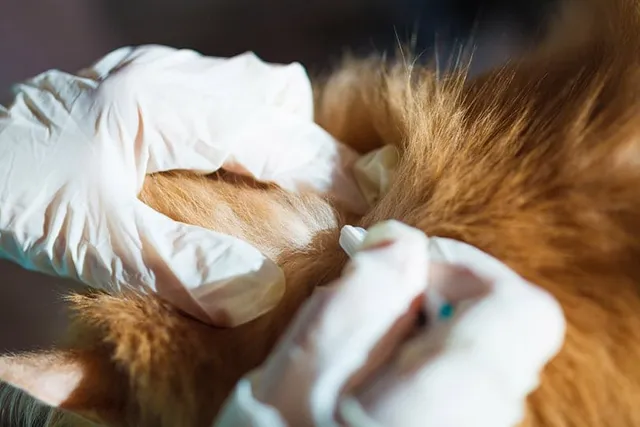
You can rub food-grade diatomaceous earth into the coat of your cat if it also has fleas. Be sure to keep the eyes, nose, and mouth free of this powder so their lungs and eyes aren't irritated. It shouldn't take long for the fleas to be affected. Within 4 hours, the diatomaceous earth will start killing the fleas, but let it sit for a couple of days before bathing or brushing out your cat.
In advance of beginning this treatment, consult your veterinarian. Some vets don't recommend using diatomaceous earth directly on animals as it doesn't control all parts of the flea life cycle, only adult fleas.
Diatomaceous Earth and Cat Litter
Diatomaceous earth can even be used in cat litter. In addition to working to absorb odors, it clumps, which makes it an excellent addition. Simply spread a thin layer over the litter box before adding fresh litter, and your box is ready.
Conclusion
The benefits of diatomaceous earth for cats are numerous. Besides potentially killing internal parasites, it may also improve digestion, coat health, and more. Ensure you're only using food-grade diatomaceous earth, however, because the other kind could be hazardous to your pet.
Last but not least, make sure that you only use this on cats over 2 pounds that have been weaned. Diatomaceous earth can also be used to absorb kitty litter odors and as an aid to combat flea infestations. If you have asthma or other breathing issues, you should use this product with caution since it can irritate the lungs.
See also:
Expert cat care, straight to your inbox
News, insights, and useful advice, delivered to you.

No spam — unsubscribe anytime.
By signing up, you agree to our Terms & Conditions and Privacy & Cookies Policy.
How useful was this post?
Click a star to rate. You can leave written feedback afterwards. (We read all feedback.)
Christian started writing for a local newspaper as a teenager, and he's been involved in the publishing industry for most of his adult life. Combining his love of writing with a passion for animals, he is currently the Director of Editorial at Pangolia and the Editor-in-Chief at Catster.
Christian lives in the Philippines with his wife, son, and four rescue cats: Trixie, Chloe, Sparky, and Chopper.