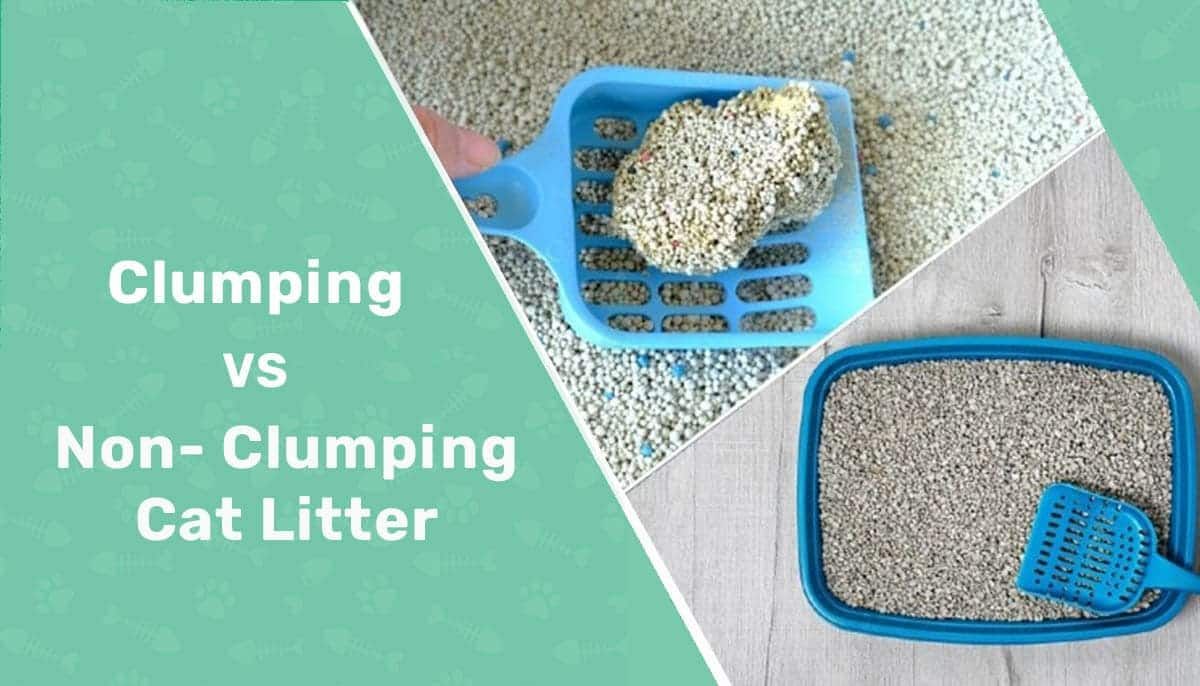
Clumping vs. Non-Clumping Cat Litter: Vet-Reviewed Pros, Cons & Which to Choose

In this article
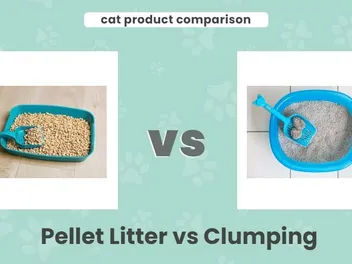
You may be surprised by how many brands of litter are available and may need help deciding which is best. Well, there are two main types of cat litter: clumping and non-clumping. Each has pros and cons, which will apply differently to each person depending on their needs. In this article, we’ll examine clumping and non-clumping litter in detail, so you can decide which is better for your feline.

At A Glance

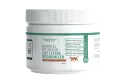
Combating tough cat litter smells is an ongoing battle for pet parents but luckily, there are products out there designed to help! Two products that significantly reduce odors are the Hepper Litter Additive and the Hepper Enzyme Spray.
| Image | Product | Details | |
|---|---|---|---|
|
Hepper Advanced Bio-Enzyme Pet Stain & Odor Eliminator Spray |
|
Check Price |
|
Advanced Bio-Enzyme Cat Litter Deodorizer |
|
Check Price |
At Catster, we’ve admired Hepper for many years and decided to take a controlling ownership interest so that we could benefit from the outstanding designs of this cool cat company!

Overview of Clumping Cat Litter
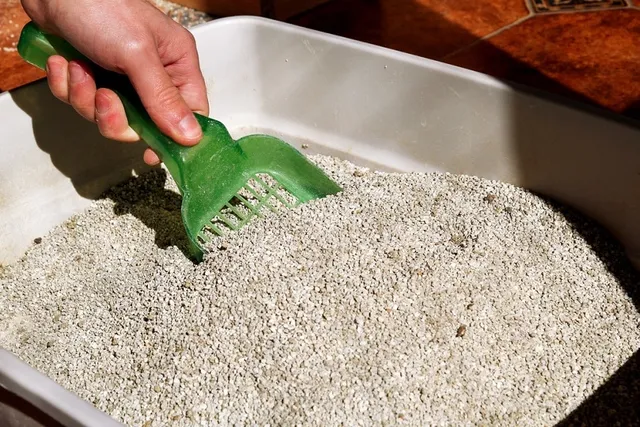
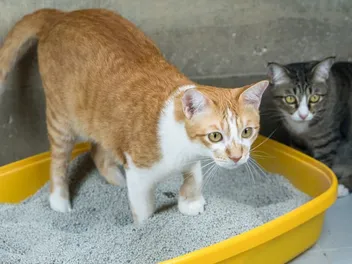
Clumping cat litter is essentially cat litter that clumps together when your cat urinates. When your cat pees in the litter box, the litter particles will quickly adhere to it because of a chemical called bentonite.
This makes it easy to scoop out while keeping the rest of the litter clean. There is less waste when you scoop it out, so you won’t need to clean and empty the tray as often. Also, clumping litter locks in foul odors and reduces the litter box smell.

Types of Clumping Litter
Clumping litter is available in different materials, such as clay, wood, corn, and tofu. Clay is the most commonly used and absorbent of all the options. It is also the cheapest option, and cats are naturally drawn to it. The other materials don’t form clumps that are as solid as clay clumps, but they are still easy to scoop. Wheat litter is newer on the market. It adheres well to cat waste because of its small particles.
Generally, clumping litter comes with various textures and granule sizes. As with most products, each brand is different and has various pros and cons to consider, so it’s important to read the packaging details. Clumping litter may also come scented, which, in general, we recommend avoiding. The reasons are that most cats find them overwhelming and, additionally, they can trigger some respiratory issues.

Downsides of Clumping Litter
Clumping litter is generally finer than non-clumping litter, which makes it easier to form clumps. However, because it’s finer, the litter is dustier and problematic for cats with asthma or allergies. This also results in more particles getting stuck in your cat's paws that will likely get tracked around the house.
Clumping litter is dangerous for cats that tend to eat litter because it swells up when it makes contact with moisture, and it can expand in the digestive tract and cause a blockage. However, some types, such as tofu clumping litter, is technically safe if ingested in small amounts, but it is very expensive.
Pros
- Easy to scoop
- Easy to monitor urine and fecal output
- Generally less expensive
- Different options available
Cons
- Dusty
- Not as good for odor control
- Not recommended for cats with respiratory problems
Overview of Non-Clumping Cat Litter
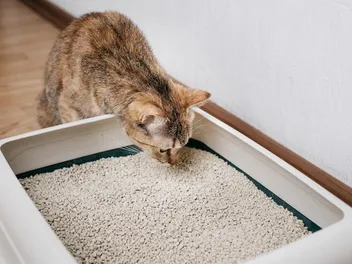
Non-clumping litter works by absorbing moisture without clumping. It is different from clumping litter in that it doesn't contain the same properties that cause the litter to clump together. Instead, the material soaks up any urine. The particles are usually bigger and have less dust which is a great benefit for cats with asthma or allergies.
Some cats prefer the texture of the non-clumping litter, and another perk is that it is not as heavy when you are doing your shopping or carrying it from the car.

Types of Non-Clumping Litter
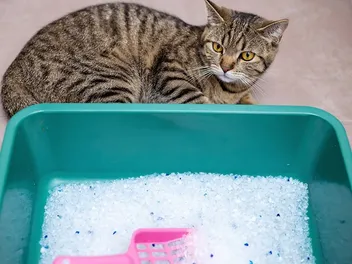
Non-clumping litter is available in a variety of materials, and on the plus side, many of them are made from recycled materials. Again, litter made of silica gel crystals is the most common type available because it is so absorbent and is odor resistant.
Plant-based or eco-friendly litter like wood and paper aren’t as absorbent and don’t have great odor control, but they still work well if you remove the feces often and clean the tray regularly. Pine wood shavings are also a good option since they are absorbent and provide a lovely smell that can help mask the odors. Paper pellets are another completely safe and eco-friendly option, but like other natural options, they don't last as long.

Downsides of Non-clumping Litter
While non-clumping litter can work well for feces, it is different for urine. Sometimes the urine can take a while to soak up, which may saturate the surrounding particles.
Non-clumping litter also tends to smell more, especially with plant-based or eco-friendly materials.
While non-clumping litter is often cheaper, depending on the material, you may go through more of it, which can end up costing more.
Pros
- Can be made from recycled materials
- Less dusty
- Some cats prefer it
- It's lighter to carry
Cons
- Wasteful
- More odor than clumping litter

Which Cat Litter Should I Choose?
When it comes to choosing the best litter for you, it depends on your needs, your cat's age, and your cat's preference. Generally, clumping litter has the texture most cats prefer, it’s easy to clean, and it’s very convenient. However, if your cat suffers from asthma or allergies, a less dusty or non-clumping option is better.
Both litters can cause tracking around the house, but because non-clumping litter has larger particles, it is less likely to create a mess.
Conclusion
Whichever litter you choose, you will still need to ensure that your cat's litter box is always clean. Clumping and non-clumping varieties have advantages and disadvantages, but you must determine which type appeals to your cat the most. It can also be a process of trial and error, as your cat may be the one that makes the final choice. Although it may be tempting, it’s best to avoid scented litter, and, of course, if your cat suffers from any respiratory issues, dust-free litter is the safest option.
See Also:
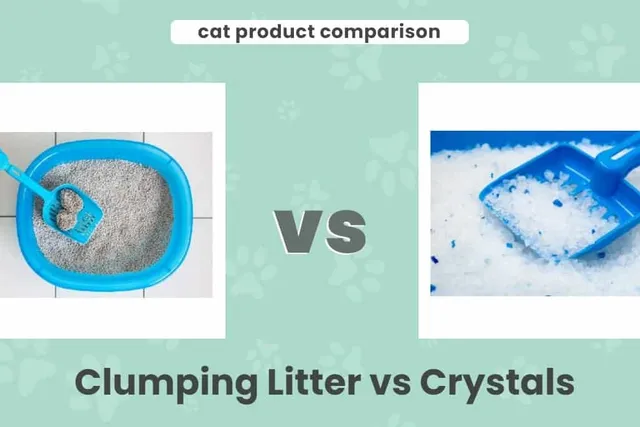
Featured Image Credit: Left - Clumping (Sai Jirawadee, Shutterstock); Right - Non-Clumping (New Africa, Shutterstock)

Expert cat care, straight to your inbox
Vet-reviewed advice, behavior tips, and the best of Catster. Free, and you can unsubscribe anytime.
By signing up, you agree to our Terms & Conditions and Privacy & Cookies Policy.
Christian started writing for a local newspaper as a teenager, and he's been involved in the publishing industry for most of his adult life. Combining his love of writing with a passion for animals, he is currently the Director of Editorial at Pangolia and the Editor-in-Chief at Catster.
Christian lives in the Philippines with his wife, son, and four rescue cats: Trixie, Chloe, Sparky, and Chopper.
Join the conversation
Ask a question, share your story, or send private feedback.