The Surprisingly Sweet Reason Behind Cats Chewing Human Hair (and Others)

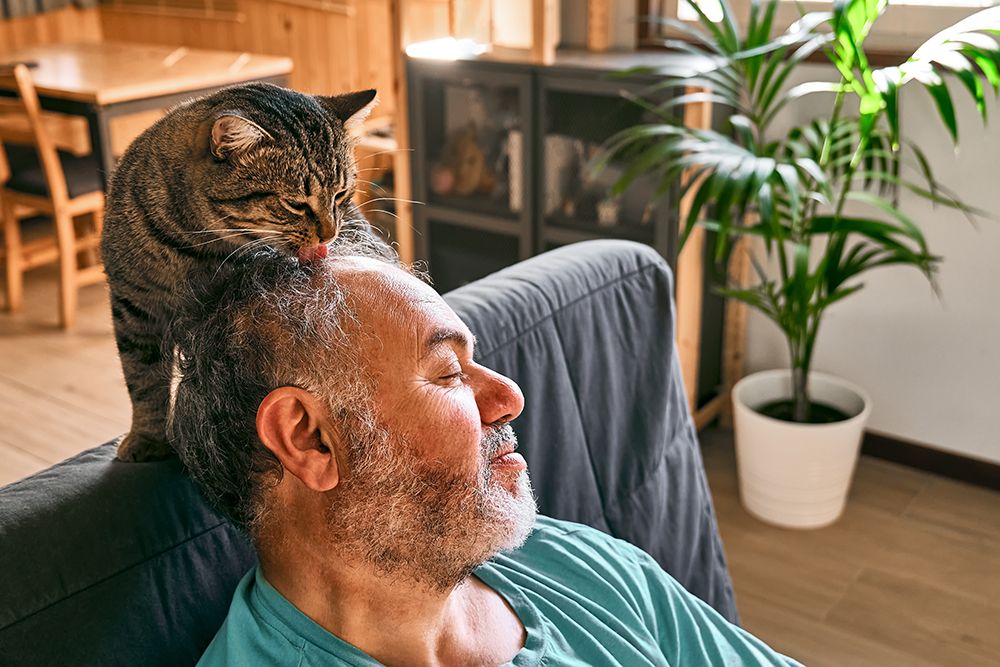
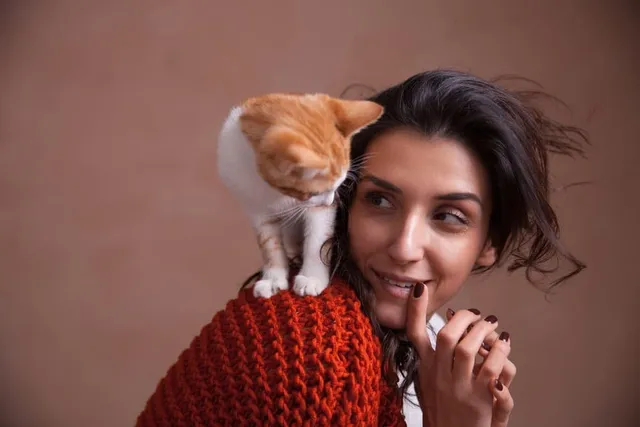
Cats have a talent for turning the ordinary into something slightly bizarre. One minute, there’s a peaceful evening on the couch, and the next, a cat is chewing on a strand of hair like it’s the most fascinating thing in the world.
Strange as it looks, the behavior is far more common than most people realize, and veterinarians say the reasons behind it range from surprisingly sweet to occasionally worth a closer look.
It Often Starts With Love
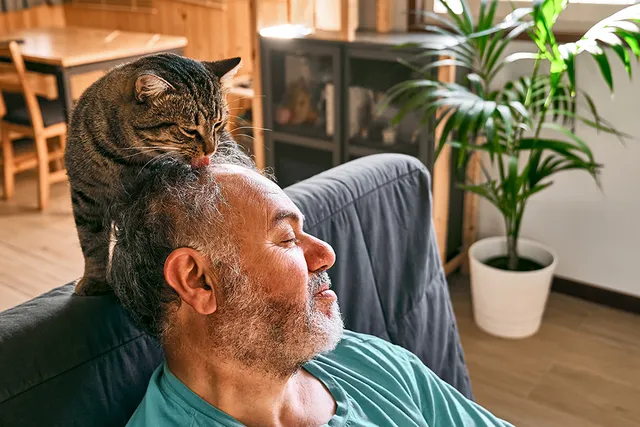
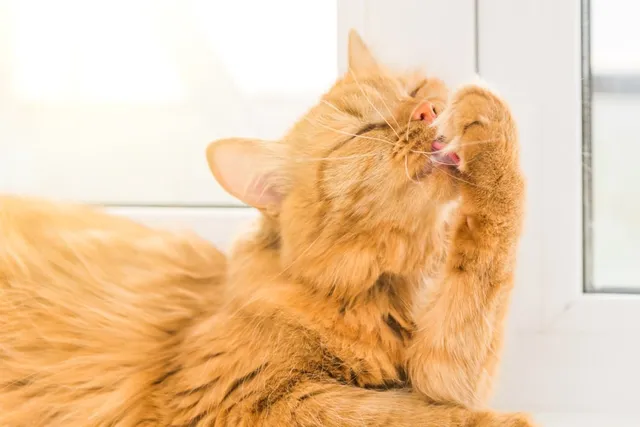
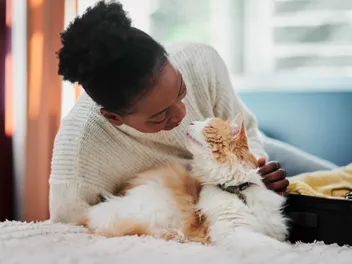
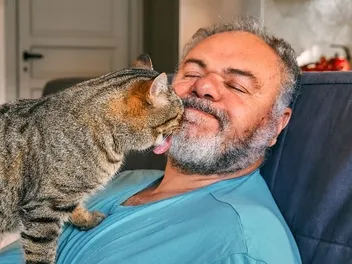
The most common explanation is also the most endearing. Cats are generally solitary animals, but when they do bond with others, feline or human, they engage in something called allogrooming: mutual grooming that signals trust and affection. In cat-to-cat relationships, this involves licking, face rubbing, and the occasional nibble to work out a mat of clumped fur.
When a cat turns this behavior toward a human, hair is the obvious starting point. It's right there, it looks a bit like fur, and to a cat, tending to it feels like a natural act of friendship. The problem is that human hair, especially long strands, doesn't cooperate the way cat fur does. It gets caught, it tangles, and what began as a grooming gesture quickly turns into chewing.
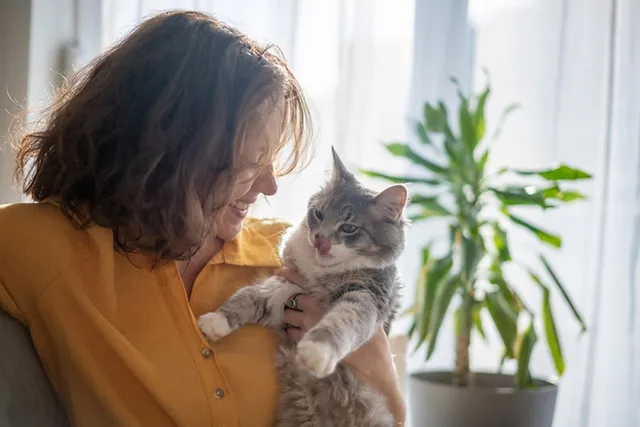
So in many cases, a cat gnawing on someone's hair is, at its core, an expression of affection. It just doesn't translate particularly well across species.

Stress, Soothing, and Old Habits
Not every hair-chewing session is about grooming, though. Cats, like people, develop coping mechanisms for anxiety. Chewing can be one of them, a self-soothing behavior that often emerges in response to stress, whether from a change in routine, a new home, unfamiliar visitors, or noises outside.
Cats that were weaned too early are particularly prone to oral comfort behaviors. Kneading, suckling on soft fabrics, and hair-chewing can all develop as substitutes for early comfort. Over time, these behaviors can become habits, something a cat reaches for out of routine rather than necessity, the way a person might tap their foot or fidget with a pen.
If the chewing intensifies without an obvious trigger, or becomes difficult to interrupt, it may have crossed into compulsive territory, a separate issue that a vet would be better positioned to evaluate.
Health Can Play a Role Too
One explanation cat owners rarely consider: hyperthyroidism. An overactive thyroid gland can produce a range of behavioral changes, including restlessness and increased fidgeting. Weight loss often accompanies it. The condition is especially common in older cats, but treatment is available, including surgery or medication that can meaningfully reduce the associated behaviors.
Sometimes It's Just Curiosity (or Shampoo)
Then there are the simpler explanations. Some cats are drawn to the smell or taste of hair products, shampoo, conditioner, styling sprays, and investigate accordingly. A cat that only chews immediately after someone showers is probably more interested in the products than the person. Switching to unscented formulas, or ones with citrus notes that cats tend to dislike, can be enough to break the habit entirely.
Other cats are just playing. Hair, especially long or loose hair, looks remarkably like a string or ribbon from a cat's perspective, and cats have well-documented enthusiasm for both. The same instinct that makes them bat at dangling things can send them after a ponytail that's within reach.
Attention-seeking is another possibility. Cats are quick to connect cause and effect: if chewing on hair reliably results in being picked up and petted, some cats will keep doing it simply because it works.
Should It Be Stopped?
The behavior itself isn't inherently alarming, but there's a practical reason to discourage it: swallowing long strands of human hair poses a real risk of intestinal problems for cats. Even if the chewing seems harmless from the outside, actual ingestion is worth preventing.
Punishment isn't recommended, particularly since stress is so often tangled up in the behavior, and adding more of it tends to backfire. Instead, the most effective approaches are gentle and consistent. Moving away the moment the chewing begins, without making a fuss, teaches cats that the behavior doesn't produce the results they're after. Offering an appropriate distraction, a toy, some cat grass, or a play session that burns off energy before bedtime, redirects the impulse without conflict.

For cats that chew out of stress, addressing the source matters more than addressing the symptom. Pheromone diffusers and collars that mimic calming maternal scents can help, as can giving cats more places to retreat when the world feels like too much: high perches, quiet corners, spaces that are unambiguously theirs.
If the behavior seems compulsive, or if it's accompanied by other changes like weight loss or withdrawal, a vet visit is the right next step. What looks like an odd quirk occasionally has a medical explanation, and those are always worth ruling out.
The Bigger Picture
Cats are endlessly strange, and the hair-chewing habit sits squarely in that tradition. But underneath the weirdness, the behavior usually points to something recognizable: affection, anxiety, habit, curiosity, or a simple desire for attention. That's not so different from a lot of things cats do. It's just harder to explain to houseguests.
Featured Image Credit: Caterina Trimarchi, Shutterstock
Did You Know?
- Our brand-new posts are rounded up and included in our weekly emails. Don't miss out on the latest - sign up for our newsletter below!

Expert cat care, straight to your inbox
Vet-reviewed advice, behavior tips, and the best of Catster. Free, and you can unsubscribe anytime.
By signing up, you agree to our Terms & Conditions and Privacy & Cookies Policy.
Dan has been working in the pet world for over 4 years covering cats, dogs, and all other pets in between. He loves helping pet parents keep their companions happy, healthy, and of course, totally spoiled! Originally from London, Dan now travels and works remotely, which unfortunately means no pets at home, but it gives him plenty of opportunities to fuss over other people's furry friends.
Join the conversation
Ask a question, share your story, or send private feedback.