Can Sand Be Used As Cat Litter Replacement? Vet-Approved Facts & FAQ


In this article
While pet ownership has several benefits, it also has environmental consequences. Cats place demands on the environment in two major ways. Pet food production is incredibly resource-intensive, requiring tons of water, time, land, and energy. The processes involved in obtaining cat litter and disposing of feline waste also place heavy demands on the environment, as many traditional kitty litter products aren't biodegradable and end up in landfills.
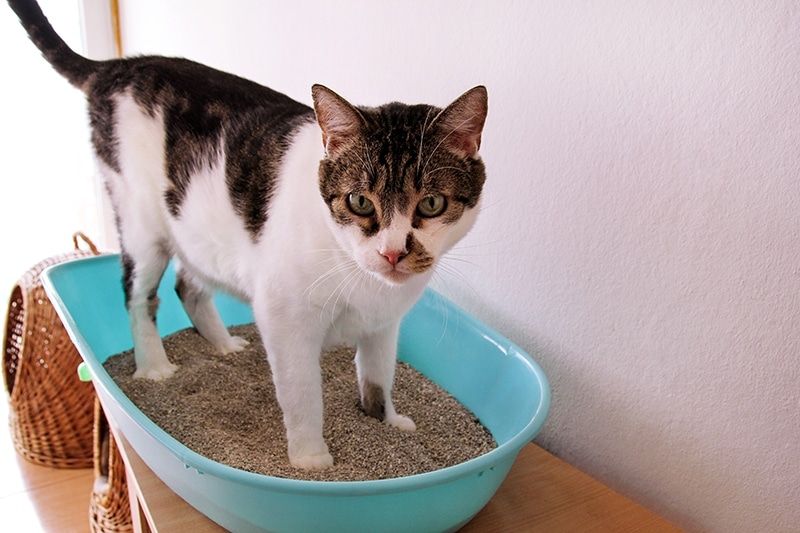
If you're looking for a way to reduce your cat's environmental footprint and want to switch to a natural litter replacement, you may be wondering about using sand. Sand is a viable litter replacement. It's readily available, inexpensive, and allows cats to relieve themselves on a natural substance.
Cats in the wild are naturally drawn to using the bathroom in soft, sandy places that allow them to bury the evidence.

Commercial Kitty Litter & the Environment
Cats go through tons of kitty litter every year. Globally, pet owners spent over $10.82 billion on cat litter in 2021,1 which is predicted to reach $16.44 billion by 2030. Owners are often advised to replace the entire contents of their companion's litter box at least once every week, resulting in loads of cat-related waste.
Many commercial cat litters, including clumping and crystal options, aren't biodegradable, resulting in cat litter sitting in landfills and potentially releasing dangerous contaminants. Consider several options if you're looking for a more environmentally friendly way to deal with kitty litter, from natural products such as sand to commercial biodegradable choices.

Sand Litter
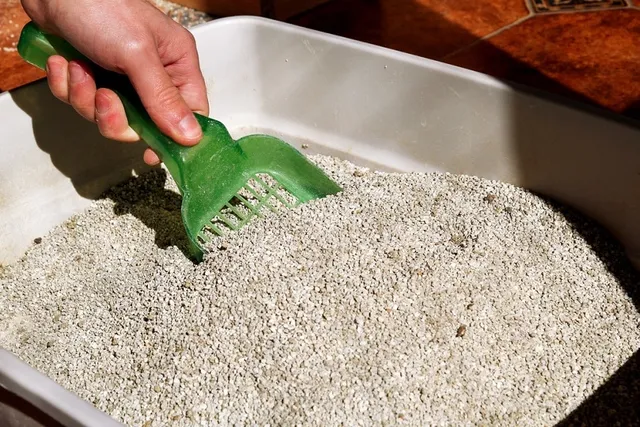
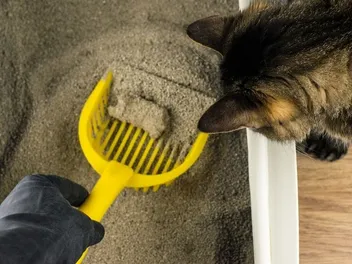
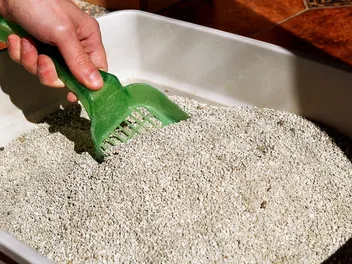
Sand is a perfectly reasonable litter replacement option. It's natural and often cheaper than commercial cat litter. It tends to clump reasonably well, and most cats know what to do when they see sand in their litter boxes. On the other hand, it tracks easily, so you'll need to spend a fair amount of time cleaning up after your pet. In addition, it doesn't offer odor control.
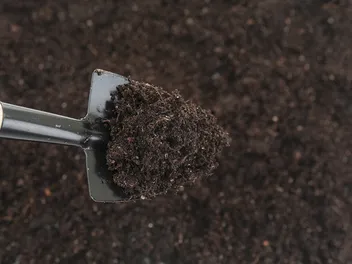
Cats often enjoy soft, fine sand, which is relatively easy to find and not terribly expensive. Look for products normally used in children's sandboxes. Buying bags of sand at large garden centers and landscaping stores is also possible. Do not collect and use sand that is not meant for sale. Though free, it might be contaminated with parasites and microbes shed by other animals which could infect your kitty.
While sand isn't technically biodegradable, it doesn't degrade and release harmful chemicals into the environment. But using sand also comes with very serious environmental consequences. International sand mining is largely unregulated, which sometimes leads to environmentally damaging extraction practices.
Sand mining has been linked to coastal and riverbed erosion, which may contribute to increased vulnerability to flooding. Sand is an important global resource used in concrete, glass, and computer chips.
Some experts suggest the world may run out of sand within decades if current consumption rates and extraction practices remain unchanged.2 Sand is not a renewable resource and may not be the best choice if you’re in search of sustainable options.


The 3 Commercial Biodegradable Options
There are several commercial options if you're interested in an environmentally friendly cat litter product. Products are available in scented and unscented varieties.
1. Pine & Paper Litter

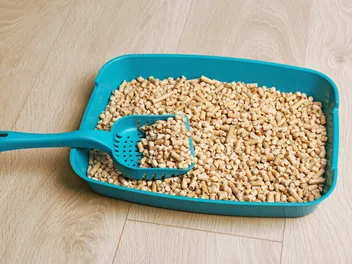
Biodegradable, non-clumping, unscented products are easy on the earth and excellent choices for allergy sufferers or those with sensitive noses. Pine litters feature a natural fresh scent that helps with odor control. Options made of recycled paper give extra life to used newspapers and magazines but sometimes need to be changed more frequently than other biodegradable options.
2. Odor Control
To keep odors under control, you may need to change biodegradable litters more often than clay and clumping products. Baking soda is a fantastic all-around non-toxic odor reducer and stain remover. You can use it to unclog drains and get pet smells out of carpets and upholstery.
While baking soda is a great non-toxic cleaning product, it can make cats sick if they ingest it, and it’s best used (for cleaning purposes) when your cat is occupied elsewhere.
Combating tough cat litter smells is an ongoing battle for pet parents but luckily, there are products out there designed to help! Two products that significantly reduce odors are the Hepper Litter Additive and the Hepper Enzyme Spray.
| Image | Product | Details | |
|---|---|---|---|
|
Hepper Advanced Bio-Enzyme Pet Stain & Odor Eliminator Spray |
|
Check Price |
|
Advanced Bio-Enzyme Cat Litter Deodorizer |
|
Check Price |
At Catster, we’ve admired Hepper for many years and decided to take a controlling ownership interest so that we could benefit from the outstanding designs of this cool cat company!
3. Flushable Litter
While many environmentally friendly brands are marketed as flushable, it's best to dispose of them in the trash. Not only are they often hard on plumbing, but they can also damage sewer systems. Also, cat waste shouldn't be introduced to the water supply as it may contain parasites.
For example, cats may shed the mature eggs of Toxoplasma gondii, which is of zoonotic concern. The parasite can cause birth defects (when pregnant women acquire the parasite) and make people with weakened immune systems quite ill.
Cat pee, poop, and litter are best disposed of in the trash and according to local rules and regulations. You can purchase recycled, biodegradable waste disposal bags instead of regular plastic bags when changing your cat's litter if you want to be extra nice to Earth. Alternatively, you may consider toilet training your cat to avoid having to use any litter at all.

Tips on Transitioning Cats to a New Type of Litter
Cats can be particularly resistant to changes involving their litter, so if you decide to make the switch, give your buddy plenty of time to transition. Start by reducing the amount of old litter and adding a bit of the new product when you change your cat’s litter. Keep reducing the amount of the older product and consistently add a higher percentage of the new product over time.
While some cats zip through the change, it's not unusual for some to need more time to get used to things. Keep an eye on your pet's reactions and be ready to try a different brand if your companion isn't happy; it's common for cats to reject certain types of litter.

Conclusion
Soft, fine sand can be used as a litter replacement. It clumps well, and cats generally recognize what it's for. It's best to use sand that’s used in children's sandboxes or for landscaping.
Although sand retains odors more than commercial litter, you can add baking soda to reduce the smell. Alternatively, several commercial products feature recycled paper, corn, wheat husks, and even dried tofu, making it possible to find sustainable choices that meet your cat's needs.
Featured Image Credit: Zoran Photographer, Shutterstock

Expert cat care, straight to your inbox
Vet-reviewed advice, behavior tips, and the best of Catster. Free, and you can unsubscribe anytime.
By signing up, you agree to our Terms & Conditions and Privacy & Cookies Policy.
Lorre Luther is a writer who is firmly convinced that cats are smarter than humans. She left her law career in the United States and moved to the Netherlands to follow her dream of becoming a writer. Lorre currently lives in Rotterdam, she enjoys traveling and greatly appreciates the beauty of nature. Lorre has a spot for animals and admires the intelligence of cats.
Join the conversation
Ask a question, share your story, or send private feedback.