History of Cat Litter – Taking a Look at Its Past

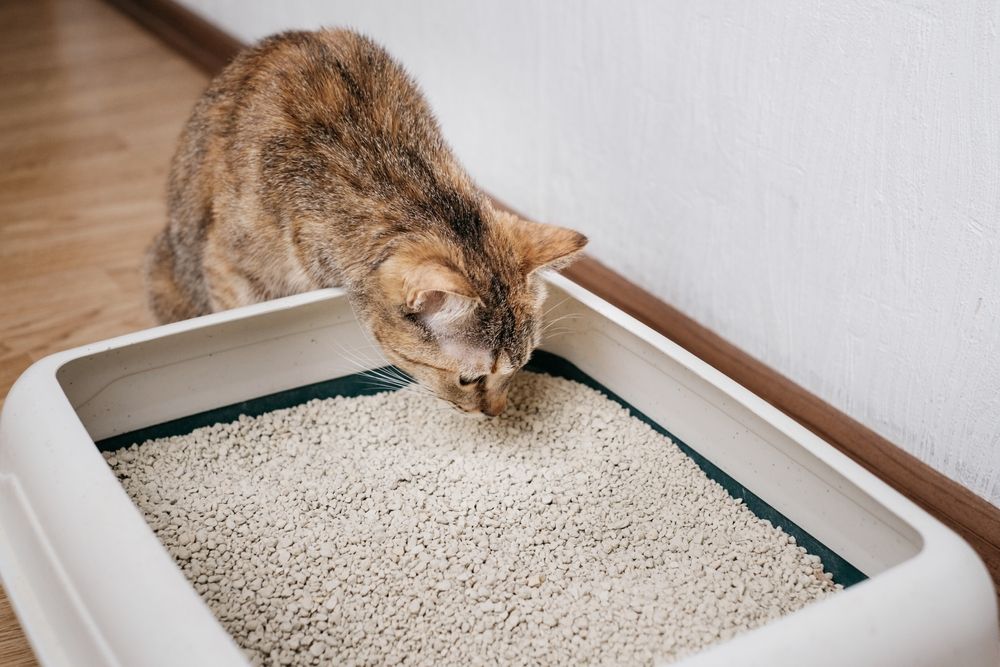
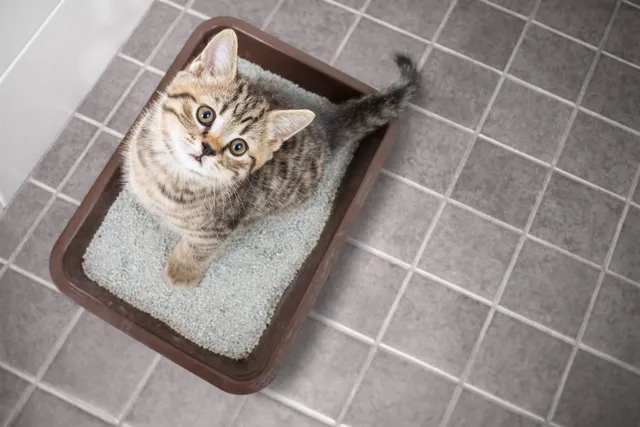
It's almost second nature—you walk into a department store or browse online for essentials, and cat litter is on the receipt. It's an essential product every cat owner knows—as crucial as the food they eat while in the home. After all, the smell is enough to knock out the whole house in a single swoop.
There are all kinds of different cat litters claiming to be the best, touting slightly different areas of strength. But when did the idea of cat litter really catch on since feline domestication? The answer might surprise you.

Before and After Cat Litter
Cats have been domesticated for an unknown amount of time, but it’s suspected they befriended humans around 7500 BC. That makes them a truly ancient pet among humans. Since then, keepers kept cats mostly outdoors or with access both in and out.
For the most part, even though man and kitty have coexisted for millennia, our cat friends have been eliminating anywhere they want to in the wilderness. In the old days, cats always had pretty much direct access to the outside.
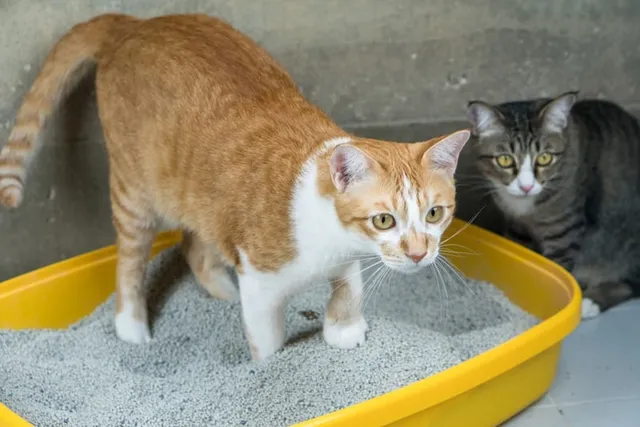
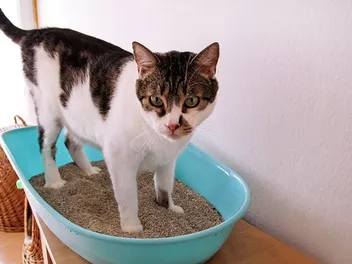
But when you share your home with a cat, it's no secret that they need a place to do their business. It might seem like because we've intermeshed with these creatures for so long, cat litter has been around just as long as they have been living with us. However, that is not the case. Actually, it celebrated its 70th birthday in 2017, being officially invented in 1947.
It wasn’t until we started creeping into the 1900s that cats became indoor living companions. By the time we got to the 1940s, people were beginning to look for alternate solutions as ash, paper, and other semi-absorbent substances just weren't cutting it in the home.
Since people used disposable and often biodegradable substances for cat litter in the home, it didn't really need a market at first. However, owners began to suffer from extreme odors and constant cleaning in the home over time.
But it did take some time before absorbent clay really caught on.

Edward Lowe—The Inventor
A man by the name of Edward Lowe worked in the perfect industry to create the world's first cat litters. The genius of cat litter was discovered by mere happenstance. Edward Lowe worked with his family in Michigan, working with sand, ice, clay, and other naturally occurring materials.
Sometimes, he would have leftover materials with him at home when he wasn't at work. Typically, he sold to companies that wanted absorbent materials to soak up oil and other waste.
As the story goes, his neighbor asked for some sand to put in her cat litter box, since she was tired of using ash. He did not have any that wasn’t frozen, so he gave her absorbing clay granules instead. She later reported that these granules did a superb job controlling odors and soaking up cat urine.
This sparked a genius and business-savvy idea in the head of Edward Lowe. He later decided to invent the first clay cat litter on the market, Kitty Litter, which was coincidentally not easy.
Even though it might seem like a no-brainer, it took him several years to convince cat owners that his product beat out anything that they were using, even sand. However, once it caught on, this market has flourished ever since.
Ed became a hit with pet stores despite his many obstacles, eventually developing the brand Tidy Cats, which we still enjoy today. It seems he really left a legacy behind him—quite the entrepreneur to admire.
Non-Clumping Clay Cat Litter: The Beginning Stages
For so long, cat owners used sand and ash, putting it in their homes so their cats could do their business. As much as we change, we all know that humans really don't like change very much. So, even though the clay was a noticeable upgrade from sand—we were hesitant that it could live up to the hype.
We knew full and well that sand and ash were both insufficient for controlling odors and moisture, but it took a while to transition people over to clay. Eventually, through reluctance and terrific marketing tactics, it happened—and rapidly so after a point.
Even after clay started becoming insanely popular, production companies wanted to keep it going, developing more formulas for various purposes. Professionals got their heads together, creating different brands that accomplished accelerated performance.
These different formulas helped in certain target areas like odor control, moisture control, and low dust production.

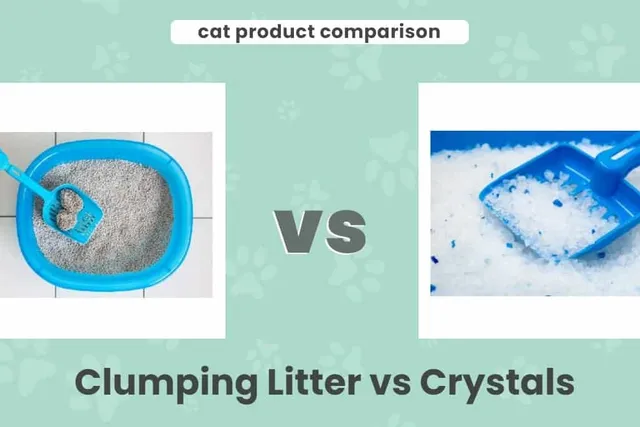
Clumping Cat Litter
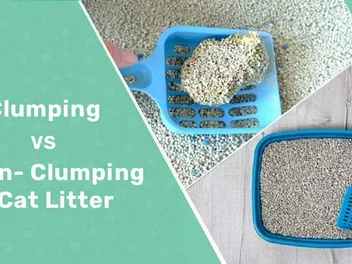
After some time, another discovery was made by total chance. There is a specific clay called bentonite. When wet with urine or liquid in general, it clumps together naturally. This discovery was a significant win among cat owners because it took care of litter box problems even more.
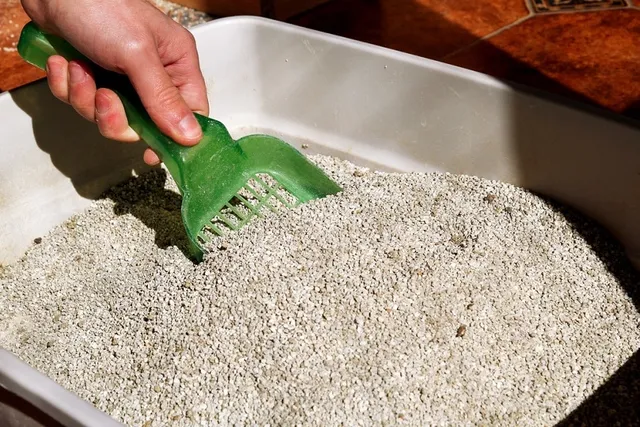
When the clay adhered to the urine and feces, it created a barrier around the waste to contain the smell. Plus, it made scooping out the litter box less of a hassle, keeping the litter pan fresher and cleaner longer.
It seemed like it was an even bigger win, but obviously, we still didn't stop. We wanted more than our kitty's homemade perfume steaming up our living spaces.
Related Read: Best Clay Cat Litters - Reviews & Top Picks

Advancements Beyond Clay
There are several reasons cat litter has continued to expand after the discovery of clay. The first adjustment is because clay is so heavy. Because there is so much to lug around, it makes it hard to dispose of.
In addition, even though clay was also much better at odor control than sand and ash, it still needed to be critiqued and reformulated to have the utmost odor control potency.
In recent years, more natural options have started to develop as well, as we have become more environmentally conscious as a society. Rather than creating more waste, we can turn our cat's waste into compost.
Using biodegradable materials like corn, walnuts, pine, and other wood chips, we can cut back on trash while creating efficient products.
As with any other competing brand on the market, cat litter advances all the time. We were not just satisfied with clay. Now we have created cat litter from all sorts of materials, and each different type of cat litter has its pros and cons.

Types of Cat Litter
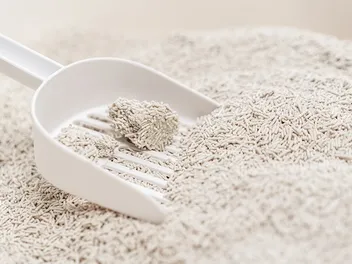
Even though clay had the spotlight for several years, new materials are starting to threaten its number one spot due to their environmental friendliness or odor control. There are several types of cat litter these days. It seems like if it's absorbent, you can find it on the shelves.
- Clay
- Paper
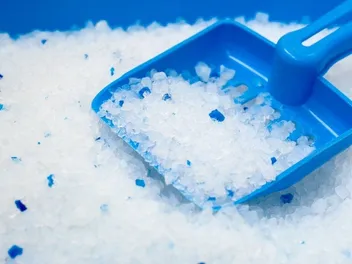
- Silica crystals
- Pine
- Walnut shells
- Wheat
- Coconut husks
- Recycled newspaper
- Corn
- Grass
The type of cat litter you choose will depend greatly on the target area you're most concerned about.
Final Thoughts
As the cat litter market continues to flourish, we will continue to see developments throughout the upcoming years. There are ways products improve for our convenience, safety, and overall well-being. It is interesting to consider the very short 75 years cat litter has been on the market.
Even though scooping a litter box is one of the least enjoyable aspects of owning a cat, it's a necessary one. Hopefully, as time progresses, options continue to improve.
Related Reads: Best Cat Litters - Reviews & Top Picks
Featured Image Credit: New Africa, Shutterstock

Expert cat care, straight to your inbox
Vet-reviewed advice, behavior tips, and the best of Catster. Free, and you can unsubscribe anytime.
By signing up, you agree to our Terms & Conditions and Privacy & Cookies Policy.
As a freelance dog writer and passionate pet enthusiast, Ashley Bates is pursuing studies in animal therapy. A mother to four human children and 23 animal companions, Ashley is dedicated to volunteering at shelters, advocating for animal rights, and rescuing animals in need. Her goal is to spread awareness, provide education, and offer entertainment about pets to reduce homelessness. Ashley's specialties include dogs and cats.
Join the conversation
Ask a question, share your story, or send private feedback.