Why Do Cats Curl Their Paws? Vet-Verified Reasons, Facts & FAQ


In this article
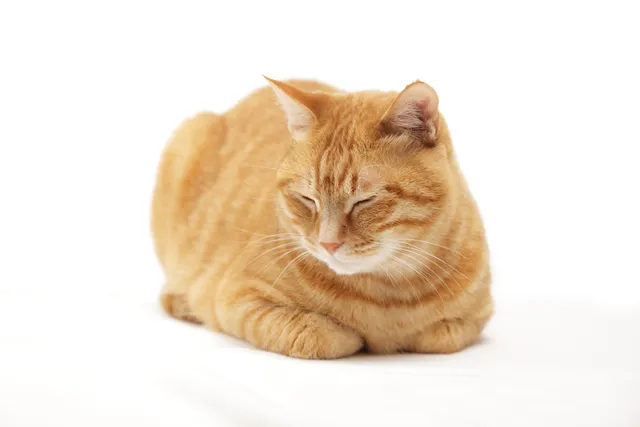
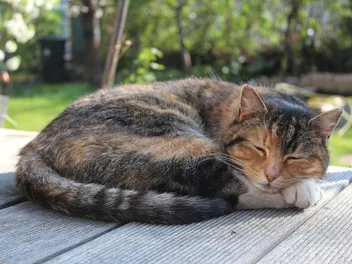
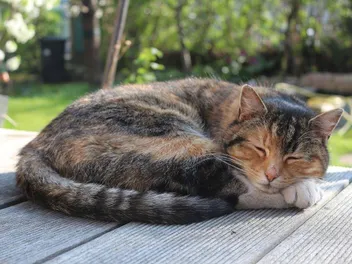
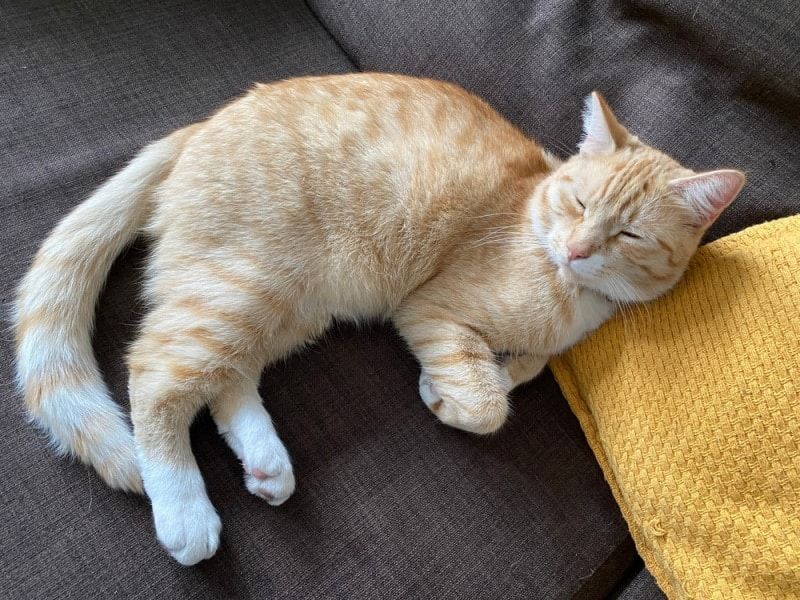
Cats have many adorable habits, one of which is their tendency to curl their paws underneath them and sit in a “loaf” shape. While we rarely think much of the sitting position—other than how cute it is—a cat will curl their paws to keep them warm, to prepare for a nap, or to ensure that they’re ready to get up and go.
A cat curling their paws is a common behavior and nothing to worry about, even if your cat’s reasoning goes beyond a desire to be cute. There are rare occasions when the behavior can be a sign of pain or discomfort, but most of the causes are utterly benign.

Why Do Cats Like to Curl Their Paws?
Cats’ habits always have a reason, no matter how strange they might seem. Curling their paws often has several different meanings, and it’s not just to keep chilly toes warm.
1. Comfort
The biggest reason for many of your cat’s actions is their preference for comfort¹. Curling their paws is similar to when you curl your legs underneath you when you sit on the couch. There’s no real reason to do so, but it’s comfortable.
Sometimes, the opposite is also true. Your cat may curl their paws because they’re in pain or tired after a long day. If your cat is curling their paws more than usual or is showing other signs, like limping, they might be feeling uncomfortable.

2. Habit
Cats have favorite sleeping spots and positions, toys that they will always pounce on, or even a troublesome tendency to climb up your favorite curtains to sit on the top of the bookcase.
Curling their paws could just be a habit they get into during the winter season that they just don’t want to break. If they find it comfortable, if it keeps their paws warm, and if it lets them take a cat nap, there’s no reason to interrupt the behavior. Just enjoy the sight of the cute loaf that your cat has become.
3. Naptime
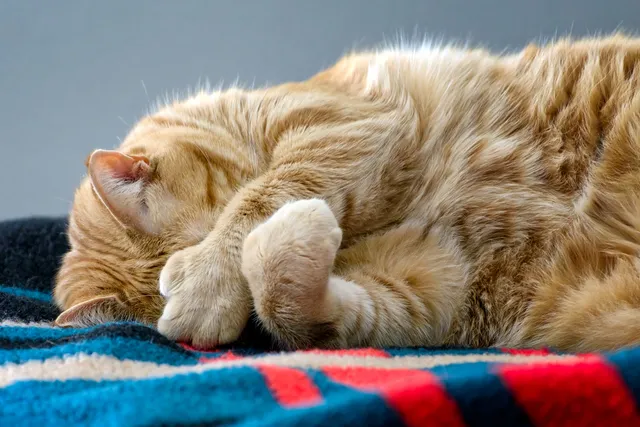
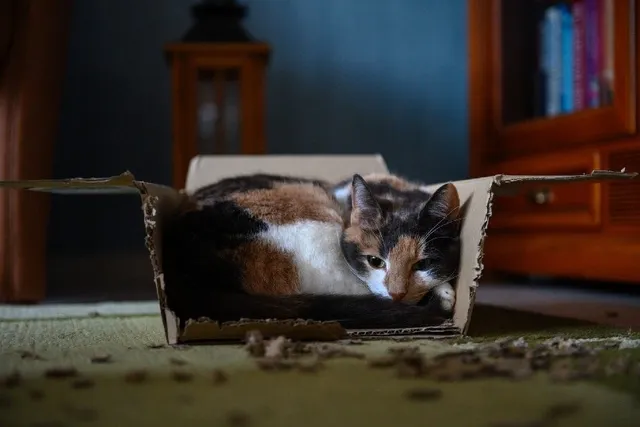
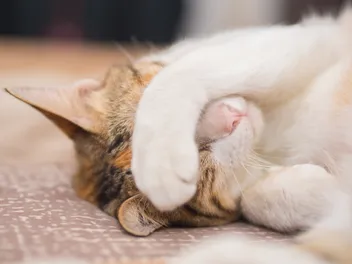
On average, a cat sleeps for 12–16 hours a day. This time can be spent sleeping deeply or napping. Your cat may curl up into a ball or stretch out on a pillow to sleep properly or quickly regain energy with short but effective naps. These power naps are especially useful when your cat is hunting.
Part of the reason that cats will curl their paws and “loaf out” when they’re stealing a few minutes for a catnap is so they’re ready to move again as soon as their energy levels are restored.

4. No Touching
Some pets are well-known for being affectionate all the time, but cats tend to be more selective about when they receive attention. This can lead to a few scratches if you disturb them when they’re not interested. Their body language can tell you whether they want attention.
Curling their paws can sometimes be a sign that they don’t want to be disturbed. Unlike when they curl up on their side or get comfortable on your lap, curling their paws enables them to move freely if they want to. If you try to give them too much attention, it’s easy for them to leave.
5. Quick Responses
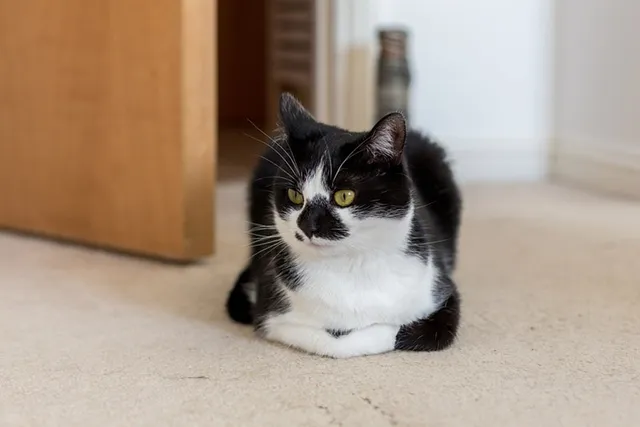
Curling their paws gives cats the ability to move quickly. When a cat curls their paws and forms the iconic “cat loaf,” they might appear to be relaxed, but they’re also more than ready to get up if they need to.
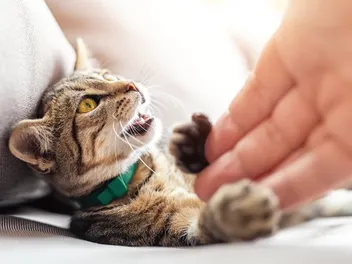
By folding their paws underneath themselves, they can get to their feet at a moment’s notice or swat at a bothersome hand that wants to pet them. This is useful when they want to protect themselves against other pets or children in the house who are likely to bother them while they’re sleeping.

6. Warmth
If you pay close attention to your cat’s behavior, you will probably notice that their habits sometimes change depending on where they are or how warm it is. When they are sunbathing, for example, they’ll likely stretch out in a sunny patch to get the full effect of the sun’s warmth.
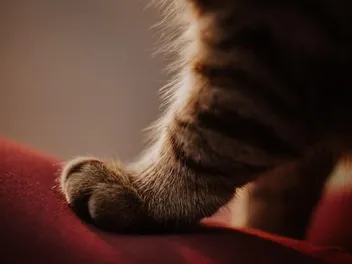
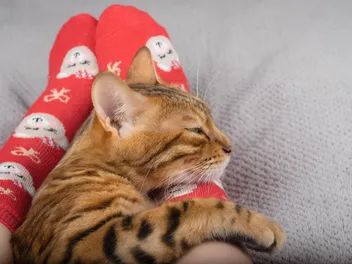
During colder weather, however, they’re much more likely to curl up small. This includes curling their paws to conserve heat. Similar to how our hands and feet get cold, your cat’s paws get chilly too. They’ll tuck their paws under their body to warm them up.
Do All Cats Curl Their Paws?
Most cats will curl their paws at least some of the time. They’ll happily spend hours sitting around the house with their legs tucked in and their tails curled in the famous “loaf” position. Your cat’s personality and how comfortable they are while curling their paws will determine how often they will do so.
Some cats might only curl their paws when they are cold. Others might curl their paws every time they sit down. Certain breeds, like the Maine Coon, have a variation of the curled paws posture. Instead of curling their paws beneath them, they will cross their paws in front of them.

How to Tell Why Your Cat Is Curling Their Paws
With so many reasons behind curled paws, it’s an interesting challenge to determine why your cat is doing the behavior. Usually, you can tell based on the rest of their body language.
If your cat gets up and leaves if you sit too close or try to pet them while they are sitting with their paws curled, they likely want to be left alone. Similarly, if they give you a sleepy glare when you disturb them while they're sleeping, it’s best if you leave them to their nap in peace.
But you might also be greeted by a happy chirp or purring if your cat is just warming their paws. Perhaps they’ve adopted the “loaf” pose while claiming your lap to keep their feet warm.
Similarly, you can tell if your cat is curling their paws because they are in pain through their body language. Look out for signs of pain¹ or discomfort. Aggression, sudden behavioral changes, abnormal posture, limping, or vocalizing can all signify that not everything is right with your cat. A consultation with a vet is necessary to rule out any severe health issues that could be affecting them.

Conclusion
At first glance, it might seem like cats curl their paws just to be adorable. They certainly succeed with that classic “cat loaf” sitting position. However, there’s more to curled paws than first meets the eye.
Cats will curl their paws to keep them warm, to be comfortable, or to spring into action at a moment’s notice despite looking utterly relaxed. They’ll also curl their paws if they feel uncomfortable, but this is less common. Most of the time, curling their paws is a harmless habit, but if you suspect that your cat is in pain, you’ll need to visit a veterinarian.
“Sources”
Featured Image Credit: Tatiana Burlutckaia, Shutterstock
Expert cat care, straight to your inbox
News, insights, and useful advice, delivered to you.

No spam — unsubscribe anytime.
By signing up, you agree to our Terms & Conditions and Privacy & Cookies Policy.
How useful was this post?
Click a star to rate. You can leave written feedback afterwards. (We read all feedback.)
Christian started writing for a local newspaper as a teenager, and he's been involved in the publishing industry for most of his adult life. Combining his love of writing with a passion for animals, he is currently the Director of Editorial at Pangolia and the Editor-in-Chief at Catster.
Christian lives in the Philippines with his wife, son, and four rescue cats: Trixie, Chloe, Sparky, and Chopper.