How to Get a Cat to Use a Cat Tree: 6 Vet-Reviewed Tips & Tricks


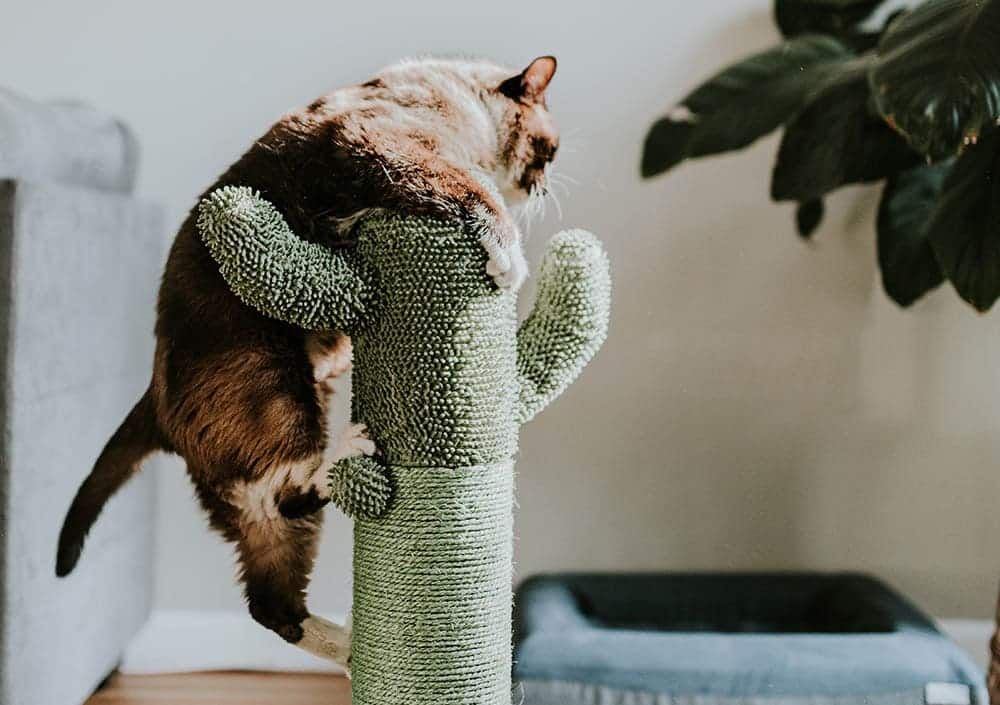
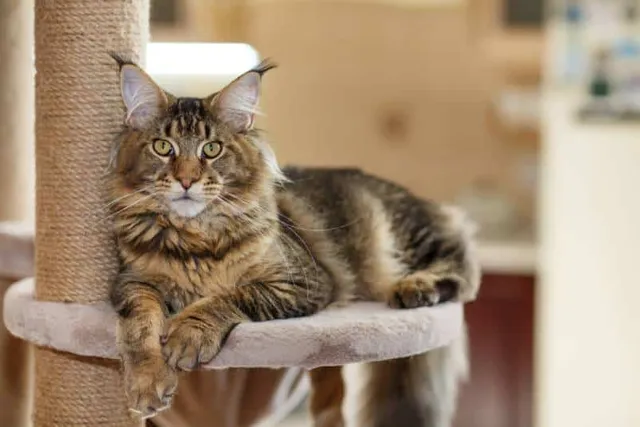
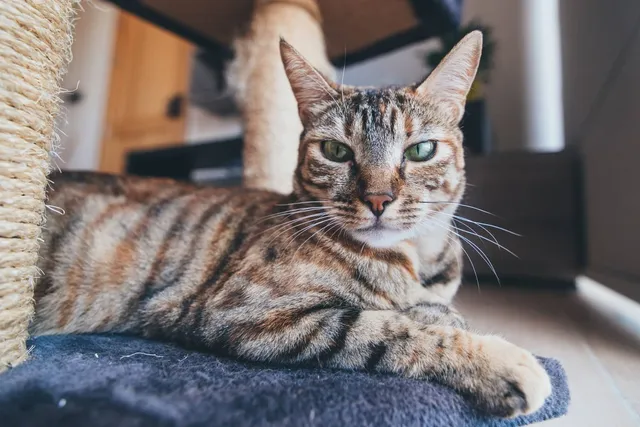
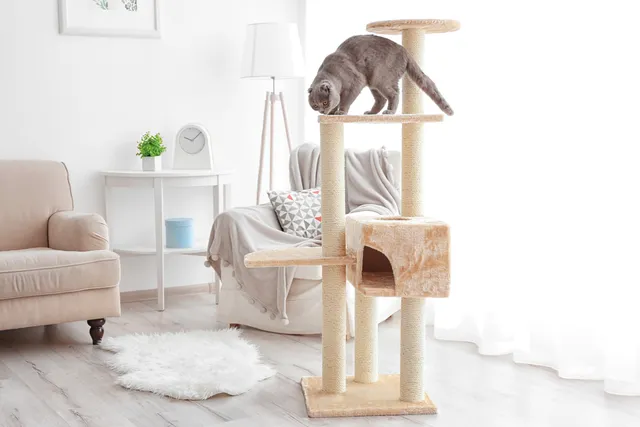
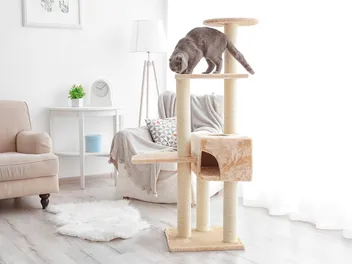
Cat trees keep our cats off the furniture and provide a comfy, secure place to lounge. They’re also excellent scratching outlets that minimize damage to your couches and chairs. If you’ve recently purchased a cat tree and your cat seems stressed or utterly disinterested in spending time in it, don't worry; you’re not alone.
Cats don't adjust well to change, even if it’s something you know they’d love if they would give it a chance. The good news is there are ways you can convince them their cat tree is the best place to hang out. In this article, we’ve put together the best steps you can take to persuade your cat to start using their brand-new, neglected cat tree.

The 6 Tips to Get a Cat to Use a Cat Tree
1. Consider Location
Each cat is different, and the perfect location can vary depending on your cat. If your cat is a solitary soul that enjoys peace and quiet, place the cat tree in a room that doesn't get much foot traffic. If your cat likes being around the hustle and bustle of family life, find a spot where they can still feel like they’re in on the action while relaxing.
Cats like windows, and placing the cat tree near one is a great way to encourage them to use it. This maneuver might save your screens and blinds from little, destructive paws. Find a convenient spot that encourages your cat to use the tree but will not get in your way.

2. Suitability
Your cat’s disinterest might be related to the cat tree's design. When picking a cat tree, take these circumstances into account.
- Height Preference: Does your cat enjoy towering over everyone else, or do they prefer to stay lower to the ground? Choose the size of your cat tree wisely, especially if your pet suffers from mobility issues or vision problems. The cat’s age is also important; kittens struggle with tall trees but will grow into them quickly.
- Activity Level: Like people, all cats are different. One might like curling up for a snooze, while another is playful and adventurous. If your cat is active, they might appreciate a tree with entertaining features. Some cat trees have ramps, toys, ladders, and scratchers, which are perfect for the more active kitty. If your cat is less active, a cat tree that favors comfort is probably better.
- Multiple Cats: In a perfect world, all your cats will get along and be willing to share a tree. But that isn't always the case. Different personalities also might demand different styles of trees, too. If your cats are happy to share, there are large trees that can fit several cats comfortably.
- Scratching Preferences: Most cats scratch to sharpen their claws and aren't too fussy about where they do it on a cat tree. On the other hand, other cats can be a little more selective about their scratching preferences and dislike the tree’s size or texture. Remember to keep your cat’s preferences in mind to get full use out of their tree.
3. Food as an Incentive
Food, toys, and treats will make the cat tree more welcoming and ensure your cat has a positive experience in this new environment. Try to pique your cat’s interest by leaving a trail of treats on the tree. You could feed them and play with them in the tree or try catnip, which will make the tree more enticing.
However, it is important to mention that treats should make up only a maximum of 10% of your cat's nutrition. Ask a veterinarian for the most suitable healthy treats for your cat.
4. Make the Tree Comfy
Use something comfy that your cat loves to convince them the tree is a fantastic comfort spot. It could be their favorite bedding or blanket; whatever it is, make it something familiar. Cats can be fussy about where they want to rest, and if adding a blanket doesn’t work at first, try another spot on the cat tree.
5. It’s All About the Tree

Encourage your cat to use the tree by making it the focal point of your attention. Praise, play, and shower your cat with affection when they’re on their tree. This is especially effective if you use positive reinforcement when your cat is introduced to the tree.
It will make them more comfortable and ease some of the stress they may feel about such a significant change.
6. Be Patient
This list won't guarantee your cat will fall in love with a cat tree the first day you bring it home. Keep trying and give your cat time to adjust to the change. Once they’ve had time to examine the tree and realize it isn't a threat, they may use it on their own.
FAQ
Why Might My Cat Not Use Its Tree?
Some cats dislike seeing new structures, such as cat trees, in their homes. They may not like the way it looks, and they could've had a negative experience with the tree if another cat had kicked them off one before.
They might dislike where you’ve chosen to place the tree, or they might be struggling to use it because of a lack of mobility or a disability. Once you have identified the reason, you’ll be in a better position to help your cat make full use of its cat tree.
What Are the Best Spots for the Cat Tree?
Generally, living rooms, dining rooms, and bedrooms are your best bets, especially if there are windows for them to enjoy. Position the tree near the corner of a room for extra stability and, as we’ve already mentioned, try to put it in your cat’s favorite room.
When Should I Get My Kitten a Cat Tree?
Cats naturally gravitate towards high areas and textured material they can claw at, and a large cat tree they will eventually grow into might seem like the perfect gift as soon as your kitten joins your family. However, to avoid falls or injuries, wait until your kitten is at least 4 months old before introducing them to a large cat tree.
It is essential to give your kitten feline-friendly vertical spaces to explore, but they shouldn't have access to tall structures since they are not coordinated enough to handle them.
Your brave kitten might want to tackle a 5-foot-tall tree, and they might be successful, but they’ll find it more difficult to descend safely. In the meantime, they can enjoy scratching on a scratching post and smaller objects to climb on, like kitten-sized trees.
Cats are intriguing animals who sometimes have odd interests and indulge in unusual behavior. Understanding them might be tough but providing a toy that fosters their instinctual needs and curiosities is simple.The Hepper Hi-Lo Cat Scratcher encourages playtime and offers a cat-appropriate place to scratch.
It’s unique 3-position design and cardboard scratch pad allow your cat to explore different levels, improves their health, satisfies natural feline impulses, and deters your cat from delving into places they should not. Show your cat how much you love and appreciate their quirks by gifting them the Hepper Hi-Lo Cat Scratcher.
At Catster, we’ve admired Hepper for many years, and decided to take a controlling ownership interest, so that we could benefit from the outstanding designs of this cool cat company!
Conclusion
There are a few critical factors to consider when purchasing a cat tree. If your cat is still not interested in taking full advantage of their new tree, the first step is determining what is bothering them. Then, you can help them realize how fun and relaxing their cat tree can be. In time, your cat will go on tree-climbing adventures or snooze the afternoon away by their favorite window.
Sources
https://news.petmeds.com/news/how-to/how-to-get-your-cat-to-use-the-new-cat-tree/#:~:text=Use%20treats%2C%20toys%20or%20catnip,tree%20to%20reach%20the%20toy.
http://www.vetstreet.com/our-pet-experts/how-can-i-teach-my-cat-to-love-her-cat-tree
https://pet-happy.com/is-your-cat-not-paying-attention-to-his-new-cat-tree/
https://www.petmd.com/cat/slideshows/6-dangerous-kitten-toys-you-should-avoid#slide-5
Featured Image Credit: Chewy, Unsplash
Expert cat care, straight to your inbox
News, insights, and useful advice, delivered to you.

No spam — unsubscribe anytime.
By signing up, you agree to our Terms & Conditions and Privacy & Cookies Policy.
How useful was this post?
Click a star to rate. You can leave written feedback afterwards. (We read all feedback.)
Kerry-Ann lives in Scotland and would love to have a bigger garden so she could have her very own Highland cow. But her dogs probably wouldn’t like that idea very much. She has a La Chon called Harry who was sick with a liver shunt when he was a puppy. It wasn't likely he would make it into adulthood, which was difficult to comprehend, but he beat the odds and is a healthy old man now. She also has a Pug called Maddie who is a big foodie. She’s small, sassy, and every day she finds a new way to wind her brother up.
When she isn’t writing you can find Kerry-Ann going for long walks when it isn't raining, reading, or watching cartoons. She would one day like to be a tourist in her own country and travel through the Highlands with her family.