Get

In Your Inbox

Catster is reader-supported. When you buy via links on our site, we may earn an affiliate commission at no cost to you. Learn more.

How Contagious Is Feline Infectious Peritonitis (FIP)? Our Vet Explains

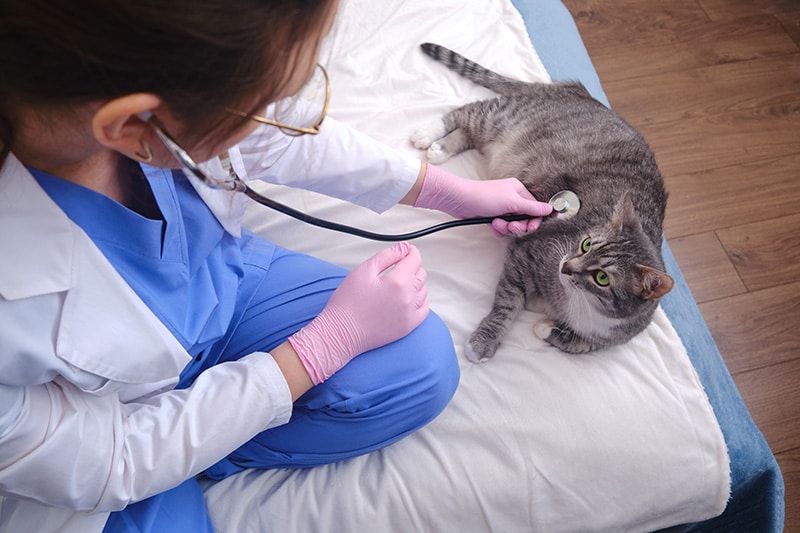
vet checking a cat at home

Dreaded by veterinarians and cat parents alike, feline infectious peritonitis (FIP) is a serious disease. There are some promising new treatments on the horizon, but in many cases, FIP is sadly still fatal.

If your cat has been diagnosed with FIP and you have other cats at home, you are likely worried about your other kitties developing this awful disease! The term “infectious” is a bit confusing because, while a virus causes FIP, it is not considered contagious (i.e., it does not spread between cats).

We’ll briefly review what is currently known about FIP and offer some things to consider that may help protect your other cats.

divider cats oct 2024

What Is Feline Infectious Peritonitis (FIP)?

Feline infectious peritonitis (FIP) is a viral disease resulting from a mutation of the Feline Enteric Coronavirus (FeCV).

  • Most cats have likely been infected with FeCV at some point, often without any sign of illness (some cats develop mild, self-limiting gastrointestinal signs like diarrhea)
  • Once a cat has FeCV, the virus stays in their body for the rest of their life. Most cats only shed the virus in their feces (poop) for a few months, but some cats continue to shed the virus throughout their life1
  • In less than 10% of infected cats, the virus undergoes a mutation (change), causing an intense inflammatory response (FIP)2
FIP typically presents in one of two ways:
  • The “wet” or effusive form (most common): Fluid accumulates in the belly or chest, usually quite rapidly
  • The “dry” or non-effusive form: Internal organs are damaged by inflammatory lesions forming throughout the body

We do not fully understand why this mutation happens in some cats with FeCV and not others, but genetic factors and stress (physiologic and psychological) are suspected to play a role.

You might be thinking that the life of an average house cat is anything BUT stressful! However, many things that don’t seem like a big deal to us can be upsetting for our feline friends.

Examples of stressors that might make mutation of the virus more likely include:
  • Physiologic stress: Recent surgery, infection with another virus (e.g., feline immunodeficiency virus, feline leukemia), immunosuppression, etc.
  • Psychological stress: Moving, a new baby in the home, conflict between multiple cats in a household, etc.
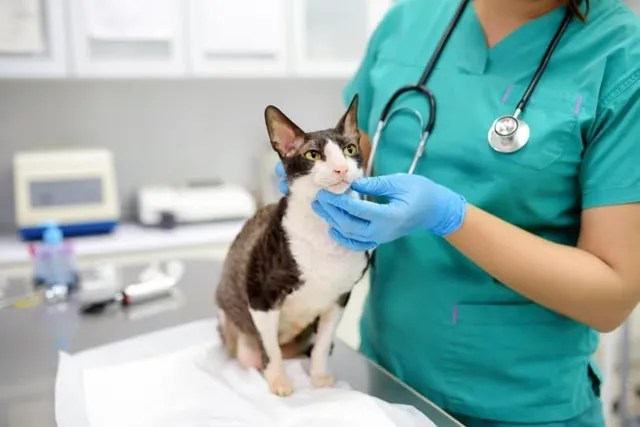
veterinarian examining a cat in the clinic
Image By: Lee Charlie, Shutterstock

Is Feline Infectious Peritonitis (FIP) Contagious to People?

No. Feline enteric coronavirus (FeCV) is not the same coronavirus that causes COVID-19, and feline infectious peritonitis (FIP) does not affect people.

Can Feline Infectious Peritonitis (FIP) Spread Between Cats?

Feline infectious peritonitis (FIP) is not considered to be a contagious disease. Feline enteric coronavirus (FeCV) spreads easily between cats via contact with infected feces (poop), but the mutated virus that causes FIP does not seem to be shed by affected cats.

FIP is sometimes diagnosed in more than one cat from the same household. However, this is not thought to be due to direct transmission between cats.

vet-checking-up-the-cat
Image Credt: PRESSLAB, Shutterstock

If My Cat Passed Away From FIP, Is It Safe to Bring a New Cat Into My Home?

Fortunately, the feline enteric coronavirus (FeCV) does not survive for long in the environment. In ideal conditions, it has been shown to live for up to 7 weeks, but typically, the virus dies after just a few hours outside of a cat’s body.

To be abundantly cautious, some veterinarians recommend waiting 2 to 3 months after losing a cat to FIP before introducing a new cat into your home.

Additional precautions you can take include:
  • Disinfecting hard surfaces with diluted bleach (1 part bleach in 32 parts water)
  • Steam-cleaning soft surfaces
  • Throwing out old litterboxes and buying new ones
Here are a few other things to consider before bringing home a new kitty:
  • Your home environment: FIP seems to occur more commonly in multi-cat households, especially if there are frequent additions of new cats or over-crowding.
  • Cats younger than 18 months of age appear to be at higher risk of FIP, so you may wish to consider adopting an older kitty.
  • Certain cat breeds appear to be at higher risk of developing FIP, including (but not limited to) Abyssinians, Bengals, British Shorthairs, Himalayans, and Ragdolls.

Is There Any Way to Protect My Cat(s) Against Feline Infectious Peritonitis (FIP)?

Currently, the only way to protect a cat completely against feline infectious peritonitis (FIP) is to prevent an infection with feline enteric coronavirus (FeCV). Unfortunately, this is nearly impossible because the virus is so common.

There is a vaccine available for FeCV, but it is not considered to be very effective, and it does not protect against mutation of the virus. The Association of Feline Practitioners (AAFP) does not currently recommend this vaccine for most cats.

If we refer to some of the examples listed above of stressors that can increase the risk of FIP, there are some things you can consider to protect your cat:

  • We know cats are addictive, but try to remember that having too many kitties (especially in a small space) increases the likelihood of conflict and stress
  • Consider using a pheromone diffuser (e.g., Feliway) to promote a calm home environment for your kitties
  • Ensure you have one litterbox per cat, plus at least one extra
  • Place litterboxes far away from food and water dishes and clean them daily
  • Schedule regular veterinary check-ups. If clinic visits are stressful, ask about options to help your cat feel more relaxed (e.g., house calls, pre-visit medication)
  • Stay up-to-date on vaccinations recommended by a vet

Check out the Indoor Pet Initiative for additional tips to help keep your cats happy and healthy!

If you are concerned or have questions about your cat’s health, you can also speak to a vet from the comfort of your own home to help make a plan. They can determine when an in-clinic vet visit should be made.

If you need to speak with a vet but can't get to one, head over to PangoVet. It's an online service where you can talk to a vet online and get the advice you need for your pet — all at an affordable price!

PangoVet_Mention-in-Content for PangoVet2 save money

divider cats oct 2024

Conclusion

Feline infectious peritonitis (FIP) is still a scary diagnosis for a cat. Fortunately, it does not seem to spread between kitties, but we still have much to learn about why certain individuals are affected, how to treat them, and whether the disease can be prevented.


Featured Image Credit: Zhuravlev Andrey, Shutterstock

Want content like this delivered to you?

Sign Up For Our Newsletter

News, insights, expert advice, and everything cat

* By submitting, you agree to our Terms & Conditions and Privacy & Cookies Policy.

How useful was this post?

Click on a star to rate (you can leave written feedback after clicking submit)

Help us improve Catster for pet parents!

Your feedback really matters.

What did you like about this post? Also how can we improve it?

Join the conversation

Leave a Reply

You’re very welcome to leave a comment or question. Please know that all comments must meet our community guidelines, and your email address will NOT be published. Let’s have a positive and constructive conversation.

Talk With A Vet Online

Peace of mind,
anywhere, anytime

Affordable vet advice

Can Cats Drink Coffee? Vet-Reviewed Risks & Precautions

Cats are curious creatures, and they tend to investigate everything that they encounter. If your cat is like most, they have stuck their...

10 Pet-Friendly Hotels in San Diego in 2025

Packed with pet-friendly parks, beaches, hiking, and off-leash areas, San Diego, CA, might be your four-legged friend’s new favorite vacation spot. Of course,...

10 Interesting Facts About Cat Claws & Their Anatomy (Vet-Reviewed)

One thing we all know for certain about our cat’s claws is that they can be sharp! But those claws have much more...

How Do Cats Feel Pain? Vet-Approved Facts & Signs

Cats have a similar nervous system as humans and other mammals.1 They can feel pain whether due to injuries, illnesses, or any other...

More related

Do Cats Inbreed? Vet-Reviewed Dangers & Why It’s Bad

Inbreeding involves the mating of relatives, and it’s often done to select for physical traits when breeding pedigree cats e.g Siamese points. It...

My Cat Ate a Chicken Bone! Here’s What to Do (Vet Answer)

For most cats, a chicken bone is a temptation that’s hard to resist! Wild cats often consume their prey without removing the bones,...

Will Ammonia Keep Cats Away? Humane & Natural Alternatives

Even the most devoted animal lover doesn’t want cats trampling through their garden or defecating on their lawn. You can make many DIY...

How to Adopt a Stray Cat: Dos and Don’ts

Here’s how to determine if you’re dealing with a feral or stray cat and what steps to take if you’d like to welcome...

Keep reading

Can Cats Eat Hot Sauce? Vet-Verified Safety Guide

Knowing what your pet can and can’t safely eat is part of your responsibility as a pet owner. Unfortunately, no matter how careful you are, cats have their own mind. Sometimes they eat things that they shouldn’t, and smelly human...

Can Cats Eat Hot Sauce

Why Do Cats Like Dryer Sheets? Vet-Reviewed Causes & Safety Precautions

Do you like to use dryer sheets when you do your laundry? They make your clothes smell nice, feel soft, and remove static from clothing. Who doesn’t want fresh laundry? As it turns out, cats like dryer sheets, too. Dryer...

Dryer Sheet

Is It True That All Cats React to Catnip? Vet-Reviewed Facts & FAQ

Catnip is one of the most widely marketed products for our feline companions. It might be a thought in your mind that no cat could resist the effects of this herbal wonder. However, is that really true? Does catnip woo...

cat with green eyes in catnip

Best Waters for Cats: 6 Vet-Reviewed Types & FAQ

Although cats aren’t known to lap up a bowl of water like dogs, they need to remain hydrated, and it is also crucial for their water to be clean and fresh. There are a few sources of water and different...

cat drinks water

Will Your Cat Miss You If You Give Them Away? Cat Emotions Explained

Cats are loyal, loving animals that can form strong bonds with their owners. But what happens when you give your cat away? Is it possible for them to miss you, even if you’re no longer in their lives? Yes, cats...

sad lonely cat lying on bed

How Long Can Cats Go Without Food? Vet-Verified Dangers & Tips

Cats are often hungry little monsters devouring their food rapidly. Conversely, they may be picky eaters that refuse to eat anything but their favorites! In either case, if your cat stops eating, this is a cause for concern. Cats are...

well-fed-cat-looking-for-food-and-not-eat

Why Do Cats Eat Grass? 5 Vet-Reviewed Reasons Behind the Behavior

Our beloved cats are quirky creatures with some habits that seem rather baffling to cat owners. One of these behaviors is cats chowing down on grass and then sometimes throwing it back up. Why? Why on earth do these intelligent...

close up of a cat eating grass

How Can I Stop Obsessive Licking In Cats? Vet-Reviewed Solutions

Cats groom themselves by licking periodically throughout the day. This behavior is completely normal for felines, in fact they can spend up to half their waking hours grooming. However, some cats will obsessively lick themselves which may signal a problem....

cat licking paws