Why Do Kittens Get Worms? How & Treatment Options


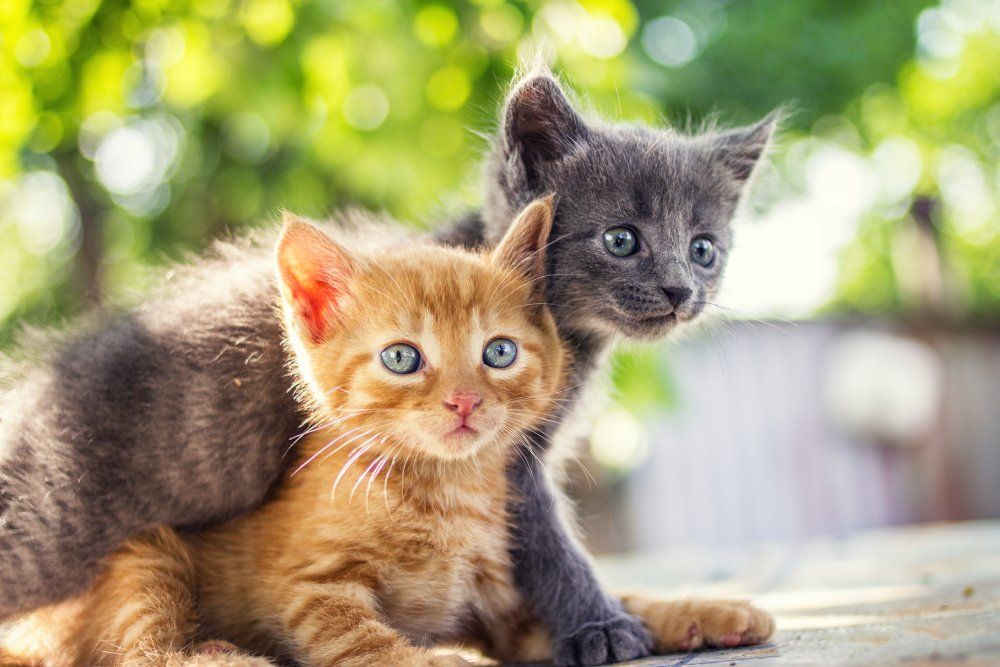
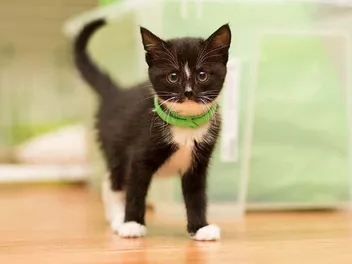
Oh no, you’ve recently acquired an adorable kitten, but they have worms! Now, what do you do? Worms are an unfortunate and relatively common occurrence in kittens. While not typically painful, it’s still a somewhat gross problem with which to deal. More important than the ick factor, though, is the fact that left untreated worms can cause health issues and even prove fatal.
But how do you treat worms in kittens? What options are available to you? If your little one is dealing with worms, we have the answers you need. Take a look below at the treatment options for worms in kittens and how these treatments work!

Why Do Kittens Get Worms?
Why do kittens get worms? The most common reason kittens have worms is because they were passed to them via mama cat’s milk or feces. There are other reasons a kitten could develop worms, though.
Worms can also be picked up if a kitten comes into contact with feces infected with the eggs of these parasites. So, a kitten may have clumsily made their way through an area with infected feces or parasite eggs, then, when they lick themselves, these parasites are ingested, and an infection begins. Other worms are picked up from ingesting infected fleas or raw meat (including small animals that they hunt).
However, most of the time, kittens inherit worms from their mother.

How Do Worm Treatments Work?
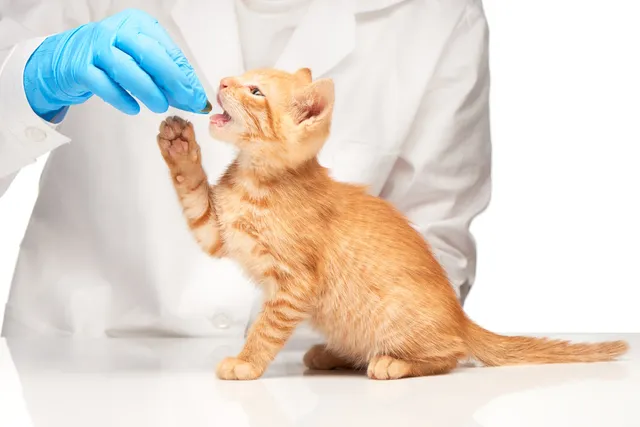
If your kitten is dealing with worms, you’ll need to deworm them. Different types of deworming treatments are available, so you’ll need to discuss with your vet which is best for your kitty.
Deworming medications can all work a bit differently, but they are very safe and don’t often have side effects at the correct dose. While the mechanism of action, depending on the drug used, is not always fully understood, it generally involves interference with the cells, nerves, or protective mechanisms of the parasite, which is then digested or passed by the host.
Dewormers will kill adult worms and sometimes also larvae. However, killing off worms in all life stages typically requires more than one dose of a dewormer. Your vet will most likely prescribe an oral dewormer; whichever is suggested for your pet, you’ll need to be sure to administer the dewormer just as your vet tells you to.
After the worms have been taken care of, your vet might suggest some methods of worm prevention.

What Are the Different Types of Worm Treatments?
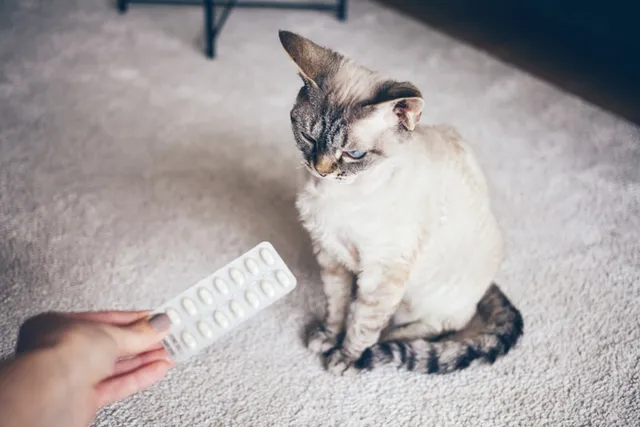
You can find many different types and brands of dewormers out there. Dewormers, also known as anthelmintics, can come in injectables, tablets, chewables, spot-ons and liquids. If you’re taking your kitten to the vet for worm treatment, then your vet will likely give them one of the following medications (which medication can depend on various factors, like the age of your kitten and the type of worm they have):
- Profender (emodepside/ praziquantel): This combination topical treatment that will treat hookworm, roundworm and tapeworm infections in kittens over 8 weeks of age and weighing greater than 2.2 pounds.
- Drontal (pyrantel/ praziquantel): Drontal must be given orally in kittens over 8 weeks of age and weighing greater than 2.2 pounds. It is usually considered safe for pregnant queens, although we recommend asking your veterinarian before giving. It controls all common intestinal worms.
- Revolution (selemectin): Revolution kills hookworms and roundworms and can be used topically in kittens over 8 weeks of age. It also has the benefits of providing flea, heartworm and ear mite control.
You will likely come across home or natural remedies that claim to get rid of worms, but it is not advised that you try these. While using a home remedy or over-the-counter natural remedy may cost less, there is absolutely no guarantee that any of these remedies work (not to mention they could be dangerous to your pet). The best thing to do for a kitten with worms is to speak with your vet about the correct course of treatment.

Where Is It Used?
Dewormers are used either at the vet’s office or in your home. In many cases, a kitten will need more than one dose of a dewormer, so you’ll be giving these doses to them away from the veterinarian’s office. It’s vital to give your kitten any dewormer exactly as their vet prescribes. This includes giving them the right dosage and giving that dosage at the correct time. Pay close attention to any instructions provided by your vet, and be sure to let them know if you have any questions.
What Type of Worms Can Kittens Get?
There are common and uncommon worms that can be found in felines.
1. Roundworms
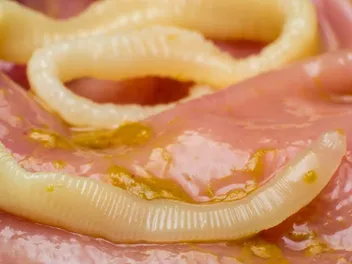
Roundworms are one of the most common worms to affect kittens. They can be passed through mama cat’s milk into the kitten's system. These are the types of worms you’ll be able to see; they’ll look similar to cooked spaghetti and be roughly 3 to 5 inches in length. These worms survive in their host by stealing the nutrients from any food ingested.
2. Tapeworms
Tapeworms are another more common worm. These are the worms that look flat but are segmented, their segments are egg packets which are passed in feces (so it may look like your cat has pooped out rice in their stool). Tapeworms usually come from a cat eating a flea infected with tapeworm cysts. Vertebrate animals can harbour tapeworm cysts so if your cat eats infected raw meat, which is likely to be small animals that they hunt, they can get infected with tapeworm.
3. Heartworms
It used to be thought that heartworms only affect canines, but they can affect felines (although it’s much rarer). These deadly worms infest the blood vessels and can appear after a cat is bitten by a heartworm-infected mosquito.
4. Hookworms
Hookworms are another type of worm that is less common in felines. These worms have tiny “teeth” that resemble hooks, which they use to attach to the intestinal lining. Once attached, they survive by feeding off the cat’s blood. Hookworms can show up because they were passed down from the mother’s milk or a cat ingested the larvae. This type of worm is one of the most serious a cat can have because they can cause intestinal bleeding and anemia.
There are a couple of other types of worms, stomach worms, threadworms, and whipworms are sometimes noted, but less commonly.


Frequently Asked Questions
What are some signs a kitten with worms might have?
It depends on the type of worm, but some common signs include worms in their stool, diarrhea, vomiting, a dull coat, weight loss, lethargy, dehydration, and anemia.

Can I get worms from my kitten?
While you can get some zoonotic diseases from cats, including ringworm (which is in fact a fungal infection not a worm), worms from cats don’t usually directly infect peoples’ intestines. Put it this way; you won’t have mature worms in your digestive system that came from your cat, because you are not the preferred host. However, the larvae of hookworms and roundworms can migrate around the human body and cause disease. The best way to prevent this is using good hygiene around your cat; wash your hands after playing with them or scooping their litter.
What if my kitten’s worms go untreated?
If left untreated, worms could cause serious damage to your kitten and even death. If you suspect worms, take your kitten to the vet as soon as possible.

Should kittens be automatically dewormed?
Yes, kittens should be routinely dewormed. Depending on your situation, your pet may need a dewormer every 2-4 weeks for the first 12 weeks of life.
Can worms be prevented?
There are absolutely things you can do to help prevent worms. Giving your kitten flea medication all year long will prevent any tapeworms that can be transmitted via fleas, while practicing good litter box hygiene can help prevent exposure to any feces that may be contaminated. Keeping them indoors will reduce exposure to parasites from cats and other animals that live outdoors. A regular dewormer will usually eliminate worms before you even notice they are present.


Conclusion
A kitten having worms isn’t uncommon, as they can be passed to the kitten from the mother either in utero or via mama cat’s milk. If your kitten does have worms, then you can treat those worms at the vet with a dewormer. There are different types of dewormers, each treating different worms in various ways. Luckily, most worms are easily treatable, but you must treat them sooner rather than later. The longer a kitten with worms goes without treatment, the worse the consequences could be.
Sources
Featured Image Credit: CebotariN, Shutterstock
Expert cat care, straight to your inbox
News, insights, and useful advice, delivered to you.

No spam — unsubscribe anytime.
By signing up, you agree to our Terms & Conditions and Privacy & Cookies Policy.
How useful was this post?
Click a star to rate. You can leave written feedback afterwards. (We read all feedback.)
Misty Layne lives out in the woods in small-town Alabama with her two Siamese cats —Serafina and Jasper. She also has an array of stray cats, raccoons, and opossums who like to call her front porch home. When she’s not writing about animals, you’ll find her writing poetry, stories, and film reviews (cats, by far, her favorite writing topic, though!). In her free time, Misty enjoys chilling with her cats, playing piano, watching indie and foreign films, photographing abandoned places, and catching up on her never-ending TBR list.