Does Dry Cat Food Cause Urinary Problems? Vet-Reviewed Precautions & Prevention Tips


In this article
You may have read conflicting information about whether or not dry cat food causes urinary problems. The truth is, urinary problems are the result of a combination of things, potentially including the diet.
In this post, we'll address how a dry diet may contribute to urinary problems in cats, as well as other factors that are often associated, and what you can do to help.

Can Dry Cat Food Contribute to Urinary Issues?
Again, urinary issues in cats are often the result of a number of different things, all coming together to create inflammation, urinary crystals or even urinary stones. Some of those risk factors include:
- Stress: changes in a cat’s environment, such as a new pet, baby, or move
- Obesity
- Inactivity
- Hydration status
- Diet
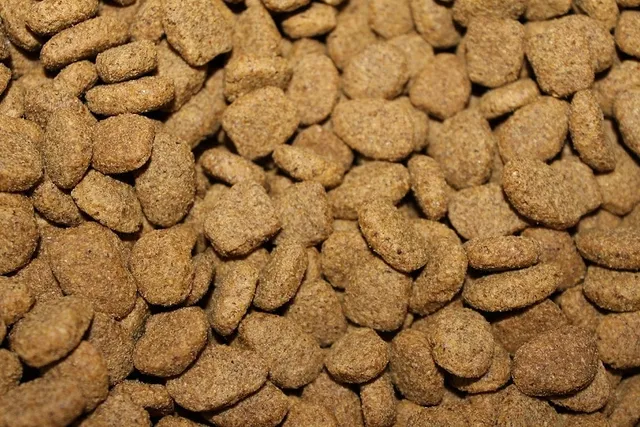
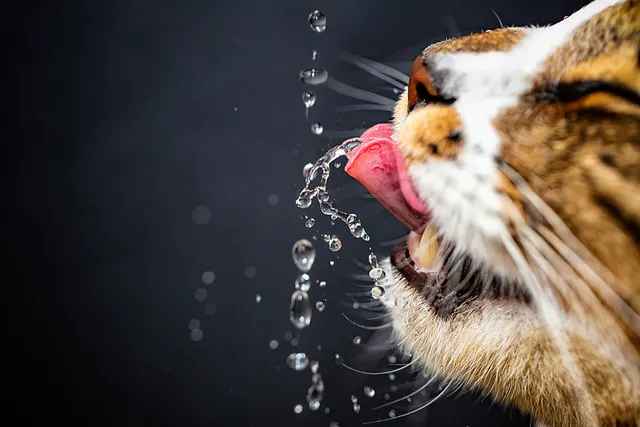
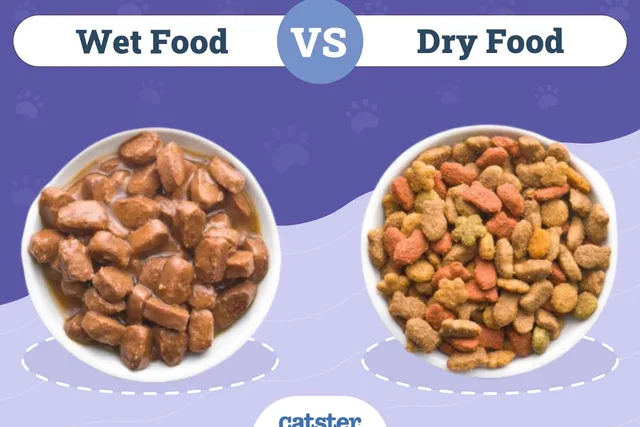
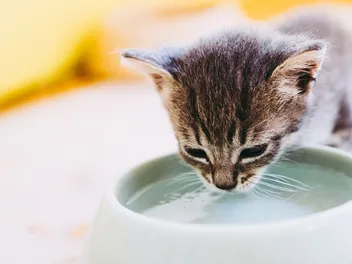
As you’ll see, diet makes the list of risk factors for urinary issues in cats. Here’s why: dry food is, well, dry. It has a low moisture content, usually less than 10%. This means that cats need to drink more water to make up for the lack of it in their diet, something they’re not normally known to do because, in the wild, they derive water from the prey they catch, kill, and eat. Because of this, it's up to cat parents to encourage them to drink more (more on this further down).
That water is needed to dilute the minerals in the urine, as high concentrations of minerals in the urine can also contribute to urinary crystal and urinary stone formation.
Water content aside, certain ingredients and amounts of these ingredients in dry cat food can also contribute to urinary issues. This is done by influencing the pH of the urine, making it either too high or too low, which can in turn potentially contribute to irritation or crystal and urinary stone formation. The amount of minerals in the diet can also be to blame. Some diets, typically those of lower quality, have a high mineral content with the excess minerals being excreted in the urine. This can play a part in the formation of some types of crystals and stones.

Now, a dry diet alone isn’t often enough to cause urinary problems in cats, but when coupled with other predisposing factors, such as a cat with a hefty weight or one that’s stressed out, may lead to increased problems in the urinary department.
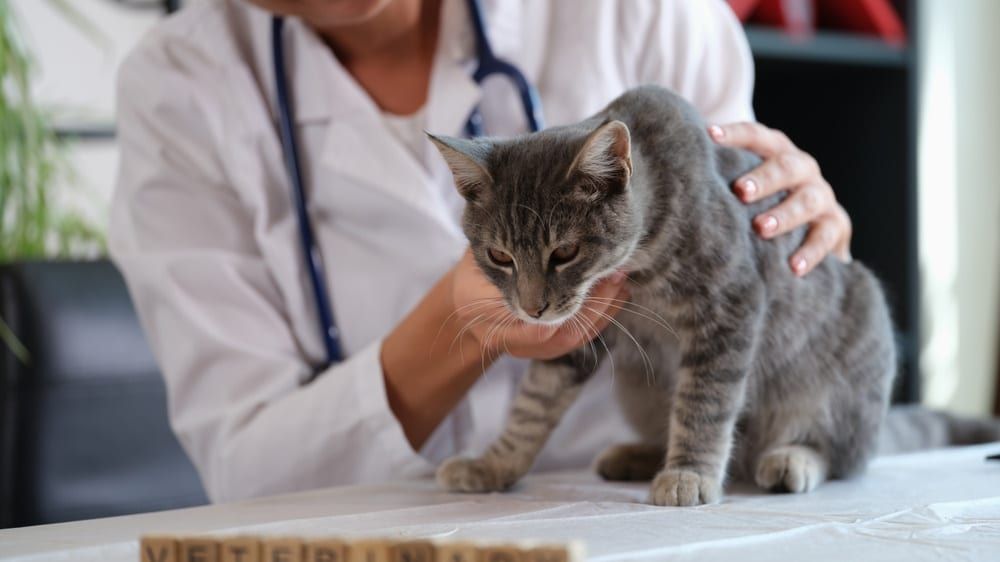
You can help by ensuring your cat is fed a high-quality diet with the proper amounts of minerals, protein, and other healthy ingredients to keep the urine pH and concentration as appropriate levels. Encourage them to drink plenty of water and try to decrease their stress levels. Speak to a vet if you have any questions about which diet is best for your kitty and how to keep them as stress-free as possible.
Male Cat Urinary Blockage: Diet Link?

Urinary blockages are more common in male cats because their urethras are narrower than those of females. However, females are more at risk of urinary tract infections.
The dry diet itself doesn't cause urinary blockages in cats, but eating dry food, along with other contributing factors, can lead to the formation of urinary stones and crystals as we talked about already.
If bladder stones exit the bladder and get stuck in the urethra, this can result in a urinary blockage. Urethral plugs, which are made up of crystals and mucous, are another cause of urinary blockages along with cancer, urethral narrowing, and inflammation. Urinary blockages are very serious and need immediate veterinary attention.
Signs to look out for include:
Feline Urinary Diet Information
Some cat foods—both wet and dry—are specially formulated for cats with urinary or kidney conditions. Generally, these are designed to encourage the right pH levels in urine and better dilution, and this contributes to a reduced risk of bladder issues. The protein and mineral levels are adapted to better suit cats with urinary health problems.
We recommend asking a vet whether they think this kind of diet would be beneficial for your cat. Wet food may help increase your cat's water intake, but a dry urinary support diet and extra encouragement to drink water may be recommended by a vet as an alternative if your cat is finicky about their food.

How to Get My Cat to Drink More Water?
Whether they have urinary problems or not, cats need to get enough water to stay healthy. Here are some tips for increasing your cat's water intake if they don't drink much:
Water Fountains
Cats may drink more water from a fountain because it’s cleaner. The movement of the water may also be intriguing, which may pique their curiosity and get them to drink more.
Flavored Water
You can try making your cat's water tastier by dripping in a little tuna juice or chicken broth without sodium. Just remember to do this in moderation—it's never a good idea to go overboard with these additions.
Wet Food
As we mentioned further up, wet food's higher moisture content gives cats extra hydration. If you feed an all-dry diet, you might want to consider making things more balanced and interesting by going for a combined feeding approach.
Add Water to Dry Food
If your cat just won't touch wet food, an alternative is to add a little water to their dry food portions to get their hydration levels up.

Final Thoughts
To recap, some types of dry cat food may come with an extra risk attached for cats susceptible to urinary conditions. This may be due to the moisture content as well as the amounts of some ingredients, such as minerals. However, that risk may be linked to stress, obesity, and other factors as well. If you're concerned about your cat's urinary health in any way, please get in touch with a vet.
Sources
https://vcahospitals.com/know-your-pet/urinary-tract-infections-utis-in-cats
https://vcahospitals.com/know-your-pet/bladder-stones-in-cats
https://www.petmd.com/cat/conditions/urinary/urinary-tract-blockage-cats
https://austinvets.com/steps-maintaining-cats-urinary-health/
https://austinvets.com/steps-maintaining-cats-urinary-health/
Tilley, L. & Smith, F. Blackwell’s Five-Minute Veterinary Consult: Canine and Feline. Ames, Iowa: Blackwell Publishing.
Featured Image Credit: Crepessuzette, Pixabay
Expert cat care, straight to your inbox
News, insights, and useful advice, delivered to you.

No spam — unsubscribe anytime.
By signing up, you agree to our Terms & Conditions and Privacy & Cookies Policy.
How useful was this post?
Click a star to rate. You can leave written feedback afterwards. (We read all feedback.)
Kit Copson is a freelance writer and lifelong animal lover with a strong interest in animal welfare. She has parented various furry beings over the years and is currently a proud cat mom of two—one very chilled (unless hungry) Siamese and a skittish but adorable Domestic Shorthair—and dog mom of one—an adopted Bichon Poodle cross. When not writing about or spending time with animals, Kit can be found doodling in her sketchpad, reading, or more often than not, drinking tea.