Get

In Your Inbox

Catster is reader-supported. When you buy via links on our site, we may earn an affiliate commission at no cost to you. Learn more.

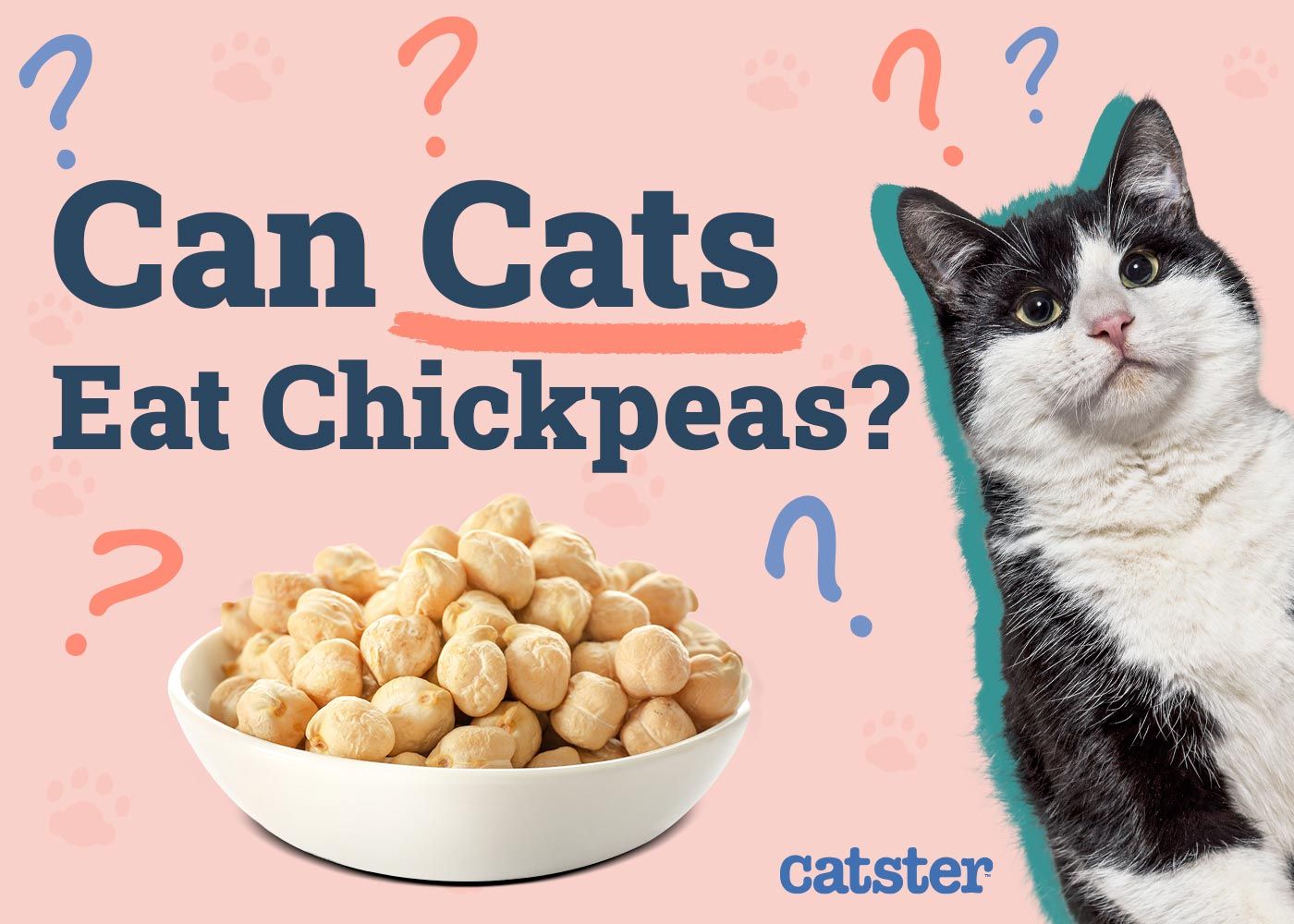
Can Cats Eat Chickpeas? Vet-Verified Nutrition Facts & Alternatives

Share

Can Cats Eat Chickpeas

The chickpea, or garbanzo bean, is a legume that originates from the Middle East and has gained the nickname of the Egyptian pea. They are considered high in protein, and they are sometimes added to commercial cat foods to increase protein levels without having to include expensive ingredients like meat.

So, while cats can eat chickpeas they are considered very difficult to digest and should be avoided. If you feed garbanzo beans to your cat, ensure that they are properly prepared and soft. However, it’s better to find alternatives for chickpeas, especially since they don’t provide the same beneficial nutrients as commercial treats.

divider 1 paws

Are Chickpeas Good for Cats?

raw-chickpeas-on-wooden-cutting-board
Image Credit: Abimanyuabii, Shutterstock

In particular, your cat’s protein intake, which should be high, will come from meat sources. Vegetable protein is considered incomplete and inadequate for cats. So, while chickpeas are high in protein, they do not contain all the amino acids a cat requires to survive.

Although chickpeas contain potassium, magnesium, and folate, the levels are not high enough to justify feeding chickpeas to your cat. Look for alternatives that are healthier. The big problem with the garbanzo bean is that it is very difficult to digest. Undigested food can cause gastrointestinal issues; your cat could suffer gut pain, excessive gas, constipation, diarrhea, or vomiting.

divider cat paws 2 oct 2024

Alternatives to Chickpeas

There isn’t a reason to add chickpeas to a cat’s diet in the first place. They do not contain ingredients that cannot be gained from another, more digestible source.

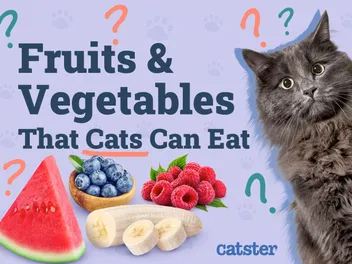
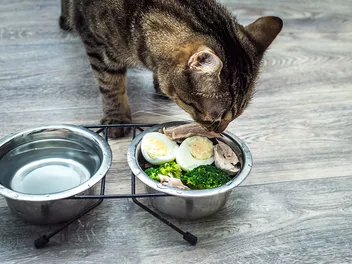
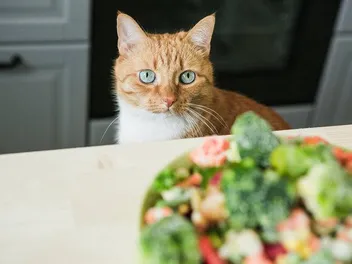
If you want to give your cat a small amount of fruit and vegetables, consider the following alternatives:
  • Carrots – Besides containing vitamin K, B6, potassium, and fiber, carrots are a great source of lutein and zeaxanthin. These antioxidants help maintain healthy eyes and vision.
  • Blueberries – They’re safe for cats to eat, and blueberries contain decent levels of fiber and a lot of moisture. It can be difficult to get cats to drink water, but it is vital if you feed your cat dry food because they do not get much moisture from kibble. Blueberries are also an excellent source of natural antioxidants.
  • Squash – In its various forms, squash is good for cats. It needs to be peeled and boiled, but perhaps the most significant benefit is that it contains a lot of dietary fiber. Dietary fiber can help reduce hairballs, prevent GI upset, and help your cat feel full.
  • Peas – Peas are often found in dry cat food, where they are most often used as a grain replacement to help maintain the shape and structure of the kibble. They are also high in fiber and low in calories, and they contain a good range of vitamins and minerals that make them suitable ingredients for your home-prepared food as well as for commercial pet food. However, beware that peas can also be used to increase the total protein content in cat food without providing them with all the amino acids they need.
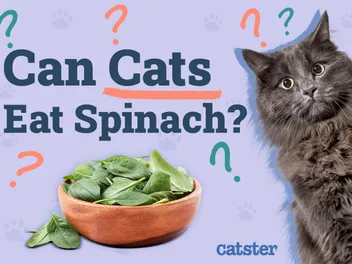
  • Spinach – Spinach should not be given to cats with urinary or kidney complaints, but it is a good source of vitamins for other cats. In particular, it contains vitamins A, K, B6, B3, B2, and C. It also has minerals like potassium, calcium, and magnesium and has decent levels of fiber while being low in calories.

divider single cat paw oct 2024

Cat Diet

Cats are obligate carnivores. They must get their nutritional and protein requirements from meat sources. For wild cats, this includes rodents and some small mammals like young rabbits in the wild. They chase and eat birds, and some, albeit very few, eat fish and water-based prey.

Although wild cats consume some grains, vegetables, and fruits from the gastrointestinal content of the prey they eat, they would not specifically search for them as food. Therefore, when giving your cat a species-appropriate diet, you should largely avoid feeding them vegetables, fruit, and grains frequently.

If you’re curious about what’s safe for cats to eat or have general questions about your feline’s nutrition or diet, it is recommended you speak to a vet.

Need veterinary advice but can't get to the clinic? Catster recommends PangoVet, our online veterinary service. Talk to a vet online and get the answers and advice you need for your cat without having to leave your living room — all at an affordable price!

PangoVet_Mention-in-Content for PangoVet2 save money

divider cat paws 2 oct 2024

Should You Feed Chickpeas to Your Cat?

Chickpeas or garbanzo beans are considered very good for humans. They are fibrous, low in calories, and contain minerals like potassium. However, cats shouldn’t eat chickpeas as they are tough for cats to digest and are not suitable for a feline diet.

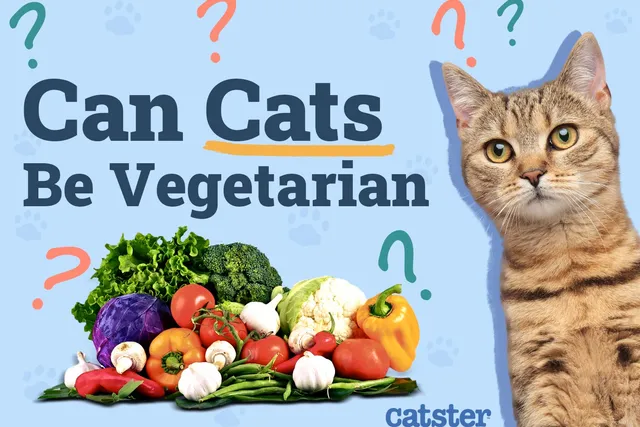
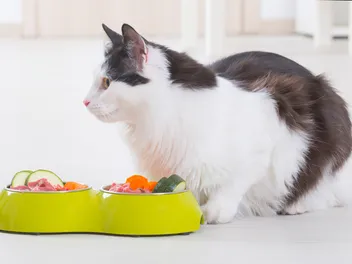
Cats need to get most of their protein and nutrients from meat sources, but if you want to give your cat healthy treats occasionally, vegetables like carrots and fruits like blueberries offer some nutritional benefit, hence why they are sometimes found in dry kibble and other cat food recipes.

Want content like this delivered to you?

Sign Up For Our Newsletter

News, insights, expert advice, and everything cat

* By submitting, you agree to our Terms & Conditions and Privacy & Cookies Policy.


How useful was this post?

Click on a star to rate (you can leave written feedback after clicking submit)

Help us improve Catster for pet parents!

Your feedback really matters.

What did you like about this post? Also how can we improve it?

Join the conversation

4 Responses

  1. I don't know why, but my cat really wants chickpeas. He always begs for them when I open a can – and it's not the fact that they are in a can. He only eats dry food. So once in a while, I will give him 2-4 rinsed chickpeas on a plate, skins removed and the beans smushed a little. He loves 'em!

    1. Thanks for sharing your experience, Rachel. And your furbaby thanks you for sharing your chickpeas!

  2. Thanks for this. I was in the local pet supply store, looking for some quality kitten food to feed my senior cat who has gotten very skinny. I was disgusted by the amount of fillers that even the expensive brands contain, including chickpeas.
    Afterwards, I compared the fat and protein content of kitten food to adult cat food, and it's pretty much the same. So I realized that there is no actual benefit to feeding him kitten food anyway.
    I might investigate human baby food, the meat in the jars.

    1. Hi Laura, actually by standards kitten food should be higher in protein and fat than adult cat food. But you are right, it can be very challenging to find the right kind of food. With seniors losing weight, it is best to first rule out any medical condition they might be suffering from. Once that is out of the table you might want to consider switching to fresh food: https://www.catster.com/nutrition/best-fresh-cat-food-delivery-services/
      Or if you are willing to cook for him, then your best bet is to get a costume-made recipe for him at www.pangovet.com. Best wishes.

Leave a Reply

You’re very welcome to leave a comment or question. Please know that all comments must meet our community guidelines, and your email address will NOT be published. Let’s have a positive and constructive conversation.


Catster's Digital Magazine is Back!

Vet-approved health & behavior advice

Real cat stories & community features

Chatting With Sally About Mission Meow & Helping Cat Rescue Organizations Collaborate | Chatty Cattys, Episode 24

In this episode of Catster’s podcast, Chatty Cattys, Nicole and Dr. Karyn sit down with Sally Williams, the founder of Mission Meow, for...

Vets Urge Owners: Don’t Ignore Sweet Smell Coming From Cats

Cats are not particularly known for having a pleasant aroma. The occasional whiff of fishy cat breath and that unmistakable post-litter-box scent simply...

“A Cat Spay Costs How Much???”

America has a kitten problem. Every day, thousands of cats and kittens are abandoned, surrendered, or discarded. Those who are lucky enough to...

Ask Dr. Paola – Help! My Cat Is Seeking My Attention! (June 15, 2026)

Welcome to our “Ask Dr. Paola” series, where every Monday we bring expert advice straight from Dr. Paola Cuevas (MVZ) to help our...

More related

Distemper Vaccine for Cats: Our Vet’s Guide

Feline distemper, more commonly known as feline enteritis or panleukopenia, is a highly contagious disease caused by a member of the parvovirus family...

Is Neem Oil Poisonous to Cats? What You Need to Know! Vet-Verified Facts

Neem oil is the current trending natural remedy of the month, being touted for everything from insect repellent to treatment for ringworm. Anecdotes...

Does Lyft Allow Cats? Pet Policy & Travel Tips

There are times in life when you might need to travel with your cat. Whether you are flying on vacation or trying to...

Adopting a Senior Cat? 10 Vet-Approved Things to Consider

Adopting a cat is a huge decision in a person’s life. When you visit a local animal shelter or rescue, you’ll find dozens...

Keep reading

Why Does My Cat Chew on My Fingers? 8 Vet-Verified Reasons

Cats do weird things sometimes, and if your cat has ever tried to chew on your fingers, you might be wondering what on earth has gotten into them. Some cats might choose to chew plastic; for others, their owners’ fingers...

Gray Cat bitting hand

Can Cats Eat Dog Treats? Vet-Approved Nutrition Facts & FAQ

If your cat accidentally got into your dog’s treats, it’s normal to be a little alarmed. The good news is that, in most cases, it’s safe for your cat to chomp on a dog treat now and again. They’re not...

Can Cats Eat Dog Treats

How to Travel With a Cat: 14 Vet Approved Tips & Tricks

Traveling with a cat can be rewarding, but it requires thorough planning. Whether you’re getting ready to drive a short distance and hang out with family or fly somewhere for a relaxing vacation, there are a few factors to consider...

A bengal cat inside a carrier beside some suitcases

Manx Cat Health Problems: 8 Vet-Reviewed Issues

It’s an easy task to fall in love with the Manx cat—their bouncy personalities, communication skills, easygoing temperament, and enjoyment of pets and children make them wonderful additions to most homes. Let’s not forget that tail—or lack of tail—that makes...

Catster_Health Problems of Manx

Can a Cat Sense Pain in Humans? Vet-Reviewed Science & Info

Research 1 shows that cats can form secure and strong bonds with humans. So, naturally, one might ponder if there are several different ways they may be able to sense pain in humans. Cats have extraordinary senses that they’ve developed...

boy-falls-asleep-and-hugs-his-cat-who-sleeps-with-him-under-the-covers

Diatomite vs Silica Cat Litter: Vet-Reviewed Differences Explained

Every cat owner knows how important cat litter is to the proper running of the household. Without it, the house would become one giant cat bathroom, and no person would want to step foot in it! But sometimes, a house...

Diatomite cat litter vs Silica cat litter

Can Cats Eat Lemon? Vet-Verified Facts & FAQ

If your cat gets into the fruit bowl, you may wonder what you should do. Can cats have lemons, or are they unhealthy for your furry friends? Unfortunately, lemons are considered toxic to cats. You’ll want to keep them out...

Can Cats Eat Lemon

How Many Muscles Does a Cat Have? Science & FAQ

If you know anything about cats, you know how athletic and graceful they can be. Their muscles help them with agility and give them extraordinary flexibility. So, you might wonder how many muscles a cat has to aid in their...

Cat muscle computer rendering

Love Cats? So Do We! Join the Catster Community

Stay informed with expert pet care insights delivered straight to your inbox! Discover professional guidance on animal behavior, feeding tips, trusted product picks, and much more.


Sign up for the Catster Email Newsletter

Stay informed with expert pet care insights delivered straight to your inbox! Discover professional guidance on animal behavior, feeding tips, trusted product picks, and much more.