Catster is reader-supported. When you buy via links on our site, we may earn an affiliate commission at no cost to you. Learn more.

Nutrition

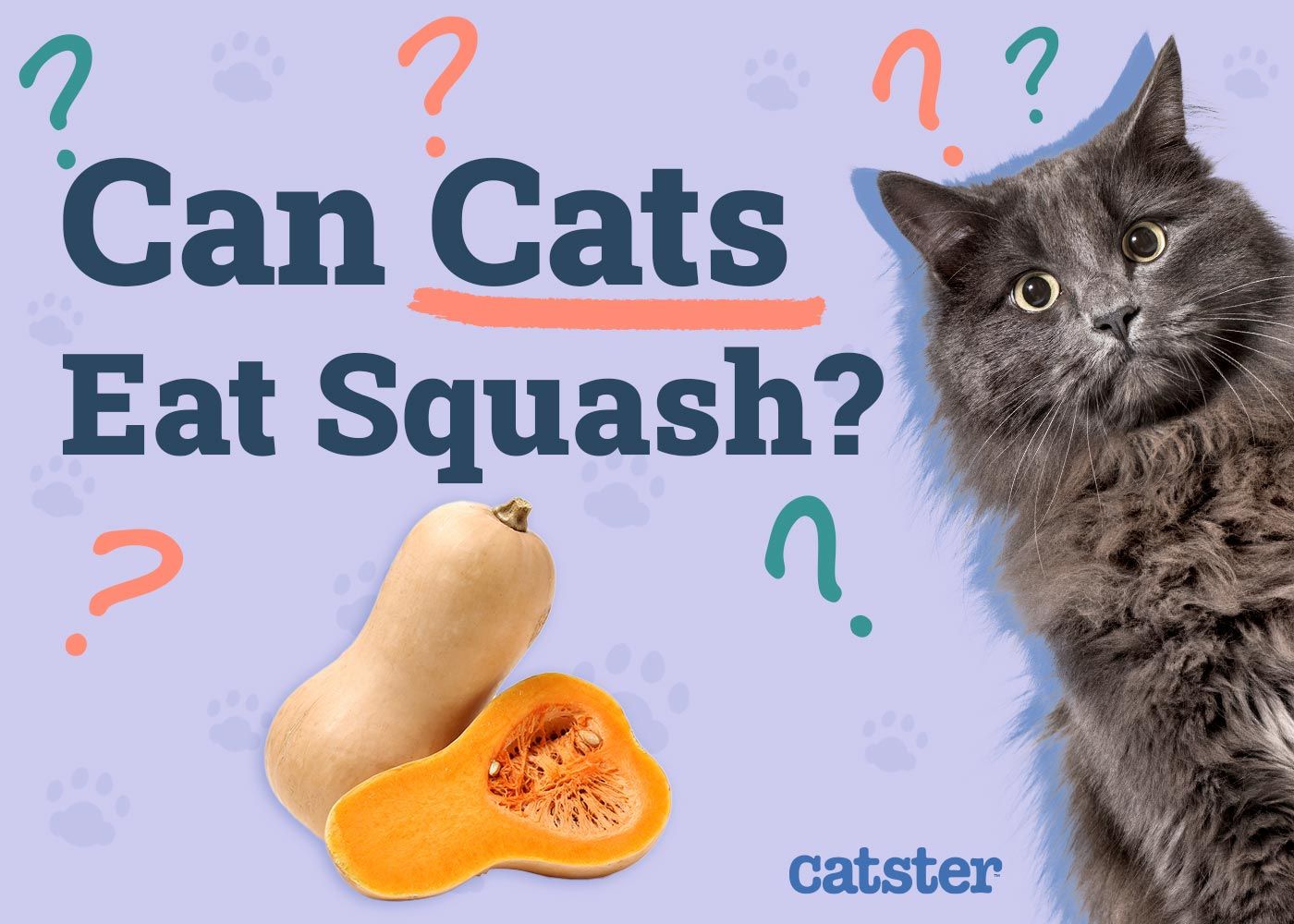
Can Cats Eat Squash? Vet-Verified Nutrition Facts & FAQ

By Christian Adams · Reviewed & fact-checked by Dr. Paola CuevasVet Approved
Dr. Paola Cuevas
Reviewed & Fact-Checked byDr. Paola CuevasMVZ (Veterinarian)
Dr. Paola Cuevas is the Senior In-House Veterinarian at Pangolia, the parent company of Catster. She has over 18 years of experience as a veterinarian and animal behaviorist. Paola's focus is on preventive medicine and animal welfare. Paola has a large range of skills in from diagnostic imaging to nutrition and clinical pathology. Paola enjoys sharing her extensive knowledge of animal training with our Catster readers and is always happy to answer reader questions as our in-house veterinarian.View authorThe information is current and up-to-date in accordance with the latest veterinarian research. Read about our vets
Share
Can Cats Eat Squash

In this article

Squash is a large fleshy fruit, although it's often mistaken for a vegetable and is usually considered so in recipes and cooking instructions. The most common forms of squash are the zucchini and the pumpkin. We humans typically enjoy the food scooped out of its skin. The seeds can be eaten, or they may be removed, and the high water content of squashes like the zucchini do best with dry heat cooking techniques like stir fry or griddling the ingredients.

Generally speaking, all forms of squash are considered safe for cats to eat. In fact, while the cat is an obligate carnivore, this is one type of fruit that can be fed quite safely, and that might give benefit to your feline friend. There should certainly be no reason to be concerned if your cat steals some pumpkin from your plate, and if they are looking longingly at your griddled zucchini, you can try sharing if you like.

It is always worth remembering that the cooking method and additional ingredients used will ultimately determine how safe a particular ingredient is for your cat. While squash might be good for your cat, pumpkin pie, with its added sugars and other ingredients, is not.

divider cat faces oct 2024

Cat Diet

Cats are obligate carnivores. In the wild, they would get all of their nutrients from animal and meat protein. The only vegetables, fruit, grain, and other ingredients they would consume would come from the stomach of their prey.

Most commonly, wild cats consume rodents and may take down some small animals like rabbits and birds. Rarely would they eat fish, although there are some exceptions to this rule, and they would never eat squash in the wild.

However, the modern cat is domesticated and not wild. They have unique dietary requirements, and the addition of some additional ingredients to their food can help ensure that they receive all the vitamins and minerals that are considered an important part of their diet. Ingredients like grains or substitutes like peas are used to bind dry food together, while vitamin-rich foods like blueberries are also found in the list of cat food ingredients.

tabby kitten eating kibble from the feeding bowl
Image Credit: Rimma Bondarenko, Shutterstock
divider cat paw scratch oct 2024

Is Squash Good for Cats?

Squash is another ingredient that cats would not eat in the wild, but it is considered a healthy addition to your cat’s diet. Summer squash is low in calories, so it won’t cause your cat to pile on the pounds. Despite this, it is high in vitamins. It is also loaded with dietary fiber, which is vital to your cat’s digestive and gut health and could be the biggest benefit of this ingredient.

Benefits

  • If your cat is already suffering some form of gastrointestinal distress, such as vomiting or diarrhea, feeding some boiled squash will give him the fiber and replace some of the lost vitamins and minerals he needs.
  • High fiber and low calories mean that squash will make your cat feel full but will not cause him to gain weight. As such, it is a great food for cats that have been put on a calorie-controlled diet.
  • Another benefit of fiber is that it flushes hairballs out of your cat’s system, so if your moggy is particularly prone to these hairballs, try feeding some pumpkin.

If you're curious about what's safe for cats to eat or have general questions about your feline's nutrition or diet, it is recommended you speak to a vet.

divider cat paws oct 2024

How Do I Prepare Squash for My Cat?

Cats can have squash, but they shouldn’t eat it raw. Raw squash is hard and very difficult to digest. It could cause an obstruction and prevent your feline from properly swallowing. For similar reasons, you should also ensure that the squash is thoroughly peeled before preparing and feeding.

Preparation Tips

  • A pumpkin puree is easy to prepare. Peel the fruit, wash it, and remove the seeds. Boil until the squash is soft right through, and then mash with a fork until it is of the right consistency for your cat.
  • Boil some chicken and squash, mash them together using a blender, and add some fish oil if you want to give it an even more appealing taste for your cat.
  • For a healthy mashed meal, combine squash with salmon. Steam the salmon, boil the squash, and combine them in a processor. This won’t need the added fish oil but has the additional benefit of being high in omega fatty acids.
squash pureed with blender in a bowl
Image Credit: Mike_O, Shutterstock
divider single cat paw oct 2024

What Vegetables Can I Feed My Cat?

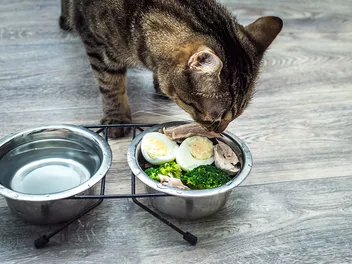
Although cats are carnivores, some fruits and vegetables are considered safe and palatable for their consumption. As well as squash, in its various forms, you can feed:

  • Blueberries
  • Carrots
  • Steamed broccoli
  • Steamed green beans
  • Spinach
Our recommendation
Hepper NomNom - Spill Proof Elevated Cat Bowl
  • NO MESS - The 360° tray on this cat food and water bowl set has a raised design to catch and contain stray crumbs and drips. Protect your indoors and floors from wet and messy meals!
  • WHISKER FRIENDLY - Shallow and wide metal containers with flat bottoms ensure your kitty can enjoy mealtime free from whisker fatigue!
  • CHEW-SAFE MATERIALS - Kittens and cats love chewing on silicone and soft rubber - but it's a choking hazard. Our cat feeding station materials are anti-chew for a 100% safe feeding frenzy!

Learning about what your cat can and cannot eat is a crucial part of keeping them happy and healthy! Choosing a bowl to serve cat-friendly foods in is another important decision pet owners face. Satisfy the specific needs of your cat with the innovative design of the Hepper NomNom Cat Bowl. Learn why it’s our (and our cats!) favorite food and water dish here.

At Catster, we’ve admired Hepper for many years and decided to take a controlling ownership interest so that we could benefit from the outstanding designs of this cool cat company!

divider cat faces oct 2024

Should You Feed Squash to Your Cat?

Your cat needs meat to ensure that they receive all the required essential amino acids. While they should not be fed a vegetarian diet, they can benefit from having a bit of fruit and vegetables added to their diet. One such addition is squash, in its many forms and varieties.

Ensure it is peeled and properly cooked because the skin and the raw flesh are too difficult to digest. Consider combining it with additional ingredients like chicken or salmon to make it more palatable, and avoid giving processed squash or dishes containing squash unless you have checked all the other ingredients.

See Also: 


Featured Image Credit: guvo59, Pixabay

The Catster Newsletter

Expert cat care, straight to your inbox

News, insights, and useful advice, delivered to you.

No spam — unsubscribe anytime.

By signing up, you agree to our Terms & Conditions and Privacy & Cookies Policy.

Click a star to rate. You can leave written feedback afterwards. (We read all feedback.)

Christian Adams
Authored by

Christian Adams

Leave a Reply

You're very welcome to leave a comment or question. Please know that all comments must meet our community guidelines, and your email address will NOT be published. Let's have a positive and constructive conversation.

Can Cats Eat Zucchini? Vet Explained Nutrition & FAQ

Can Cats Eat Zucchini? Vet Explained Nutrition & FAQ

If your cat has started developing an interest in what you cook, you may be wondering if the crispy and crunchy zucchini would be a suitable addition to the ca…

Dr. Paola Cuevas
By Dr. Paola Cuevas ·
3 Homemade Pumpkin Cat Treat Recipes To Enjoy This Fall

3 Homemade Pumpkin Cat Treat Recipes To Enjoy This Fall

Cats are obligate carnivores, meaning they need a meat-based diet. That said, there's nothing wrong with treating your furry friend to a few little treats now…

Kit Copson
By Kit Copson ·
16 Fruits & Vegetables That Cats Can Eat: Vet-Reviewed Facts & Tips

16 Fruits & Vegetables That Cats Can Eat: Vet-Reviewed Facts & Tips

Cats are obligate carnivores by nature, so as long as their diets are well-balanced, like they would be in the wild, they don’t require any fruits or vegetable…

Rachael Gerkensmeyer
By Rachael Gerkensmeyer ·
Can Cats Eat Pumpkin? Vet-Reviewed Facts & FAQ

Can Cats Eat Pumpkin? Vet-Reviewed Facts & FAQ

Yes, cats can eat pumpkin. It isn’t suitable as their whole diet or even most of their diet. However, it can be a nice treat or be used in specific circumstanc…

Christian Adams
By Christian Adams ·

Can Cats Eat Sweet Potato? Vet-Verified Facts & Feline Nutrition Tips

Sweet potatoes seem to be gaining traction in the pet food world. You may have seen dog foods advertised with sweet potato as a main ingredient. That's great f…

Christian Adams
By Christian Adams ·
Can Cats Eat Sweet Potato? Vet-Verified Facts & Feline Nutrition Tips

Can Cats Eat Persimmons? Vet-Approved Advice & Benefits

Have you ever considered feeding your cat some exotic fruit? Perhaps you have some persimmons in your fridge and want to give your cat a taste. Filled with nut…

Christian Adams
By Christian Adams ·
Can Cats Eat Persimmons? Vet-Approved Advice & Benefits

Can Cats Eat Pumpkin Puree? Vet Approved Facts & Nutrition Guide

When people think of pumpkins, they usually think of falling leaves, bonfires, chilly temperatures, and seasonal treats. However, did you know that some cats l…

Patricia Dickson
By Patricia Dickson ·
Can Cats Eat Pumpkin Puree? Vet Approved Facts & Nutrition Guide

Can Cats Eat Raspberries? Vet Reviewed Nutritional Facts & Safety Guide

If your cat needs to shed a few pounds, part of their diet plan might include cutting back on treats or looking for lower-calorie alternatives to commercial ki…

Elizabeth Gray
By Elizabeth Gray ·
Can Cats Eat Raspberries? Vet Reviewed Nutritional Facts & Safety Guide

Can Cats Eat Cabbage? Vet-Reviewed Health and Nutrition Advice

With all of the health benefits that cabbage is said to have, you may wonder if it is safe to give some to your cats. Cats are obligate carnivores and thrive o…

Christian Adams
By Christian Adams ·
Can Cats Eat Cabbage? Vet-Reviewed Health and Nutrition Advice

Can Cats Eat Cucumber? Vet-Reviewed Nutrition and Safety

Some of our cats love to keep a close eye on our kitchen activities; after all, who knows when you might drop a tasty morsel on the floor for them to investiga…

Christian Adams
By Christian Adams ·
Can Cats Eat Cucumber? Vet-Reviewed Nutrition and Safety

What Can Cats Eat Besides Cat Food? Vet-Verified Nutrition Guide

When it comes to being a responsible cat parent, there is no worse feeling than getting home from the grocery store and unpacking everything, only to find you…

Christian Adams
By Christian Adams ·
What Can Cats Eat Besides Cat Food? Vet-Verified Nutrition Guide

Can Cats Eat Oatmeal? Vet-Reviewed Facts & Considerations

There are few staple breakfast foods that keep you satisfied and full of energy like oatmeal does. But just because it’s good for us doesn’t mean oatmeal is go…

Jessica Kim
By Jessica Kim ·
Can Cats Eat Oatmeal? Vet-Reviewed Facts & Considerations

Love Cats? So Do We! Join the Catster Community

Stay informed with expert cat care insights delivered straight to your inbox! Discover professional guidance on feline behavior, feeding tips, trusted product picks, and much more.

You may opt-out at any time. View our Privacy Policy for more information.

The Catster site on a phone