Can Cats Eat Bell Pepper? Our Vet Answers & Provides Safety Info

In this article
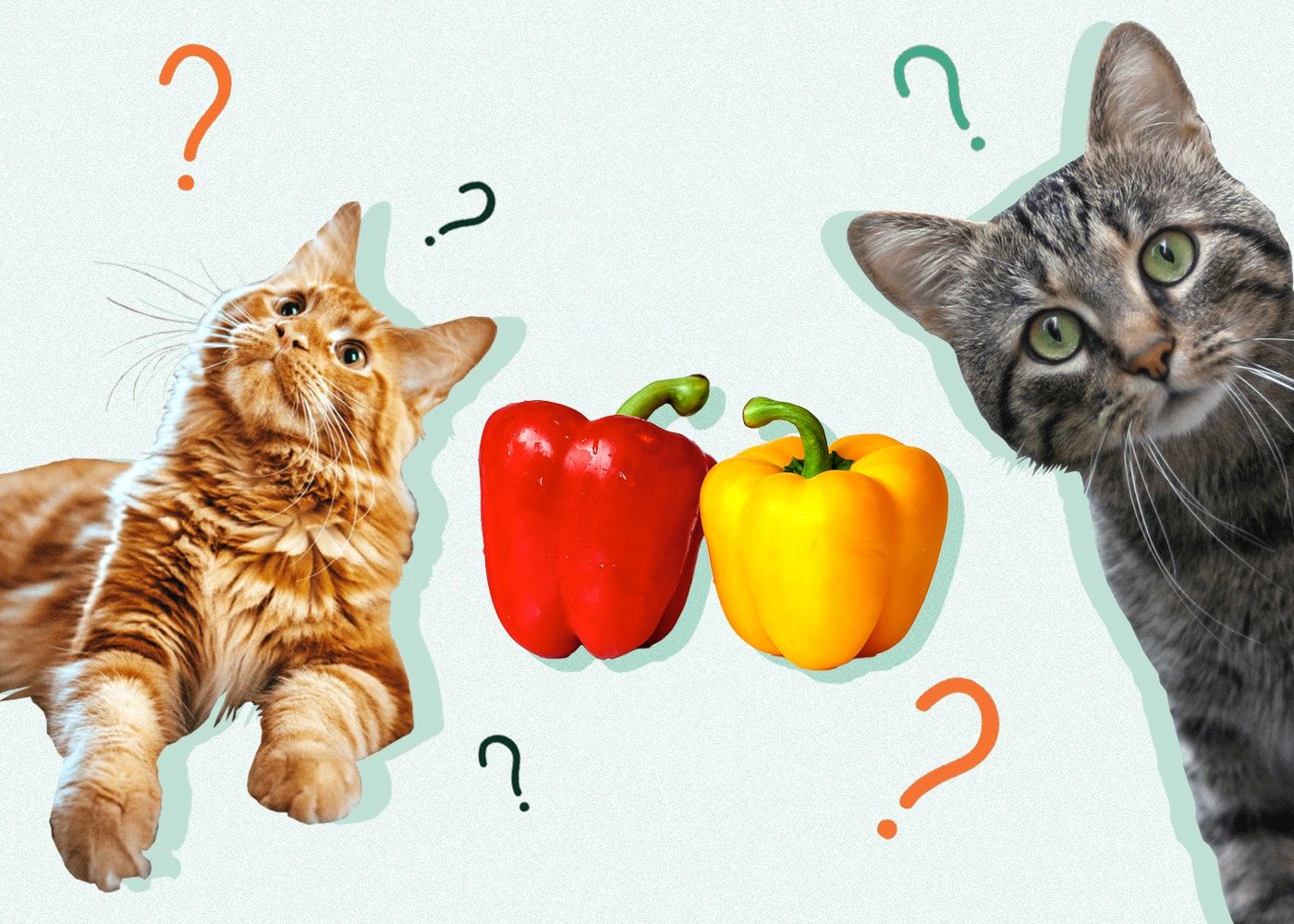
Bell peppers are a colorful staple in most kitchens. If you have a cat, they may be interested in the vegetable. So, during such instances, can cats eat bell peppers? Yes, cats can eat bell peppers in very small portions, as they are not considered toxic for cats. But a different question is: should they?
Cats are unlikely to reap any benefits from bell peppers, but you can breathe a sigh of relief since no toxicity is associated with bell peppers. Let's learn more about bell peppers and cats.

Should Cats Eat Bell Pepper?
Compiling a list of what cats can eat and cannot is one long list you will want to learn more about as a responsible cat parent. Your primary concern right now is can cats have bell peppers or not. This colorful vegetable is so tasty and is not spicy, making it even better.
For human consumption, peppers are a good source of vitamins and minerals. However, the picture is different when it comes to cats. There are many vitamins in the yellow, green, and red bell peppers, such as vitamin C and beta carotene (which converts to vitamin A), but they are not useful for felines as such for a few reasons.
These vitamins in bell peppers are not helpful because cats produce their own vitamin C, and they rarely need to obtain them from secondary sources; only in cases of chronic and severe illness, when a vet will recommend an appropriate supplement. Cats cannot convert beta carotene from plant sources to the vitamin A they require, so vitamin A is added to commercial cat food1.
So as you can see, there are limited benefits of bell peppers for cats, and cats’ balanced complete diet is formulated in accordance with their specific needs, providing them with all the essential nutrients they require for health and thriving.

Do Cats Even Like Bell Peppers?
If your cat is on top quality wet or dry cat food with meat as the main ingredient and with a balanced quantity of essential nutrients, you should not stress about anything. Don't be surprised if you realize your little pet will not even make an effort to eat bell peppers.
Most cats do not find bell peppers appealing. But let's say you have one of those few cats that show interest in bell peppers. Should you be worried when they start chewing these veggies?

Are Bell Peppers Toxic?
No, bell peppers are not toxic to cats, and you can always feed small pieces to your feline. Be careful of the amount and provide them in moderation. Make sure the bell peppers are fresh, plain, and washed. They should not be covered in any seasonings, dressings, or oils if you intend to offer your cat some. It would be best to boil them, as they are quite chewy and firm, so they may present a genuine choking hazard otherwise, especially if a piece is a little too big.
Avoid giving your cat the core with the stem and seeds or other plant parts for the very same reason. They should have a very small amount of bell pepper on occasion if they do show an actual interest in eating it, but be mindful not to overdo it, as stomach upset is a possibility. Cat's digestive tract is short in comparison to herbivores and is developed in a way to digest animal protein-based food.
If your cat starts showing signs of intolerance, like vomiting, excess gas, and diarrhea, discontinue the vegetable. You should also reach out to a vet for consultation and advice once you realize your cat reacts to bell peppers.

Type of Bell Peppers
Can Cats Eat Yellow Bell Peppers?
There are different types of bell peppers, with the red, yellow, and orange bell peppers being the ripe forms of different green peppers. From a nutritional perspective, the macronutrient and fiber content won’t differ much. According to the USDA, yellow and red bell peppers have a fairly similar vitamin C content, while green bell peppers have less.
If your cat likes tasting a yellow bell pepper, feel free to provide them with a little bit, but the consumption should be in strict moderation.
Can Cats Eat Red Bell Peppers?

It’s impossible to tell if cats have a preference when it comes to different bell peppers. We would guess not. Red bell peppers may be sweeter and a lot more flavorful than their yellow siblings, but cats lack a sweet taste receptor, so they won’t be able to tell the difference. Also, the red bell peppers are richer in vitamin C and beta carotene than the yellow ones.
Once again, give it moderately.
Can Cats Eat Green Bell Peppers?
This is the least ripe of the three bell peppers, and it is the one with the smallest amount of vitamins compared to the yellow and red bell peppers. But we already said cats do not need any secondary vitamins, so this should not be a thing to prevent you from offering green peppers to your cat.
You should be worrying about the amount your cat consumes.
Are There Any Health Benefits of Bell Peppers for Cats?
As we already discussed, any health benefits of bell peppers for cats are quite limited and cannot really be accounted for, due to cats’ specific nutritional needs and digestive characteristics. There is no scientific research to provide evidence for offering this vegetable to our cats regularly.
As carnivores, cats will not be able to properly digest vegetables, and excess of bell peppers may lead to a stomach upset. Cats’ diets in the wild consist of animal sources that are rich in protein and fat with little carbohydrate and plant material. They do end up eating some plant material as a source of indigestible fiber from the stomach and intestines of their prey (if eaten whole, such as a small rodent), or by eating certain types of grass, but this is not enough to justify feeding bell peppers too often.

Dangers of Feeding Your Cat Bell Peppers
You might be wondering why this sub-topic is included here, yet we have already said bell peppers are not toxic to cats. However, a lot can go wrong after your cat feeds on bell peppers.
It all starts with the amount the cat has been fed with. Unless your kitty loves the vegetable, there are very meager chances of them consuming a whole bell pepper. But, if they somehow gobble down the entire pepper or try to, stop them and give a vet a call. This is because such an amount is likely to cause quite a bad case of stomach upset.
As already mentioned, a cat’s digestive system is not used to processing vegetables and not in such massive quantities. Therefore, the kitty may develop gastrointestinal problems like abdominal pain, lack of appetite, nausea, vomiting, and diarrhea. Get your cat checked out by the vet, especially if these signs do not resolve within a day or if your cat is vomiting, having ongoing diarrhea, or refusing food. Afterward, carefully monitor your cat for the next few days.
Bell peppers are quite firm and may cause choking in some cats. Boil them and remove the core with the stem and seeds before offering a very small softer piece to your cat. Even if they are now yummy and soft, these vegetables are not tender. This brings up another question, can cats eat bell pepper plants?
Bell pepper plants may not be toxic for cats, but they are still hard to digest. Therefore, you should not allow your cat to eat them.

- NO MESS - The 360° tray on this cat food and water bowl set has a raised design to catch and contain stray crumbs and drips. Protect your indoors and floors from wet and messy meals!
- WHISKER FRIENDLY - Shallow and wide metal containers with flat bottoms ensure your kitty can enjoy mealtime free from whisker fatigue!
- CHEW-SAFE MATERIALS - Kittens and cats love chewing on silicone and soft rubber - but it's a choking hazard. Our cat feeding station materials are anti-chew for a 100% safe feeding frenzy!
Learning about what your cat can and cannot eat is a crucial part of keeping them happy and healthy! Choosing a bowl to serve cat-friendly foods in is another important decision pet owners face. Satisfy the specific needs of your cat with the innovative design of the Hepper NomNom Cat Bowl. Learn why it’s our (and our cats!) favorite food and water dish here.
At Catster, we’ve admired Hepper for many years and decided to take a controlling ownership interest so that we could benefit from the outstanding designs of this cool cat company!
Conclusion
Yes, cats can eat a small amount of bell peppers when prepared adequately. These veggies are not toxic, but they also offer limited nutritional benefits to your cat. However, ensure your cat eats plain and boiled bell peppers that are small and soft pieces in moderation, and they should not contain any other ingredients.
See Also:
Sources
Featured image credit: Elena Grishina, Shutterstock
Expert cat care, straight to your inbox
News, insights, and useful advice, delivered to you.

No spam — unsubscribe anytime.
By signing up, you agree to our Terms & Conditions and Privacy & Cookies Policy.
How useful was this post?
Click a star to rate. You can leave written feedback afterwards. (We read all feedback.)
Dr. Maja Platisa DVM MRCVS (Veterinarian)
Maja joined our team in March 2023 as one of our in-house veterinarians. She is passionate about animals and their health and loves to help the readers with any issues or questions they have regarding their four-legged friends and other animal companions. Her passion is small animal medicine and emergency work, while she also has a great interest in animal welfare.
Dr. Platisa has 8 years of professional experience working with numerous animal species in the UK and the Channel Islands, from dogs, cats, rabbits, guinea pigs, to cows, goats, sheep, pigs, and poultry. Maja is enthusiastic about veterinary volunteer work and often helps in neutering projects for stray animals in Greece. She has a wide array of skills in the fields of animal medicine and surgery, endoscopy, microscopy, diagnostic imaging, and other aspects of clinical work.
Maja obtained her veterinary training and degree from the Faculty of Veterinary Medicine, University of Zagreb, Croatia, in 2015.