Can Cats Eat Ginger? Vet-Approved Nutritional Info & FAQ


In this article
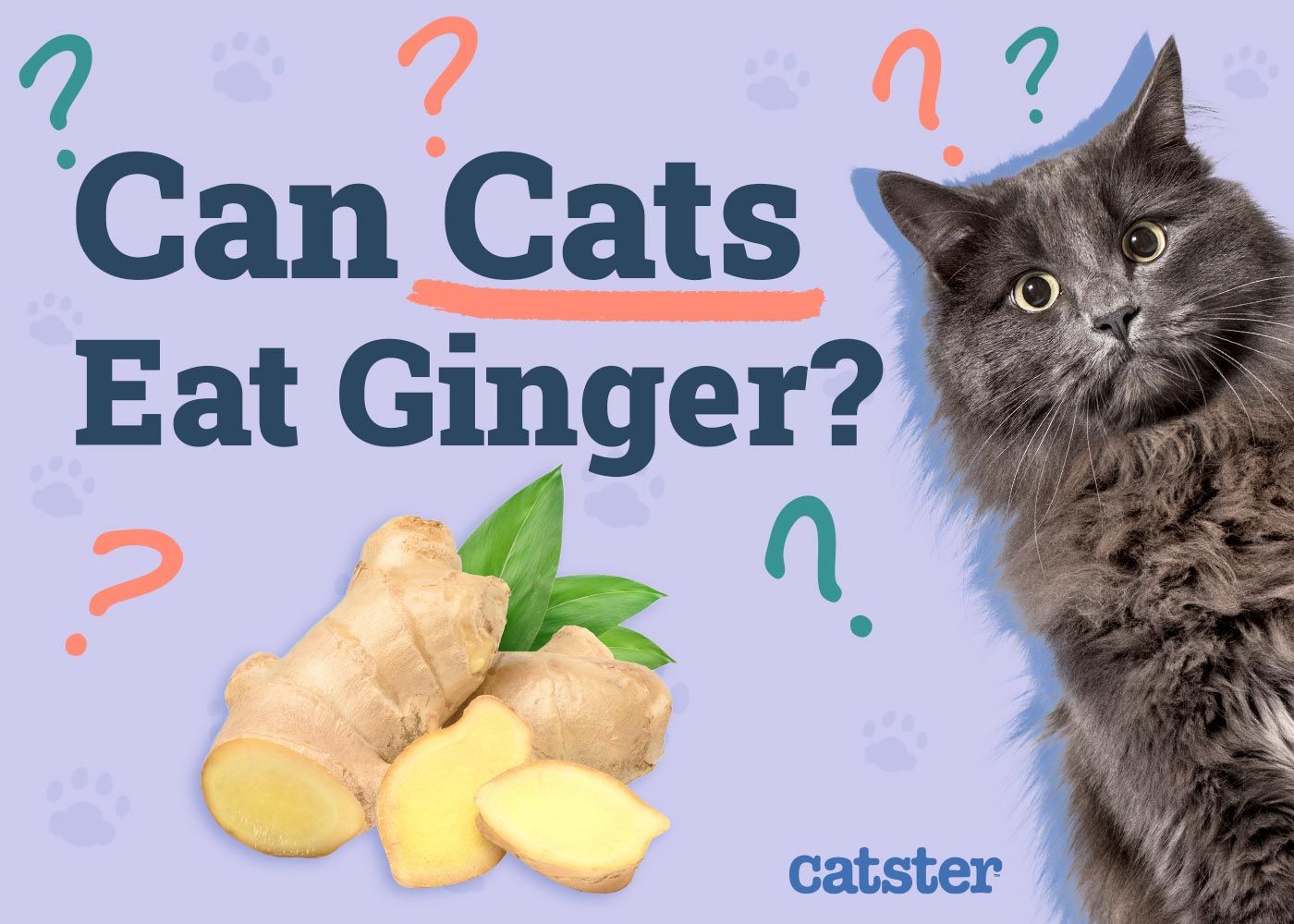
Ginger has many bioactive compounds like phenols which make it beneficial for human consumption. But can cats have ginger? Yes. Besides being safe for cats to eat, ginger may have several potential health benefits. However, you should not provide ginger-flavored products like gingerbread, beer, biscuits, and other products when feeding cats. Let's discuss more about the safety of ginger to cats.
For the purpose of this article, we are referring to Zingiber officinale. Always consult with a vet before offering your cat any new foods or supplements, as they may not be safe or appropriate for all cats based on their age, underlying health, or ongoing medication.
There are no safety studies on the use of ginger in cats, and it should be avoided in case of an allergy, in cats that may suffer from a bleeding disorder or are taking long-term medication, in those that have gallbladder disease, or in animals that are pregnant or nursing.

Can Cats Have Ginger?
Cats can consume ginger, but they should only have a very small amount as directed by a veterinarian. Some of the factors determining the amount of ginger a cat should eat include their general health status, age, weight, and underlying health issues and medication.
Ginger comes in various forms, from the fresh root that is most commonly used and can be boiled and used for tea, or as a supplement in the form of capsules, powder, or liquid. It’s not wise to offer your cat any ginger supplement without speaking to a vet, as it may cause certain side effects. And because such dietary products are sold over the counter and are generally poorly regulated or not regulated at all, their efficacy and ingredient list may be variable, so providing an adequate dose is often challenging.
Even though ginger is not harmful to cats when offered in an appropriate and safe amount, it can cause gastrointestinal irritation, especially on an empty stomach. In such instances, it would be best if you mixed the ginger with water or food.
With the peppery, zesty, and spicy taste, your cat might refuse to eat it or drink it. If this is the case, do not force your cat to eat something they choose not to. Plus, it’s almost impossible to persuade cats to do anything they do not want to.

Can Cats Eat Ginger Roots?
Yes, ginger root is not toxic to cats, but instead, it is safe when offered in moderation and according to veterinary advice. However, you know how tough ginger roots are, and you should not expect your cat to chew it. Therefore, if you want to offer a small amount of ginger roots to your feline, grind a piece of the root into a powder. You can also boil it before offering it to your cat. However, speak to a vet about the appropriate amount and frequency of giving ginger to your kitty. Also, you can prepare ginger tea by smashing ginger roots and using them to prepare tea.

Other Forms of Ginger
Can Cats Eat Ginger Flowers?
Yes and no—it depends. There are different types of ginger flowers, and they may be mistaken for flowers and plants from other plant families, and not all are safe. For example, the white ginger flower, otherwise known as the white ginger lily, garland flower, or cinnamon jasmine, is not considered toxic to cats. However, other types of lilies, like the true lily and daylily, are very toxic to cats.
Ginger leaves are also considered non-toxic, but that doesn’t mean your cat should be nibbling at ginger flowers or leaves, as they may still develop a stomach upset.
Can Cats Eat Gingerbread?
This is a common question, but unfortunately, cats cannot eat gingerbread. Gingerbread is made with different ingredients, some of which might be unsafe or even quite harmful for your cat. Some of these ingredients include raw dough, artificial sweeteners such as xylitol, and spices.
Can Cats Eat Ginger Snaps?
Just like gingerbread, ginger snaps can be equally harmful for your cat. However, their safety depends on which ingredients are used during preparation. It’s best to avoid offering any to your cat, as it’s just not worth the risk.
On a general note, you should avoid ginger foods made with spices like cinnamon, cloves, nutmeg, garlic, onions, etc. Also, ginger foods made with salts and sugars are a no for your cats, as well as those with artificial sweeteners, such as xylitol.
Can Cats Eat Pickled Ginger?
Pickled ginger contains spices and sugars, and as said above, you should avoid such foods.

Can Cats Have Ginger Ale?
Cats should not be offered ginger ale because it is made with a lot of sugars. Also, there are meager chances that your cat will be interested in the pungent smell produced by ginger ale. But are cats even pleased with the scent of the ginger itself?
Ginger already has a pungent smell, and by narrowing it down to ginger ale, the smell becomes even more concentrated since the two scents mix producing an even more unpleasant smell.
Your cat should also avoid nutmeg since it can irritate the stomach in smaller amounts, while in more significant amounts it’s considered toxic and may cause neurological signs. Some ginger ales contain alcohol, which is toxic for pets, so it goes without saying that ginger ale should not be offered to cats.

What Do Cats Get From Ginger?
There are no proven studies on the importance of ginger in cats. However, ginger has been used in pets to help prevent vomiting and nausea. The most known pets to use ginger for these effects are cats and dogs. There are many claimed benefits of ginger, such as its anti-inflammatory, gastroprotectant, and antioxidant effects and use for circulatory and cognitive support, but there is limited validated research at the moment that can confirm many of these potential benefits in pets. Ginger is used in traditional Chinese medicine, and it may have a role in patients with cancer that are taking chemotherapy and those with cognitive decline or osteoarthritis.
Some veterinary supplements have ginger in them, and as we already mentioned, these products are often not well-regulated and may have questionable efficacy, so always ask a veterinarian about the one to use. The vet will also give further instructions in case your cat has any underlying conditions.

Precautions
Ginger may have a blood-thinning effect and should not be used in felines that have a blood clotting disorder or are taking anticoagulants or anti-inflammatories. Likewise, felines with gallstones and those that are pregnant or nursing should not eat ginger, as its safety has not been established for such cases.
If your cat is already taking any other supplements or medicines, it’s important to speak to your vet to ensure they can safely combine them with ginger, as there could be harmful interactions.
If your cat is suffering from any illness or taking a certain medicine, whether long-term or short-term, consult with your vet first before giving it this spice. If you realize your cat is reacting to the ginger by experiencing vomiting, diarrhea, or showing other signs, discontinue the use of ginger and ask for advice from a vet.
Conclusion
With all that we have said, can cats eat ginger? Yes, a little bit. However, there are certain precautions and instances when they should not. Always remember to consult a vet before feeding any form of ginger to your feline. Once the vet gives a greenlight, provide moderate amounts of ginger to your kitty.
Expert cat care, straight to your inbox
News, insights, and useful advice, delivered to you.

No spam — unsubscribe anytime.
By signing up, you agree to our Terms & Conditions and Privacy & Cookies Policy.
How useful was this post?
Click a star to rate. You can leave written feedback afterwards. (We read all feedback.)
Christian started writing for a local newspaper as a teenager, and he's been involved in the publishing industry for most of his adult life. Combining his love of writing with a passion for animals, he is currently the Director of Editorial at Pangolia and the Editor-in-Chief at Catster.
Christian lives in the Philippines with his wife, son, and four rescue cats: Trixie, Chloe, Sparky, and Chopper.