Can Cats Eat Cake? Vet-Reviewed Risks & Facts

In this article
Cats are adorable. We understand why you'd want to share a piece of cake with your kitty. Since cakes are often found in the kitchen, your cat may have had some. So, is cake bad for cats? While a small piece of cake won't kill your cat, don’t make it a habit. Cats should not regularly consume the sugar, flour, baking powder, and other ingredients in a cake.
Cats are carnivores, and the meat-based cat food in their feeding dishes have all the dietary essentials they need. Read on while we break down the components of cats eating cake.

Is Cake Bad for Cats?
Cake does not contain the proteins, vitamins, or minerals cats need to thrive. Although it may contain some protein, it is negligible compared to the excessive fats, sugars, and calories it holds. Cake is essentially junk food with no crucial proteins, minerals, vitamins, and phytochemicals that cats need. The vet will recommend better snacks than cake for your kitty.
Also, most cakes contain cream and milk, both of which are harmful to cats. Furthermore, most adult cats do not tolerate lactose well, and any dairy product might trigger an upset stomach and diarrhea.
Did you know that a cat’s tongue cannot savor sweet tastes? Since they won't perceive the cake's taste as we do, they will probably not appreciate it as we do. Going by a cat’s nutritional profile, cakes have little to offer.

Cake Flavors and Ingredients
Sugar
Sugar isn't generally suitable for cats. Naturally, cats do not like sweet-tasting food. A cat’s natural diet is very low in carbohydrates, and while they may be able to digest some carbohydrates, this is not ideal for them. Moreover, regular consumption of high carbohydrate diets and excessive sugars will likely contribute to obesity, the number one factor associated with diabetes in felines. Therefore, it will be best to limit your cat's consumption of sugary human food even if they show interest.
Chocolate Cake
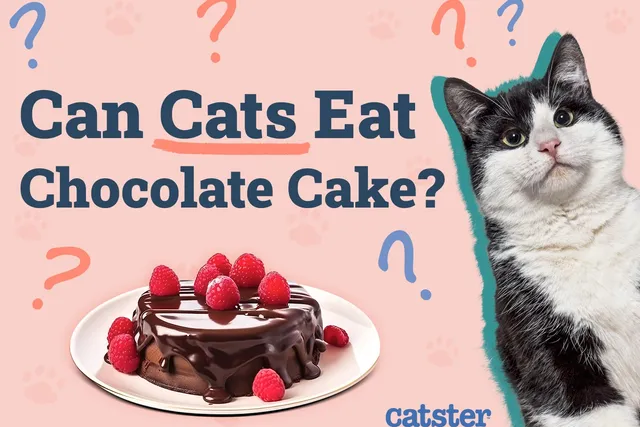
Cakes flavored with chocolate are a no-go zone for cats. We all understand that dark chocolate is particularly harmful to dogs and cats.
Chocolate also contains small amounts of caffeine and a more significant amount of theobromine, both of which are called methylxanthines and are toxic to cats.1 Although dark chocolate is more dangerous than white chocolate, cats have shown clinical signs following ingestion of both.
If your cat consumed chocolate cake, try to evaluate how much and what kind of chocolate they consumed, and then call the vet for further instructions. Keep an eye on them and be aware of the signs of chocolate poisoning like diarrhea, vomiting, fever, drop in blood pressure, weakness, convulsions, palpitations, and panting. Other signs may include muscle stiffness, heightened reflexes, and death in extreme cases.
Vanilla Cake
Vanilla, on its own, is not bad for cats; we discourage vanilla cake because of the large quantity of sugar and calories that will only lead to weight gain for your pet.
Cheesecake
Cats are lactose-intolerant, so they should not eat cheesecake, and again, it is packed with fat and sugar. Thus, we recommend avoiding sharing your cheesecake with your cat.

Nuts
Nuts are a good source of proteins, fiber, and fats, but be careful about feeding them to your cat. Macadamia nuts are particularly poisonous for cats since they contain too many fats that might precipitate diarrhea and vomiting, which can cause life-threatening dehydration. Some other nuts, like almond nuts, Brazil nuts, and walnuts, do not cause severe diarrhea and vomiting.
If these nuts are incorporated as ingredients in cakes, it would be best that you don’t give them to the cat.

How Do Excessive Calories Harm Cats?
One of the biggest threats to cat health is excessive sugar and calories. While eating sugary food once likely won't kill your cat, it will also not provide them with the nutrition they need. Moreover, excessive feeding will predispose the cat to conditions like obesity.
An obese cat can quickly develop weakness and breathing problems. The weight gain will reduce the cat’s mobility and as well as their ability to do physical activity. Obesity will also increase the risks of diabetes, cancer, and other dangerous illnesses.
Weight gain will compromise heart function, which may lead to premature death.

Diabetes in Cats
Insulin is a hormone that regulates the movement of sugars from the bloodstream into cells. Disparities in insulin secretion from the pancreas, as well as insulin resistance from cells, can result in diabetes. Cat diabetes resembles human type 2 diabetes, in which the body's sensitivity to insulin is reduced.
Sugar builds up in the bloodstream, leading to excessive urination and thirst, which, if left untreated, can lead to life-threatening complications. Although the exact cause is not known, diabetes tends to affect old and obese cats. Obesity in cats can be due to excessive consumption of calories and a sedentary lifestyle.
Diabetic cats should only feed on high protein content and very low carbohydrate content food. Excessive carbohydrates can elevate blood glucose to dangerous levels. Your job as a cat owner is to ensure that your cat gets complete and balanced, species-appropriate food to help them thrive and prevent obesity and disease.
Cakes for Special Occasions
As a cat owner, you can buy or bake your cat cakes for occasions like their birthdays. Ensure the cake is of nutritional benefit to the cat. These special cakes should contain healthy ingredients like fish and eggs and not harmful sugars, milk, or chocolate. Check out these Homemade Cat Cake Recipes that you can prepare to safely celebrate those special occasions with your cat. If you are not a chef, then know that many specialty cat food shops and boutiques sell cat cakes. We do recommend that you double-check the cake’s ingredient list with your veterinarian before offering it to your cat.
Conclusion
Cats can eat “cat cake” on special occasions. But we do not recommend you share your human cake with them. Besides the fact that they cannot taste the sweet flavor, some cakes may contain ingredients that are not suitable for them, and the excessive sugars and calories do them more harm than good.
Featured Image Credit: Pixabay

Expert cat care, straight to your inbox
Vet-reviewed advice, behavior tips, and the best of Catster. Free, and you can unsubscribe anytime.
By signing up, you agree to our Terms & Conditions and Privacy & Cookies Policy.
Christian started writing for a local newspaper as a teenager, and he's been involved in the publishing industry for most of his adult life. Combining his love of writing with a passion for animals, he is currently the Director of Editorial at Pangolia and the Editor-in-Chief at Catster.
Christian lives in the Philippines with his wife, son, and four rescue cats: Trixie, Chloe, Sparky, and Chopper.
Join the conversation
Ask a question, share your story, or send private feedback.