Get

In Your Inbox

Catster is reader-supported. When you buy via links on our site, we may earn an affiliate commission at no cost to you. Learn more.

Why Is My Cat Suddenly Walking Like They’re Drunk? 10 Vet-Reviewed Reasons

Share

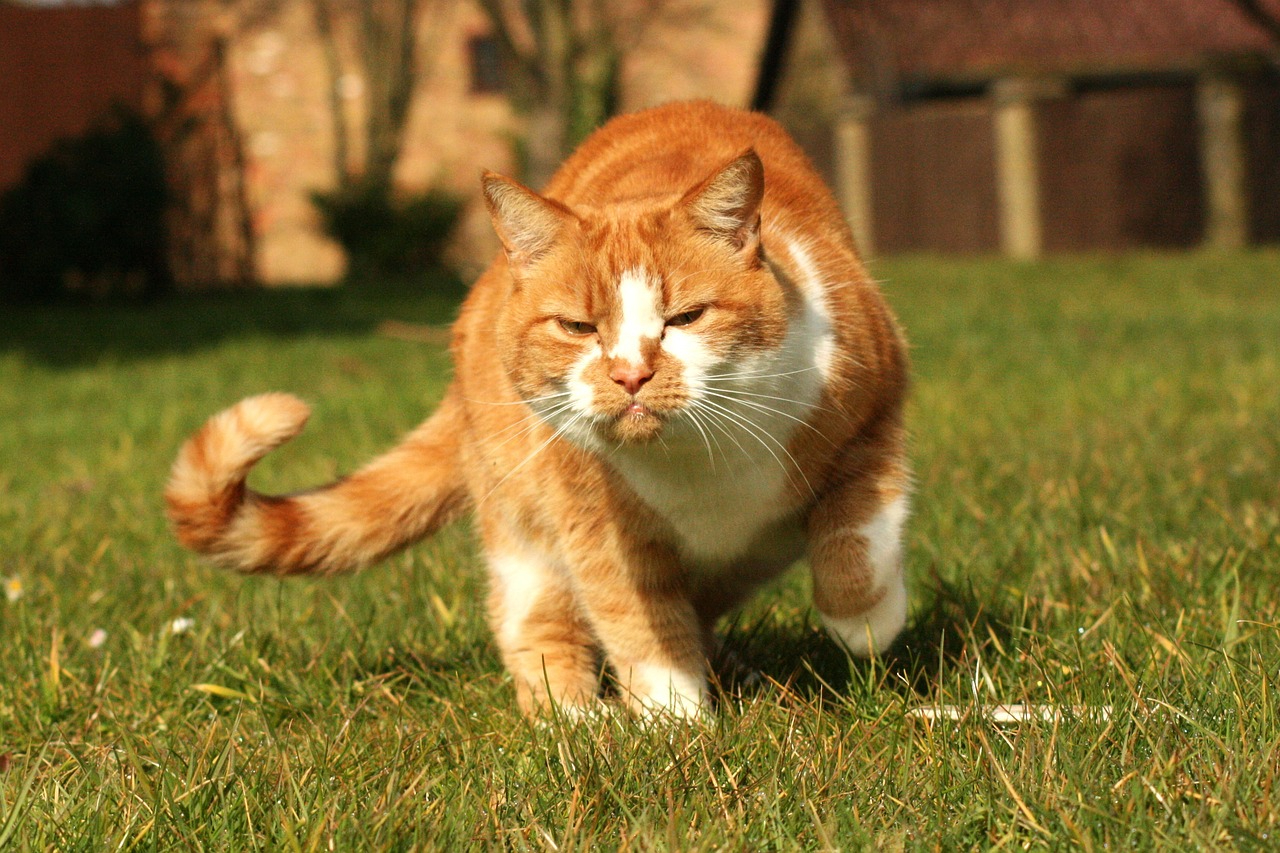
orange cat shaking its tail

It’s a question that concerned cat owners may ask: Why is my cat suddenly walking like they’re drunk? There are many possible reasons for this, and we will discuss some of them below. Cats can become unsteady on their feet because of their age or an injury or illness.

If your cat has suddenly started walking strangely, it’s important to take them to the vet to rule out any health problems. In the meantime, here are some of the most common reasons why cats walk like they’re drunk.

divider cat faces 2 oct 2024

The 10 Possible Reasons Your Cat is Suddenly Walking Like They’re Drunk

1. Age

As cats get older, they can sometimes become unsteady on their feet. This is usually due to arthritis or other age-related health problems.

Prevention
  • There is no way to prevent age-related health problems, but many of them can be treated or managed with the help of a veterinarian. You can ensure your cat is comfortable by providing them with a warm bed and plenty of cushions.
  • If you have an older cat, feed them a healthy diet, give them plenty of attention, and take them to yearly vet checkups to spot issues before they become more significant problems.
Treatment
  • If your cat is in pain, a vet may prescribe medication to help them.
tuxedo cat inside the house
Image Credit: Chen, Unsplash

2. Injury

If your cat has had an injury, it could affect their balance and make them walk strangely. This is especially common if they have injured their back or legs.

Prevention
  • You can help prevent injuries by keeping your cat indoors at dawn and dusk and providing plenty of toys, scratching posts, and stimulation.
Treatment
  • If your cat has had an injury, they must see a vet for treatment. This may involve rest, physiotherapy, or surgery.

3. Illness

Several illnesses can cause a cat to walk strangely, including vestibular disease, infectious disease, kidney disease, and diabetes.

Prevention
  • Vaccinating, deworming, eliminating fleas on your cat, and taking them for regular check-ups will help prevent some illnesses. It will also allow other illnesses to be detected sooner when there are more treatment options.
Treatment
  • If your cat is ill, they must see a vet for treatment. This may involve medication, special diets, or hospitalization.
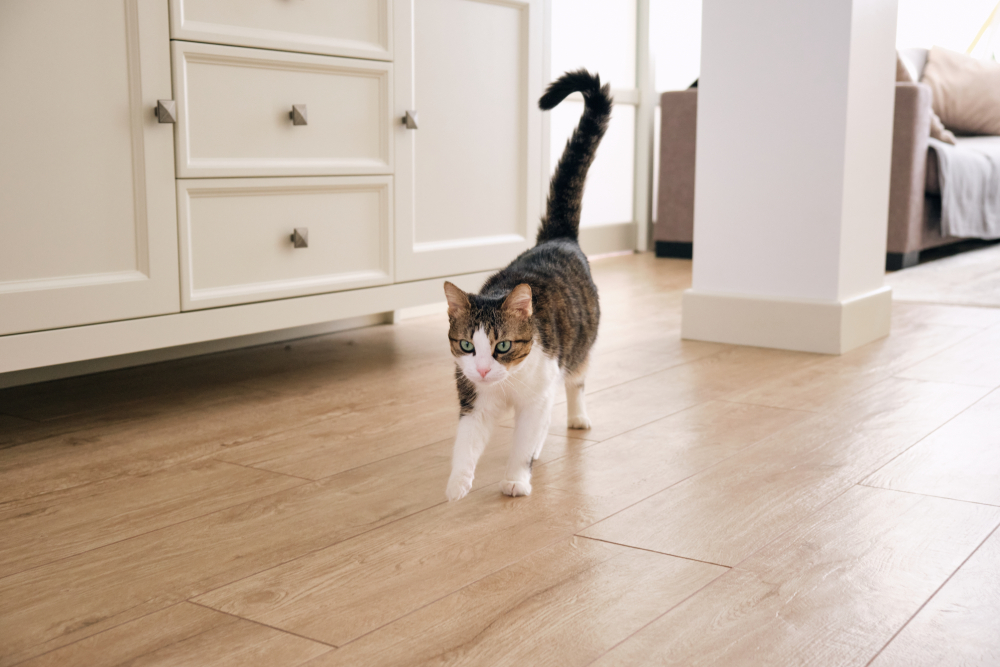
cat tail walking
Image Credit: Buenosia, Pexels

4. Medication

Some medications can cause side effects that make a cat walk unsteadily. If your cat is on medication, talk to a vet about whether it could cause the problem.

Prevention
  • There is no way to prevent side effects from medication, but you can talk to a vet about whether there are any alternatives. This is more commonly seen with anti-anxiety medications.
Treatment
  • If your cat has side effects from their medication, they need to see a vet for treatment. It can involve changing their dose or switching to a different drug, but don’t do it without discussing it first with a veterinarian.

5. Stress

Cats can sometimes walk strangely when they are stressed or anxious. If your cat is experiencing stress, you may need to provide them with more environmental enrichment (such as toys, climbing structures, and hiding places).

Prevention
  • You can help prevent stress by providing your cat with a comfortable home and plenty of attention.
Treatment
  • If your cat is stressed, you may need to provide them with more environmental enrichment (such as toys, climbing structures, and hiding places). You can also talk to a vet about whether any medications could help. They might include anti-anxiety medication or pheromone therapy.
Blue-eyed-Chinchilla-Siberian-Cat-walking-on-grass-outside
Image Credit: Pavel-Sepi_Shutterstock

6. Obesity

Obesity can also lead to balance problems in cats, and you can talk to a vet about a weight-loss plan if your cat is overweight.

Prevention
  • You can prevent obesity by feeding your cat a healthy diet and giving them plenty of exercise.
Treatment
  • If your cat is obese, they need a weight-loss plan and a full examination by a vet.

7. Poor Vision

If a cat’s vision is poor, they may hobble as they try to navigate their environment. This is more common in older cats.

Prevention
  • There is no way to prevent poor vision, but you can make sure your cat’s environment is safe and easy to navigate, especially as they age. Avoid making changes to the layout of the environment.
Treatment
  • If your cat has poor vision, they need to see a vet for treatment. This may involve medication, special diets, or surgery.
fluffy cat walking on grass
Image Credit: Nils Jacobi, Shutterstock

8. Inner Ear Problems

Problems with the inner ear can cause a cat to walk unsteadily and fall over, usually due to an infection or inflammation.

Prevention
  • There is no way to prevent inner ear problems, but you can talk to a vet about the treatment options.
Treatment
  • If your cat has inner ear problems, they must see a vet for treatment. This may involve antibiotics, anti-inflammatories, or surgery.

9. Neurological Problems

Neurological problems can also cause a cat to walk unsteadily. This could be due to a brain tumor, stroke, or other condition.

Prevention
  • There is no way to prevent neurological problems. Be vigilant for changes in your cat’s behavior and health, and consult your vet.
Treatment
  • If your cat has neurological problems, they need to see a vet for treatment. This may involve medication, special diets, or surgery.
Blue Burmese cat (Suphalak meaning fortunate, beautiful, and splendid appearance) walks in the paddock on a cloudy spring morning
Image Credit: alybaba, Shutterstock

10. Pain

Finally, pain can also make a cat walk oddly. If your cat is in pain, they may walk hunched over or be reluctant to move. If you think your cat is in pain, talk to a vet about possible treatment options.

Prevention
  • There is no way to prevent pain per se, but you can talk to a vet about methods to manage it.
Treatment
  • If your cat is in pain, they must see a vet for treatment. This may involve medication, special diets, or surgery.

divider cat faces 2 oct 2024

Medical Conditions: A Closer Look

A Word About Idiopathic Vestibular Disease in Cats

One of the most common illnesses that cause cats to walk like they’re drunk is idiopathic vestibular disease. Idiopathic vestibular disease is a condition that can cause a cat to walk like they’re drunk. However, the exact cause is unknown.

If your cat has this condition, they must see a vet for treatment, which can involve medication or a wait-it-out approach. It is treated on a case-by-case basis, but care typically includes supportive therapy to help the cat recover from the episodes. With proper treatment, most cats fully recover within a few weeks.

A Word About Ataxia in Cats

Ataxia is a word that describes uncoordinated body movements. You may hear the vet describe your wobbly cat as ataxic or having ataxia.  It is not an illness but a description of a symptom. If your cat has ataxia, they will need to see a vet to investigate the underlying cause and treatment.

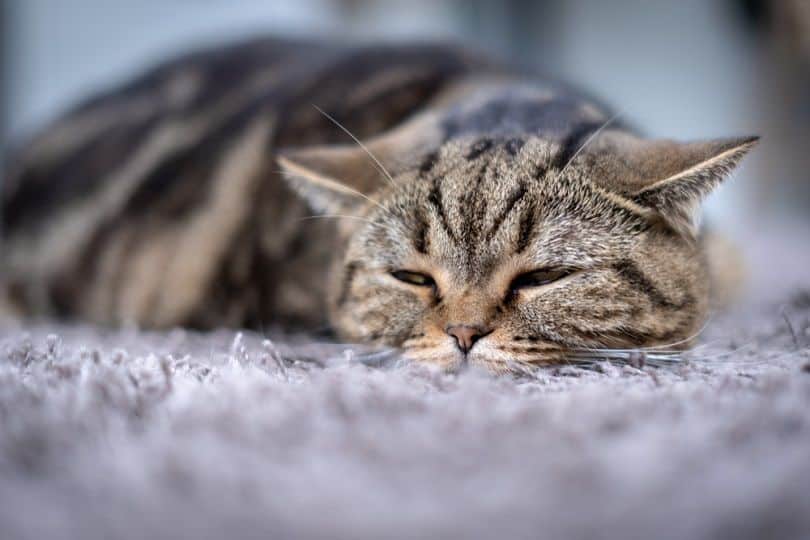
sick cat with feline disease sitting on the floor
Image Credit: Kittima05, Shutterstock

A Word About Paw Care

Caring for a cat’s paws is integral to maintaining their health and happiness. If you notice your cat is walking oddly, it’s essential to take them to the vet for an evaluation, but in the meantime, you can help by ensuring their nails are trimmed and their paws are clean and free of debris.

divider cat faces oct 2024

Are Certain Breeds More Likely To Walk Like They’re Drunk?

While any cat can develop the conditions listed above, some breeds are more prone to them. For example, Siamese cats are more likely to have neurological problems, while Ragdolls are more likely to be obese. If you’re concerned about your cat’s health, talk to a vet about which breed-specific conditions you should be on the lookout for.

When to See Your Vet

It’s important to see a vet if your cat starts walking like they’re drunk and you can’t figure out a cause, especially if it’s combined with other symptoms, including:

  • Not eating or drinking
  • Lethargy
  • Vomiting
  • Diarrhea
  • Fever
  • Inconsolable crying or meowing
  • Inability to urinate or defecate
  • Any sudden change in behavior

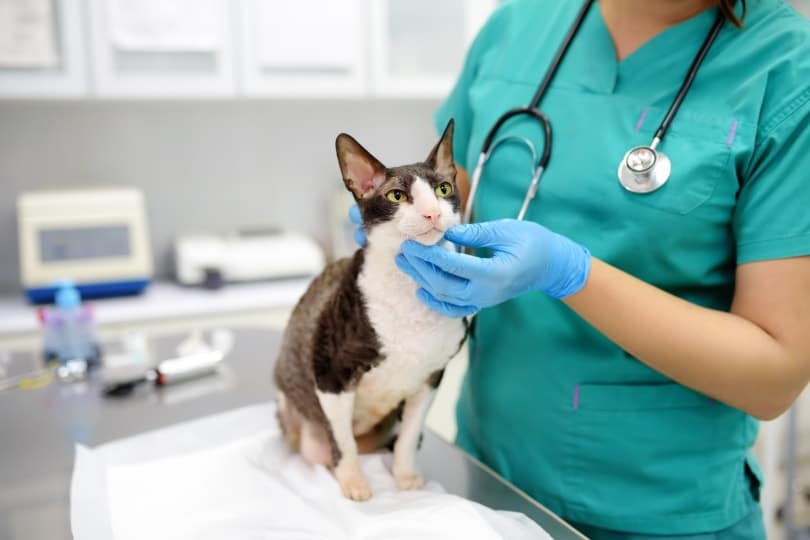
If you notice any of these signs, it’s important to take your cat to the vet so that they can rule out any severe medical conditions.

If you need to speak with a vet but can't get to one, head over to PangoVet. It's an online service where you can talk to a vet online and get the advice you need for your pet — all at an affordable price!

PangoVet_Mention-in-Content for PangoVet2 save money

divider cat faces oct 2024

Conclusion

If your cat is walking like they’re drunk, it’s essential to take them to the vet so that any underlying health problems can be treated. However, you can do many things to help your cat feel more comfortable and reduce their stress levels. Talk to a vet about what might be best for your cat. Thanks for reading!

See also:


Featured Image Credit: lagunabluemolly, Pixabay

Want content like this delivered to you?

Sign Up For Our Newsletter

News, insights, expert advice, and everything cat

* By submitting, you agree to our Terms & Conditions and Privacy & Cookies Policy.


How useful was this post?

Click on a star to rate (you can leave written feedback after clicking submit)

Help us improve Catster for pet parents!

Your feedback really matters.

What did you like about this post? Also how can we improve it?

Join the conversation

Leave a Reply

You’re very welcome to leave a comment or question. Please know that all comments must meet our community guidelines, and your email address will NOT be published. Let’s have a positive and constructive conversation.


Talk With A Vet Online

Peace of mind,
anywhere, anytime

Affordable vet advice

One in 100 Cats Gets Diabetes – Here’s How to Catch It Early

One in every 100 cats develops diabetes.1 That’s not a rare, unlucky condition reserved for cats with obvious health problems. It’s common enough...

Dramatic Rescue Turns Into Dramatic Reunion

What started as a routine call for the RSPCA became a heroic, five-hour rescue featuring one trapped and traumatized cat, an emotional family...

Ask Dr. Paola – Help! How Do I Know if it’s Ear Mites! (May 4, 2026)

Welcome to our “Ask Dr. Paola” series, where every Monday we bring expert advice straight from Dr. Paola Cuevas (MVZ) to help our...

Hope for the Tiniest Fighters: Baby Kitten Rescue | Heroes of the Pet World

In a world where the smallest and most vulnerable animals are often the easiest to overlook, Caroline and Baby Kitten Rescue’s work is...

More related

Do Cats Get Headaches? Our Vet Explains Facts & Info

Like most veterinarians, I think it’s likely that cats get headaches, and I will demonstrate why; however, it’s not something that has been...

Cat Ear Language: What Feline Body Language Can Tell You (With Examples)

If you’ve ever spent any time observing your cat’s ears, you’ll already know that you can detect your cat’s feelings by how their...

Why Does My Cat’s Pee Smell Sweet? Our Vet Explains 4 Possible Causes

Cat urine isn’t typically known to have a nice smell. That’s why cat litter companies have worked so diligently to create products that...

Ragdoll Kittens for Sale in Minnesota: Breeders List 2026

Catster advocates for adopting before shopping, though we fully understand there are many reasons for seeking a breeder. So, we encourage it to...

Keep reading

Can Cats Eat Baby Food? Vet-Reviewed Facts & FAQ

Your cat is your baby. But if you recently brought a human bundle of joy home, you may be tempted to share some nutritious baby food with your feline friend. Can your cat safely consume baby food? It depends. While...

Can Cats Eat Baby Food

Is Kibble Bad for My Cat? Vet Reviewed Facts & FAQ

Cats are family members, and they deserve the best possible care, including the most nutritious diet possible. But there’s tons of information online with varying suggestions regarding feline nutrition. Some articles state that kibble is bad for cats. Others suggest...

kibble-pixabay

How to Reduce Anxiety in Cats: 10 Vet Verified Tips

Anxiety may not make sense to a lot of people, but it is a very real struggle for those who suffer from it. It can afflict humans and pets in varying degrees and can cause both physical and behavioral reactions....

scared cat hiding behind the door

Why Do Cats Like Fish? 4 Interesting Vet-Reviewed Reasons

There are few things more ingrained in our thoughts and beliefs about domestic cats than the connection of cats liking fish. It is an interesting animal for cats to take an interest in, though. After all, most cats don’t like...

black cat looking at the aquarium fish

Why Does My Cat Stare at the Wall? Our Vet Discusses Common Reasons & What to Do

There are many things our cats do that confuse and confound us, and one behavior that can be quite concerning is when they start staring intently at a wall. Are they sleeping with their eyes open? Do they see something...

cat staring at the wall

Can Cats Die From Stress? Vet-Approved Facts & Advice

We’ve all been there. The second something seems off with your cat; you imagine the worst. Your heart races and your eyes swell with tears. When you’re on the phone with your vet, you ask the dreaded “what ifs.” Sound...

cat hiding

When Are a Cat’s Teenage Years? Vet-Reviewed Facts & Useful Tips

Just like humans, cats go through a stage that tends to correlate with “teenage” behavior. Some of it is cute and funny, and some of it is irritating and frustrating. Fortunately, the cat teenage years are not all bad, and...

Bengal kitten playing

Are Daisies Toxic to Cats? Vet-Reviewed Risks & Advice

Daisies are common flowers that you can find in gardens all over the world. Several different species of flowers are referred to as daisies or mistaken as them. So, it can be a challenge to determine if the flower in...

Catster_Are Daisies Toxic to Cats

Love Cats? So Do We! Join the Catster Community

Stay informed with expert pet care insights delivered straight to your inbox! Discover professional guidance on animal behavior, feeding tips, trusted product picks, and much more.


Sign up for the Catster Email Newsletter

Stay informed with expert pet care insights delivered straight to your inbox! Discover professional guidance on animal behavior, feeding tips, trusted product picks, and much more.