What Is a Digitigrade? Our Vet Explains Cat Locomotion
One of the many ways in which animal species are classified is by their type of locomotion—ie. the way they walk. The three classifications are:
- Plantigrade
- Digitigrade
- Ungulate
Plantigrade animals (including humans, bears, elephants, and many aquatic birds) walk on their tarsals and metatarsals (feet and toes), with the hock (ankle) and calcaneus (heel) forming the bottom of the leg. Digitigrade animals walk on their digits (toes/fingers) with the hock positioned off the ground), such as cats, dogs, and most flying birds. Ungulate animals that walk on the tips of their toes, with the toenail/s forming a hoof and the digits held off the ground (eg. horses, sheep, antelope, giraffe).
Although they may look vastly different, all of these species share the same basic anatomy with humans; they have ankles and wrists, knees and elbows, and fingers and toes, but it is the arrangement of these bones that differ. Whilst we humans place our feet flat on the ground with our five toes at the end, horses have evolved to walk on a single toenail (hoof) at the end of a very long toe!

Why Are They So Different?

If we look at the diet, lifestyle, and environment of a species, we can see why they have evolved the anatomy and locomotion they have. Equally, if we were to look solely at the locomotion classification of an animal, we can usually predict what sort of food they might eat and how they spend their days.
Plantigrade species have adapted to the need for stability over speed, and the ability to hold or manipulate objects. They tend to walk more than they run, only using speed for short bursts when needed.
Most ungulates and digitigrade animals are also classified as “Cursorial”; species that need to cover long distances quickly. Ungulates achieve this by lengthening and streamlining their limbs to increase their stride length, while digitigrades have adapted limbs that are flexible and elastic, and spinal columns that have a greater range of motion. The majority of ungulates are large herbivores that need to be able to stand for long periods of time to digest their food and run away from predators. They have rigid spines to support their large frames, and long, lithe limbs for a speedy getaway.
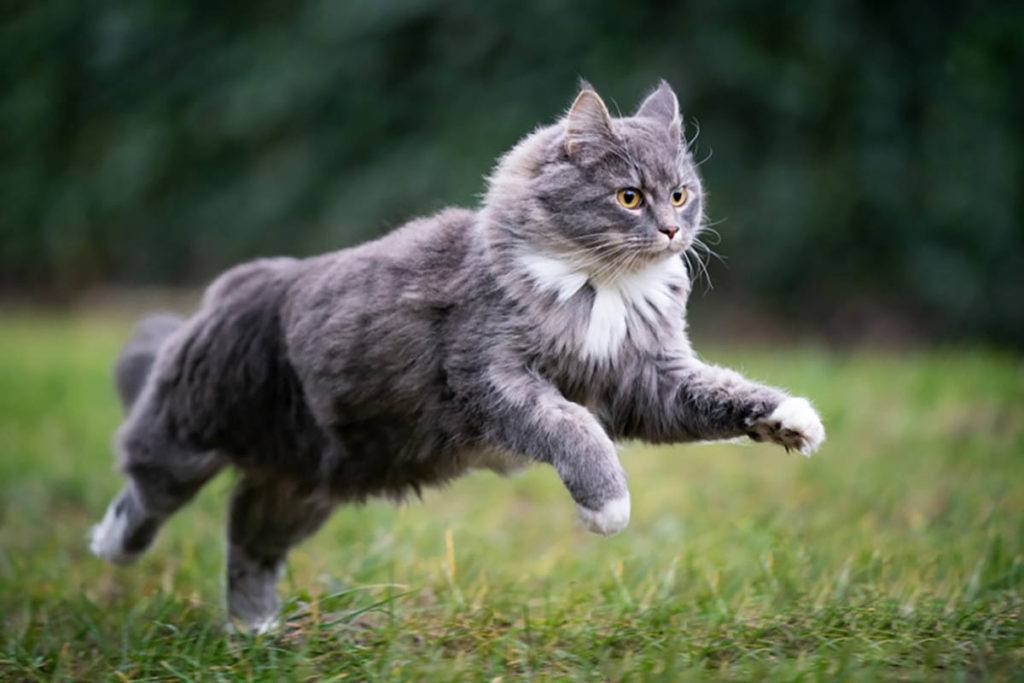
Digitigrade mammals are mostly hunters or scavengers, who need to be quick, quiet, and agile to capture prey (or steal someone else’s!). For this reason, they have evolved a flexible spine to increase their speed and maneuverability, and a form of locomotion that maximizes both speed and stealth. The digitigrade legs receive leverage from their hocks, giving these animals a spring in their step that makes them adept at running and jumping.
What Makes Cats Such Effective Hunters?
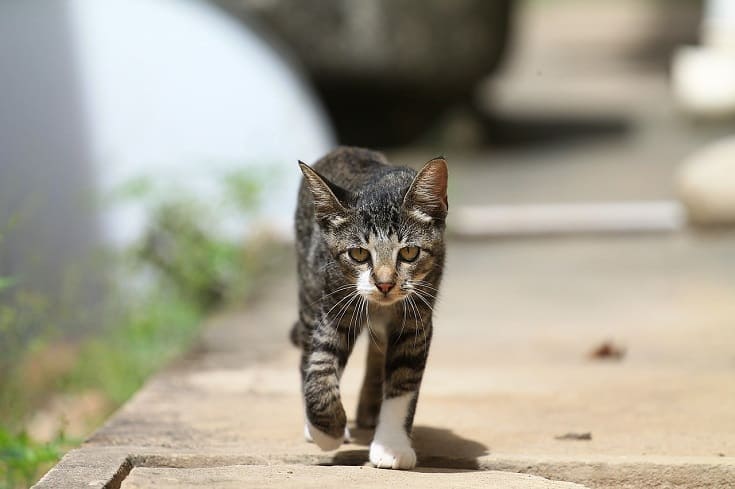
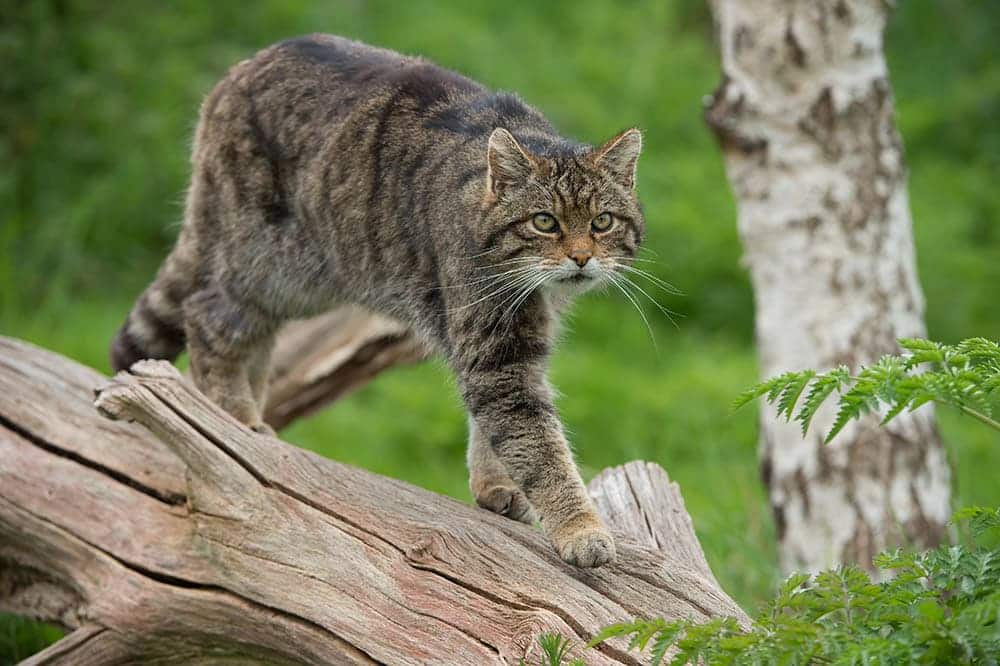
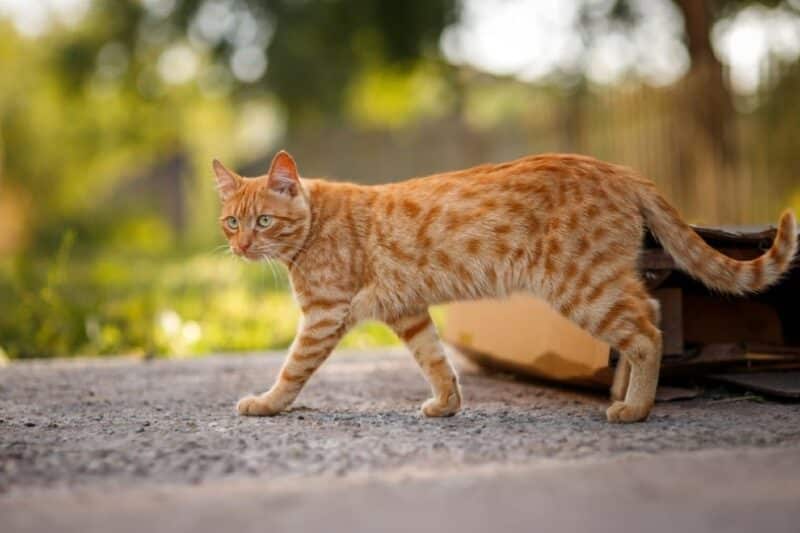
Although both are digitigrade, cats and dogs differ in the way they coordinate their limbs (gait). Cats move with what is described as a “symmetric” gait, meaning that they move the front and back limbs of one side, then the front and back limbs of the other. They share this unique gait pattern with only two other species: giraffes and camels! Most cursorial animals have gait patterns that are the most energy-efficient, but felines appear to have traded some of that efficiency for stealth. This type of motion keeps their body still when they are moving, enabling them to be virtually silent, and therefore very effective hunters.
Another adaptation of feline anatomy and locomotion is the evolution of protractible claws. Unlike dogs, whose claws are fixed in place at the tips of their toes, cats keep their claws tucked away until they are needed to capture prey, climb, or fight. This protects them from wear and tear to keep them razor-sharp, ready to be deployed when needed.

Conclusion
We can tell a lot about an animal just by looking at its legs. Plantigrade species need stability or dexterity more than speed, ungulates need to graze, digest and flee from predators, and digitigrades have evolved to be agile and quick. Cats have developed some additional strategies to maximize their effectiveness as hunters. They compromise some energy efficiency for maximal stealth, and their protractile claws allow them to keep these effective weapons protected until needed.
Understanding the anatomy and physiology of our beloved feline companions makes it easier for us to recognize when things aren’t right so that we can seek help from veterinary professionals when needed.
See Also:
Sources
Featured Image Credit: Roman Milavin, Shutterstock

Expert cat care, straight to your inbox
Vet-reviewed advice, behavior tips, and the best of Catster. Free, and you can unsubscribe anytime.
By signing up, you agree to our Terms & Conditions and Privacy & Cookies Policy.
Dr. Karyn Kanowski BVSc MRCVS (Veterinarian)
Dr. Karyn comes from Queensland, Australia, and has lived in the UK for the past 10 years. In 2010, she graduated from The University of Queensland School of Veterinary Science and also has a Bachelor’s degree in Zoology. She is passionate about using evidence, experience, and owner collaboration to provide the best solutions for pets, and believes in making reliable information about animal health accessible to all. Dr. Karyn shares her home with five cats, four dogs, and one husband. When she is not in the scrubs, she spends her time writing, gardening, and cleaning up pet hair!
Join the conversation
Ask a question, share your story, or send private feedback.