Feline Direct Registering: What It Is & Why Do Cats Do It

In this article
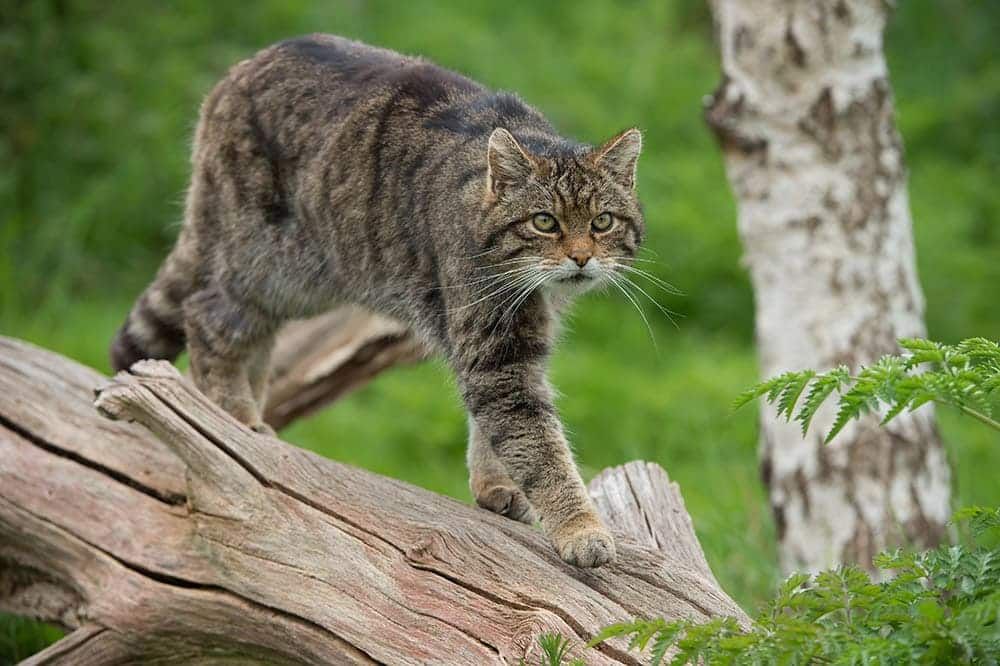
Cats are some of the most efficient hunters in the world who track and stalk their prey skillfully before pouncing on and killing their targets. Stealth is one of the feline set's deadliest tools when it comes to hunting, as it gives cats the advantage of surprising their prey.
Unaware targets aren't likely to take evasive action, such as running off, which makes it far easier for cats to nab dinner. Direct register walking allows cats to move with elegance, grace, and stealth, and it's a vital part of what makes them such great hunters.

How Does It Work?
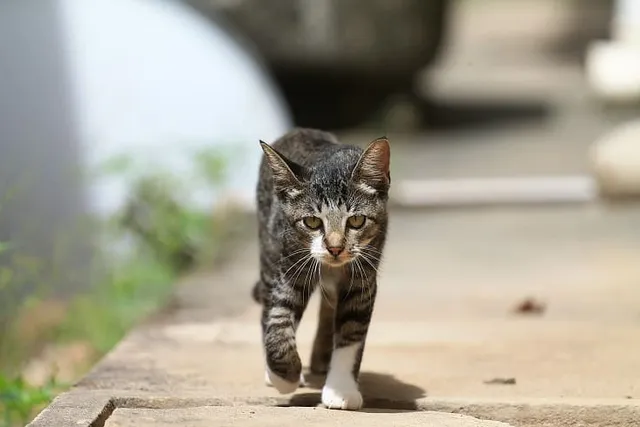
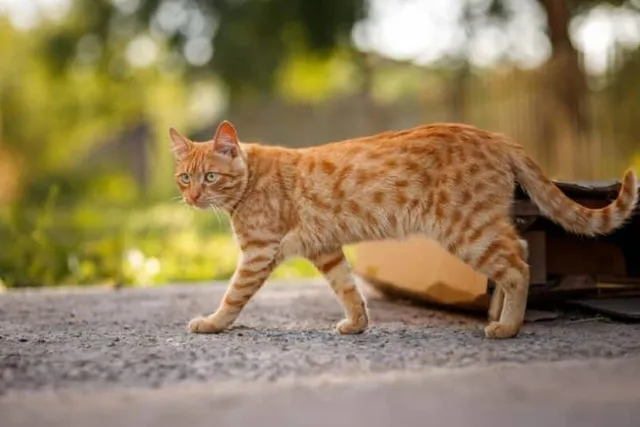
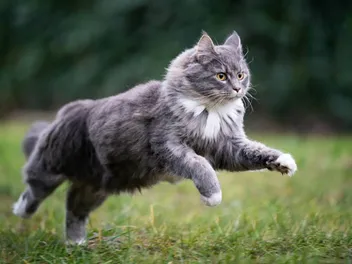
Feline direct registering is a way of walking in which a cat puts down one front paw, which is then replaced by the back paw on the same side of the body. A cat’s gait is called a pace, which essentially involves the legs on one side moving together.
Direct registering has several benefits, including staying quiet and leaving few tracks behind. It also makes it easier for cats to move efficiently through difficult landscapes with confidence. It's particularly useful when walking through grass and snow.
Animals who direct register produce trails that appear to be single tracks. When cats hunt, they typically spend time looking for prey and stalking it before moving in for the kill. Direct register walking is quiet, and it allows cats to effectively track their prey, which gives them huge advantages when it comes to hunting.

How Do Cats Walk So Quietly?
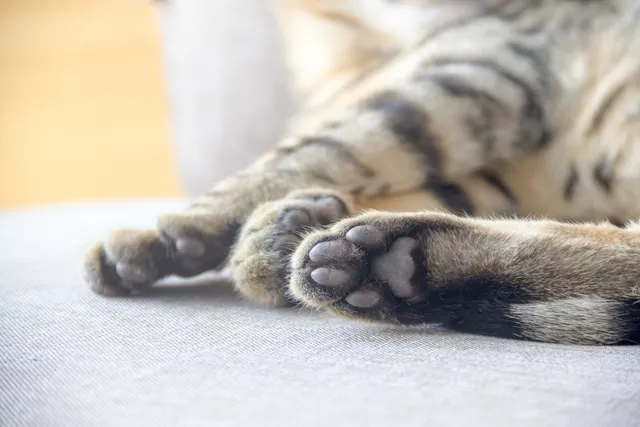
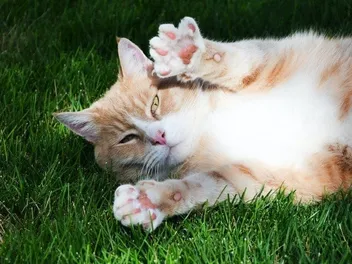
From speedy Cheetahs to elegant moggies, most cats have more than mastered the art of moving with grace. Domestic cats can walk quietly in part because of their soft, pillowy paw pads, which help absorb sound and make it easy for them to slip through environments unnoticed. They also provide a bit of cushioning during high-impact activities such as jumping.
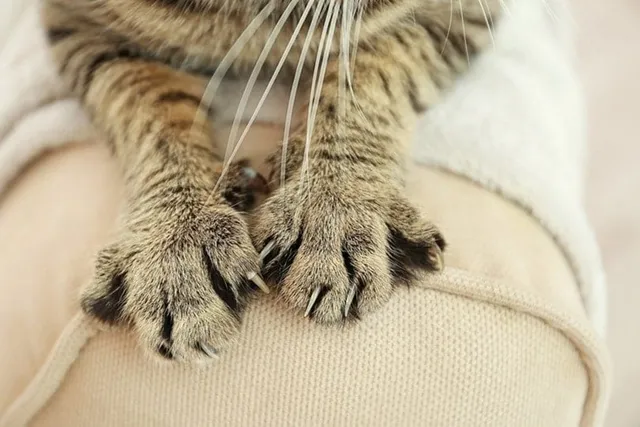
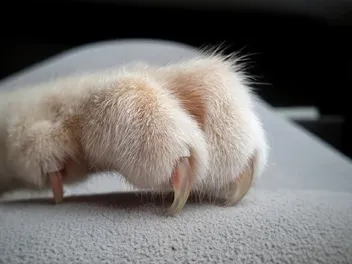
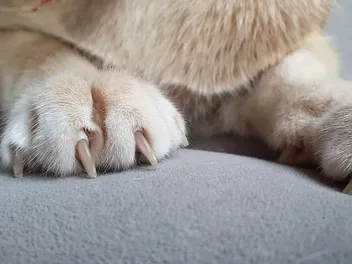
Domestic cats' retractable claws contribute to their ability to walk quietly. Cats are technically considered digitigrade mammals, which means they walk on their toes. Their symmetric gaits also contribute to their ability to walk quietly, allowing them to keep their bodies still when moving.

Frequently Asked Questions
Are There Other Animals Who Walk Using a Direct Register Pattern?
Absolutely! In addition to most cats, wolves, and foxes also use it, and coyotes have a direct register trot to which they often resort.
How Many Toes Do Cats Usually Have?
Cats usually have 18 toes. Most kitties have five toes on their front paws and four on their back ones. However, some have more than the standard number of toes; polydactyl cats can have anywhere from one to several extra digits.
Polydactylism is an inherited trait, although veterinarians aren't entirely sure why some cats develop one extra toe and others have more. The extra digits make it easier for cats to hunt and grip. The trait is more likely to be found in Maine Coon and Pixiebob cats than in other breeds.

Do all cats have retractable claws?
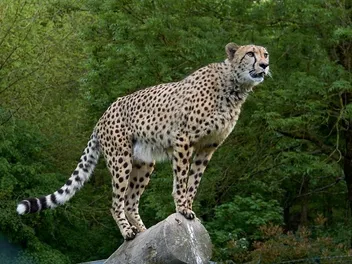
Most cats, including big ones, have retractable claws, except Cheetahs. Cheetahs are fascinating big cats! They don't roar and can reach up to 75 miles per hour.
Conclusion
Feline direct register walking is a way of moving in which cats move a front paw and then put the back paw (on the same side) in the place where their front paw was. It's an incredibly efficient way of moving and has the benefit of being quiet, which gives cats an advantage when hunting by allowing them to move stealthily while following prey and getting ready to go in for the kill.
Almost all cats (including wild ones like Mountain Lions and Bobcats) use the pattern, as do many wolves and foxes.
Sources
https://icatcare.org/understanding-the-hunting-behaviour-of-pet-cats-an-introduction/
https://www.catster.com/ask-the-vet/what-is-digitigrade-cat-vet-answer/
https://www.nps.gov/mora/planyourvisit/upload/Carnivore-Tracks-12-20-21_508.pdf
https://www.nationalgeographic.com/animals/mammals/facts/big-cats-1
https://www.discoverwildlife.com/animal-facts/mammals/mammal-cheetah-guide-facts
https://www.nationalgeographic.com/animals/article/Animal-speed-size-cheetahs
Featured Image Credit: davemhuntphotography, Shutterstock
Expert cat care, straight to your inbox
News, insights, and useful advice, delivered to you.

No spam — unsubscribe anytime.
By signing up, you agree to our Terms & Conditions and Privacy & Cookies Policy.
How useful was this post?
Click a star to rate. You can leave written feedback afterwards. (We read all feedback.)
Lorre Luther is a writer who is firmly convinced that cats are smarter than humans. She left her law career in the United States and moved to the Netherlands to follow her dream of becoming a writer. Lorre currently lives in Rotterdam, she enjoys traveling and greatly appreciates the beauty of nature. Lorre has a spot for animals and admires the intelligence of cats.