Can Cats Eat Frosty Paws? Vet-Reviewed Nutritional Facts & FAQ


In this article
When it comes to our pets, we often want to share delicious treats with them. For multi-pet households, keeping up with your pets’ snacks can be a bit overwhelming, especially when you’re a pet parent to both cats and dogs. Frosty Paws, those frozen delights popular among dog owners, might tempt us to offer a taste to our feline companions. However, it's important to remember that cats and dogs have distinct dietary requirements.
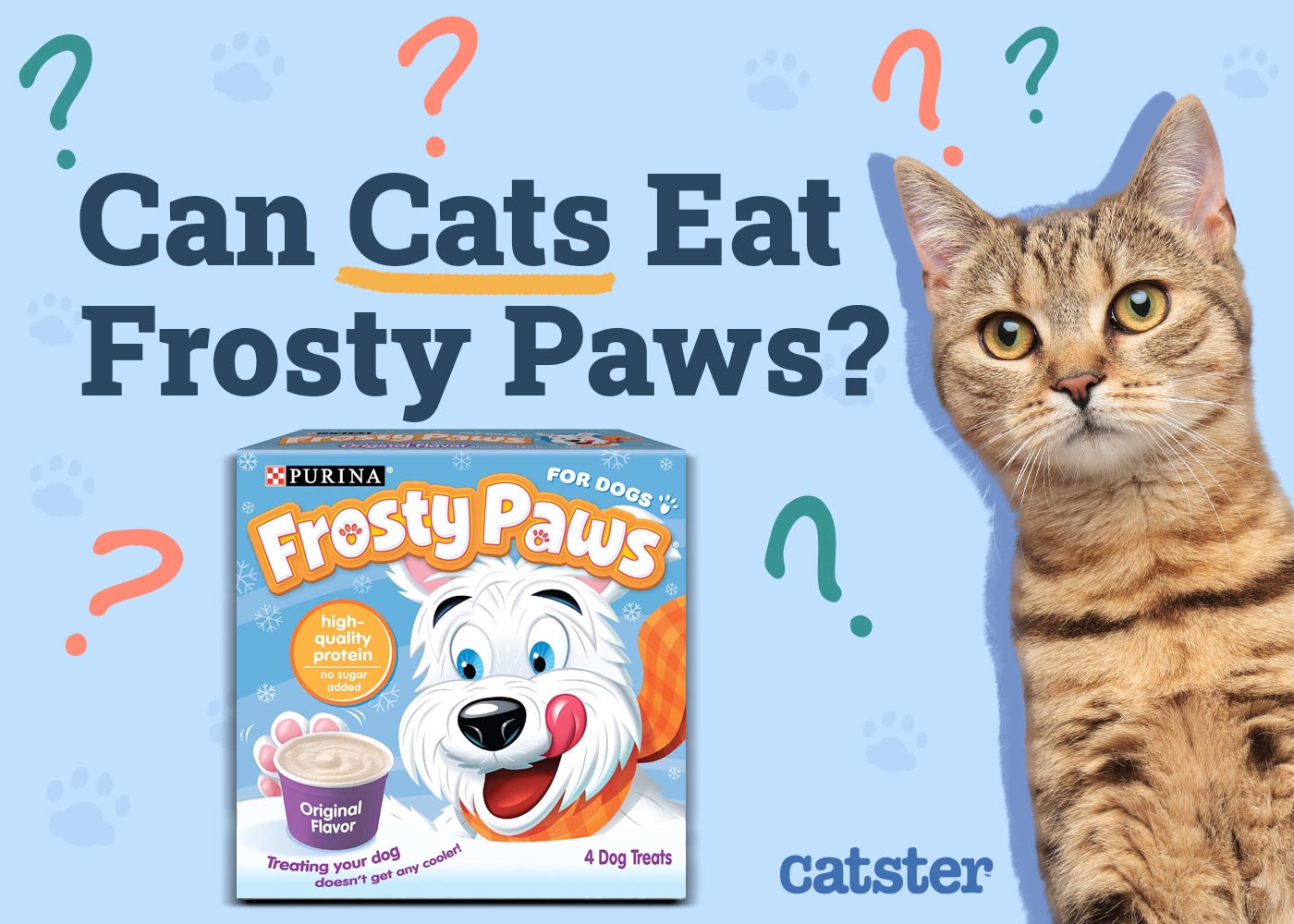
So, can cats eat Frosty Paws? Technically they can, but keep in mind that Frosty Paws are intended for dogs, which have different nutritional needs and sensitivities. Your cat taking a bite out of Frosty Paws won’t hurt them, but Frosty Paws should not be fed to cats regularly.
In this article, we'll dive into why Frosty Paws are not a wise choice for your cat and explore alternative cold snacks that are safe and satisfying for your feline friend!

What Are Frosty Paws?
First and foremost, Frosty Paws are frozen treats specifically designed for dogs 1. They are often shaped like ice cream cups or bars, offering a refreshing snack to canines on hot days. These treats usually contain a mixture of ingredients like yogurt, peanut butter, and natural flavors that dogs find irresistible. Frosty Paws are formulated to be safe and enjoyable for dogs, taking into account their dietary requirements and preferences.
Ingredients of Frosty Paws
While the name of the frozen treat may sound enticing toward pet owners, the ingredients in Frosty Paws might not align with a cat's nutritional requirements. Frosty Paws typically contain yogurt and peanut butter, which are safe for most dogs, but they might not be well-tolerated by cats.
Additionally, some Frosty Paws products could contain other additives or flavorings that might not be suitable for feline consumption. Some ingredients such as dextrose, corn oil, and even peanuts, may be harmful to cats if ingested in large quantities.
Nutritional Content of Frosty Paws
Frosty Paws are designed with the nutritional needs of dogs in mind. They have a balanced combination of protein, fat, and carbohydrates that cater to a dog's metabolism.
However, these proportions may not be ideal for cats, which require higher protein content and fewer carbohydrates in their diet.
Of course, even for dogs, these icy treats should not form a significant part of the diet, so they shouldn’t be relied upon as an essential component of their nutritional intake.

Dog Snacks vs. Cat Snacks
It's crucial to recognize that dogs and cats have different dietary needs. Dogs are known as facultative carnivores but are essentially omnivorous and can tolerate a wider range of ingredients. Cats, on the other hand, are obligate carnivores. This means that their nutritional requirements generally consist of an animal-based protein diet. Cats require certain amino acids and nutrients that are found predominantly in animal tissues. Deviating from these nutritional needs can lead to health issues over time.
Frosty Paws vs. the Cat Diet
The fundamental nutritional differences between cats and dogs make Frosty Paws an inappropriate choice for feline consumption. Cats thrive on a diet rich in animal proteins and fats, whereas dogs can have a more varied diet that includes a wider range of ingredients.
Feeding Frosty Paws to your cat might lead to imbalances in their nutrient intake, potentially causing digestive problems, weight gain, or other health issues. Additionally cats might have difficulty digesting ingredients like lactose found in yogurt or certain additives present in dog treats. Digestive upset, diarrhea, vomiting, or allergic reactions are all possible outcomes if a cat consumes Frosty Paws or similar dog treats.

Are Frosty Paws Toxic to Cats?
No. These treats fall into the group of foods that are not dangerous for cats, but not healthy for them either. Cats are curious creatures and may indulge in the unfamiliar treat just out of plain curiosity. Having a small taste or consuming a tiny amount of Frosty Paws should be generally harmless to your cat.
Can Cats Eat Human Ice Cream?
Like Frosty Paws, human ice cream is not formulated to meet the nutritional needs of cats and can contain ingredients that might not be safe for feline consumption.
Most human ice creams contain dairy products like milk and cream, which can be problematic for many cats. Most adult cats are lactose intolerant, which means they lack the enzyme lactase needed to properly digest lactose, the sugar found in milk. Consuming dairy products can lead to digestive upset, including diarrhea and vomiting, in cats that are lactose intolerant.

What Cold Snacks Can I Safely Feed My Cat?
If you're looking for cold snacks to treat your cat on hot days, there are alternative options that can provide both refreshment and proper nutrition.
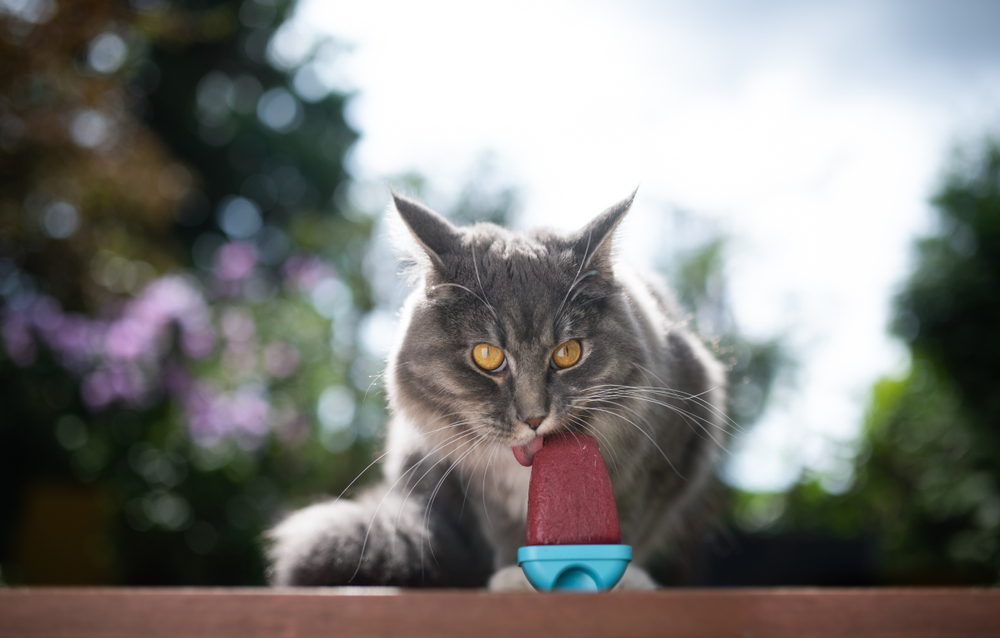
You can freeze small portions of wet cat food, ensuring that it aligns with your cat's dietary requirements. Additionally, offering ice cubes made from diluted tuna water or low-sodium chicken broth can be a fun and safe way to help your cat stay cool.
While Frosty Paws are a readily available frozen dog treat, you can also look at your local pet store for cold snacks specifically made for cats.
To ensure the safety and healthy snacking of your cat, consult with your veterinarian for ways to give your cat a cold and refreshing treat, especially during the hot weather! You can even check out these Vet-Approved Recipes for Homemade Cat Ice Cream.

Conclusion
Frosty Paws might seem tempting to share with your feline friend, but it's important to recognize that their dietary needs are quite different from those of dogs. Feeding Frosty Paws to your cat can lead to imbalances in their diet, potential digestive issues, and other health problems over time. But it’s good to know that if your kitty were to steal some Frosty Paws from under your dog’s nose, there is unlikely to be any significant consequences.
So, during the warmer weather, opt for cat-specific treats or safe homemade alternatives that cater to your cat's dietary needs, ensuring a happy, healthy, and refreshed companion for years to come!
Featured Image Credit: Mix Tape, Shutterstock

Expert cat care, straight to your inbox
Vet-reviewed advice, behavior tips, and the best of Catster. Free, and you can unsubscribe anytime.
By signing up, you agree to our Terms & Conditions and Privacy & Cookies Policy.
Christian started writing for a local newspaper as a teenager, and he's been involved in the publishing industry for most of his adult life. Combining his love of writing with a passion for animals, he is currently the Director of Editorial at Pangolia and the Editor-in-Chief at Catster.
Christian lives in the Philippines with his wife, son, and four rescue cats: Trixie, Chloe, Sparky, and Chopper.
Join the conversation
Ask a question, share your story, or send private feedback.