Get

In Your Inbox

Catster is reader-supported. When you buy via links on our site, we may earn an affiliate commission at no cost to you. Learn more.

Are Cats Lactose Intolerant? Vet-Reviewed Facts & FAQ

Share

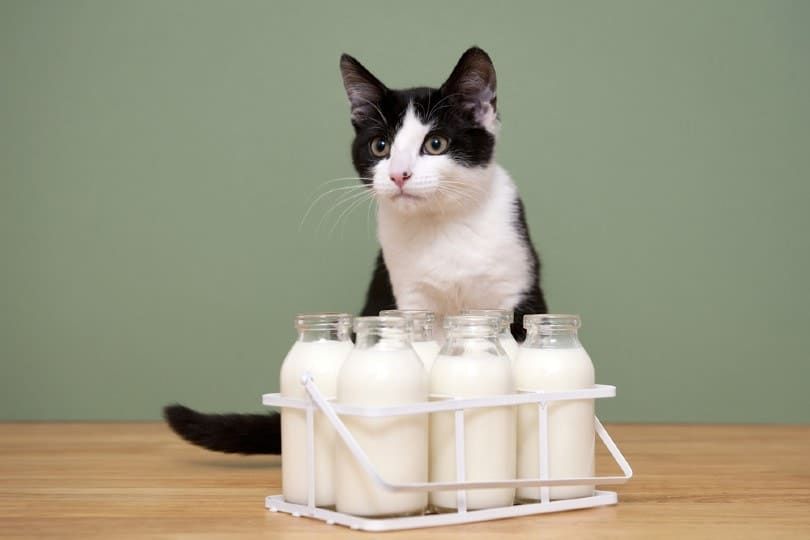
A cat with milk bottles

Cats are infamous for their love for milk. However, it turns out that cats might be lactose intolerant. But how true is that claim?

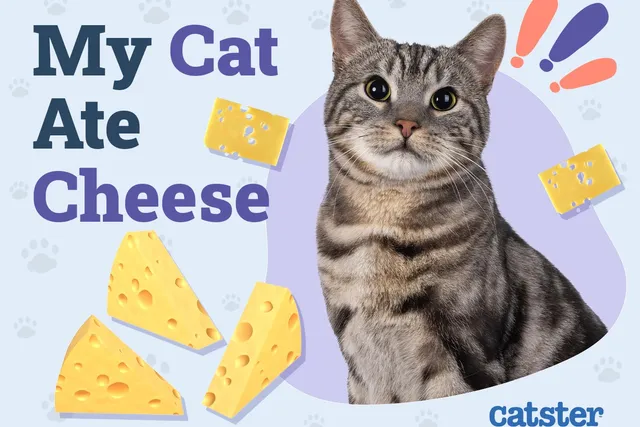
Unfortunately, it is true: Most cats are lactose intolerant. Lactose intolerance is the inability to digest the primary sugar in milk and other dairy substances, such as cheese.

Lactose-intolerant cats suffer from stomach cramps, among a host of other digestive issues, when they ingest dairy products. The vast majority of cats are lactose intolerant.

divider cat faces oct 2024

Why Are Cats Lactose Intolerant?

cat on a wooden table_HartmutStein, Pixabay
Photo Credit: HartmutStein, Pixabay

Lactose is the primary carbohydrate in milk. It is a disaccharide sugar consisting of glucose and galactose and is found in all types of milk in varying percentages.

Like all other baby mammals, kittens are born with the innate ability to process lactose, thanks to the enzyme lactase. This enzyme splits lactose into simple sugars, allowing kittens to digest milk without any trouble. It is crucial for kittens to have this ability since they are completely dependent on their mama’s milk for survival during the first few weeks of their lives.

As with all other mammals, cats lose the ability to break down lactose as they grow older because their bodies produce less and less of the lactase enzyme over time. By the time kittens are 6 months old, they usually have all but lost the ability to break down lactose. Once the body stops producing the enzyme lactase, it stops for good.

When a lactose-intolerant cat drinks milk, the unprocessed lactose draws lots of water into the digestive tract, and the cat’s gut bacteria begin to ferment the undigested sugars. That is what causes signs of an upset stomach, including bloating, cramping, gas, and diarrhea, within 8—12 hours of drinking milk.

Note that lactose intolerance is not a type of food allergy. With food allergies, the cat’s immune system views the substance as a foreign material, prompting an attack. That reaction becomes more severe with each repeated exposure to the allergen.

However, with lactose intolerance, the signs only last as long as lactose remains in the system, ceasing when the sugar is expelled from the cat’s body.

divider cat paws oct 2024

Can Kittens Ingest Dairy?

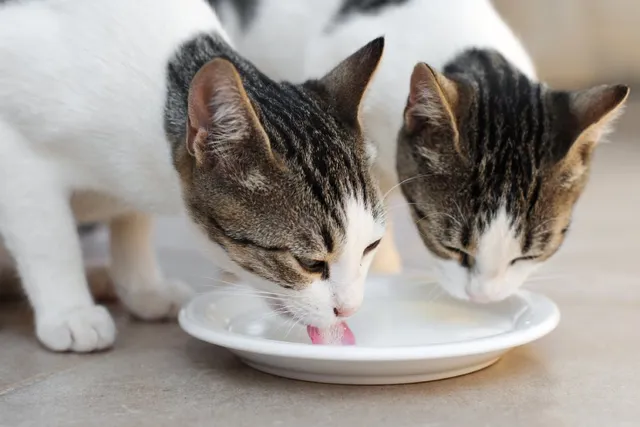
little kitten sitting by a bowl of milk
Image Credit: Impact Photography, Shutterstock

As mentioned, kittens produce the enzyme lactase to digest the lactose in their mother’s milk. Does it mean that it is okay for them to drink cow’s milk or ingest other types of dairy products?

The answer is no. Cow’s milk, as well as other dairy products, can still harm a kitten. Lactose appears in varying percentages in different types of milk. Also, the nutritional profile of each species’ milk is very different. A kitten’s digestive tract is designed to process cat milk, not any other milk. As such, avoid feeding cow’s milk and dairy products to your kitty.

divider cat paw scratch oct 2024

Conclusion

Many cats love the taste of milk and dairy products for some reason and will consume them without a second thought. But these furballs are usually lactose intolerant, and their bodies will not tolerate milk. Therefore, keep it away from them.


Featured Image Credit: Ben Queenborough, Shutterstock

Want content like this delivered to you?

Sign Up For Our Newsletter

News, insights, expert advice, and everything cat

* By submitting, you agree to our Terms & Conditions and Privacy & Cookies Policy.


How useful was this post?

Click on a star to rate (you can leave written feedback after clicking submit)

Help us improve Catster for pet parents!

Your feedback really matters.

What did you like about this post? Also how can we improve it?

Join the conversation

2 Responses

  1. My cat will not drink water. I always provide a fresh bowl of water every morning for him, but he will not drink it. I sprinkle a little water in his food, though, so at least he gets some. Now and then, I give him a tiny bowl of milk, and he laps it right up, without any issue. Does this mean he is not lactose intolerant?

    1. Hi Carol, you mentioned “without any issue.” So, assuming that you are in control of his litterbox and know that he does not experience gas, diarrhea, or vomiting after ingesting milk, then he is likely still able to digest lactose.

Leave a Reply

You’re very welcome to leave a comment or question. Please know that all comments must meet our community guidelines, and your email address will NOT be published. Let’s have a positive and constructive conversation.


Catster's Digital Magazine is Back!

Vet-approved health & behavior advice

Real cat stories & community features

Chatting About Big Cat Tourism, Lion Hunting, and Learning From Our Mistakes | Chatty Cattys, Episode 26

In this episode of Catster’s Chatty Cattys podcast, Nicole and Dr. Karyn dive into the dark side of big cat tourism and the...

Why Cats Sit by the Door (But Don’t Go Through It)

Door-sitting is one of those quirky little habits that almost every cat owner experiences at some point. You know how it goes: a...

Six Legs Are Better Than Three – How A Tripod Dog and Kitten Found Friendship Through Recovery

Sometimes the most meaningful friendships begin in the most unexpected places. At a Maryland veterinary hospital operated by Last Chance Animal Rescue, two...

The Original Space Invaders – Why Zero Respect for Personal Boundaries Is a Good Thing

Cats have a reputation for being independent, and in many ways they are. But anyone who has tried to work at a laptop...

More related

Is Cat Snoring Normal? Facts & When to Worry

Picture this—your cat is sprawled out beside you, snoozing away, when suddenly you hear the cutest sound from them. What is it? They’re...

80 Cat Names That Start With P for Your Amazing Pet

Are you looking for an adorable name for your beloved feline companion that starts with the letter “P”? Whether you’ve welcomed a new...

What Are the World’s Most Unique Cat Rescues? 6 Sanctuaries & FAQ

When you think of cats waiting to be adopted or, worse still, not ever finding a forever home, it’s heartbreaking. There’s a misconception...

Siberian Cat Size: Vet-Reviewed Comparison to Other Cats (With Pictures)

Siberian cats originated from the taiga in Siberia near Russia. They are long-haired cats accustomed to forested areas in a subarctic climate, so...

Keep reading

Are Essential Oils Safe For Cats? Vet-Reviewed Facts

Essential oils have gained popularity as natural treatment options that some studies suggest may have various benefits, including improving sleep, reducing stress, and even decreasing nausea in people. But are essential oils safe options for cats? The science is clear;...

Catster_Are Essential Oils Safe for Cats

Can Cats Eat Applesauce? Vet-Reviewed Facts & Considerations

Applesauce is considered safe for kids and adults, but is applesauce safe for cats? The short answer is that while it is safe to give applesauce to cats in small amounts, there are many things to consider before you do...

Can Cats Eat Applesauce

Why Does My Cat Eat Tape? 6 Vet-Reviewed Reasons & What to Do

‘Tis the night before Christmas and all through the house—there’s a disturbing crunching noise coming from underneath the tree, where you find your feline crunching on the tape from the wrapped presents! You’re probably puzzled because you feed your cat...

scotch tape

Why Do Cats Follow Strangers? 7 Possible Vet-Reviewed Reasons

Cats are mysterious creatures, and sometimes their behavior is hard to understand. One behavior that often baffles pedestrians is being followed. However, it makes more sense if you look at the reasons why a cat would follow you and decide...

Cat following a person walking

How to Care For a Three-Legged Cat: Expert Tips & Advice

Tripawd, tripod, trilimb—whatever you call them, a three-legged cat is just a different kind of pet. They might need a bit of help to live their best lives, but these animals make as wonderful companions as any full-limbed pet. Whether...

Three-legged cat sitting near the railings

10 Natural Home Remedies for Cats With Fleas (Vet-Verified)

Fleas can be a real pest to deal with once your cat picks them up, and if left untreated, fleas can become very dangerous for pets, leading to anemia and spreading disease. While humans aren’t primary hosts for fleas, that...

grey cat scratching itself indoors

How Much Do Male Cats Purr? Vet-Verified Facts & FAQ

A cat’s purr is comforting to both humans and cats, but how much a cat purrs varies widely by individual personality. Sex (male vs. female) does not meaningfully influence how often a cat purrs. Generally speaking, male cats purr the...

adorable cat get pampered by owner

Can Cats Eat Wasabi? Vet-Reviewed Diet Facts & FAQ

If you’re a sushi lover, you’re familiar with wasabi. This garnish is related to mustard, radishes, and horseradish in the Brassicaceae family. It’s ground and made into a paste that accompanies sushi and other dishes. Curious cats may want to...

Can Cats Eat Wasabi

Love Cats? So Do We! Join the Catster Community

Stay informed with expert pet care insights delivered straight to your inbox! Discover professional guidance on animal behavior, feeding tips, trusted product picks, and much more.


Sign up for the Catster Email Newsletter

Stay informed with expert pet care insights delivered straight to your inbox! Discover professional guidance on animal behavior, feeding tips, trusted product picks, and much more.