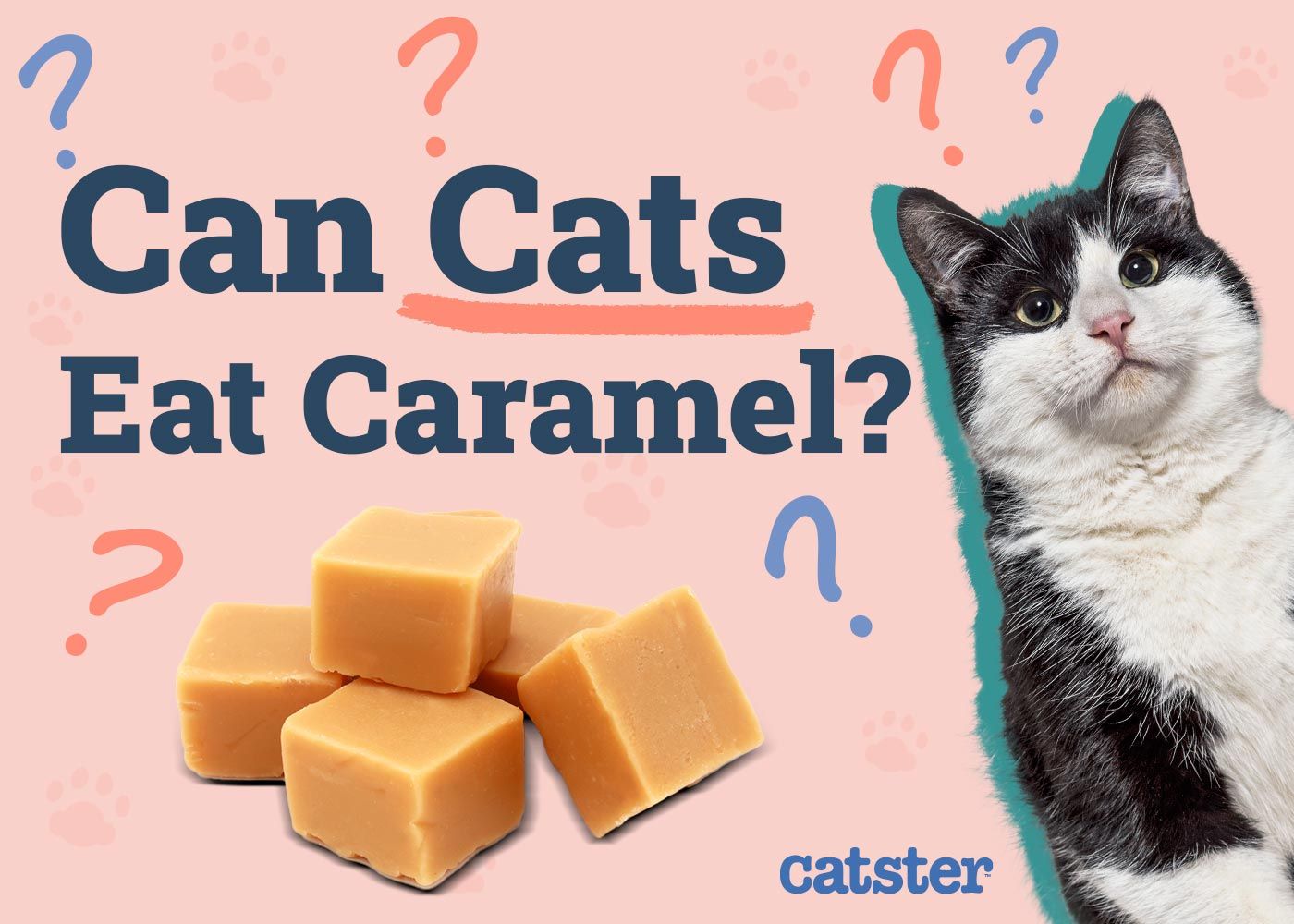
Can Cats Eat Caramel? Vet-Reviewed Facts & FAQ


In this article
Let's face it: cats are weird creatures. They surprise us with all sorts of quirky behaviors every single day. Your cat might ignore a delicious meaty dish of wet cat food, but you'll find their head stuck in a bag of chips later.
So, if your cat has recently shown an interest in a delicious caramel snack, you might wonder if cats can eat caramel. Well, caramel is non-toxic to cats, but it can be a choking risk, and it's very unhealthy for them. Plus, cats can't taste sweetness, so why would they be interested in caramel in the first place? Find out more below.

Caramel is Non-Toxic to Cats
If your cat ate caramel, rest easy knowing that it is non-toxic to cats. However, there's absolutely nothing in caramel that benefits your cat's digestive system.
You should avoid all human food unless it is species-appropriate, unseasoned, and free of additives.

Health Risks Associated with Caramel
There are some significant downfalls of cats eating caramel. It can cause weight gain with an increased predisposition for many related diseases, including diabetes, arthritis, higher susceptibility to developing cancers and urinary issues, and compromised mobility. Besides, caramel is a dangerous choking hazard.
Also, it greatly depends on the type of caramel snack your cat ate. If the snack contains any other additives, it can be hazardous and potentially toxic.
Effects of Sugar
Excessive sugar can cause digestion problems, as your cat isn't made to eat it in the first place. Besides, it is loaded with empty calories, and regular sugar consumption causes the cat to gain extra weight, leading to obesity. Cats are obligate carnivores. They only benefit from meat-based products; animal proteins and fats are the basis of their nutrition.
You can give your cat lots of designed-for-felines, species-appropriate snacks, but any human food packed with sugar is unhealthy.
Intestinal Issues
If your cat eats big pieces of caramel, the excessive sugars will disrupt the cat’s intestinal microbiome, leading to diarrhea, bloating, and discomfort.
Cats' Taste Buds
You might be surprised to know that cats cannot taste sweetness. We might indulge in various desserts, but feline taste buds differ entirely from ours. They have no sweet receptors.
Since cats are carnivores, their palates are only developed to enjoy meat. That is why your cat rushes over whenever you pop open a can of wet food. The aroma of animal-based proteins stimulates their senses.

Other Ingredients
If your cat eats caramel, you must ask yourself what else was in it. Some ingredients are safe, while others are very dangerous. Cats should always steer clear of the following toxic foods:
If you have caramel ice cream or dairy products, keep them away from your cat. Even though cats might beg for milk-based products, their adult bodies are not designed to digest dairy foods.

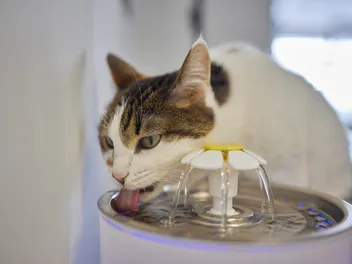
- NO MESS - The 360° tray on this cat food and water bowl set has a raised design to catch and contain stray crumbs and drips. Protect your indoors and floors from wet and messy meals!
- WHISKER FRIENDLY - Shallow and wide metal containers with flat bottoms ensure your kitty can enjoy mealtime free from whisker fatigue!
- CHEW-SAFE MATERIALS - Kittens and cats love chewing on silicone and soft rubber - but it's a choking hazard. Our cat feeding station materials are anti-chew for a 100% safe feeding frenzy!
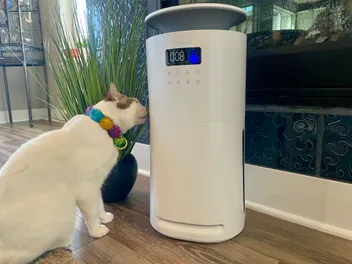
Learning about what your cat can and cannot eat is a crucial part of keeping them happy and healthy! Choosing a bowl to serve cat-friendly foods in is another important decision pet owners face. Satisfy the specific needs of your cat with the innovative design of the Hepper NomNom Cat Bowl. Learn why it’s our (and our cats!) favorite food and water dish here.
At Catster, we’ve admired Hepper for many years and decided to take a controlling ownership interest so that we could benefit from the outstanding designs of this cool cat company!
Final Thoughts
Cats should not eat caramel. There are absolutely no nutritional benefits, and it could cause more digestive issues. They might like to lick caramel off a random snack occasionally, but you should never offer it up willingly.
Always make sure to keep dangerous snacks away from your kitties. There are plenty of cat-safe treats for your furry buddy to enjoy instead. Plus, they can't even indulge and enjoy the sweetness that caramel offers.
See Also:
Featured Image Credit: Zozz_, Pixabay
Expert cat care, straight to your inbox
News, insights, and useful advice, delivered to you.

No spam — unsubscribe anytime.
By signing up, you agree to our Terms & Conditions and Privacy & Cookies Policy.
How useful was this post?
Click a star to rate. You can leave written feedback afterwards. (We read all feedback.)
As a freelance dog writer and passionate pet enthusiast, Ashley Bates is pursuing studies in animal therapy. A mother to four human children and 23 animal companions, Ashley is dedicated to volunteering at shelters, advocating for animal rights, and rescuing animals in need. Her goal is to spread awareness, provide education, and offer entertainment about pets to reduce homelessness. Ashley's specialties include dogs and cats.